
Toyota Motor Corporation has once again secured its position as the world’s top-selling car brand. This means the brand still holds the global sales crown, and it has been doing so for the past six consecutive years. The achievement highlights Toyota’s ability to stay ahead in an industry driven by competition in design, technology, shifting consumer priorities, and varied market conditions worldwide.
According to a report by Japanese business and lifestyle media outlet Nikkei Asia, Toyota, its premium brand Lexus, and its small car and commercial vehicle brands Daihatsu and Hino, sold approximately 10.3-million vehicles globally from January to November 2025. This performance was sufficient to keep the company ahead of its closest rival, Volkswagen, which recorded roughly 9.0 million units sold over the full year.
Toyota’s scale and diversified product portfolio played a key role in sustaining its sales momentum. While growth slowed in certain regions, particularly in parts of Asia, strong demand in North America and Europe helped stabilize overall performance. Toyota’s presence across multiple vehicle segments, from compact cars to SUVs and commercial vehicles, allowed it to remain resilient as consumer preferences continue to shift.

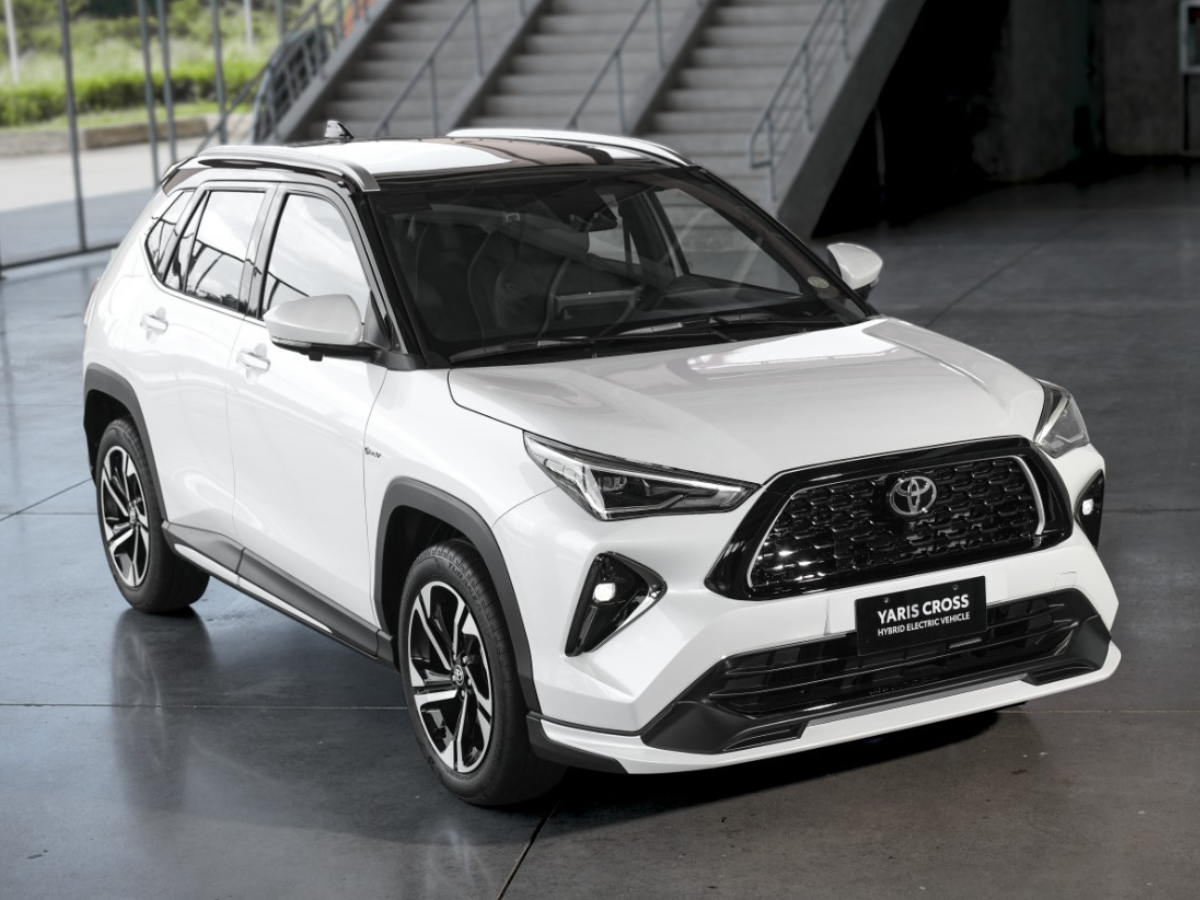
Hybrids were a major contributor to Toyota’s results. In markets where charging infrastructure remains uneven, the brand’s extensive lineup continued to appeal to buyers seeking better fuel efficiency without committing to full battery-electric vehicles (BEV). This strategy helped offset weaker conditions in China, where competition has intensified, and pricing pressures have weighed on sales.
Toyota’s 6th straight year on top demonstrates its operational discipline. While several automakers struggled with supply chain disruptions, inventory challenges, and regulatory adjustments, Toyota maintained relatively stable production and global distribution.
As the industry moves deeper into electrification, Toyota’s sustained global market leadership suggests that a multi-path approach, characterized by balancing hybrids, internal combustion models, and emerging electric vehicles, remains commercially effective in a highly competitive industry.