VinFast, a mobility brand from Vietnam, is introducing a new rental model program in the Philippines to benefit ride-hailing drivers. It offers an alternative to vehicle ownership amid rising fuel costs and uncertain daily earnings.
In more detail, VinFast is positioning the program as a new way of reducing operating expenses while making day-to-day driver revenue more predictable. With rental fees starting at around P1,000, drivers who are into providing services to earn, such as those in the transport network vehicle service (TNVS), can access electric vehicles (EVs) without the need for large upfront payments typically required when purchasing a car.
VinFast’s introduction of this new rental model comes at a time when many drivers are struggling with volatile fuel prices. For those who cover long-distance bookings daily, fuel expenses can significantly cut into earnings. Some drivers estimate spending between P24,000 and P36,000 per month on gasoline alone, depending on mileage and traffic conditions.
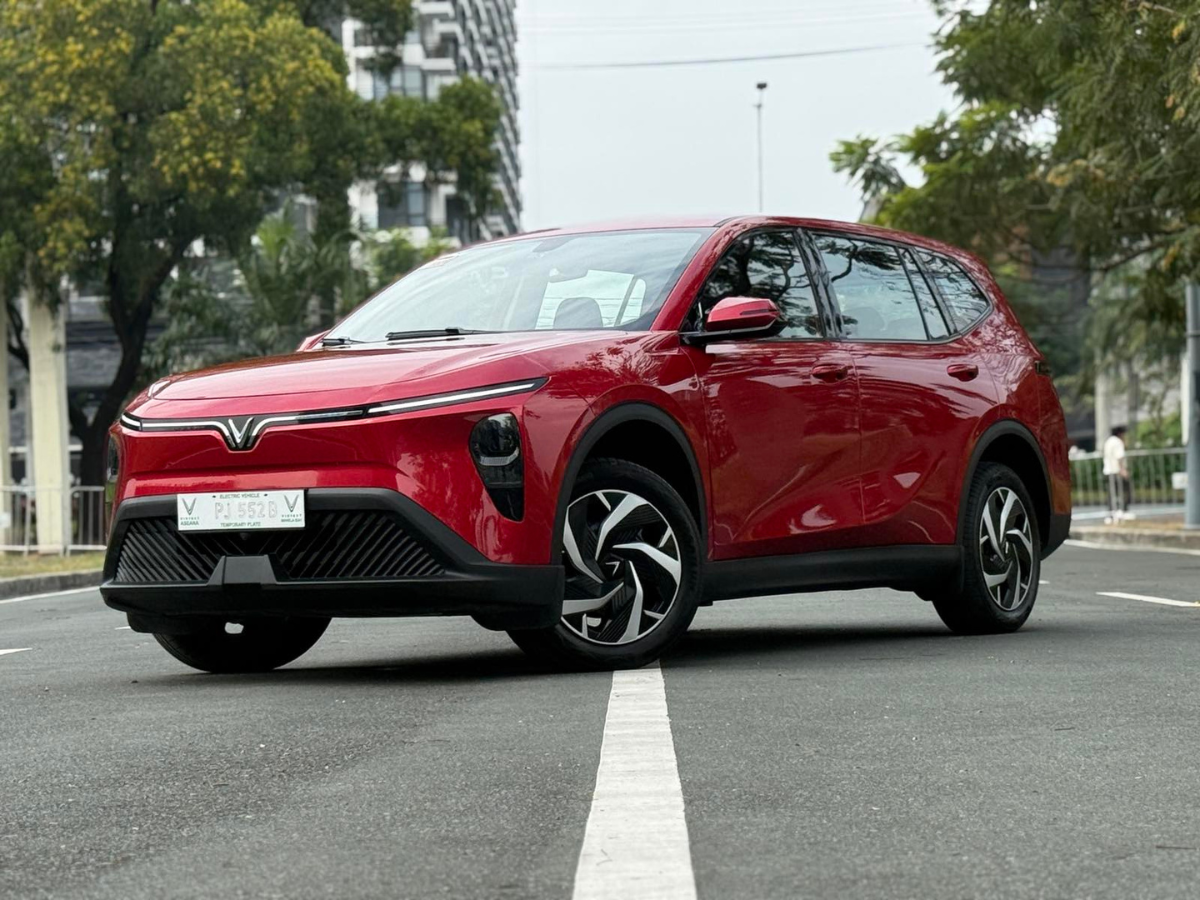
The company addresses this challenge through electrification and cost stability. Under its current policy, drivers using its EVs can charge for free at designated stations until March 2029. VinFast claims that this effectively removes one of the largest recurring expenses associated with vehicle ownership — the need to constantly refuel in large amounts, which affects daily earnings. And because of the free EV charging until 2029, the program also lightens the burden on drivers who spend earnings just to recharge their EVs.
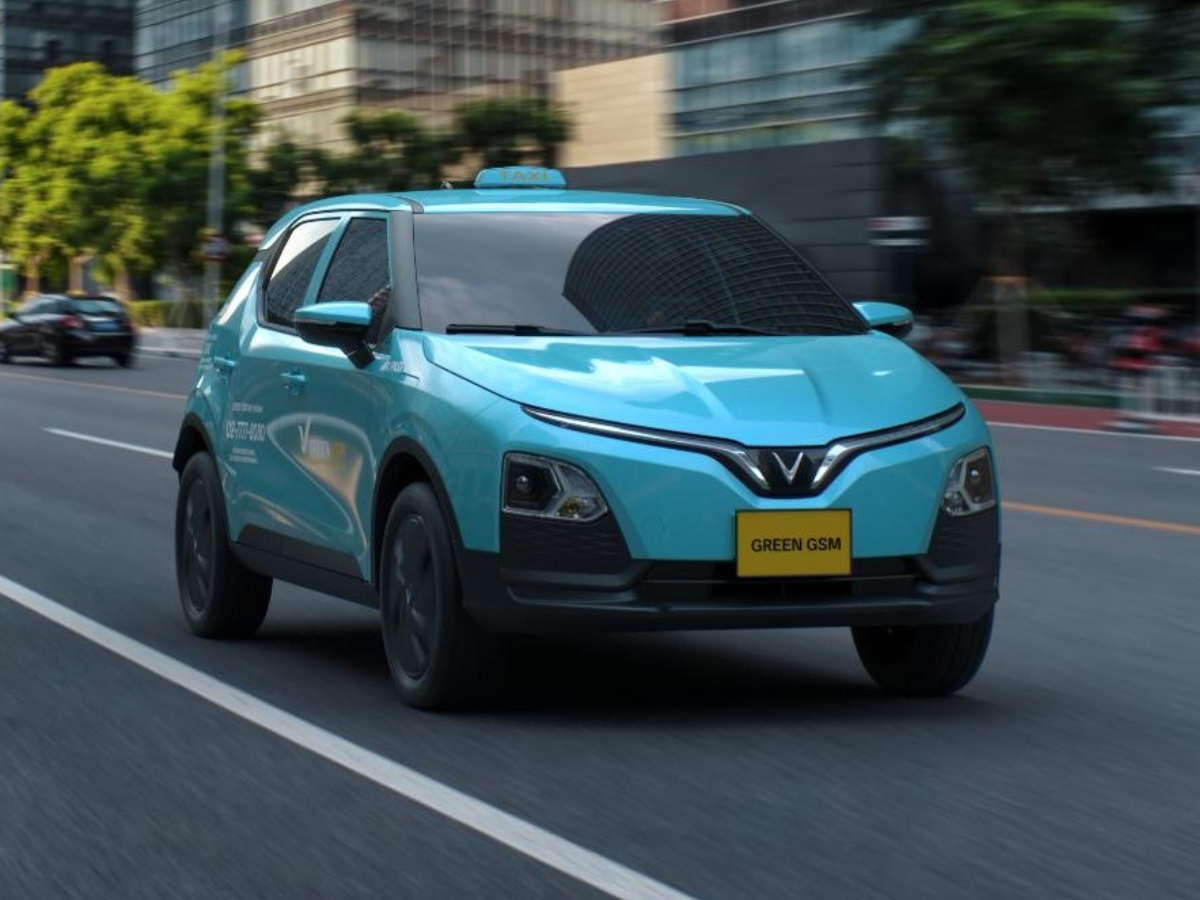
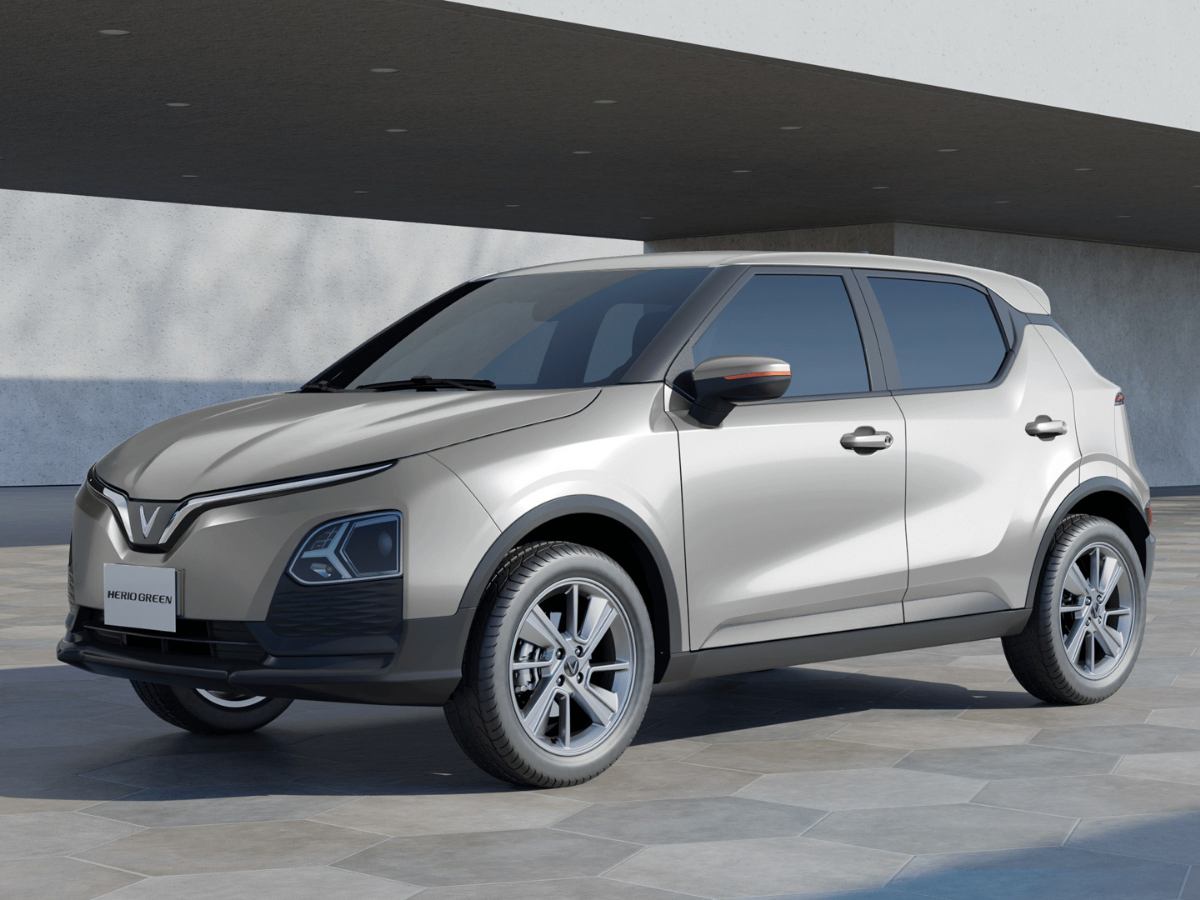
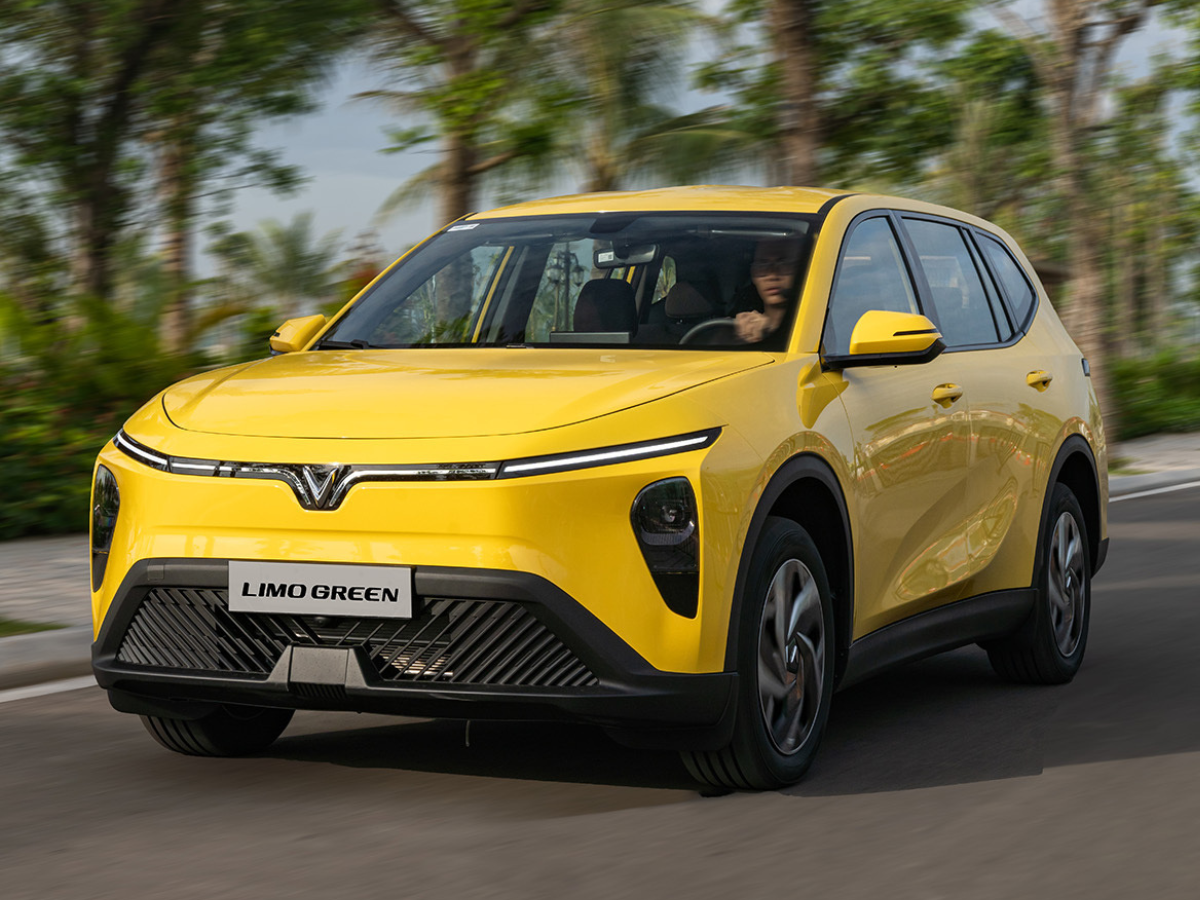
The program will initially roll out in Metro Manila before expanding to other key urban areas. It will feature models such as the Herio Green, a service-focused variant of the VF 5, and the larger Limo Green.
The Herio Green offers a driving range of over 300 km per charge, which aligns with the daily requirements of many ride-hailing and TNVS drivers. Its fast-charging support allows the battery to juice up from 10% to 70% in under 30 minutes, making it practical for drivers to recharge during breaks.
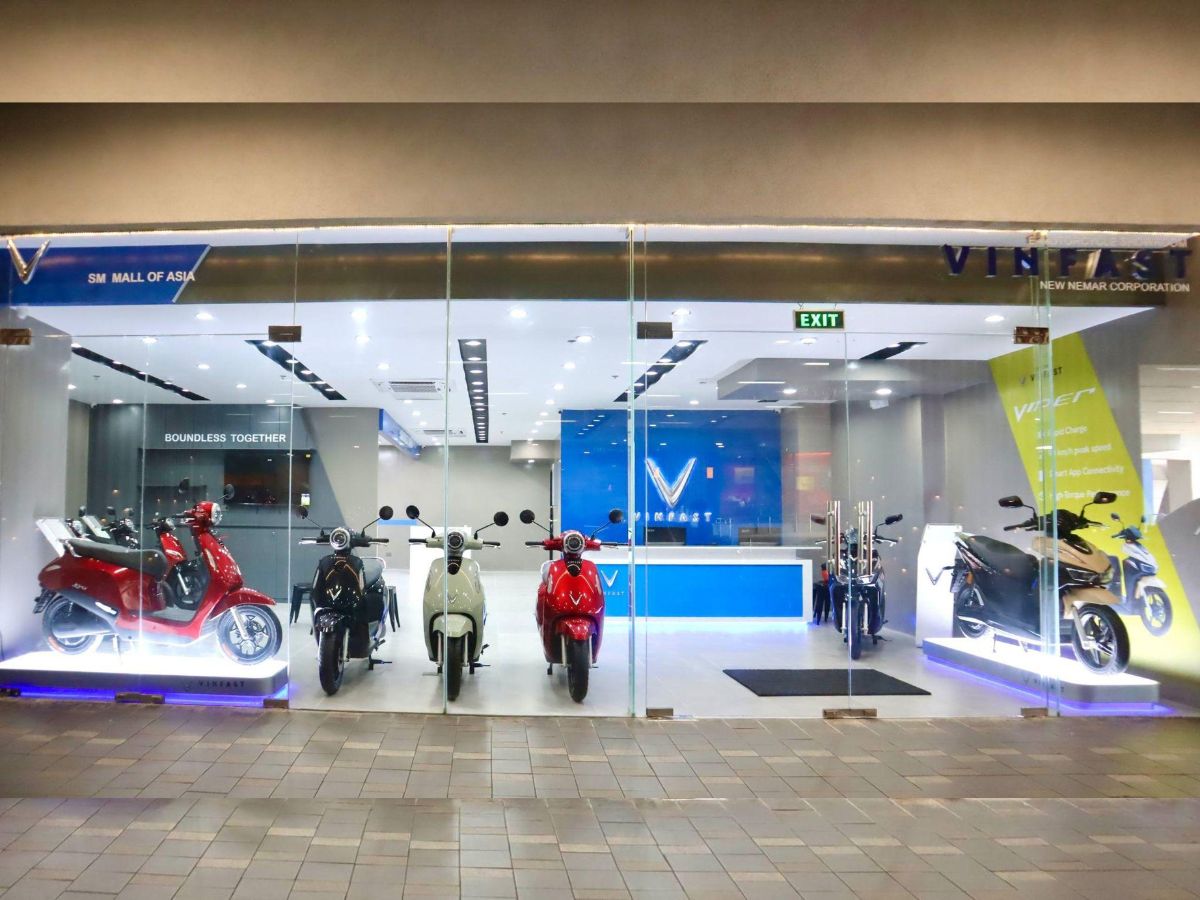
VinFast has also been expanding its presence in the Philippine market. It closed 2025 as the second-largest battery electric vehicle (BEV) brand in the country, supported by ongoing investments in charging infrastructure and dealership networks.
Autocar’s Take
The appeal of VinFast Philippines/ new rental model is straightforward; it removes the biggest barriers to EV adoption in the country — upfront costs and unpredictable expenses. For ride-hailing drivers, cash flow matters more than long-term vehicle ownership, and this program speaks directly to that reality.
What makes it compelling is the free EV charging incentive, which changes the economics of ownership and upkeep almost overnight. Still, the program’s long-term success will ultimately depend on execution.
Factors such as charging availability, vehicle reliability, and support systems will shape driver confidence as the program progresses. Yes, the concept is strong, but on-the-ground consistency will determine whether it becomes a real shift or just another option.