

Tokyo, Japan – Toyota Motor Asia is accelerating its efforts toward carbon neutrality with new plans that focus on electrification, accessibility, and sustainability through its Multi-Pathway approach. The main goal is the ’30 by 30 Mission,’ which aims for 30% of all Toyota sales in ASEAN to be electrified vehicles (xEVs) by 2030.
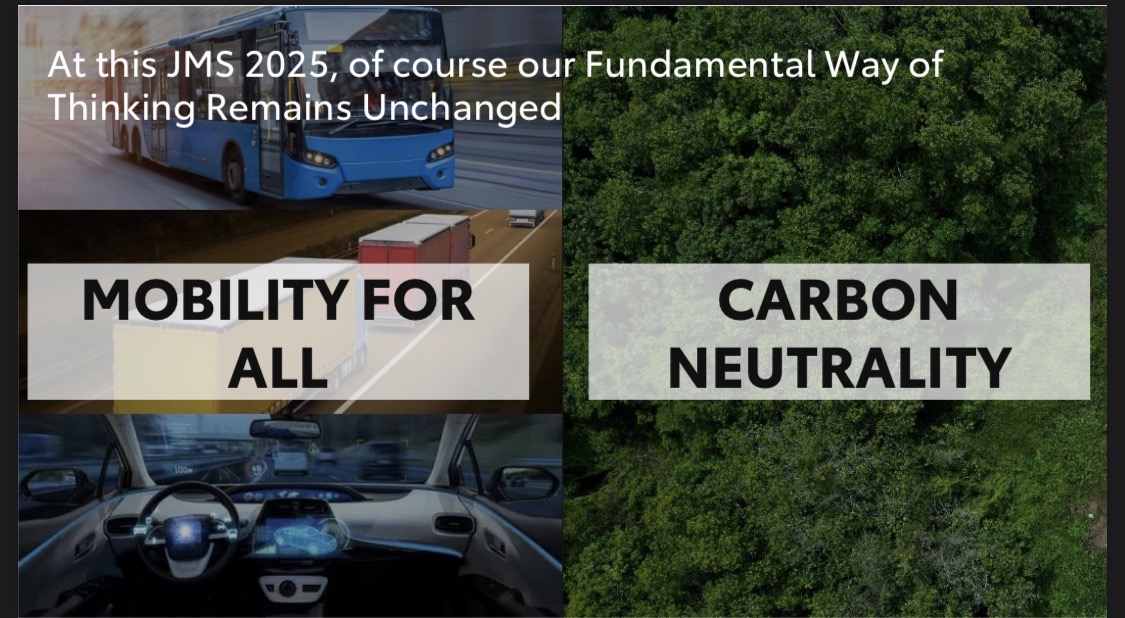
At the Toyota Motor Asia Media Day, held alongside the Japan Mobility Show, company executives detailed a comprehensive roadmap toward reducing carbon emissions while ensuring “Mobility for All.” The strategy underscores that sustainability in Asia cannot come from a one-size-fits-all solution, but from a spectrum of electrified options that suit each country’s energy landscape and consumer realities.
A Roadmap for the Region
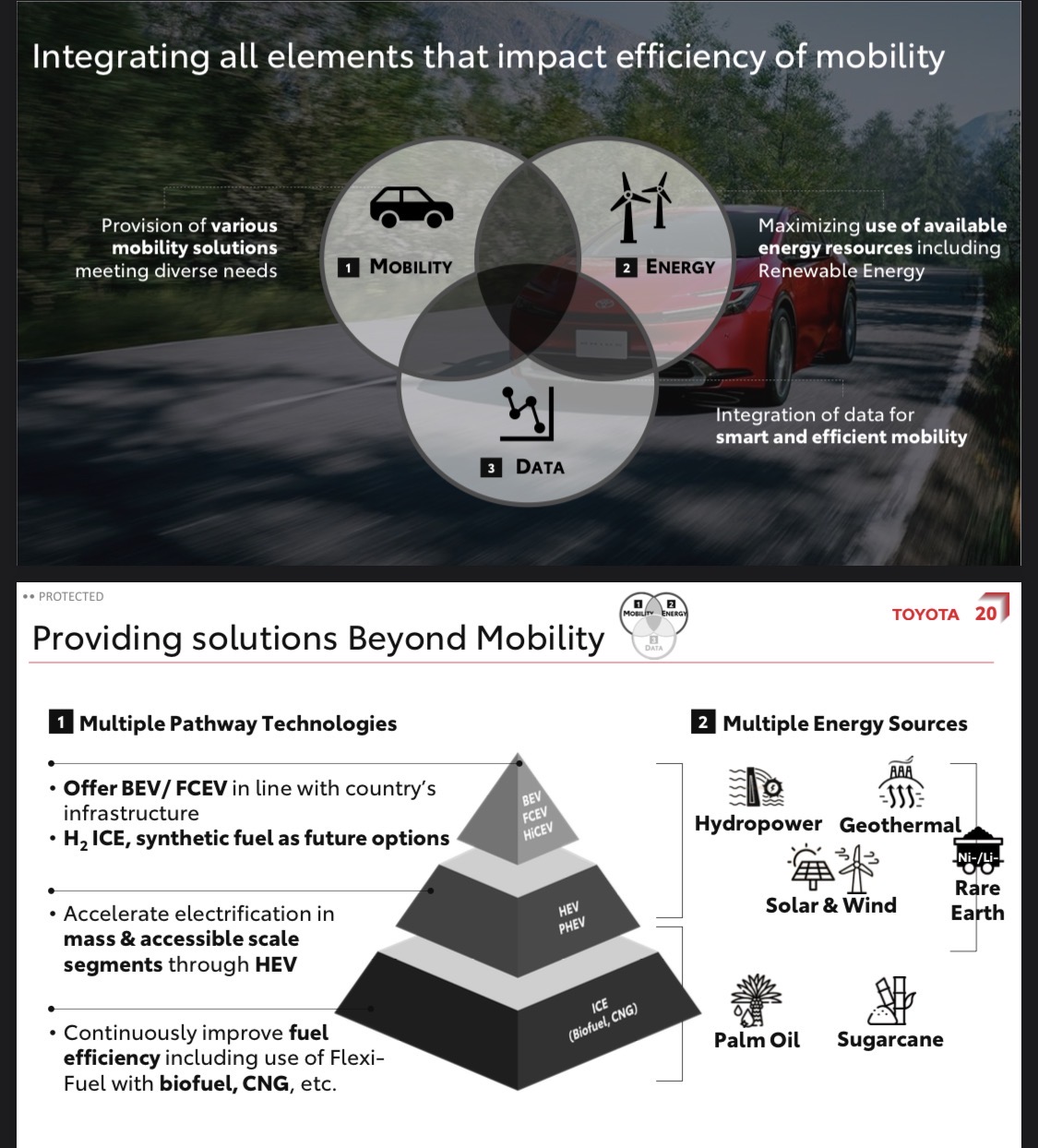
Toyota plans to introduce more than 10 new xEV models across Asia over the next three years, including hybrid electric vehicles (HEVs), battery electric vehicles (BEVs), plug-in hybrids (PHEVs), and hydrogen fuel cell vehicles (FCEVs). Production of BEVs will begin locally in Thailand and Indonesia by the end of this year, which will strengthen regional manufacturing and make clean mobility more affordable.
This diversified lineup builds on Toyota’s long-standing Multi-Pathway philosophy, which focuses on adapting innovation to local needs instead of applying a single global formula. This approach combines electrification with practical accessibility, making the shift to cleaner transport more inclusive.
“Becoming the best in town is what is most important,” said Toyota Chairman Akio Toyoda. “We cannot make customers happy by just promoting the total number of vehicles. What matters is delivering the right mobility for every community.”
The ‘Best in Town’ principle guides Toyota’s regional strategy by focusing on high-quality, safe, and reliable vehicles to address real-world transportation challenges, from urban congestion to rural accessibility.


The “30 by 30” Vision
Toyota’s 30 by 30 Mission is more than just a sales goal; it is also an environmental commitment. By aiming for 30% xEV penetration in ASEAN by 2030, Toyota expects to reach cumulative sales of 1.5 million electrified vehicles in the region. The company estimates this will reduce CO₂ emissions by 8 million tons, which is similar to planting 25 million trees.
This measurable impact highlights Toyota’s belief that achieving carbon neutrality should also support social and economic sustainability. Electrified vehicles not only reduce tailpipe emissions but also create new jobs in battery assembly, software, and green manufacturing.
Masahiko Maeda, CEO of Toyota Motor Corporation’s Asia Region, emphasized that the company’s vision for decarbonization rests on immediate, practical action: “At Toyota, we believe achieving Mobility for All and Carbon Neutrality requires more than one solution. The future of mobility will be built through collaboration, shared purpose, and collective action.”
Local Production, Global Impact
By starting local BEV production in Thailand and Indonesia, Toyota aims to strengthen supply chains and lower the carbon footprint from vehicle transport and component sourcing. This step will also make EVs more accessible in markets where affordability is still a major barrier to electrification.
Along with BEVs, Toyota is expanding its range of hybrid models, including the upcoming Yaris ATIV Hybrid, which helps consumers who are not yet ready for full electrification. The company is also working on hydrogen initiatives and bio-fuel trials across Asia, showing that its Multi-Pathway strategy offers several routes to a low-carbon future.

A Philosophy That Starts With Action
Toyota’s sustainability roadmap is built on three core principles: Best in Town, Customer Comes First, and Start by Doing.
The last principle, ‘Start by Doing,’ is where Toyota believes real change begins. The company is already running pilot programs to integrate vehicles, energy, and data for more efficient transport networks, especially through the Commercial Japan Partnership Technologies (CJPT) project. These initiatives explore how connected logistics and smart energy management can reduce carbon output and improve delivery efficiency in Asia’s growing urban centers.
At the same time, the Toyota Mobility Foundation (TMF) continues to fund and develop practical mobility solutions. TMF-backed projects across Asia are testing new technologies to reduce traffic congestion, improve safety, and expand mobility access to underserved communities. This shows that Toyota’s carbon-neutral mission extends well beyond cars.
Beyond Carbon: A Human-Centered Future
For Toyota, carbon neutrality is not just an environmental goal; it is also about people. Mobility for All means making sure everyone, no matter where they live or how much they earn, can access safe, efficient, and sustainable transportation.
This human-centered approach was clear in the unveiling of the new Land Cruiser FJ, which will be produced in Thailand. Designed to deliver ‘Freedom and Joy’ while maintaining Toyota’s well-known durability, it shows how the brand continues to evolve by offering products that meet both emotional and practical needs.
At the Japan Mobility Show, Toyota also displayed its Mobility 1.0 to 3.0 concept—showcasing how mobility will eventually integrate with social systems such as energy and traffic management to create smarter, more sustainable cities.


Moving the World Forward
Earlier this year, Toyota launched its Move Your World initiative, reinforcing its role as a mobility leader with strong ties to Asia’s culture and society. The next phase of the program, starting in early 2026, will involve local talent and creativity through grassroots projects that bring Toyota’s ‘Best in Town’ philosophy to life.
In short, Toyota’s 30 by 30 vision is more than a corporate target; it is a plan for sustainable progress in Asia. By combining electrification, localization, and inclusivity, the company shows that the path to carbon neutrality can include everyone.
As Akio Toyoda once said, “Mobility is not just about transportation—it’s about connection, opportunity, and better quality of life.” And with its latest roadmap, Toyota is ensuring that those values remain at the heart of Asia’s journey toward a cleaner, more equitable mobility future.