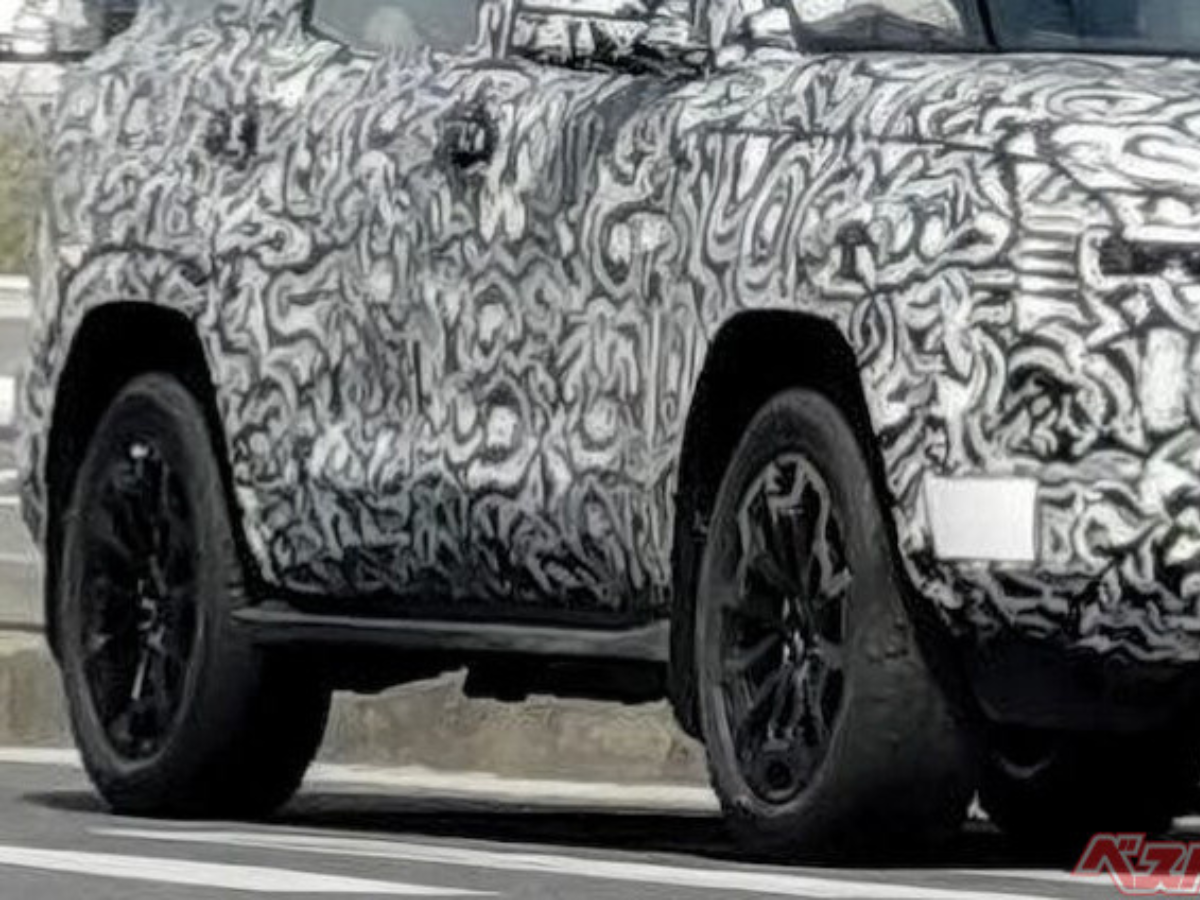

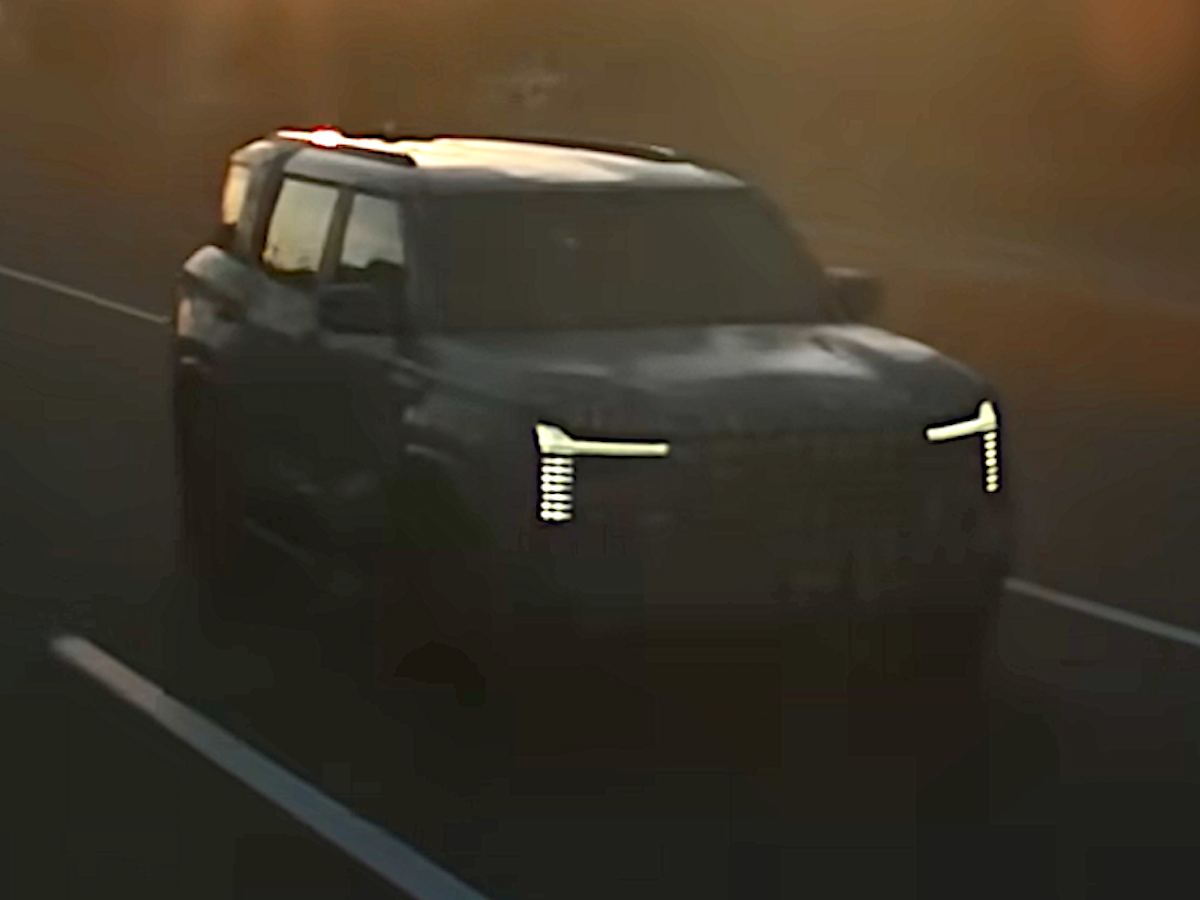
The Mitsubishi Pajero nameplate has always carried a certain weight in the SUV world. After years of absence, reports out of Japan suggest that its return is moving closer to reality, with test vehicles already spotted undergoing development work.
While Mitsubishi has yet to officially confirm final specifications, early details emerging from industry sources such as Best Car point to a model that stays true to its rugged roots while quietly embracing modern expectations. And at the core of the development is a familiar foundation.
The upcoming Pajero is expected to adopt a ladder-frame platform closely related to the Mitsubishi Triton pickup. This approach signals a clear intent: the Pajero is not being reimagined as a crossover, but as a proper, rigid SUV built for durability and off-road capability. In relation to this, it was also reported that diesel power will be the primary offering at launch, adhering to its traditional utility-focused positioning.
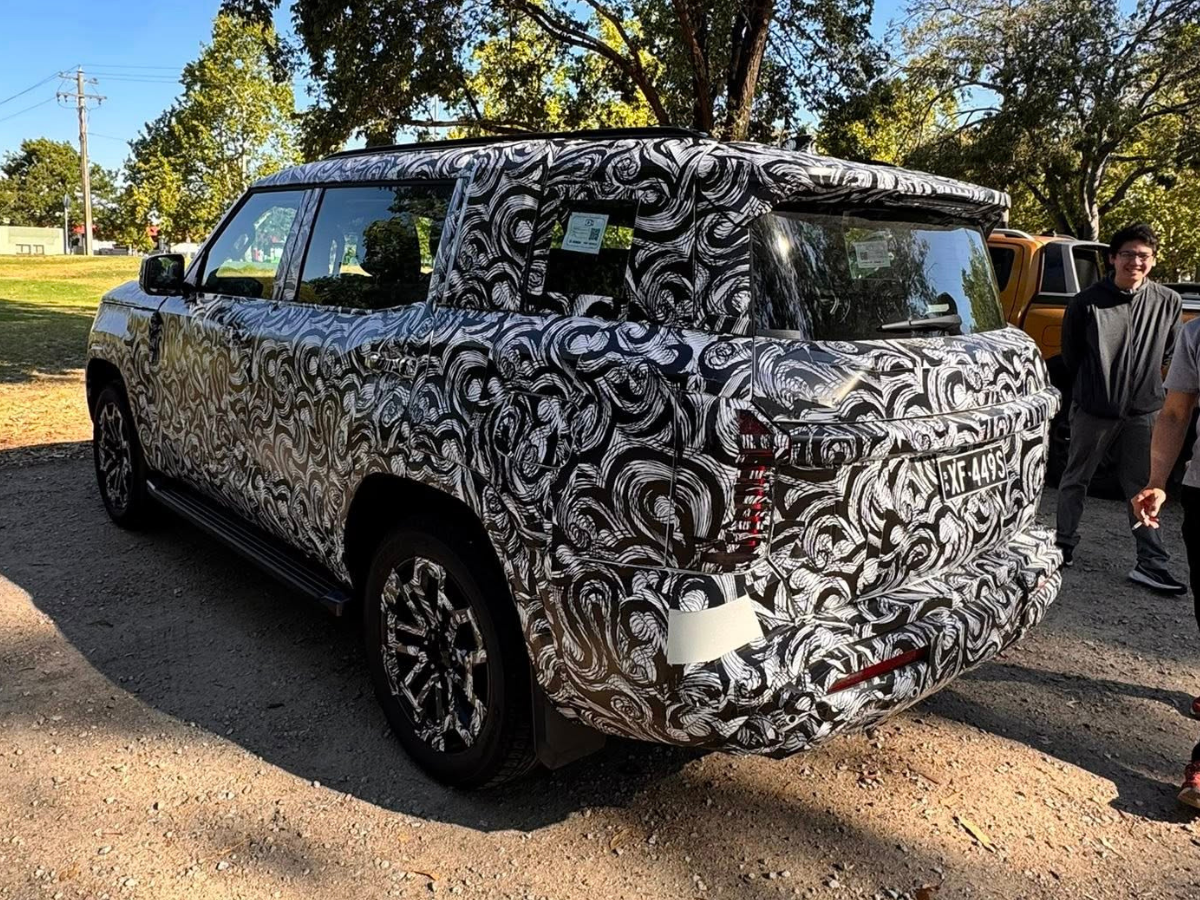
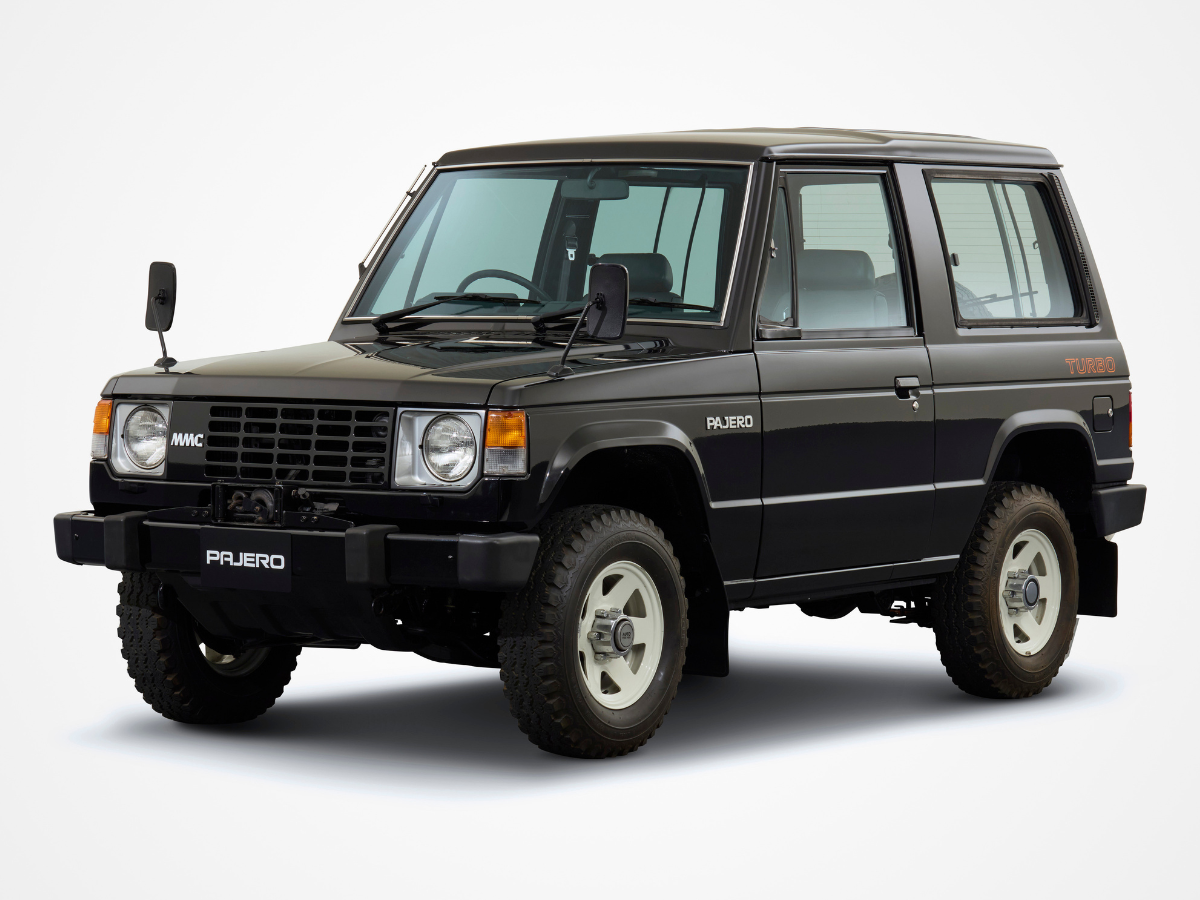
Design and configuration choices appear to be equally deliberate. Unlike earlier generations that offered both short-wheelbase and long-wheelbase variants, the new Pajero is rumored to take a more streamlined direction. As such, a long-wheelbase-only version is being considered for production — a notable shift in philosophy for the nameplate.
The emphasis on a long-wheelbase layout could reshape how the Pajero is positioned in today’s SUV landscape. A longer body typically translates to improved cabin space, greater rear passenger comfort, and enhanced long-distance touring capability. It also aligns the model more closely with current market expectations, where comfort has become as important as off-road performance. However, it may also signal a trade-off, with reduced focus on maneuverability in tighter off-road environments.
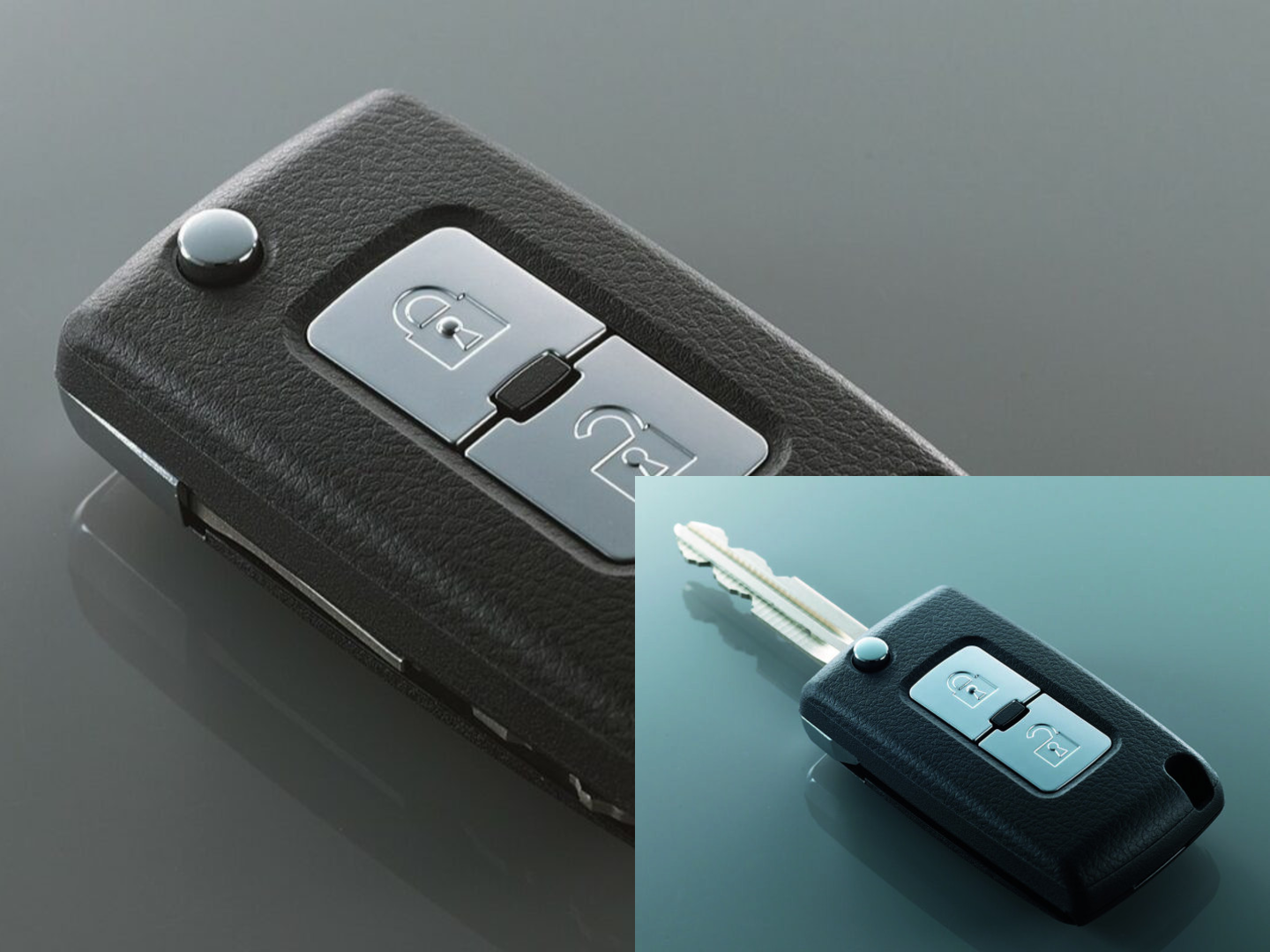
With the way things are shaping right now, Mitsubishi appears to be balancing tradition with modernization. The new Pajero will finally adopt long standard features in the segment, including smart key access and push-button start. While these may seem basic by today’s standards, they represent a symbolic update for a model historically known for its rugged simplicity.
For now, the return of the Pajero remains in the realm of anticipation rather than confirmation. But if these early details prove accurate, the long-wheelbase-only strategy may define its identity more than any other feature, positioning it as a comfort-oriented yet capable modern flagship SUV with its off-road heritage intact.
Autocar’s Take
The rumored return of the Mitsubishi Pajero is more than just a nostalgic revival. It is a calculated repositioning. If the long-wheelbase-only approach turns out to be true, Mitsubishi may be prioritizing comfort, practicality, and family touring over the compact off-road character some longtime fans remember.
Reality speaking, that could disappoint enthusiasts hoping for a smaller, more agile variant. But it also points to where the global SUV market is headed today. Buyers now expect space, refinement, and road-trip usability alongside genuine capability. However, it’s a good thing to know that a ladder-frame diesel SUV with modern conveniences still has strong appeal, especially in markets where demand for such vehicles is still keeny felt.