
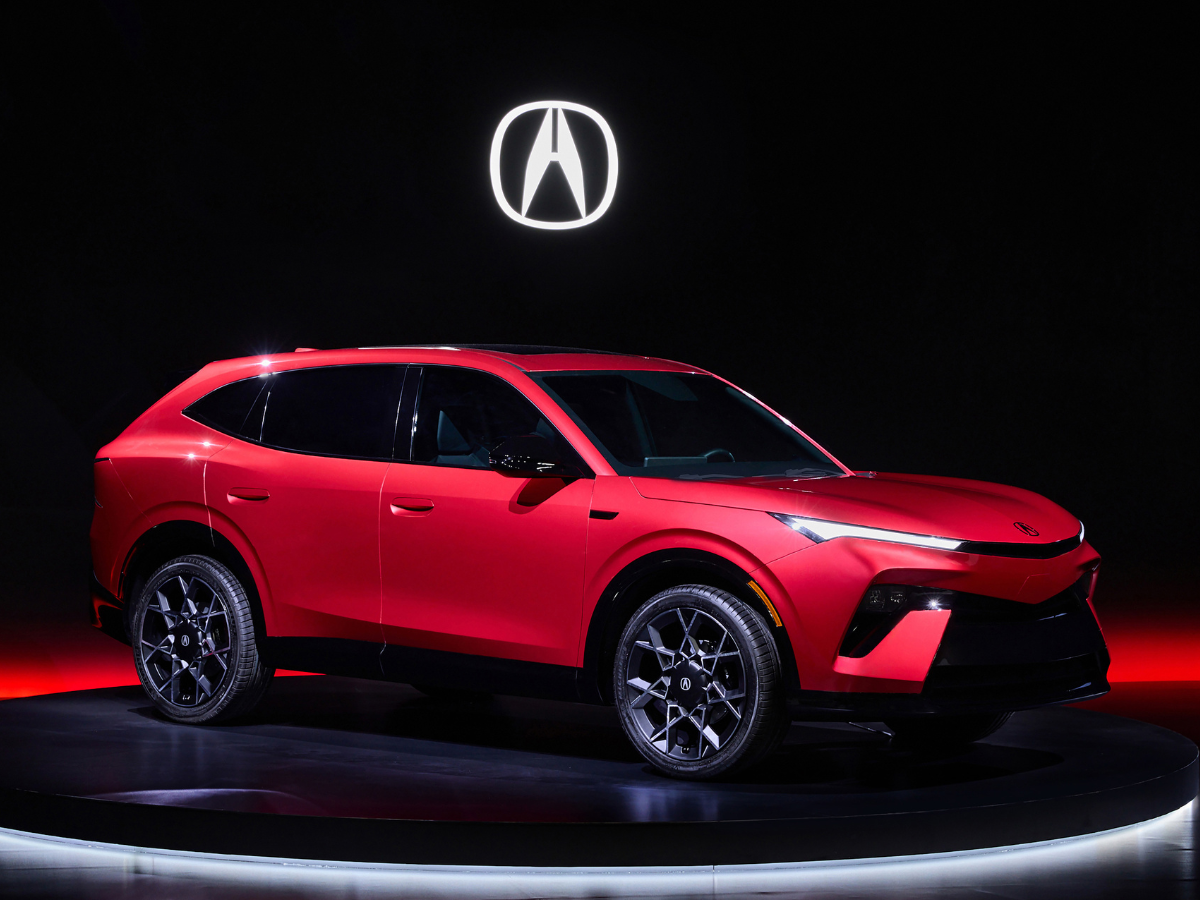
Honda may not have directly said the words “next-generation HR-V,” but its latest global business briefing strongly points to the compact crossover heading toward a major redesign by 2028. It even showcased a crossover prototype under the banner of its premium brand Acura, which hinted at an upcoming new-generation Acura RDX, the upmarket twin of the HR-V. For longtime followers of Honda, the clues are hard to ignore.
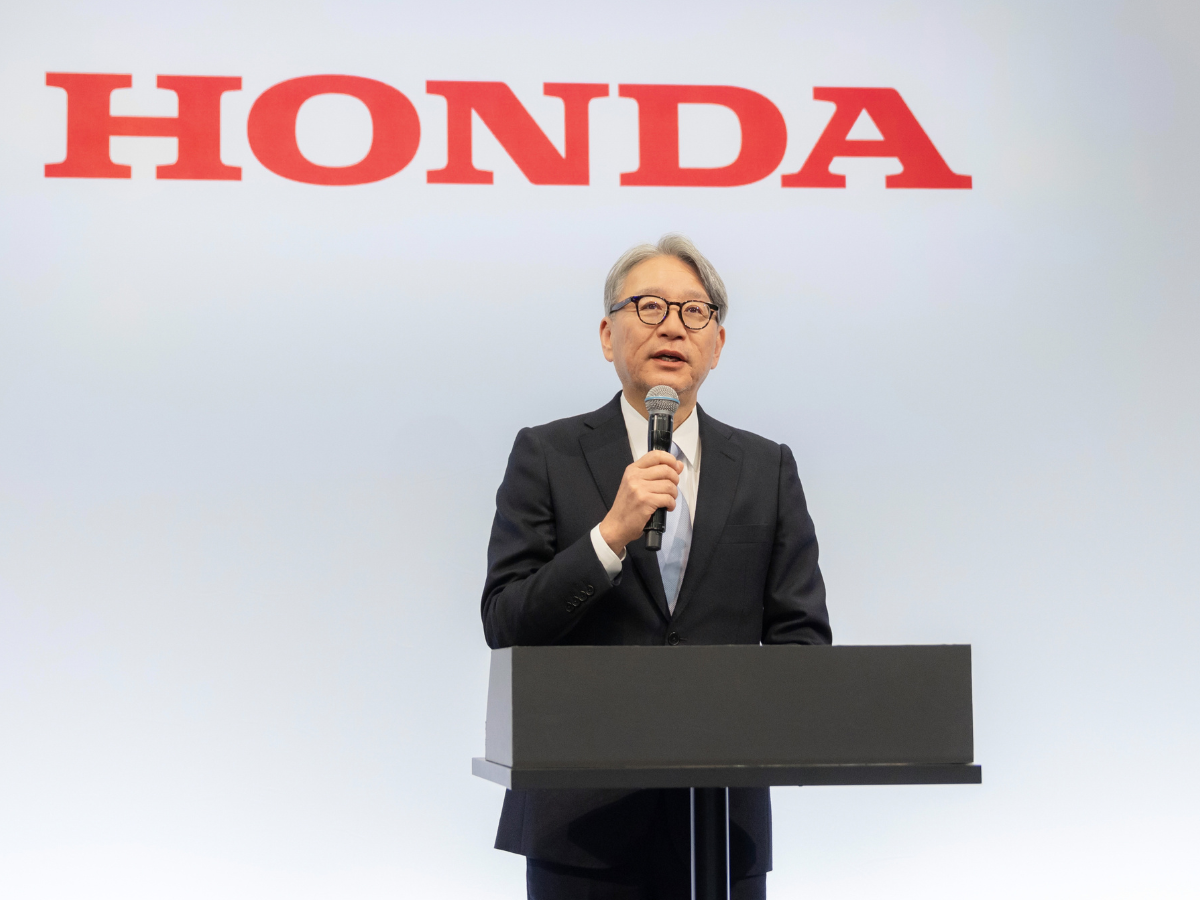
During its recent strategy presentation, Honda confirmed that an “all-new Vezel” will be one of the first models in Japan to receive the company’s next-generation hybrid system and advanced driver assistance technologies beginning in 2028. In many markets around the world, including parts of Asia, the Vezel is essentially sold as the Honda HR-V. That single announcement may have quietly revealed the timeline for the crossover’s next big step.
Honda also confirmed that it is preparing an entirely new wave of hybrid vehicles under a fresh platform architecture starting in 2027. The company plans to launch 15 next-generation hybrid models globally before 2030, signaling a renewed focus on electrified vehicles that still retain gasoline engines. For the HR-V, that could mean a significant leap not just in fuel efficiency, but also in refinement, technology, and overall packaging.

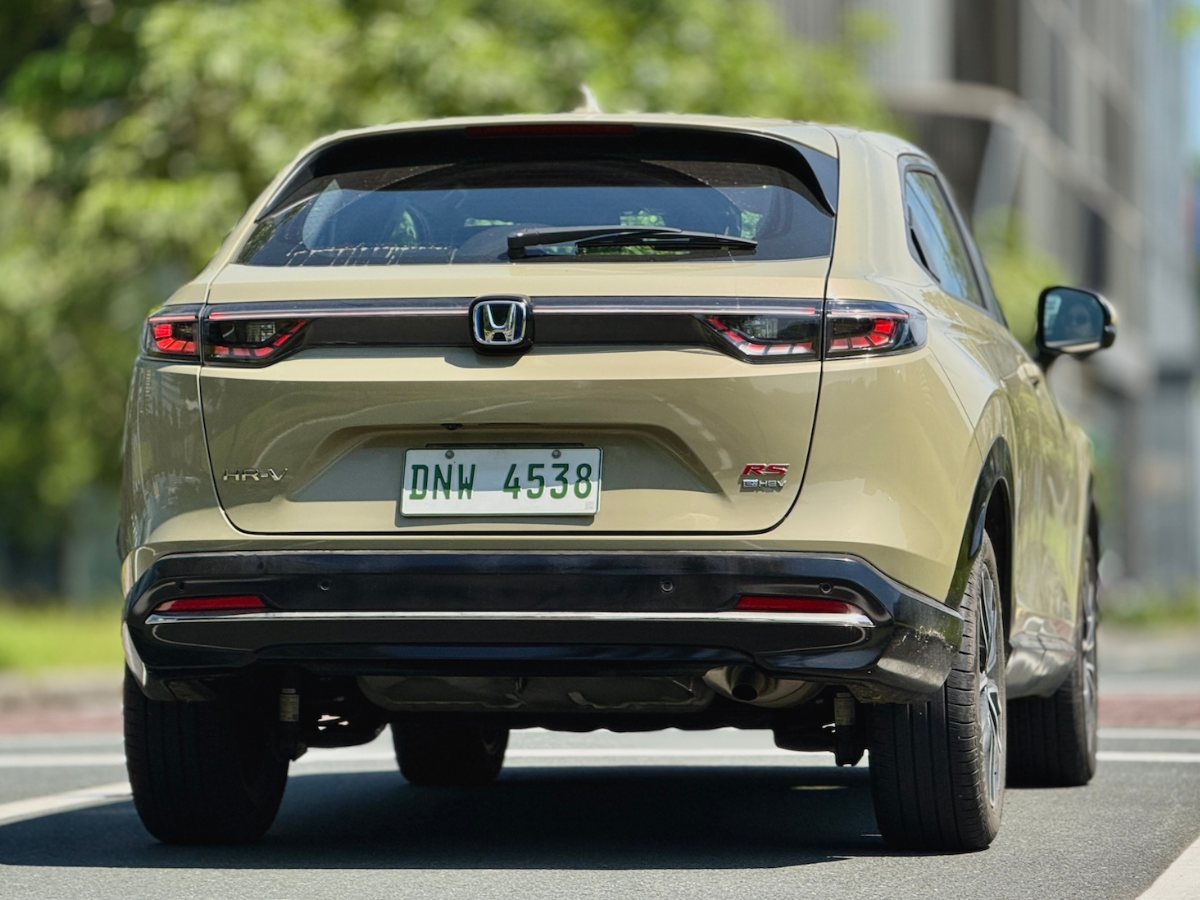
The current HR-V has already established itself as one of Honda’s most important global products. In markets like the Philippines, the crossover has become a familiar sight thanks to its balance of practicality, city-friendly dimensions, and elevated driving position.
But competition has intensified rapidly in recent years, especially with newer rivals arriving with larger screens, more advanced safety systems, and stronger hybrid offerings. A 2028 arrival would give Honda an opportunity to reset the segment once again.
Based on Honda’s latest direction, the next-generation HR-V could adopt a more sophisticated hybrid powertrain, improved software integration, and expanded driver assistance features. There is also a possibility that Honda could further separate the HR-V from the larger CR-V in terms of styling and positioning, giving the smaller crossover a more youthful and urban-focused identity.
Of course, Honda has not officially revealed the vehicle itself yet, nor has it confirmed global market launch timing beyond Japan’s mention of the all-new Vezel in 2028. Still, the company’s own presentation now provides the clearest indication yet that a new HR-V era is already taking shape behind the scenes. For Honda fans waiting for the next big evolution of the HR-V, 2028 may now be the year to watch.
Autocar’s Take
Honda’s latest briefing may have focused heavily on hybrids and corporate restructuring, but the mention of an “all-new Vezel” essentially became one of the most interesting parts of the presentation. Today, the HR-V is still one of Honda’s strongest global products, especially in the Philippines where compact crossovers continue to dominate sales.
If the 2028 timeline holds solid ground, Honda may be positioning the next-generation HR-V as a more advanced hybrid-focused crossover, as opposed to a mild update. That could be a smart move. Buyers today are demanding better efficiency, smarter technology, and stronger safety features without fully committing to EV ownership just yet.