
In the rush for impressions, auto shows risk sidelining the very voices that actually influence buying decisions.
Walk into any major auto show today—especially something on the scale of the Manila International Auto Show—and you’ll feel the shift immediately. Cameras aren’t confined to tripods behind a media barrier anymore. They’re handheld, on gimbals, streaming live, chasing angles in real time. The audience isn’t just looking at the cars. They’re watching the people covering them.
And in that shift, the way we measure reach has changed—and, in many cases, been misunderstood.
Let’s put numbers on the table.
A large-scale auto show in the Philippines can generate anywhere from 5 million to 25 million in cumulative reach through traditional media alone. That includes newspapers, television, and digital news platforms. These figures aren’t pulled out of thin air—they’re anchored on circulation data, broadcast audience numbers, and real website analytics from established publications.

Put a story on the front page of a national broadsheet or land a segment on primetime TV, and you’re speaking to hundreds of thousands—sometimes millions—in a single hit. Scale that across multiple outlets covering the same event, and you’re easily looking at media values in the range of P20 million to P100 million in earned exposure.
Now stack that against influencers and vloggers.
On paper, they dominate. No argument there.
A mid-tier automotive vlogger with 300,000 subscribers can pull 50,000 to 300,000 views per upload. The bigger names can break past a million if the algorithm cooperates. Multiply that by dozens of creators posting across YouTube, Facebook, TikTok, and Instagram, and you’re staring at 10 million to 100 million impressions—sometimes even more.
It’s immediate. It’s aggressive. It’s everywhere.
But here’s where the conversation needs to level up.
Because reach isn’t influence.
Traditional media may not flood the feed the same way, but it delivers something influencers can’t replicate overnight—credibility, context, and intent.
When a motoring journalist writes a feature or a review, it carries weight. It’s backed by years—often decades—on the beat, technical understanding, and editorial accountability. Names like Manny de los Reyes, Ulysses Ang, Vince Pornelos, and Tessa Salazar didn’t build their reputations overnight. These are journalists with over two decades—some even longer—of covering the industry, driving everything from entry-level cars to high-performance machines, and understanding the business behind the badge.
When they write, people listen—not because of hype, but because of history.
Readers don’t just skim their work. They weigh it. And more often than not, they act on it. That matters.
Especially in a market like the Philippines, where buying a car isn’t an impulse decision—it’s one of the biggest financial commitments a household will make. This isn’t driven by a viral clip. It’s guided by trust, by reputation, by information that holds up long after the algorithm has moved on.

And this is where traditional media quietly does its job best.
One well-placed, well-written article can influence someone who’s already in the market—a fleet buyer, a business owner, even a procurement officer. These are people making decisions, not chasing trends. And yes, they still read.
Influencer content plays a different role.
It drives attention. It builds buzz. It fills the venue. It can make a car look like the next big thing in under a minute—and there’s real value in that, especially for brands trying to stay visible in a younger, digital-first audience.
But that kind of content has a short shelf life. Algorithms move fast. Feeds refresh even faster.
What trends today is forgotten tomorrow.
Traditional media lingers.
Articles stay searchable. Reviews get revisited. Features get cited. Weeks—even months—later, they’re still shaping decisions, especially for buyers doing their homework before signing anything. Heck, you can still pull up pieces by Ulysses Ang from 15 years ago—and they’re not just there, they’re still relevant.
So where does that leave auto shows? Right where they should be—somewhere in between.
The strongest events today aren’t choosing between traditional media and influencers. They’re using both properly.
Influencers bring the crowd. Traditional media brings the credibility.
One creates the noise. The other builds the narrative.
The problem starts when organizers confuse one for the other.
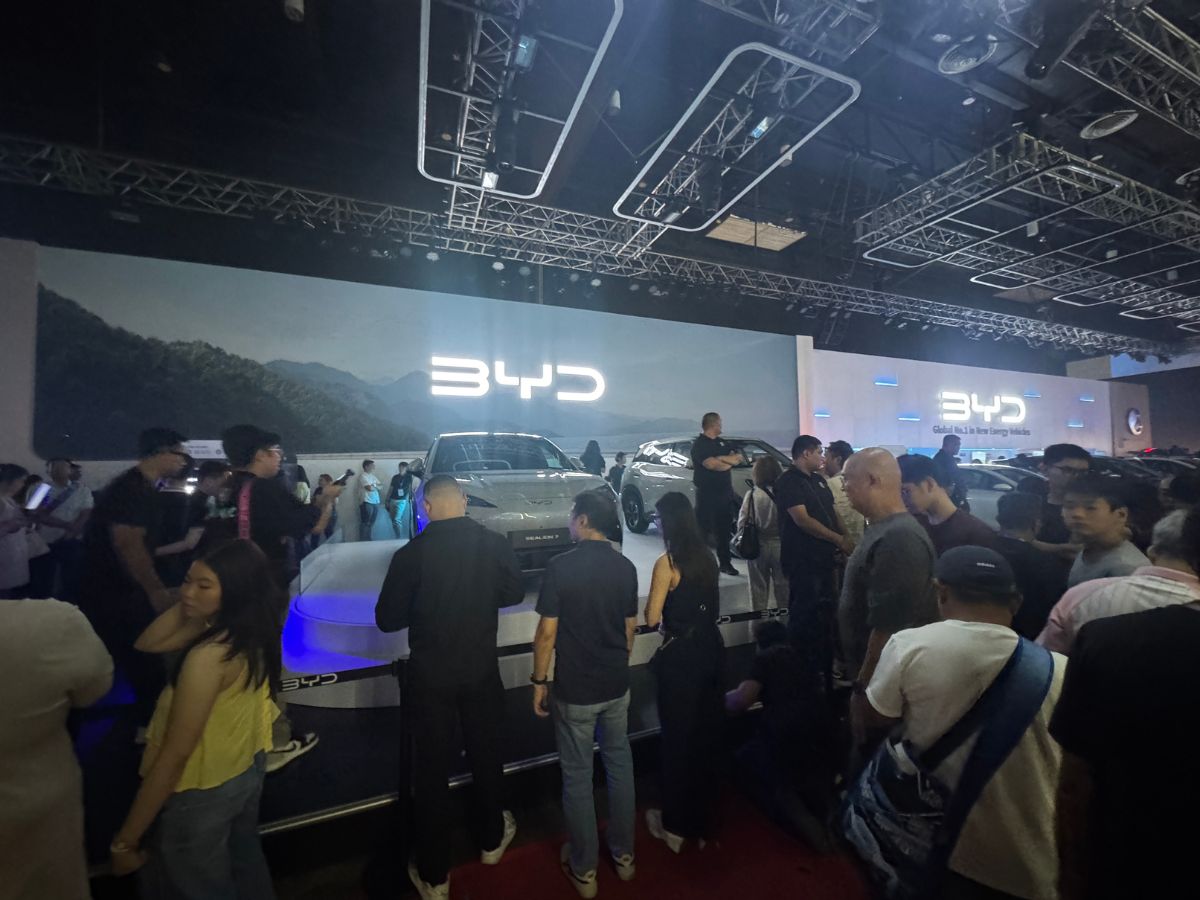
When access tilts too far toward content creators chasing views, and the working conditions for media become secondary, the balance breaks. Coverage gets thinner. Context disappears. And the people tasked with explaining the industry are left fighting for space—sometimes literally.
We’ve all seen it happen.
Which brings up a simple question: are auto shows still chasing reach—or are they starting to lose sight of relevance?
Because impressions don’t close deals.
People do.