
The Toyota Tamaraw has surged to the top of the Philippine MPV and light-commercial vehicle segment, becoming the best-selling model in its class only months after its market debut. Industry data shows that in October, Toyota captured 50.99% of the entire Philippine automotive market, with the Tamaraw emerging as one of the strongest volume drivers behind the brand’s record-setting performance.
Launched earlier this year as the reborn version of an iconic Filipino nameplate, the Tamaraw quickly gained traction among small businesses, fleet operators, transport groups, and provincial buyers looking for a durable, flexible, and affordable utility vehicle. Its rapid rise stands out in a segment long dominated by Japanese and Chinese MPVs, shifting buyer preferences back toward locally assembled, commercial-leaning workhorses.
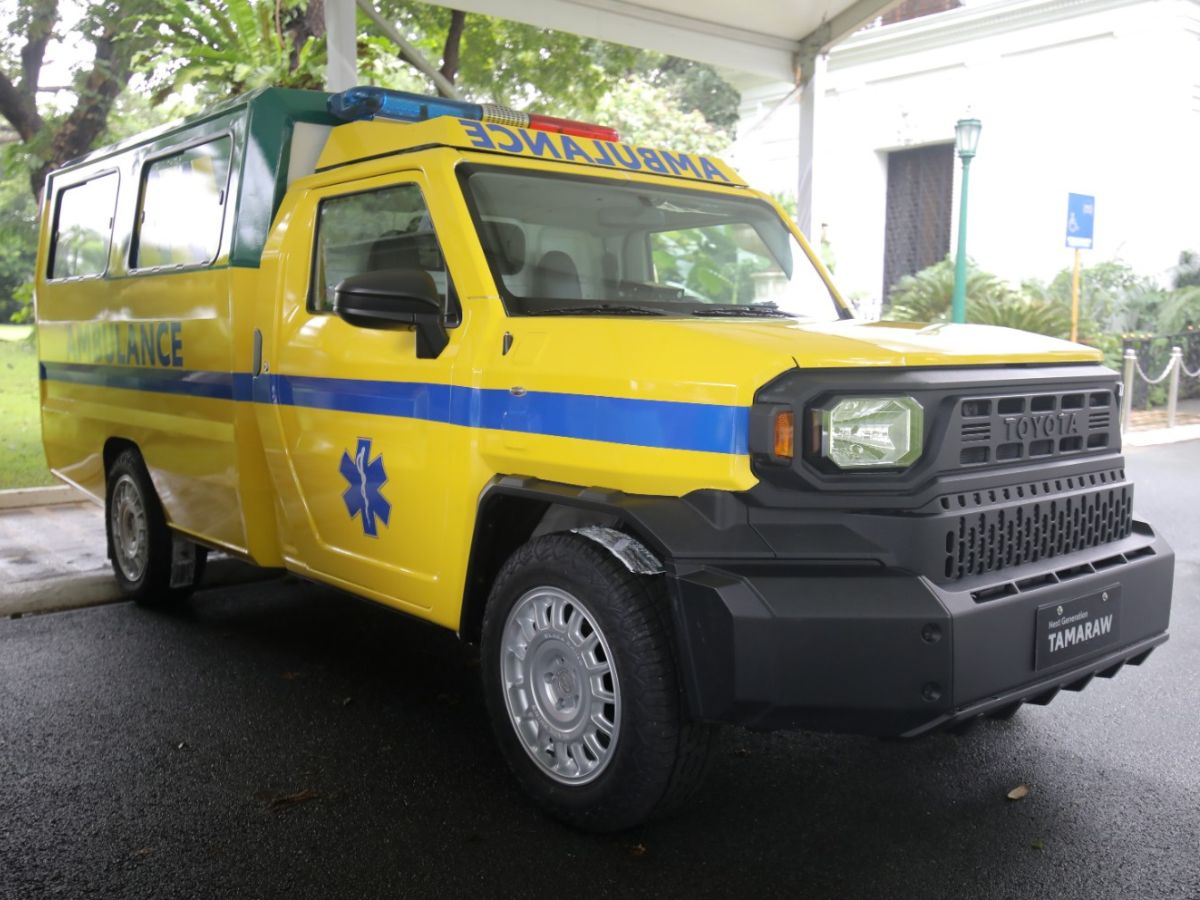
The Tamaraw is manufactured at Toyota Motor Philippines’ (TMP) Santa Rosa plant—part of the company’s renewed investment program to expand local production and supply chain capability. Its arrival marked the return of the IMV-based utility platform to the mass-market commercial segment, offering multiple body configurations such as cargo van, utility van, and dropside variants.

With pricing positioned between budget MPVs and larger light trucks, the Tamaraw has become an attractive option for entrepreneurs and cooperatives looking for a practical mobility solution. The model’s combination of utility-first design, familiar mechanical components, and Toyota’s nationwide aftersales support has helped push it ahead of newer Chinese competitors and long-established Japanese rivals.
TMP’s strong October results—over 20,400 units sold—underline the momentum behind the Tamaraw and the brand’s commercial vehicle lineup. While Toyota’s 50.99% market share covers all segments, not just MPVs, industry observers point out that the Tamaraw’s contribution to the light commercial category is significant enough to reshape the market distribution in its early months on sale.
Despite being marketed as a multi-purpose vehicle, the current Tamaraw lineup leans heavily toward commercial usage. However, Toyota has confirmed it is evaluating additional body styles, including a five-door passenger-oriented wagon reminiscent of the Tamaraw FX of the 1990s—an upgrade that could further expand its appeal and consolidate its leadership in the segment.
For now, the Tamaraw’s rapid ascent reflects a broader shift in buyer preference toward practical, durable, and cost-efficient mobility platforms amid rising operating expenses nationwide. With strong demand from both urban and provincial markets, the Tamaraw has re-established itself as one of Toyota’s most influential models—again proving that a Filipino automotive icon still has the power to dominate modern roads.