

There is a warning hidden in PADA’s August 2026 numbers.
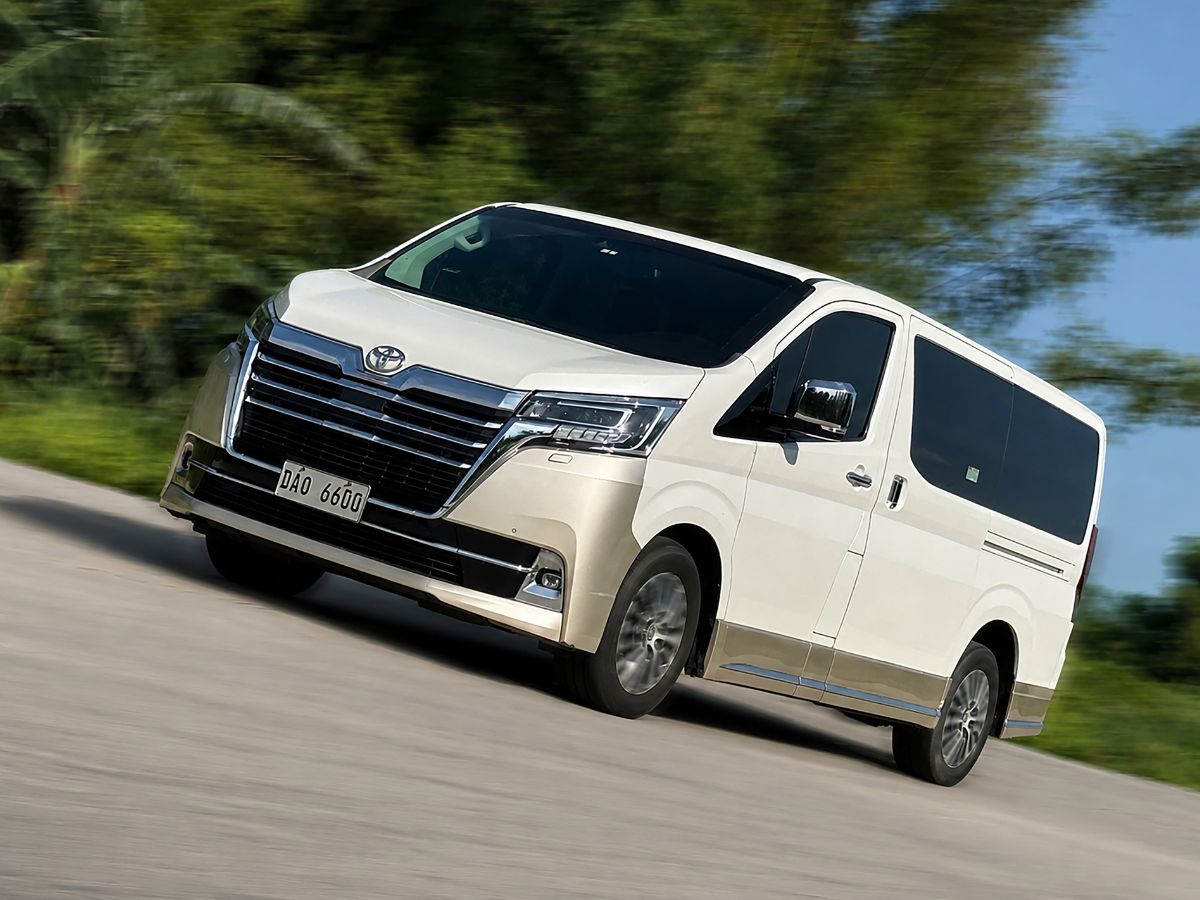
It is not about who sold the most. We already know that. Toyota remains overwhelmingly dominant, accounting for 44.99 percent of the combined passenger car and commercial vehicle market through August, with 133,300 units. Mitsubishi follows at 15.60 percent.
The more interesting question is: who is growing?
And that is where the established order starts looking less comfortable.
Toyota’s August growth rate was -14.27 percent. Mitsubishi was down 47.98 percent. Suzuki dropped 28.84 percent, Ford 39.26 percent, Nissan 52.32 percent, Isuzu 39.04 percent and Honda 29.59 percent.
These are not small corrections.
At the other end of the table, Geely posted 289.42-percent growth, Jetour 247.26 percent, Omoda & Jaecoo 573.13 percent, Chery 119.57 percent, GAC 490 percent, BMW 203.03 percent and Lexus 122.50 percent. PADA August 2026.pdf
Of course, percentages need context. A small brand can post triple-digit growth simply because its previous volume was tiny. That does not suddenly make it a market leader.
But dismissing these numbers because of the low base would also be a mistake.
Geely, for example, went from single-digit monthly passenger-car sales early in the year to 514 units in August. Its year-to-date passenger-car volume reached 1,270. PADA August 2026.pdf
Omoda & Jaecoo reached 902 combined units in August, while its year-to-date total reached 3,732. PADA August 2026.pdf
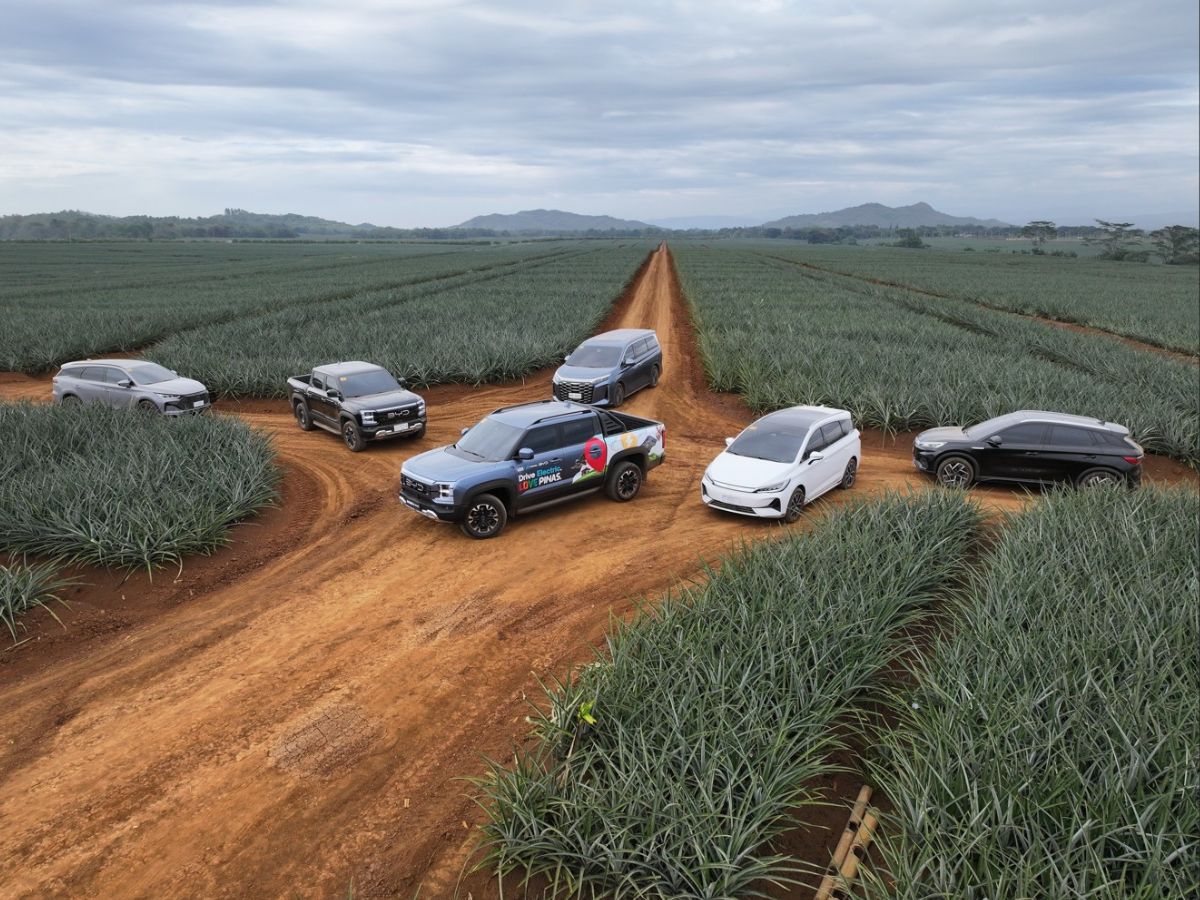
Meanwhile, BYD has already accumulated 23,697 units, representing an 8-percent share of PADA’s combined market.
This is the part the traditional players should be watching.
The Philippine market is not simply becoming a battle between Japanese and Chinese brands. It is becoming a battle between brands that are adapting quickly and those relying on historical strength.
Toyota’s 44.99-percent share is an enormous competitive advantage. But market leadership can hide a vulnerability: when you are already on top, maintaining volume becomes much harder than growing from a small base.
The new players have a different problem. They have to convert spectacular growth rates into sustained volumes, build dealer networks, establish after-sales confidence and convince buyers that they will still be here years from now.
So neither side has an easy road.
But PADA’s August numbers make one thing clear:
The Philippine automotive market is no longer standing still.
The established brands may still own the market.
But the challengers are beginning to own the growth.
And in a market undergoing this kind of transition, today’s market share is not necessarily tomorrow’s market power.