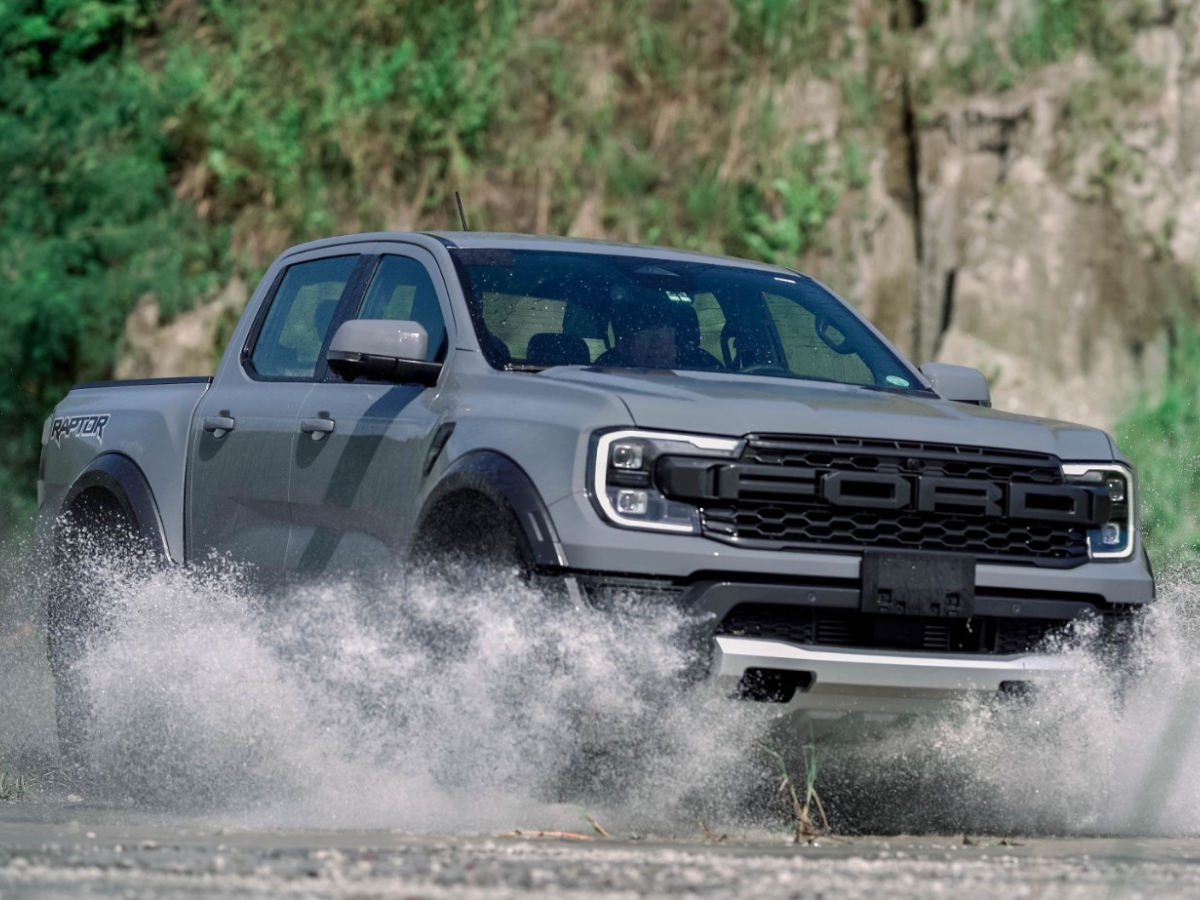

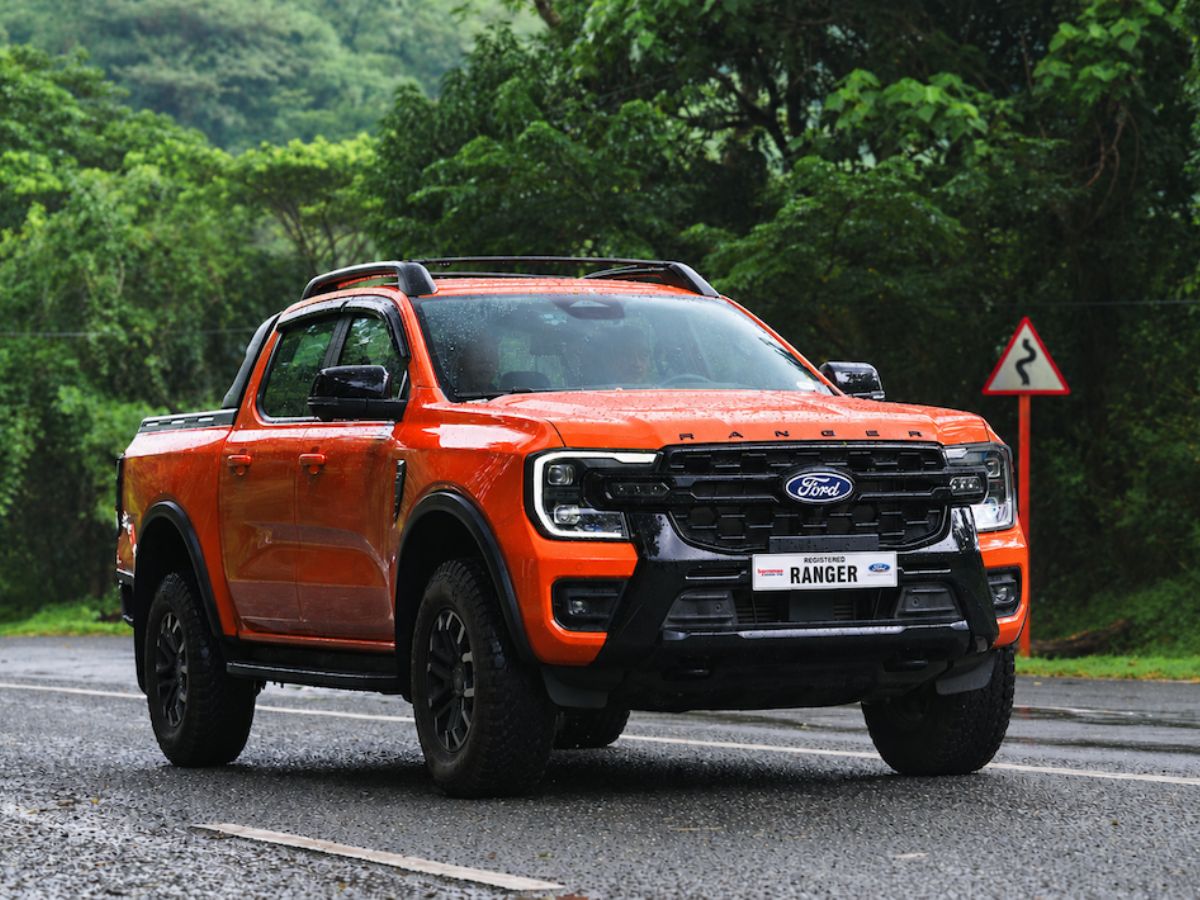
Ford has already started looking beyond the current Ranger, with the next generation of its global pickup now in the early stages of development in Australia.
The news is significant as the Ranger is not simply another model in Ford’s global portfolio. Australia remains the center of expertise for the Ranger program, with a 1,500-strong Ford operation that includes around 1,000 people involved in product development. The team has been responsible for developing the current Ranger and its predecessors, along with the closely related Everest.
Ford Australia president and CEO Fadi Mawal confirmed that work on the next Ranger is already underway, although the company has yet to disclose details about the vehicle itself. The new pickup is expected around 2030, giving the current-generation Ranger plenty of time to continue evolving before its replacement arrives.
That long runway also gives Ford an opportunity to rethink what a midsize pickup should be in an increasingly electrified market.

The current Ranger has already moved beyond conventional diesel and petrol powertrains in some markets. Ford introduced the Ranger Plug-in Hybrid Electric Vehicle, pairing a 2.3-liter turbocharged petrol engine with an electric motor while retaining a 3,500kg towing capacity. Ford says its next generation of products will increasingly use multi-energy solutions.
However, an all-electric Ranger is far from confirmed. Ford executives have said current battery technology does not yet provide the combination of range, towing ability and overall capability expected by Ranger customers, particularly in demanding environments. That leaves room for hybrid and plug-in hybrid technology to remain important as Ford develops the next model.
There is another thing behind the story, too. Ford CEO Jim Farley previously raised concerns about the cost of engineering vehicles in Australia, particularly compared with lower-cost development locations. Ford and the Australian government remain in discussions about preserving the country’s role in future vehicle development.
For Filipino pickup buyers, this is worth watching closely. The Ranger is already a familiar sight on Philippine roads, from city streets to provincial highways and construction sites. Ford Philippines also sells the Ranger across several variants, making developments in the global program relevant to our market even if local specifications and launch timing are still unknown.
For now, there is no confirmed design, engine lineup or Philippine arrival date for the next Ranger. What we do know is that Ford has started laying the groundwork for the pickup’s next generation—and Australia remains deeply involved in that process.

Autocar’s Take
The next Ranger is still several years away, but Ford’s decision to begin development this early shows how important the pickup remains to the company’s global strategy. The interesting part will be how Ford balances electrification with the durability, towing capability and practicality expected from a Ranger. The existing model has already expanded into hybrid territory, so its successor will likely face even greater pressure to reduce emissions without compromising its traditional strengths.
For the Philippines, the development is worth following because the Ranger remains a significant player in our pickup market. What eventually arrives here, however, will depend on Ford’s final global strategy and local requirements.