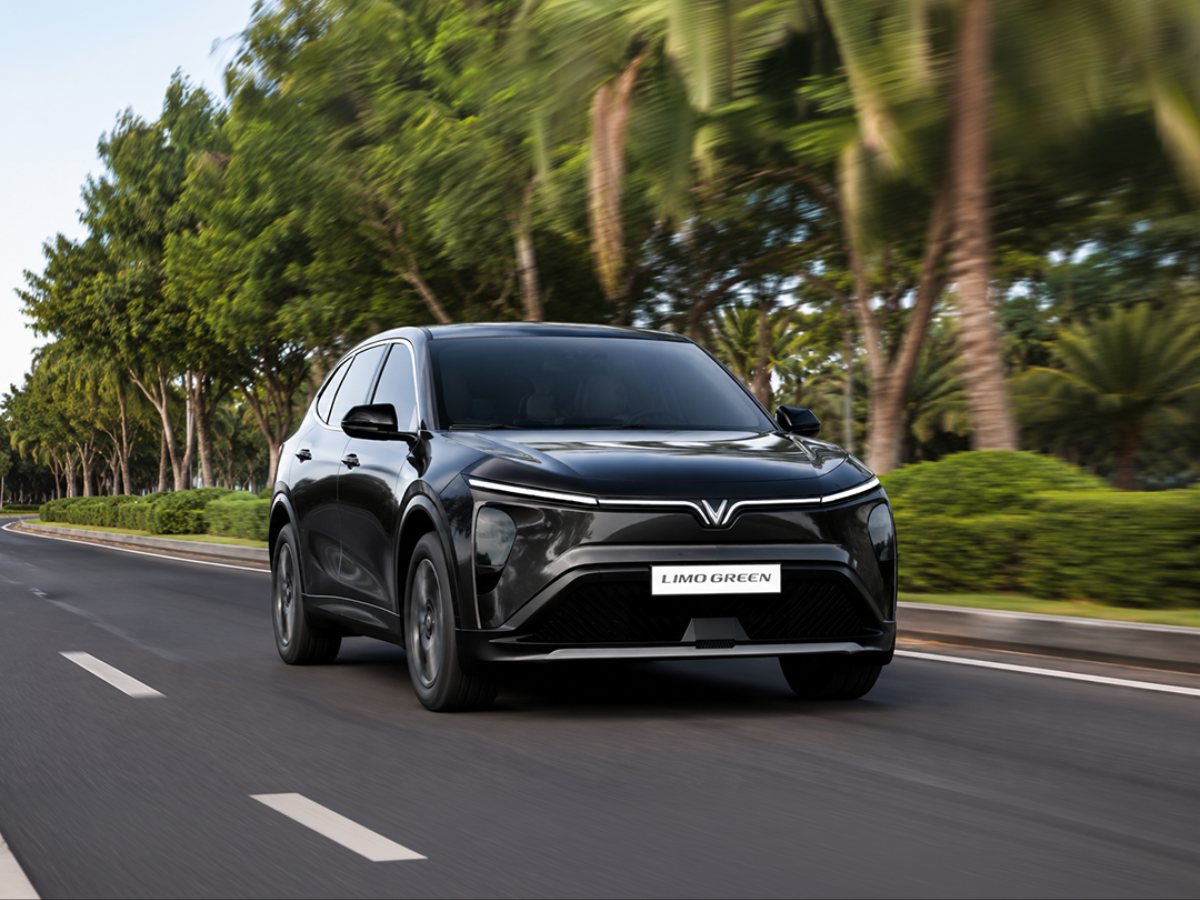

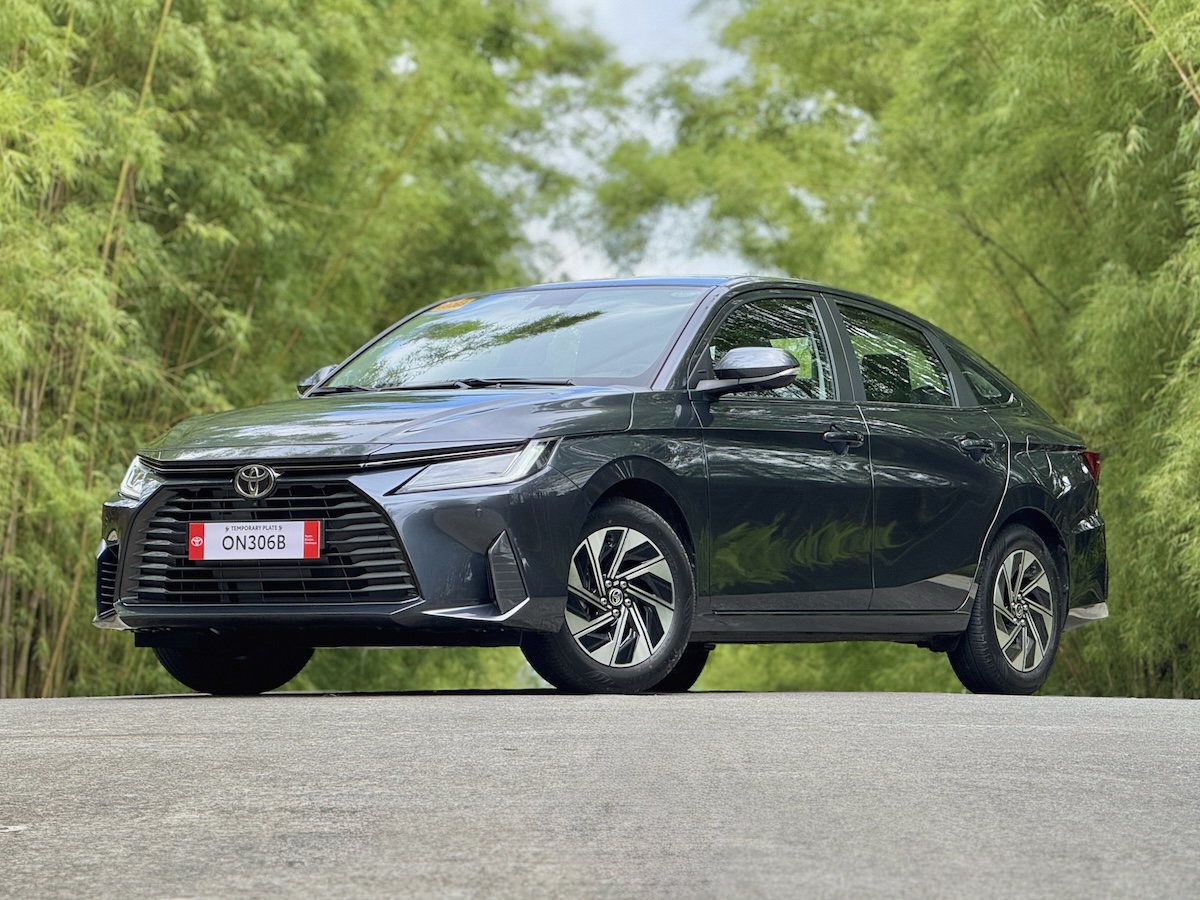
For most Filipinos, buying a brand-new car is a major investment. With a variety of options available today, it’s important to look beyond exterior design or brand reputation. Making a smart purchase means evaluating key factors that not only affect the price you pay today, but also the long-term ownership experience. With this in mind, here are 8 essential things to consider when buying a brand new car.
Budget and total cost of ownership
First, set a clear, realistic budget. Consider not just the vehicle’s retail price, but also additional expenses that come with ownership; insurance, registration, fuel, parking, maintenance, among others. If you’re planning to finance your purchase, consider the total cost of the loan, including interest. Understating the complete cost helps prevent financial strain in the future.
Purpose
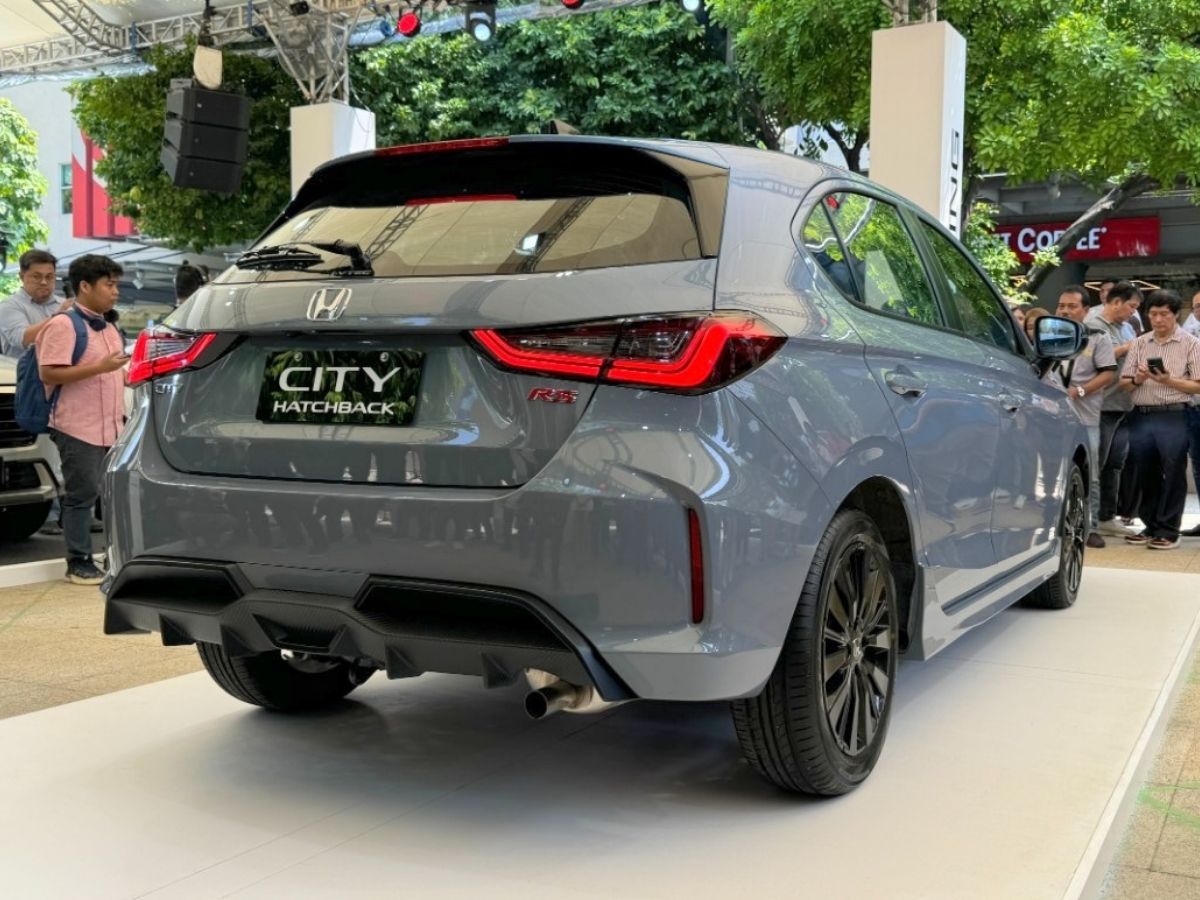
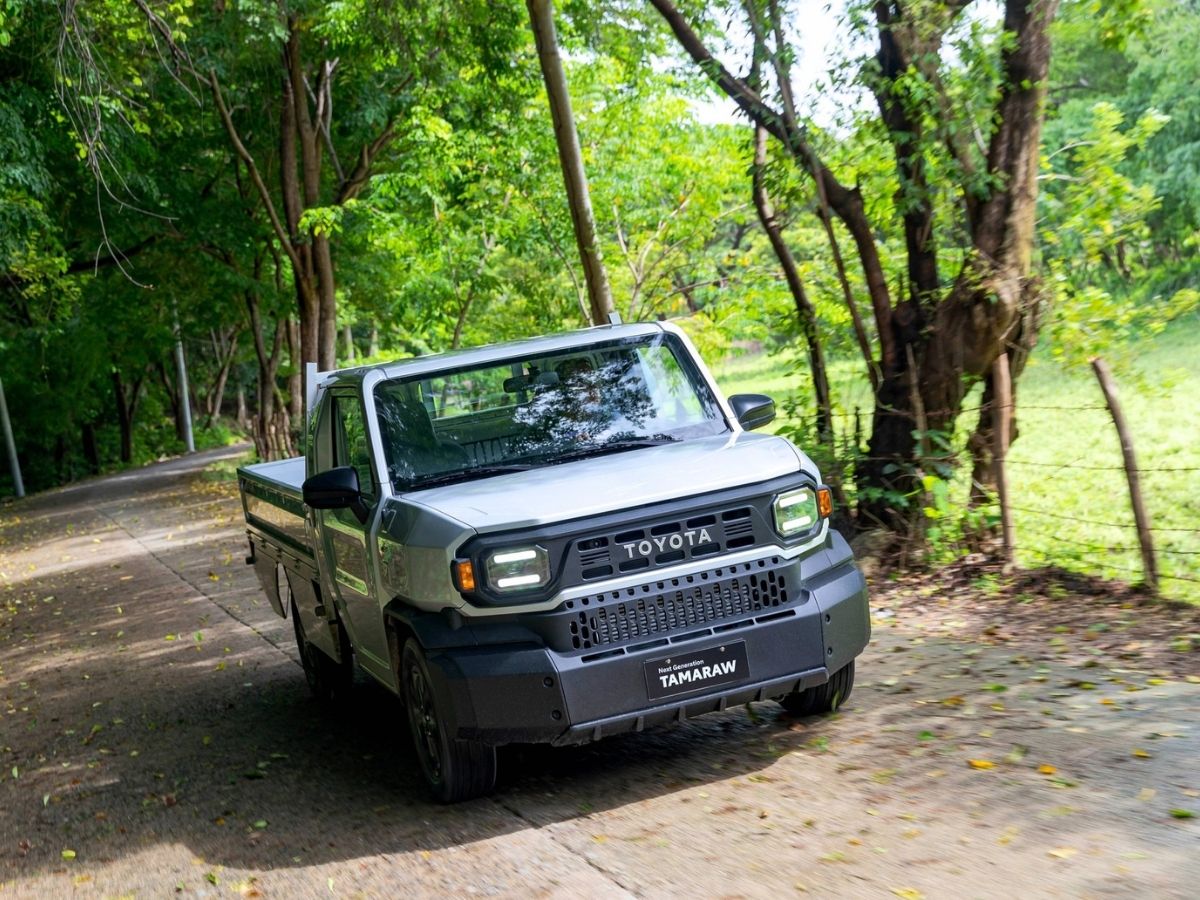
Your intended use should guide your vehicle choice. For city driving or daily commutes, a compact sedan or a hatchback offers better maneuverability and fuel economy. Families may prefer SUVs or MPVs for their space and comfort, while business owners might consider pickups or light commercial vehicles for cargo needs. Matching your vehicle’s capabilities with your lifestyle ensures practicality and satisfaction.
Fuel efficiency
Fuel economy remains one of the biggest considerations for Filipino car buyers. Gasoline-powered cars are quieter and smoother, while diesel vehicles are known for their better mileage and torque. Electrified vehicles are also becoming more common locally, offering environmental benefits and reduced running costs. Consider options that balance performance and economy that match your driving habits.
Size and practicality
Size matters, especially in urban settings where parking and traffic are daily challenges. Compact cars are easier to maneuver and park, while larger vehicles offer more seating and cargo capacity. Practicality should always come before aesthetics. Consider your parking space, family size, and travel habits before choosing a model.
After-sales support
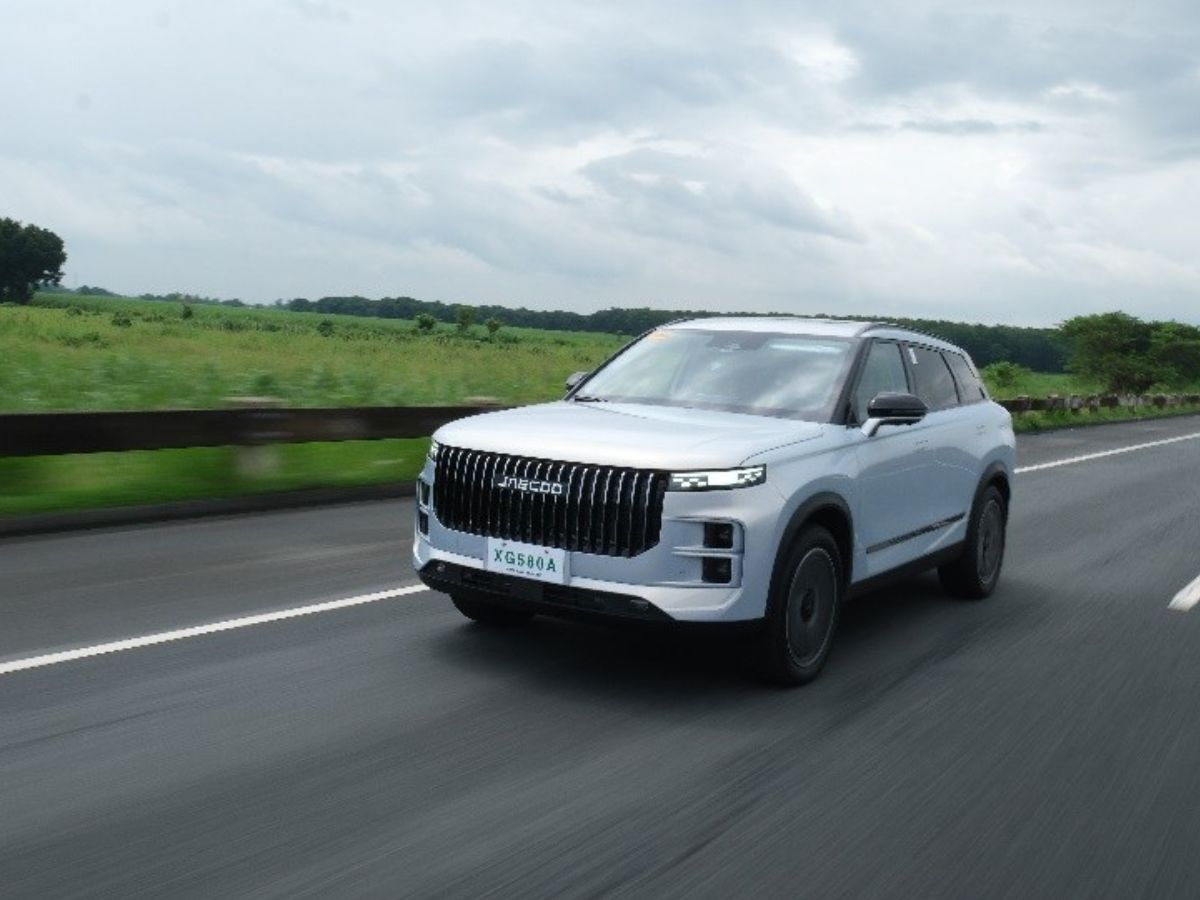
A reliable vehicle backed by solid after-sales service provides peace of mind. Choose a brand with a proven record of reliability and accessible parts. Check the number of authorized service centers in your area, especially if you live outside major cities. A brand with good local support helps ensure convenience when maintenance or repairs are needed.
Safety features
Modern cars offer a wide range of safety technologies, but even the most basic models should have airbags, anti-lock braking systems (ABS), and electronic stability control (ESC). Some newer vehicles come with advanced driver-assist features such as lane-departure warnings, adaptive cruise control, and blind-spot detection, among others. Prioritize safety features that protect occupants and pedestrians.
Warranty and maintenance
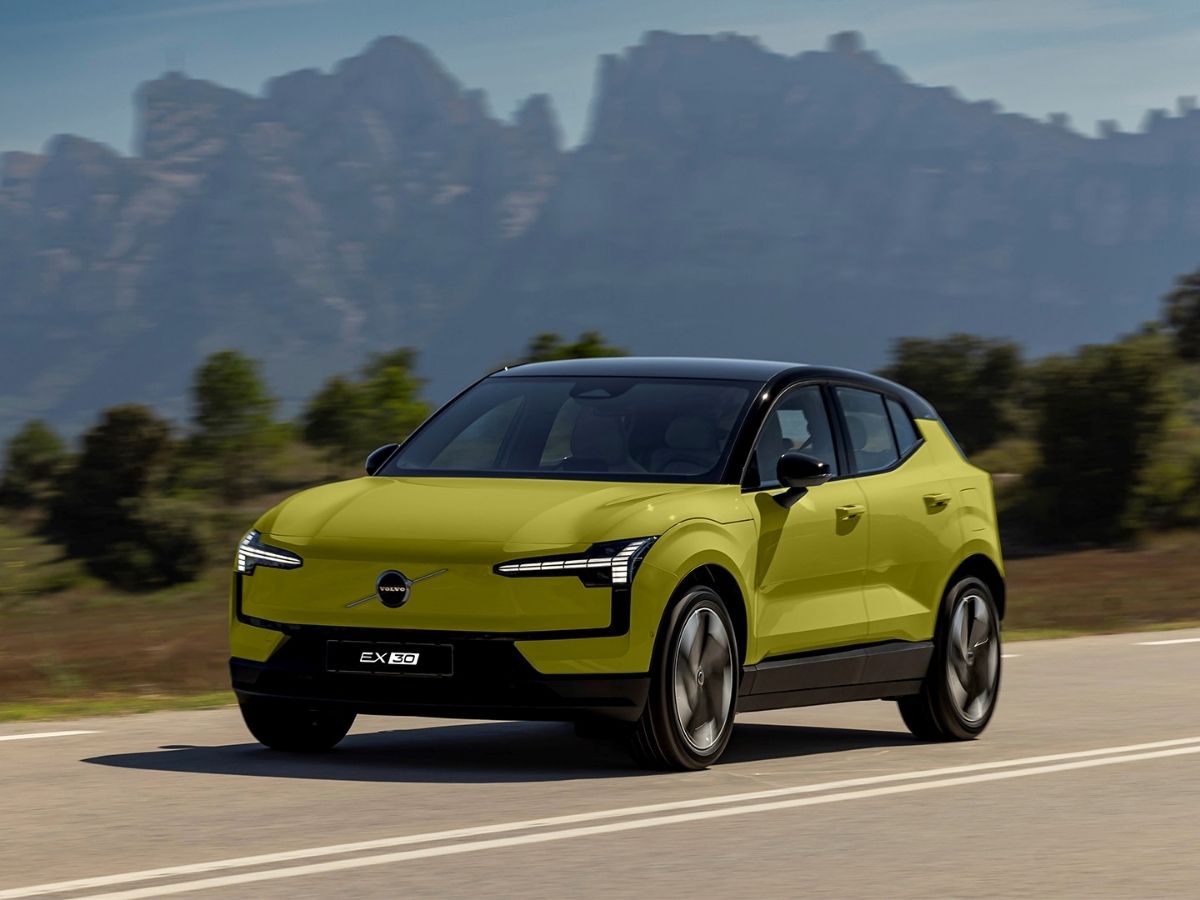
A comprehensive warranty can save you the trouble of dealing with costly repairs during the early years of ownership. Most car manufacturers in the Philippines offer three to five years of warranty coverage. Some also include free preventive maintenance services (PMS) packages, which reduce upkeep costs and ensure regular vehicle care.
Resale value
Cars depreciate over time, but some retain their value better than others. Brands known for reliability and popularity, such as Toyota, Honda, and Mitsubishi, tend to have strong resale value in the used car market. If you plan to upgrade your vehicle ownership experience in a few years, choosing a model with strong resale value can help you recoup a significant portion of your investment.
However, this is a case-by-case basis, as some vehicle owners don’t consider selling their cars, intending to keep them maintained as their forever rides or as gifts for their next generation. But for some owners who choose to sell their vehicles in the long run, a car’s resale value is an important consideration.