
The Department of Trade and Industry (DTI) said that the Philippine government is working to reduce tariffs on banana exports to Japan. In exchange, the DTI shared that the PH government is open to lowering duties on Japanese cars with engine displacements smaller than 3.0 liters.
Under the current Japan-Philippines Economic Partnership Agreement (JPEPA), Philippine bananas face tariffs in Japan ranging from eight percent during the summer season to 18 percent in the winter. The Philippine government is negotiating to bring these tariffs down to zero, making PH-sourced bananas duty-free, as stated in a report published by the Philippine Daily Inquirer.
According to the Japan International Cooperation Agency (JICA), Japanese households typically consume about 18 kilograms of bananas per year on average. JICA also shared that Japan imports around 1 million tons of bananas annually, and about 80 percent of which comes from the Philippines.
Back in March 2026, Philippine Ambassador to Japan Mylene J. Garcia-Alban noted the critical role of the banana industry in the Philippines’ economic security, noting that efforts to reduce trade barriers could help ease cost pressures faced by Japanese consumers, particularly during times of global uncertainty.
The DTI added that the PH government is seeking zero tariffs because other banana exporters, such as Thailand and Vietnam, already have zero or lower tariffs when shipping their produce to Japan.
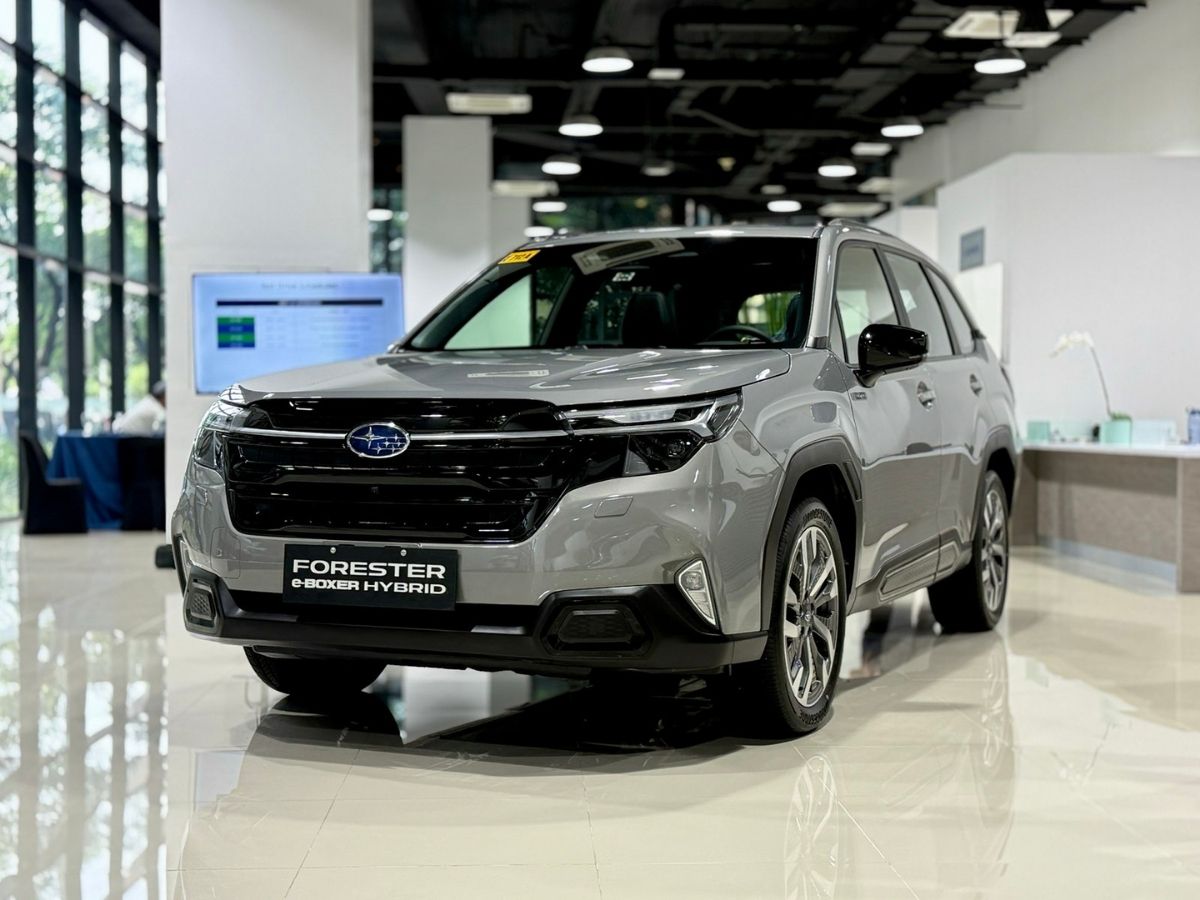
In exchange, the Philippines plans to adjust its import rules on Japanese automobiles. The current JPEPA states that only large vehicles with engine sizes above 3.0 liters enter the country tax-free. Vehicles from Japan with smaller internal combustion engines are still charged a 20 percent tariff, which the PH government is open to lowering or reducing.
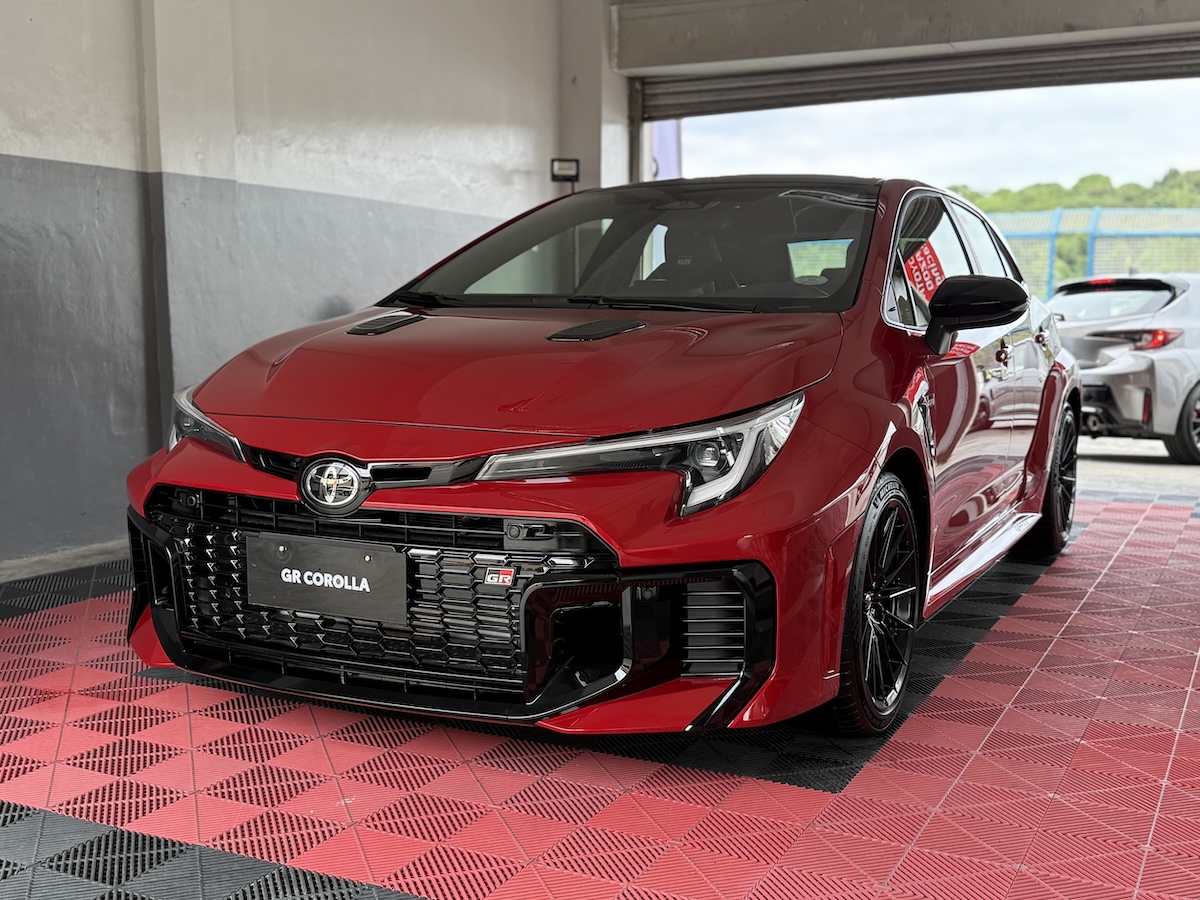
If approved, this would mean that Japanese car brands in the Philippines that source their vehicles in Japan would have more flexibility when it comes to pricing their vehicles. Brands such as Subaru and Mazda would benefit from the deal, while Suzuki could also make the Jimny 3-Door’s price tag more competitive. Toyota GR Models such as the GR Yaris and GR Corolla could have a price cut when the JPEPA is updated.
DTI Secretary Cristina Roque said that the revised JPEPA could be signed in November.
Autocar’s Take
The PH government is seeking to reduce tariffs on banana exports to Japan. In exchange, the DTI shared that the PH government is open to lowering duties on Japanese cars with engine displacements smaller than 3.0 liters. If approved, this would be a huge win for the banana industry, as the PH-sourced bananas could be more competitive than those sourced from Thailand and Vietnam. This could also mean that Japan-sourced vehicles for the Philippine market could have a more competitive price tag.