

For much of the past decade, the global auto industry has framed electrification as an all-or-nothing transition. Yet, recent developments suggest the path forward may be gradual. Proving this is Japanese carmaker Honda, which has recently announced a strategic pivot that emphasizes hybrid electric vehicles (HEV) while scaling back certain battery-electric vehicle (BEV) plans.
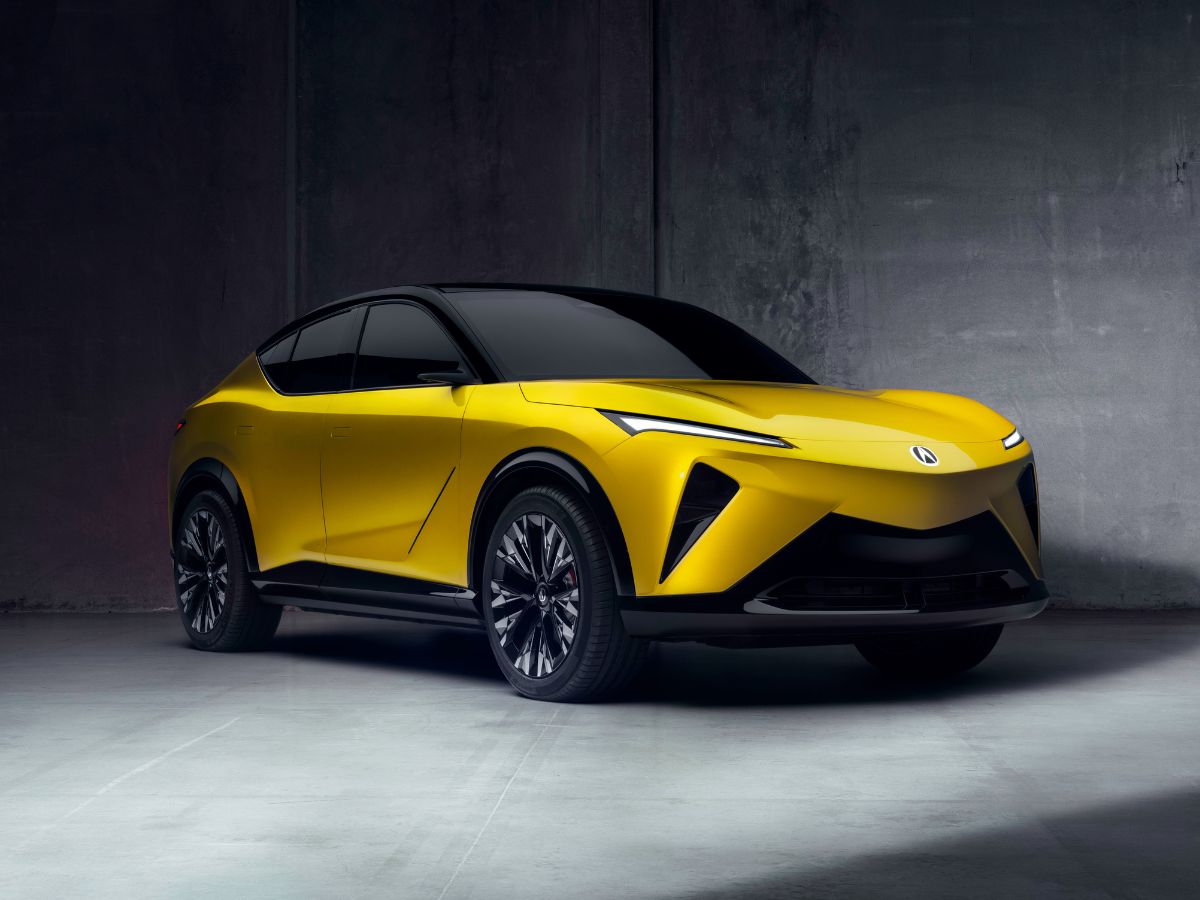
In detail, Honda confirmed it would cancel development and market launch plans for three EV models intended for the North American market: the Honda 0 SUV, the Honda 0 Saloon, and the Acura RSX EV. The decision follows what the company described as a reassessment of the EV market environment and its overall electrification strategy.
According to Honda, the shift is intended to prevent further financial losses tied to projects that no longer align with market realities. These include intensified EV competition in China, slower growth in the U.S. EV market, and shifting industry policies. Honda also pointed to changing trade conditions, including U.S. tariffs that have added pressure on the profitability of some of its gasoline and hybrid models.
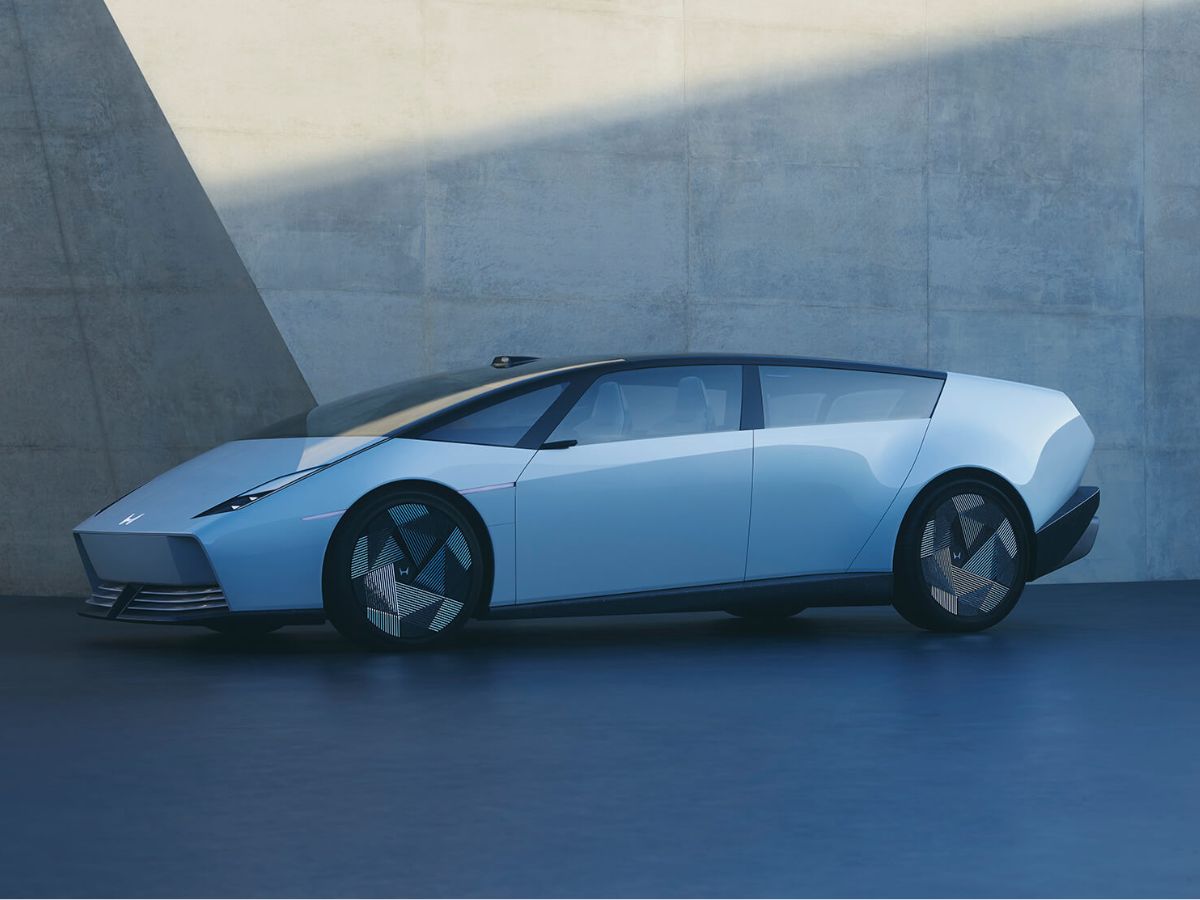
While the decision primarily affects North America, the broader implications of this strategy change extend across Asia, including Southeast Asia and the Philippines. Instead of aggressively pursuing full battery EVs in the near term, Honda will double down on its lineup of hybrid vehicles, which it believes will offer a more practical path to reducing emissions while maintaining affordability and infrastructure compatibility.
This hybrid-first approach is particularly relevant in developing Asian markets. In countries like the Philippines, full EV adoption remains limited by infrastructure challenges, high vehicle prices, and limited charging networks. Hybrids, on the other hand, require no charging infrastructure and deliver measurable reductions in fuel consumption and emissions.
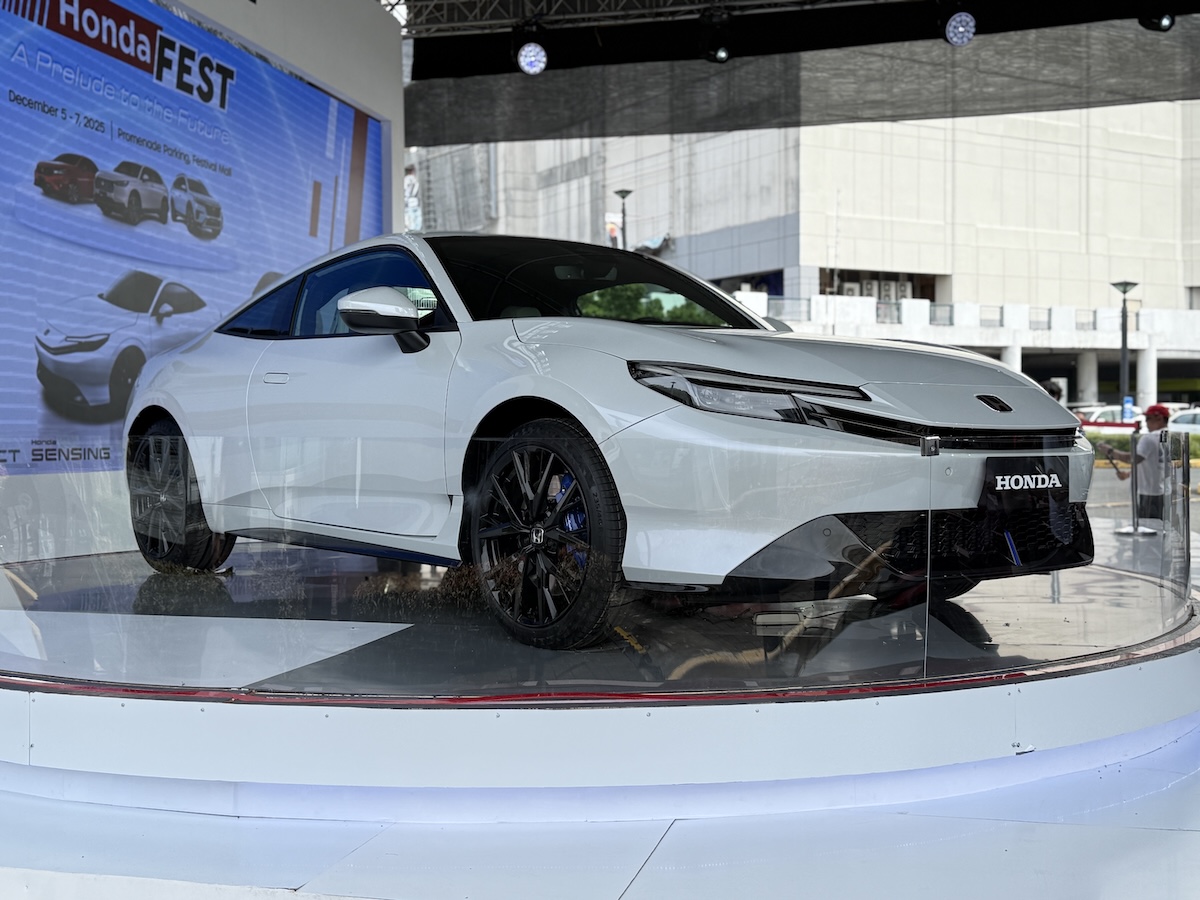
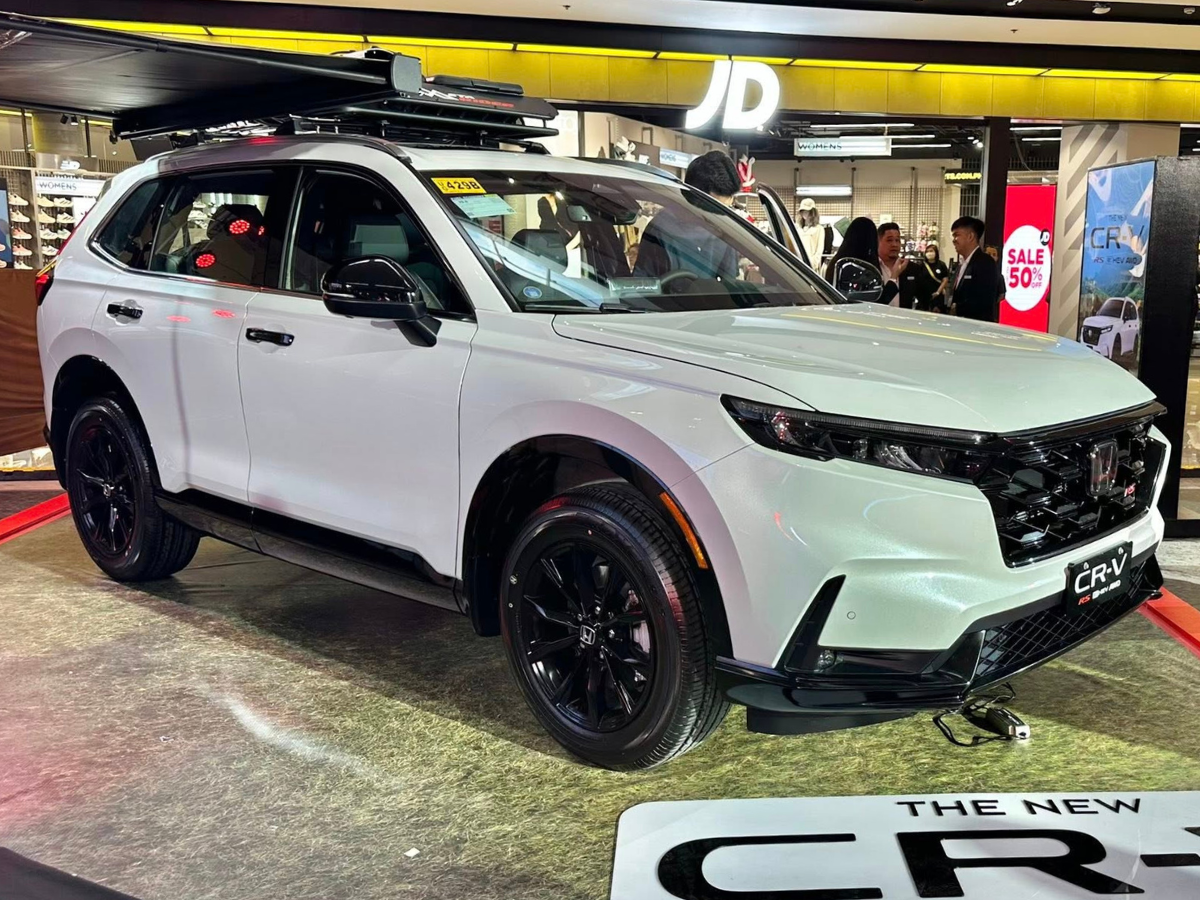
Of note, Honda Cars Philippines, Inc. (HCPI), the exclusive local distributor of Honda vehicles, has already begun leaning into the hybrid-first strategy. Hybrid models such as the CR-V e:HEV, Civic e:HEV, and HR-V e:HEV have become key pillars of the brand’s electrified lineup. And soon, the sporty and technologically advanced Honda Prelude coupe, which features a 2.0-liter hybrid powertrain and S+ Shift e-CVT, will join the local lineup.
For Filipino buyers, the global shift could translate to more localized hybrid options in the coming years. In many ways, that may prove to be the more realistic path toward electrification in the region.
Autocar’s Take
This is the reality that many visionaries of electrification may have somehow overlooked around ten years ago. World events, the personal agendas of people in power, shifting economic tides, among others, contribute to the unpredictability of how the global auto industry moves toward electrification.
Over a decade, many carmakers and policymakers have announced aggressive strategies to accelerate the global adoption of full electrification. But in the past decade, times have naturally changed, and slower EV demand in some regions, plus the sudden rise in competition, have forced many manufacturers, such as Honda, to reassess where investments make the most sense.
But there is hope, after all. Hoda’s decision to scale back certain EV programs while strengthening its hybrid lineup is a realistic strategy to push towards electrification, instead of just giving up on it. For markets like the Philippines, the pivot toward hybrid may actually prove more practical. In the region, charging infrastructure remains limited, and EV prices are still high for many buyers. Hybrids offer a realistic middle ground – improving efficiency and reducing emissions without requiring major infrastructure changes.