
Transport connectivity is about more than getting commuters from one place to another. When mobility is disrupted, jobs, businesses and entire communities can feel the impact.
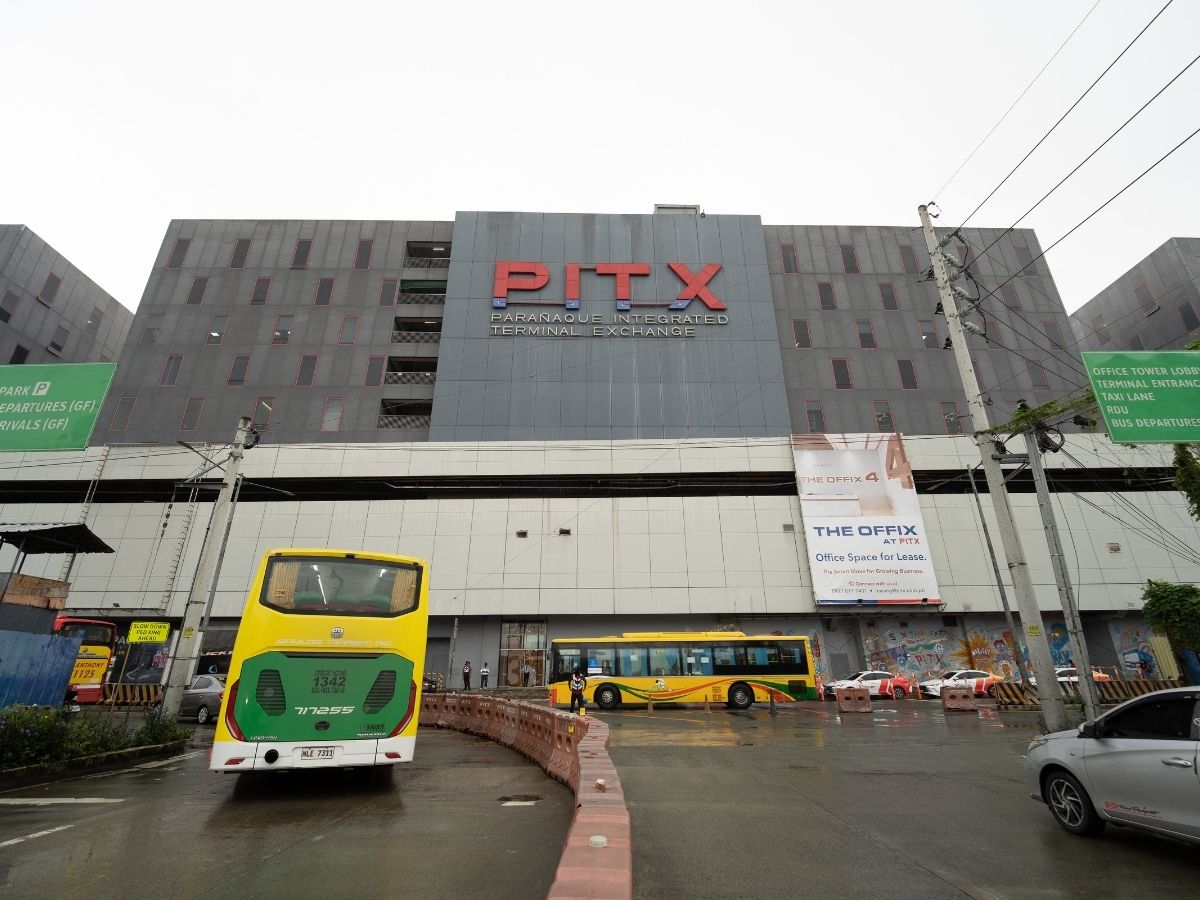
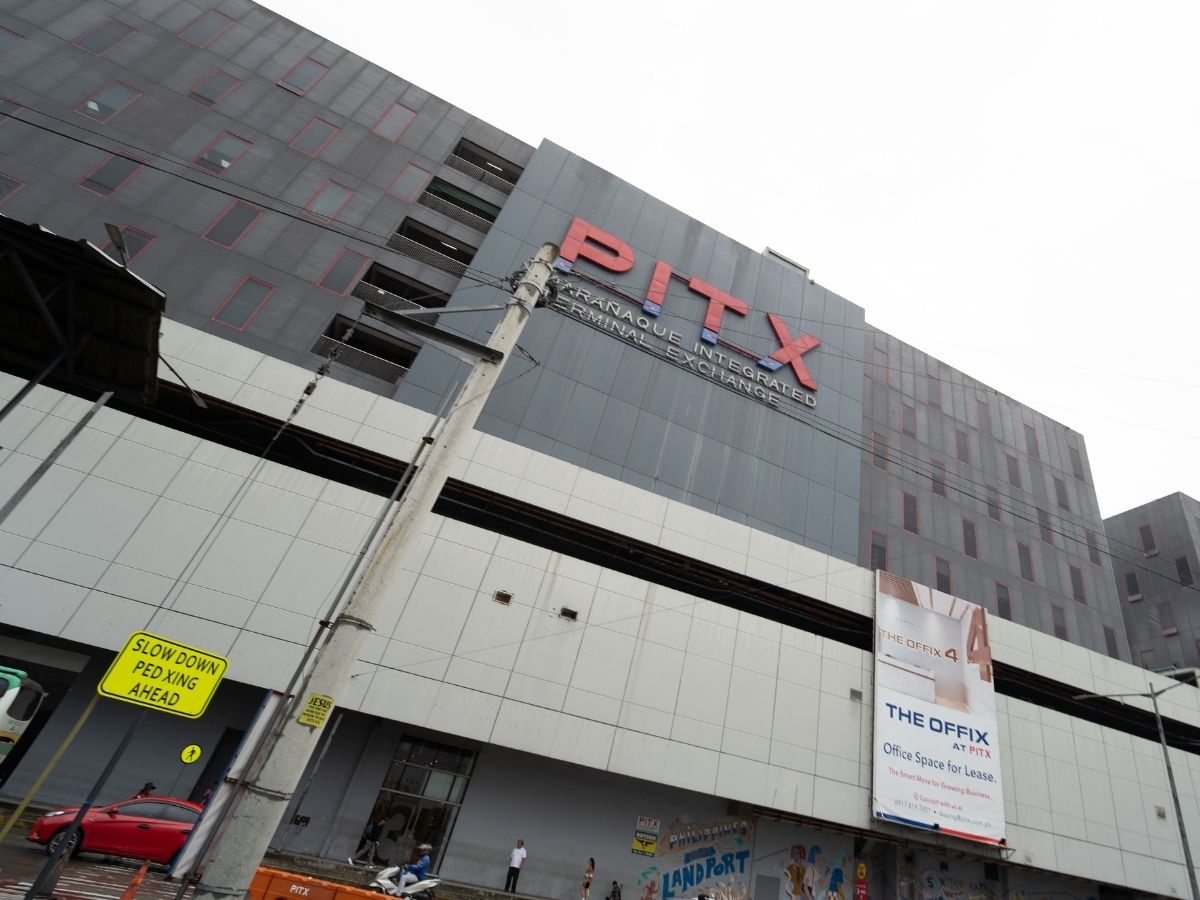
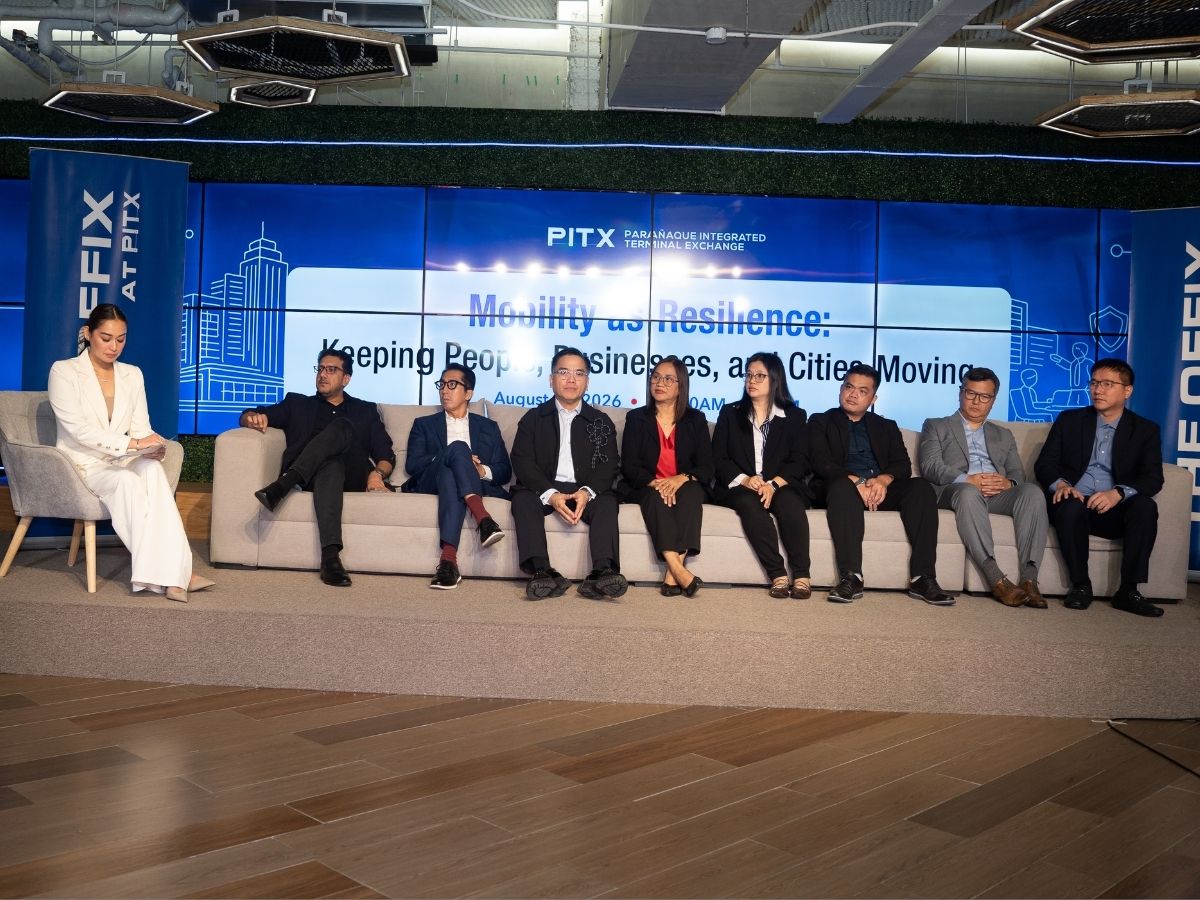
That was the central message of the Parañaque Integrated Terminal Exchange (PITX) Media Forum 2026, where government, transport, business and planning leaders discussed how stronger connections between transport systems could help cities and the economy stay moving during disruptions.
Held under the theme “Mobility as Resilience: Keeping People, Businesses, and Cities Moving,” the forum highlighted the need for closer coordination between government agencies, transport operators, local governments and the private sector.
One example discussed was the connection between the PITX and the LRT-1 Cavite Extension. According to MWM Terminals President Jaime Raphael Feliciano, PITX saw its evening passenger peak shift from around 7 p.m. to 6 p.m. following the rail connection.
For commuters traveling onward to Cavite, that could mean arriving at PITX earlier and potentially gaining more time for family, rest or leisure.
MWM Terminals COO Mohit Malhi also stressed the importance of reducing transfers. He said the goal is for passengers to reach destinations across Metro Manila from PITX with one, or at most two, transfers, reducing the number of potential trouble points during disruptions.
The Department of Transportation (DOTr), meanwhile, said the country’s transport network needs stronger links between road, rail, maritime and aviation systems. The goal is to make transfers more seamless, safe, reliable and accessible.
Transport data could also play a bigger role. UP National Center for Transportation Studies specialist Geoel Anthony Esguerra said data and modeling can help identify vulnerable areas, anticipate disruptions and establish alternative routes before emergencies happen.
The business sector likewise sees mobility as a critical consideration. Companies are increasingly looking at accessibility and transport connections when choosing office locations, while employers whose operations cannot easily shift to remote work depend on employees being able to reach their workplaces consistently.
The forum also examined how flooding, severe weather, road closures, fuel-price volatility, geopolitical tensions and supply-chain disruptions can affect transportation and eventually business activity.
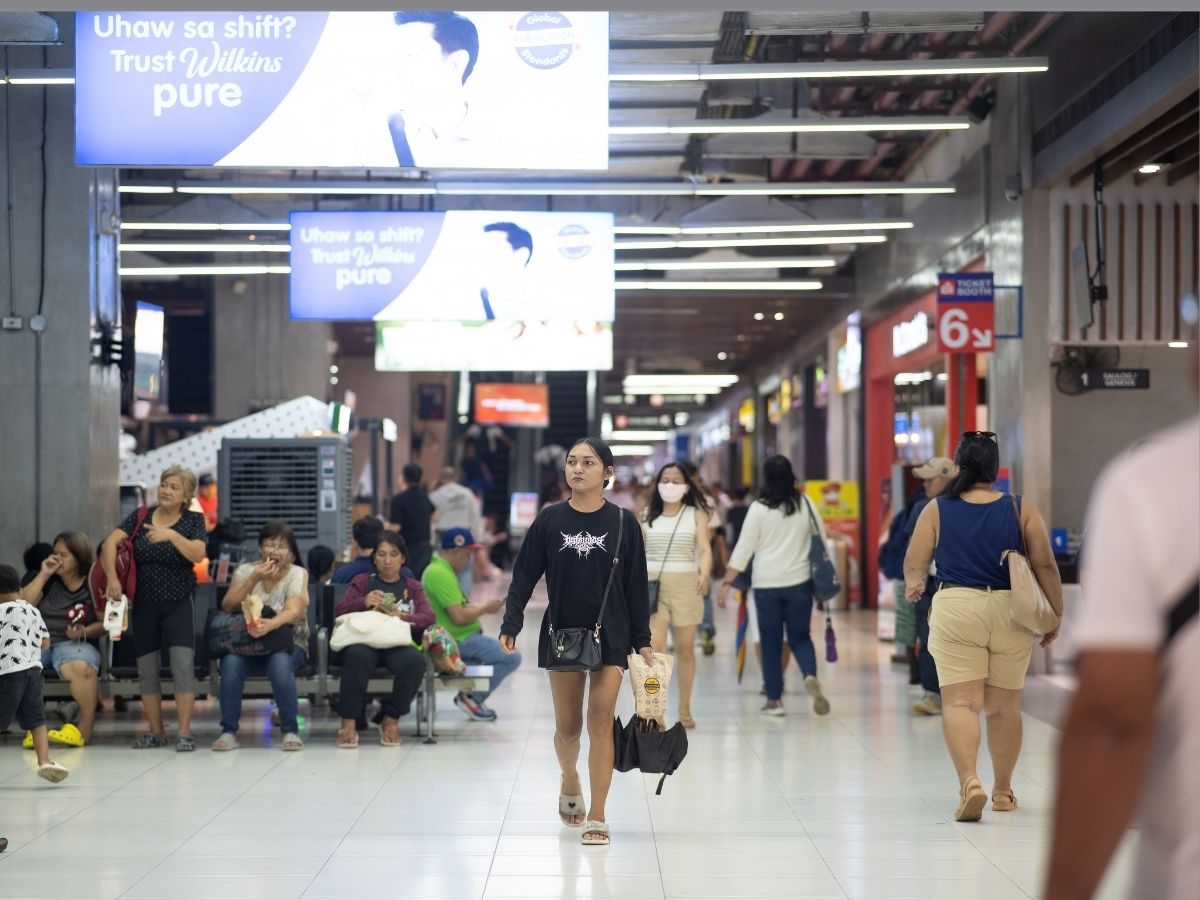
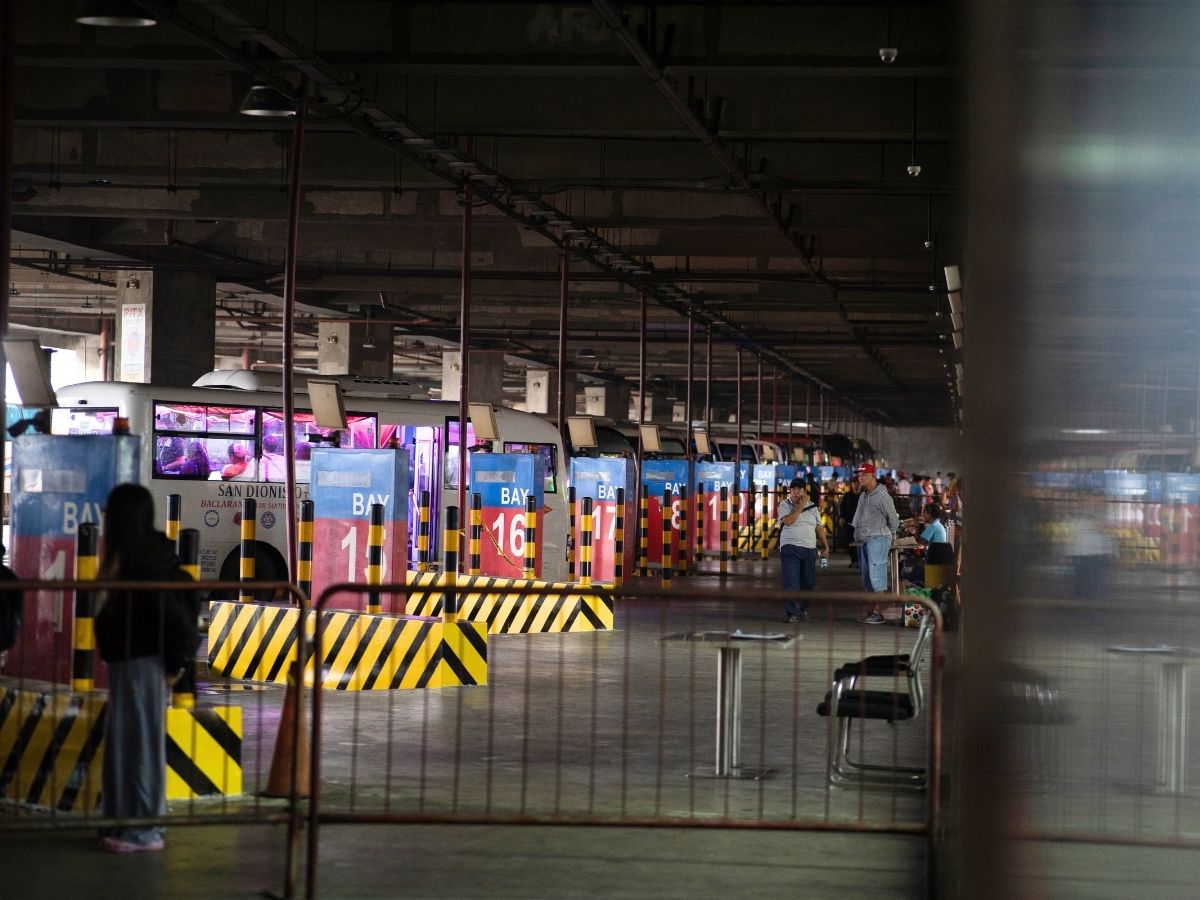
For PITX, the discussion reinforces the role of an integrated transport facility as more than a terminal. By bringing different transport modes together with offices, retail, dining and services, it can provide commuters with alternative mobility options and a reliable convergence point when normal travel is disrupted.

Autocar’s Take
The idea of transport as economic infrastructure is easy to overlook because we experience it every day as a simple commute. But when that commute breaks down, the consequences become obvious. A missed workday can mean lost income, while a customer unable to reach a store can mean lost revenue. That makes transport connectivity and economic resilience closely linked.
The PITX Media Forum makes a good point in looking beyond roads and terminals toward how different modes, businesses and communities work together. Better connections will not eliminate disruptions, but they can make cities far better prepared to absorb them and keep moving.