
There are cars that become popular, and then there are cars that become part of many enthusiasts’ automotive core memory. The Mitsubishi Pajero ticks both boxes.
For more than four decades, its name has been associated with four-wheel-drive capability, Dakar success and the kind of rugged confidence that made it equally at home on city streets, provincial roads and rough trails.
First generation
The Pajero story began in 1982, when Mitsubishi launched its first-generation four-wheel-drive SUV in Japan. The concept was straightforward but significant: combine the off-road ability of a serious 4WD with the comfort and drivability of a passenger car. The first model was offered as a three-door with metal or canvas tops, while a long-wheelbase version followed in 1983. Mitsubishi continued developing it, adding an automatic transmission in 1985 and V6 gasoline and intercooled diesel-turbo engines in 1988.
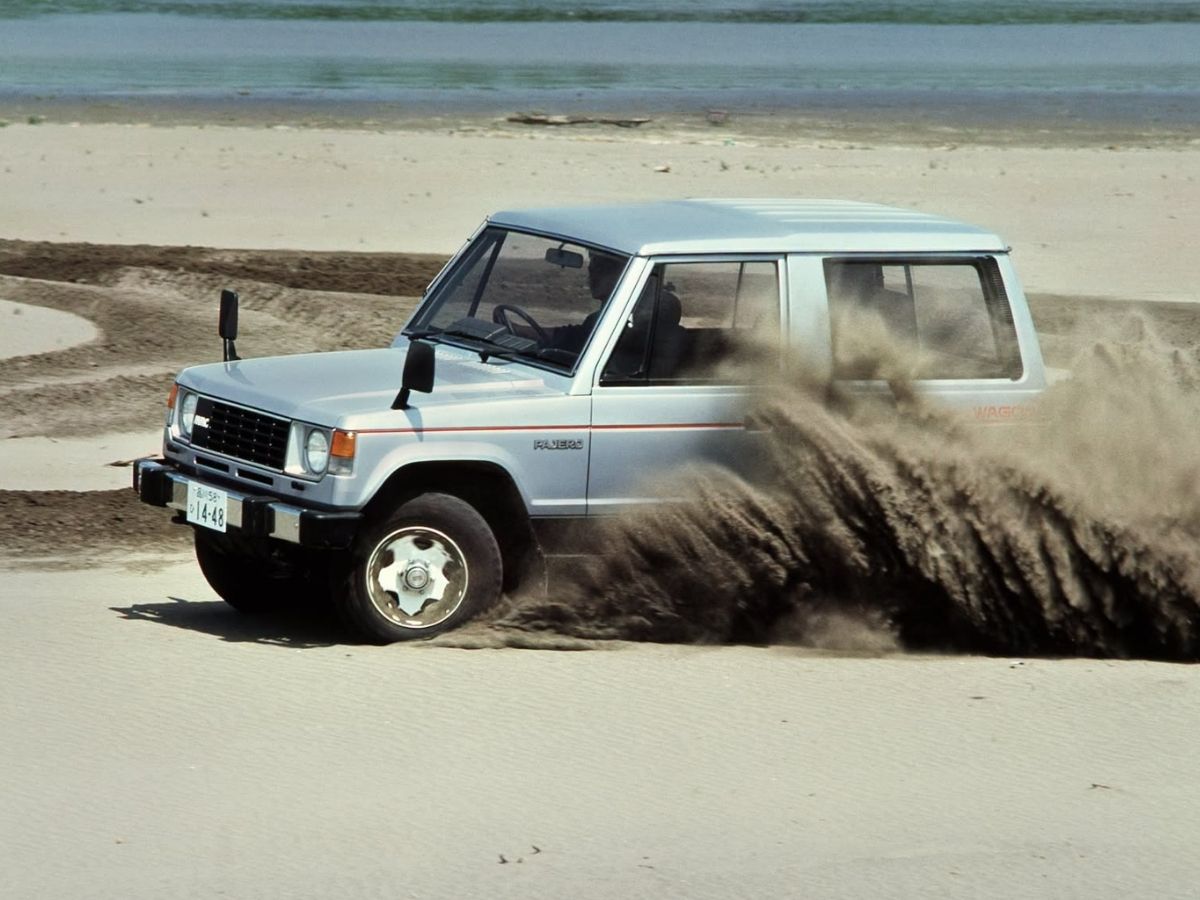
The Pajero was not merely designed to look adventurous. Mitsubishi put its capabilities to the test in the Dakar Rally, entering the event for the first time in 1983. It won its class that year and secured its first overall victory in 1985. The Pajero eventually accumulated 12 overall Dakar victories, including seven consecutive wins. Those results gave the road-going Pajero something few SUVs could claim: a competition record that reinforced its reputation for genuine off-road ability.
Second generation
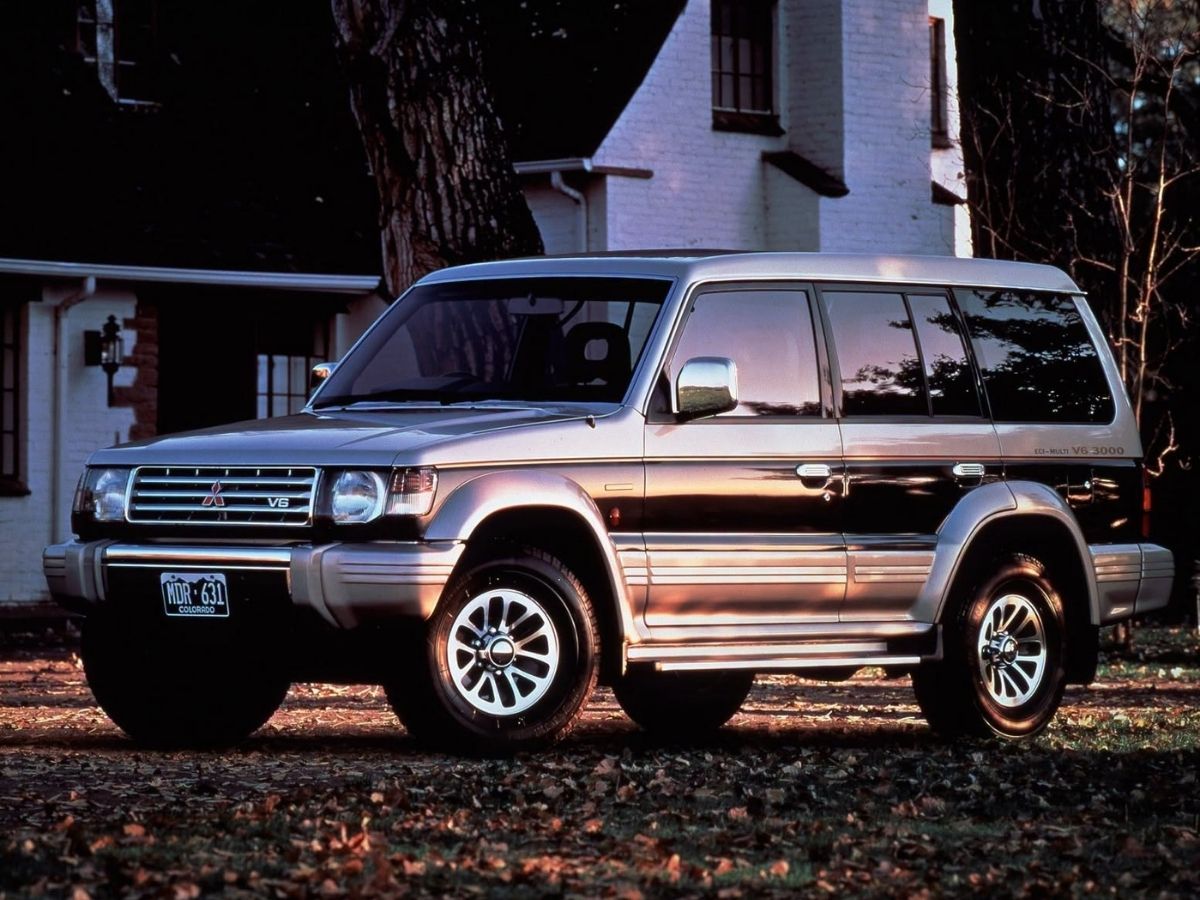
By 1991, the Pajero had entered its second generation and was becoming a more sophisticated machine. Mitsubishi expanded the range to four body types and improved performance, comfort and safety. The biggest technical development was Super Select 4WD, which allowed drivers to switch between two-wheel drive and four-wheel-drive modes while moving, giving the Pajero greater versatility on different surfaces. It was an important step because the Pajero was no longer simply about surviving difficult terrain.
It was becoming a 4WD that could be driven comfortably in everyday conditions.
That evolution mattered in the Philippines. Mitsubishi has been part of the Filipino automotive landscape for decades, and the company itself identifies the Pajero as one of the models that appealed strongly to local buyers. Its combination of durability, commanding road presence, passenger space and genuine 4WD capability suited a market where long-distance travel, changing road conditions and occasional rough roads were familiar realities. Over time, the Pajero became more than a capable off-roader. It became a recognizable presence on Philippine roads, earning a loyal following among families, professionals and enthusiasts.
Third generation
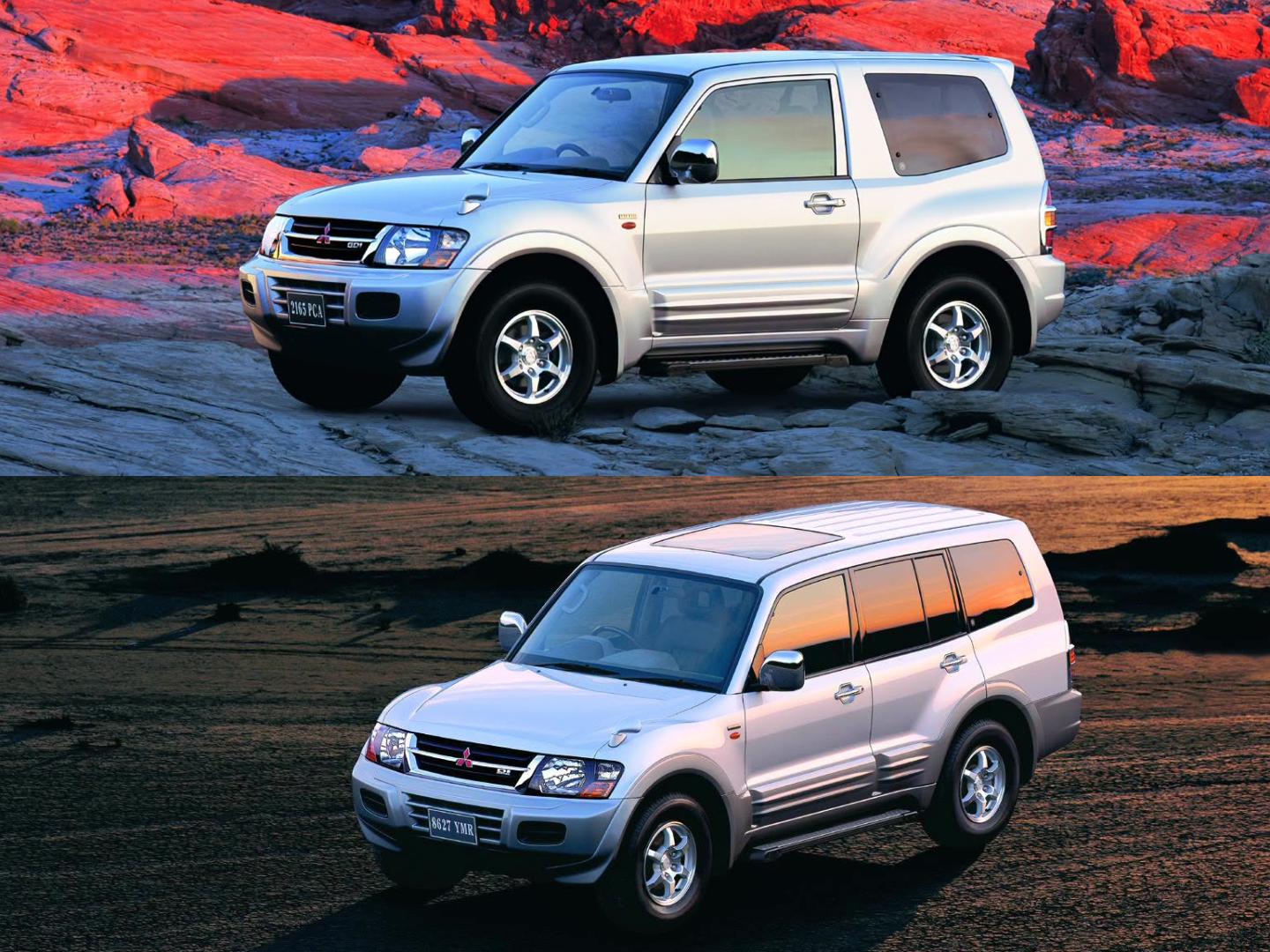
The third generation arrived in 1999 and brought perhaps the most significant structural change in the Pajero’s history. Mitsubishi replaced the previous separate body-and-frame construction with a monocoque body, increasing rigidity while reducing weight. The longer, wider vehicle also gained four-wheel independent suspension, improving handling, stability and ride comfort. Super Select evolved into Super Select 4WD-II, while new engines, including a 3.2-liter direct-injection diesel, reflected the Pajero’s continuing move toward greater refinement.
Fourth generation
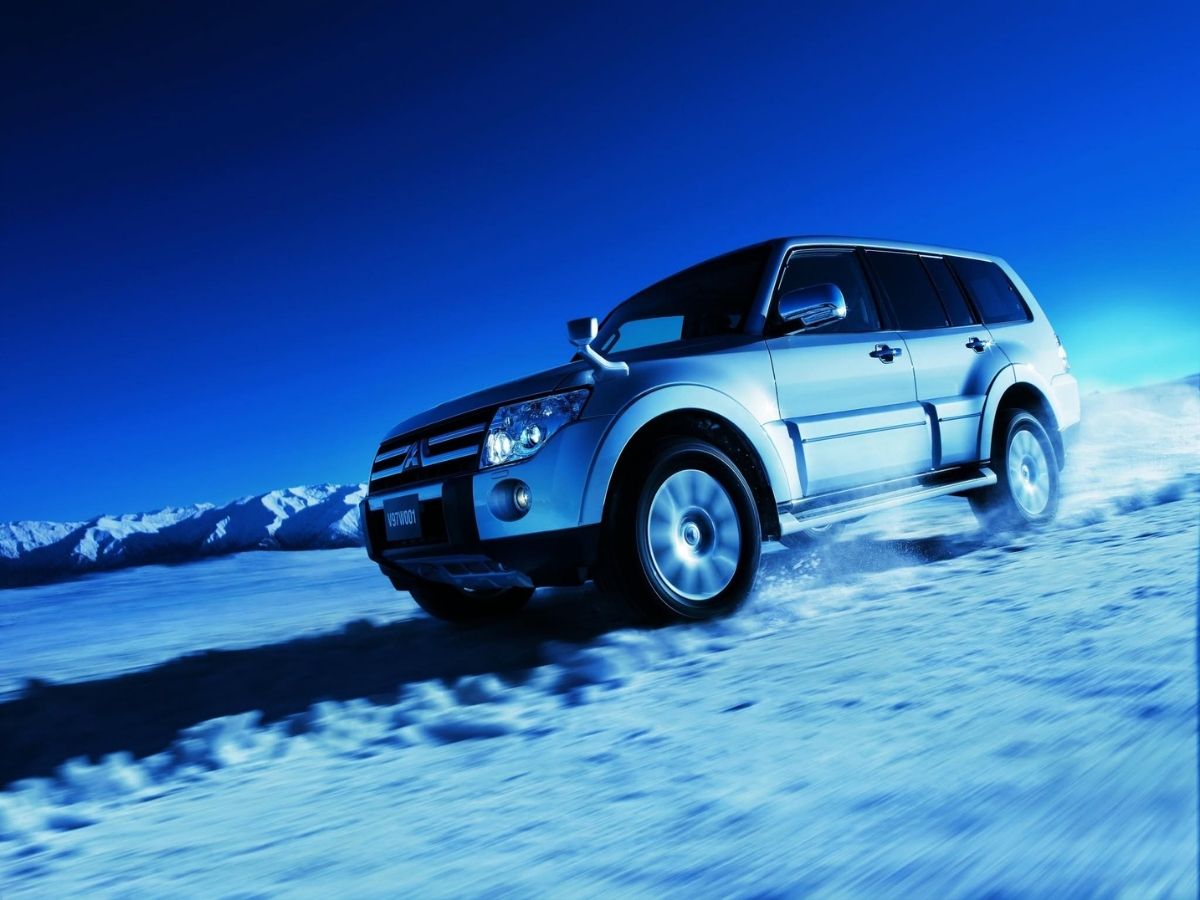
Then came the fourth generation in 2006. At first glance, it looked like an evolution of the familiar Pajero shape, but Mitsubishi said about 70 percent of its structure had been revised. The model retained the rugged character that had defined the nameplate while adding further improvements in safety, stability and everyday usability. By then, the Pajero had become a mature interpretation of the original idea: a serious 4WD that could still function as a comfortable everyday vehicle.
That balance helps explain the Pajero’s staying power in the Philippines. Mitsubishi Motors Philippines Corporation (MMPC) has described it as one of the brand’s crowd favorites, noting that it continues to have a strong following. In 2021, the Pajero was also recognized by the Auto Focus Media’s Choice Awards in the Philippines as the Best Value for Money Large SUV/Crossover, a reminder that the name still carried weight even near the end of its production life.
Production of the fourth-generation Pajero eventually ended, with overseas sales discontinued in 2021. It left behind more than a familiar silhouette. Across four generations, Mitsubishi says the Pajero recorded more than 3.25 million sales in over 170 countries and regions, making it one of the company’s most important SUVs.
All-New Pajero / Fifth generation
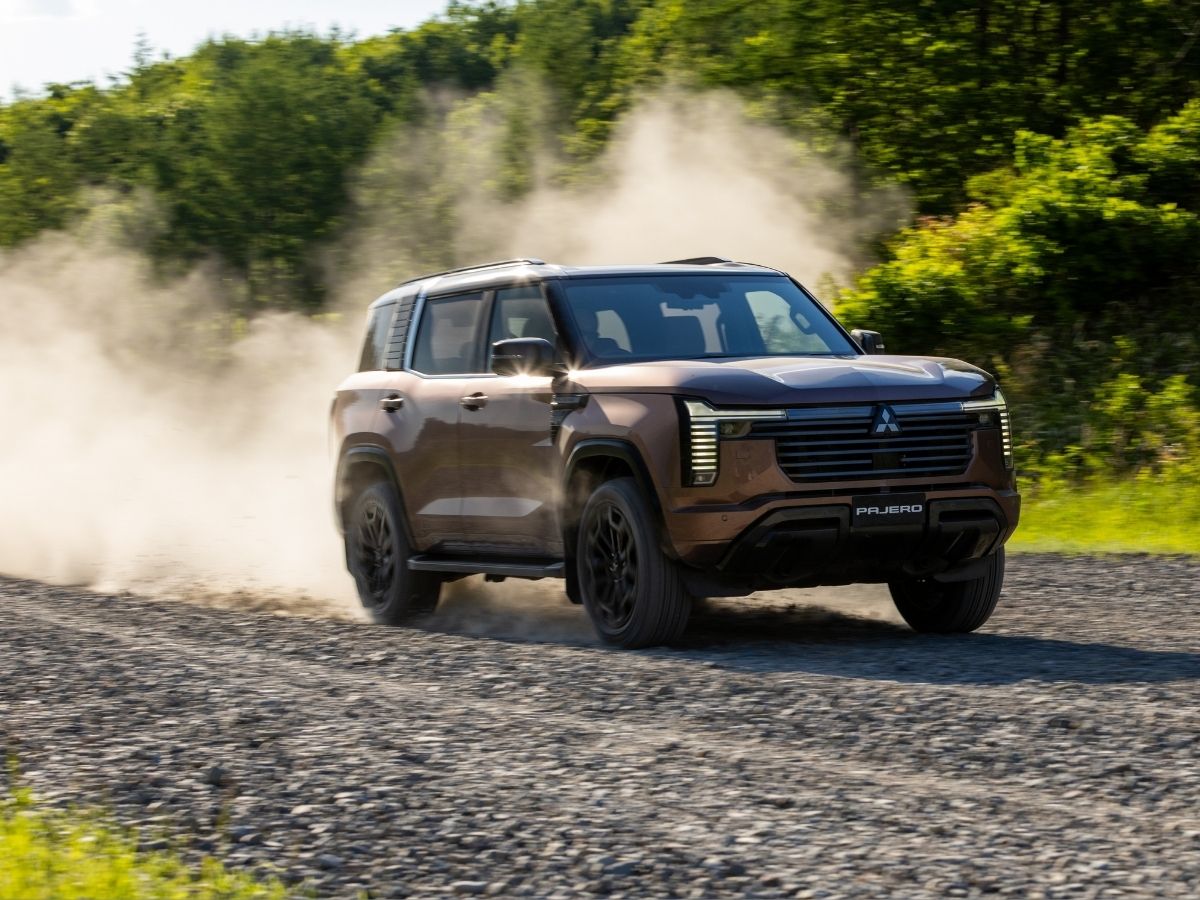
Now, the Pajero is officially back. Mitsubishi Motors unveiled the all-new model on September 2, 2026, bringing its flagship SUV nameplate back after the previous generation ended production in 2021.
The fifth-generation Pajero stays true to its roots as a proper cross-country SUV. It rides on a highly rigid ladder frame derived from the Triton, with independent front suspension and a new five-link rear setup. Power comes from a new 2.4-liter turbo-diesel engine producing 480 Nm of torque, paired with an eight-speed automatic transmission.
Four-wheel-drive capability comes courtesy of Super Select 4WD-II, supported by Super All Wheel Control, Active Yaw Control and seven drive modes. With 230 mm of ground clearance, the new Pajero clearly hasn’t forgotten what made its predecessors famous.
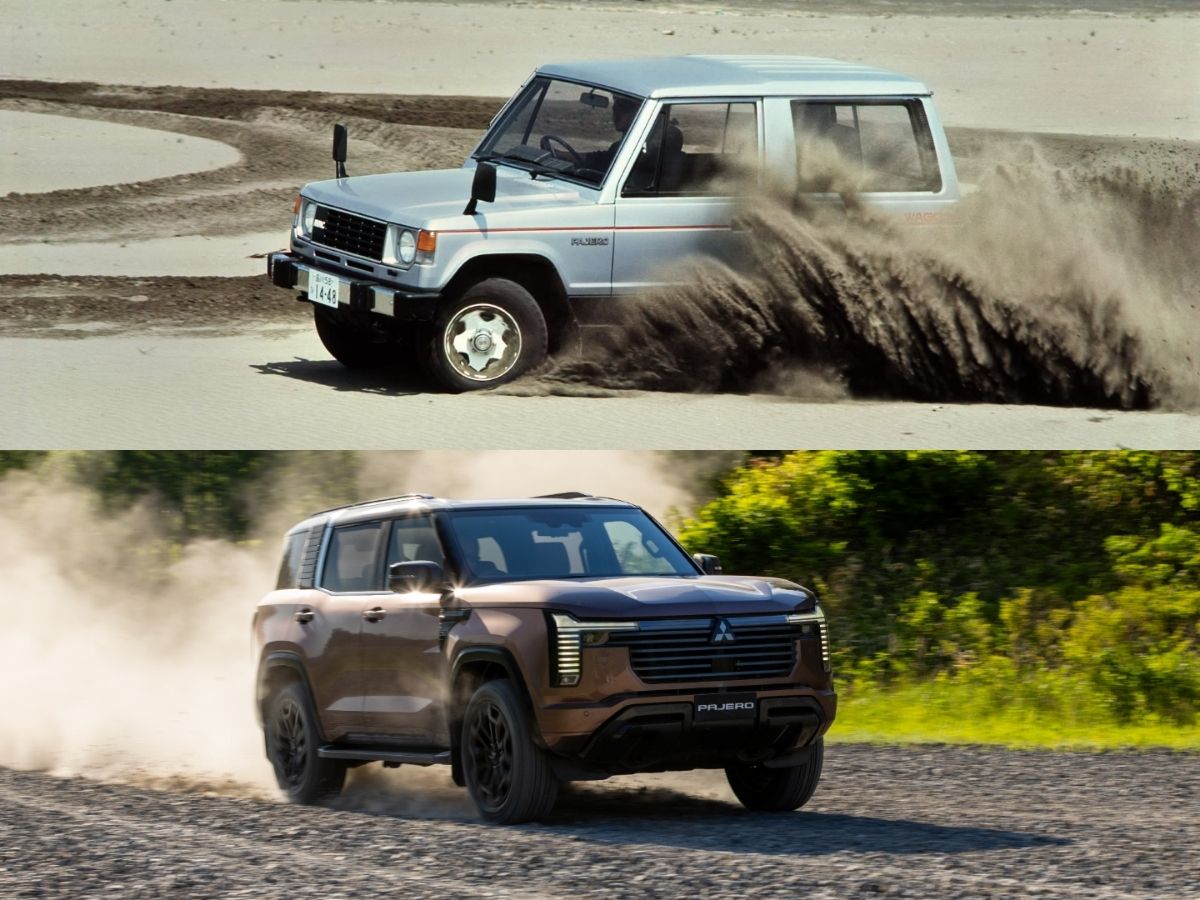
Inside, however, Mitsubishi has moved the Pajero firmly into modern flagship territory. The three-row, seven-seat cabin features premium materials, large digital displays and comfort-focused equipment, while its exterior carries subtle design references to earlier generations.
For Filipino fans, the big question is when it will arrive locally. Mitsubishi says the new Pajero will roll out across ASEAN markets from fiscal 2027, although a Philippine launch date has yet to be announced.
After more than four decades, the Pajero has returned with the same basic mission: go anywhere, but do it with more style and comfort.