
Toyota is developing a new generation of hybrid technology designed to make electrified vehicles more efficient while giving the automaker greater flexibility in how it builds cars for different markets.
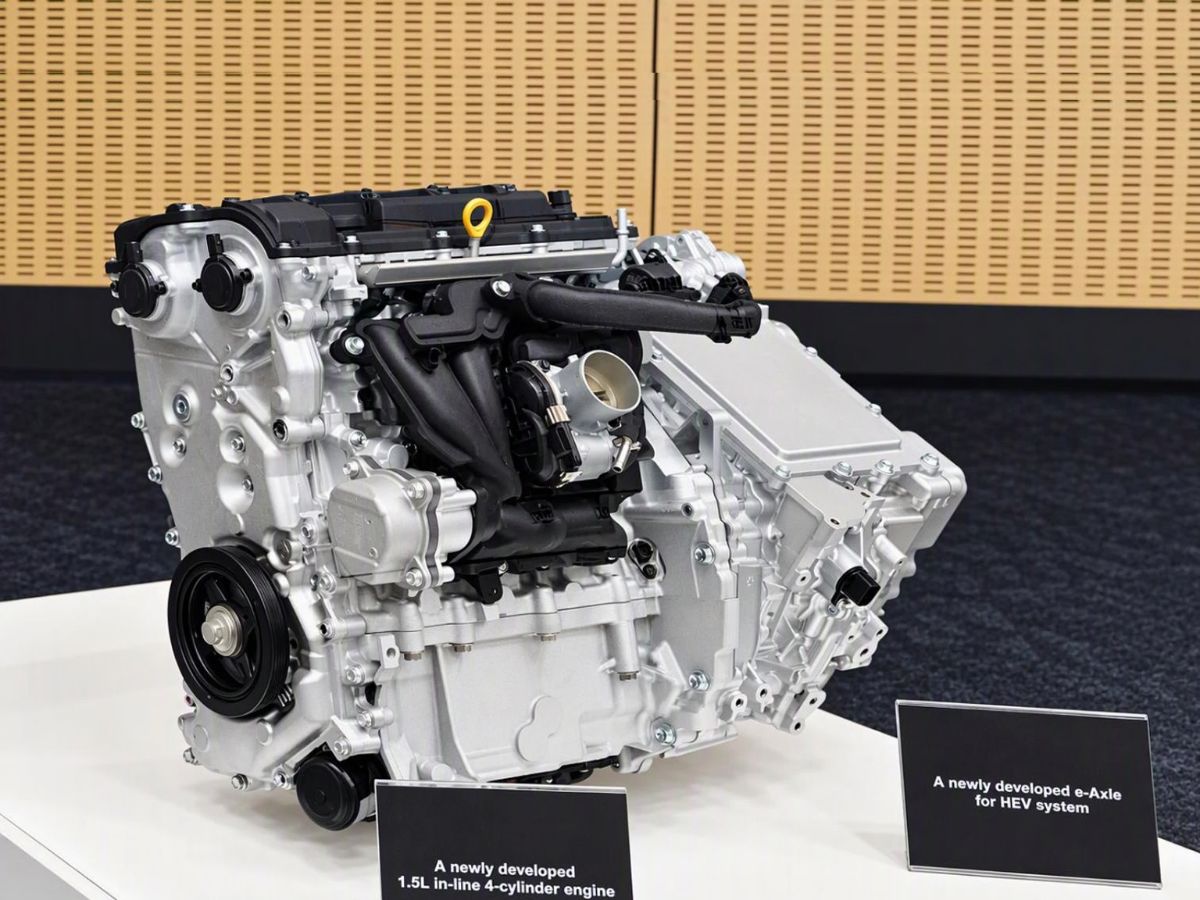
Announced on October 28, 2026, the project centers on an entirely new 1.5-liter, four-cylinder engine family available in naturally aspirated and turbocharged versions. According to Toyota, the engines were designed specifically for electrification and will work with smaller, lighter electric motors, power control units and inverters to form an integrated hybrid powertrain.
The company is targeting a fuel economy improvement of more than 15% compared with its existing systems. Toyota attributes the expected gains to reduced mechanical friction, improved thermal management, lower electrical losses and reduced aerodynamic drag.
Rather than adapting an existing engine for hybrid use, Toyota says it developed the engine, hybrid system and power electronics together from the ground up. The naturally aspirated version is intended to cover the performance range currently served by Toyota’s 1.8-liter engine and its existing 1.5-liter three-cylinder engine.
The new powertrain also incorporates Toyota-developed silicon carbide power electronics, which the company says will help reduce energy losses across the system.
One platform, multiple powertrains
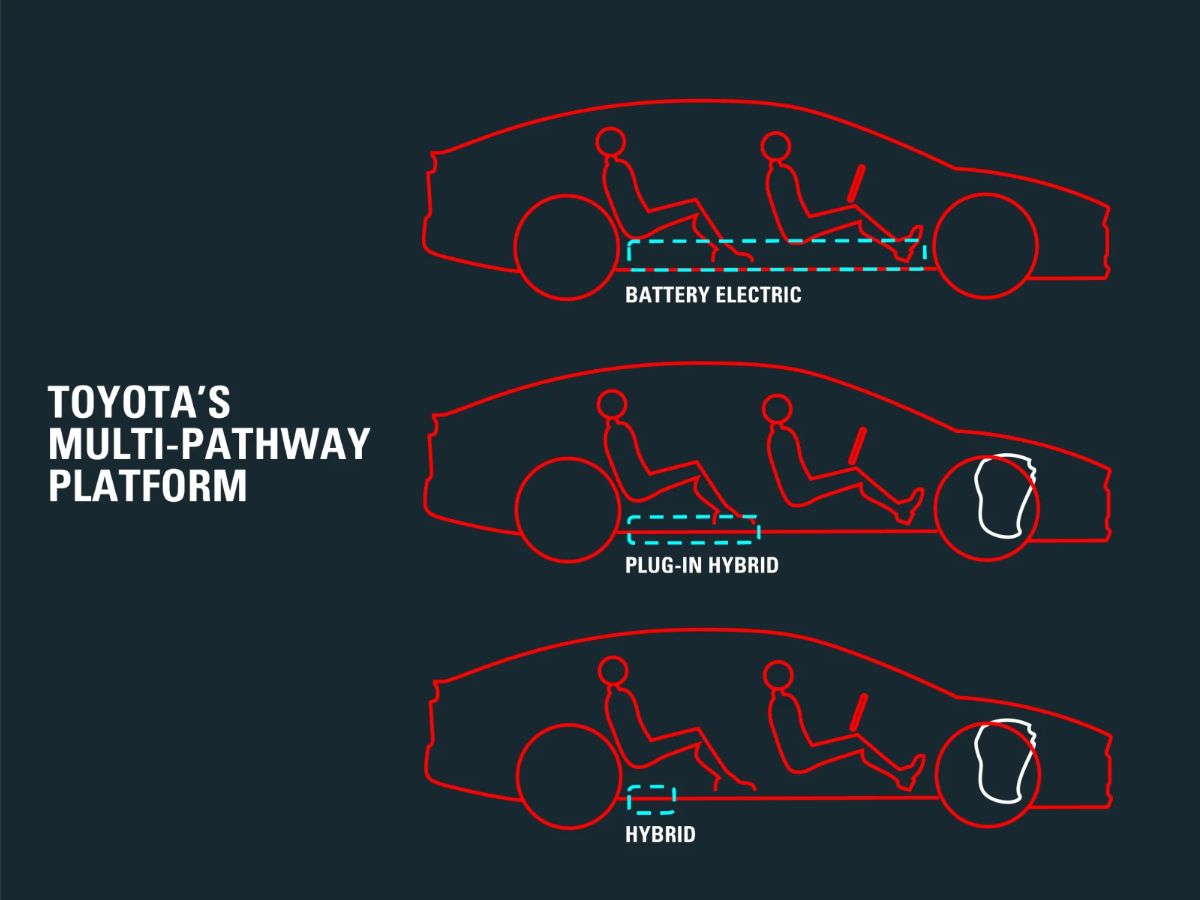
Beyond fuel efficiency, packaging is a major part of Toyota’s development program. The company says the new hybrid system is significantly smaller than previous versions, allowing it to fit into vehicle architectures designed primarily around battery-electric vehicles (BEVs).
Toyota’s planned multi-pathway platforms will accommodate battery-electric vehicles (BEVs), plug-in hybrids (PHEVs) and conventional hybrids. According to the company, this shared architecture is intended to preserve vehicle proportions, cabin space and capability regardless of the powertrain selected.
The smaller engine and hybrid package could also give designers greater freedom. Toyota says the lower-profile arrangement allows for lower bonnet heights and more dynamic vehicle proportions, reducing some of the styling constraints associated with conventional engine layouts.
The common platform is also intended to spread development and manufacturing investments across a wider range of vehicles. Toyota expects this approach to deliver financial and engineering economies of scale while allowing production facilities to adjust the mix of powertrains according to customer demand.
Keeping hybrids in the electrification mix
Toyota continues to position hybrids as part of its multi-pathway approach to carbon neutrality, arguing that energy availability, infrastructure and customer preferences differ across markets.
The company is also developing the new engine and hybrid system for compatibility with renewable and carbon-neutral fuels. It plans to increase external sales of the technologies in the coming years.
For now, Toyota has outlined the engineering direction and targeted efficiency gains, but has not identified specific production models that will receive the new powertrain.
The project reflects Toyota’s intention to develop its combustion-based electrified vehicles alongside battery-electric and fuel-cell technologies, rather than relying on a single powertrain solution for every market.
Autocar’s Take
Toyota’s next-generation hybrid powertrain is an interesting development because it looks beyond fuel economy alone. The company is also working to make hybrids, plug-in hybrids and battery-electric vehicles easier to accommodate within a common vehicle architecture. If Toyota delivers its targeted fuel economy improvement of more than 15%, the new system could strengthen the case for hybrids in markets where charging infrastructure and customer needs vary.
The smaller packaging could also give the Japanese brand more freedom when developing future models. For now, these remain Toyota’s stated targets and objectives. The real test will come when the technology reaches production vehicles.