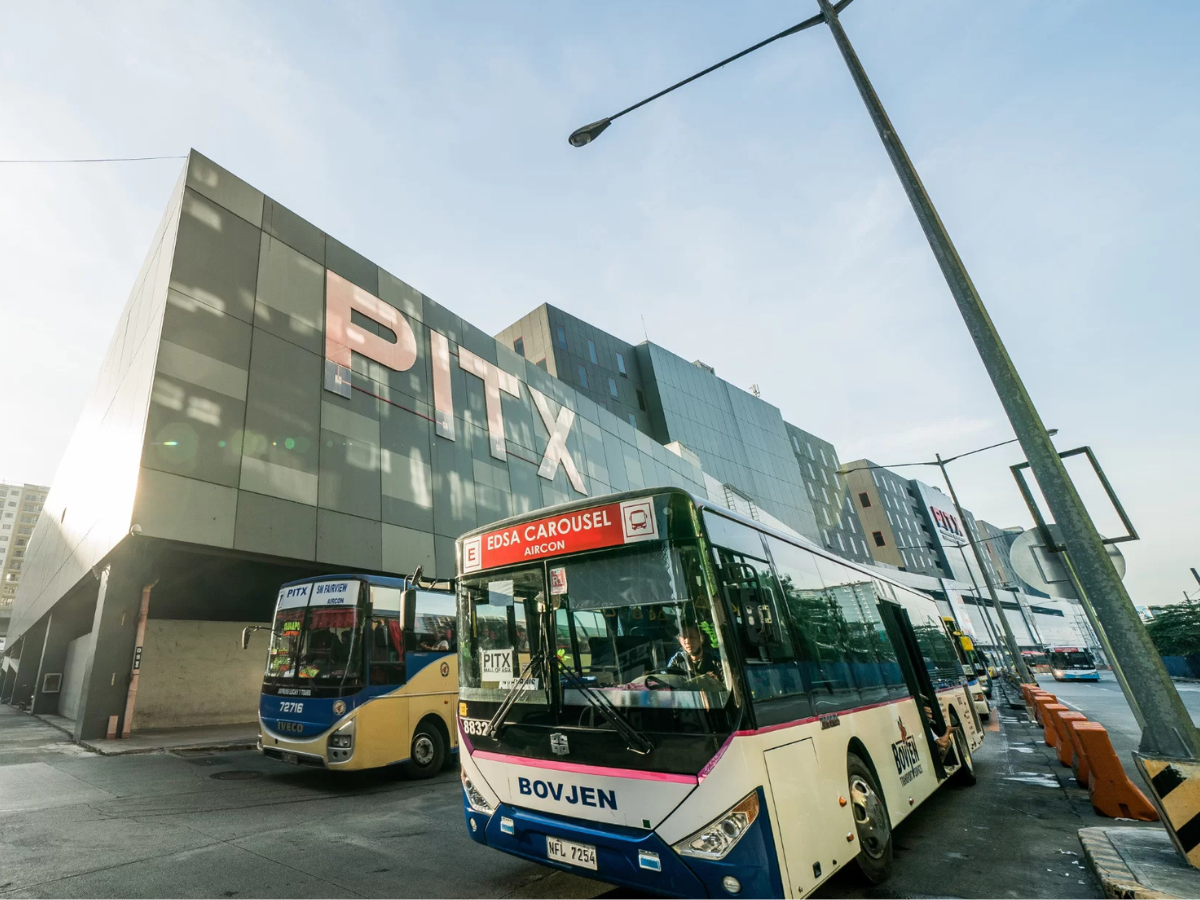


The Parañaque Integrated Terminal Exchange (PITX) is on the move to position itself as a catalyst for urban growth in the south of Metro Manila. The transport hub company has announced this new endeavor in a recent forum it held, which ran with the theme “The Rise of Transit-Oriented Developments: Shaping the Future of Work and Real Estate in Southern Metro Manila.”
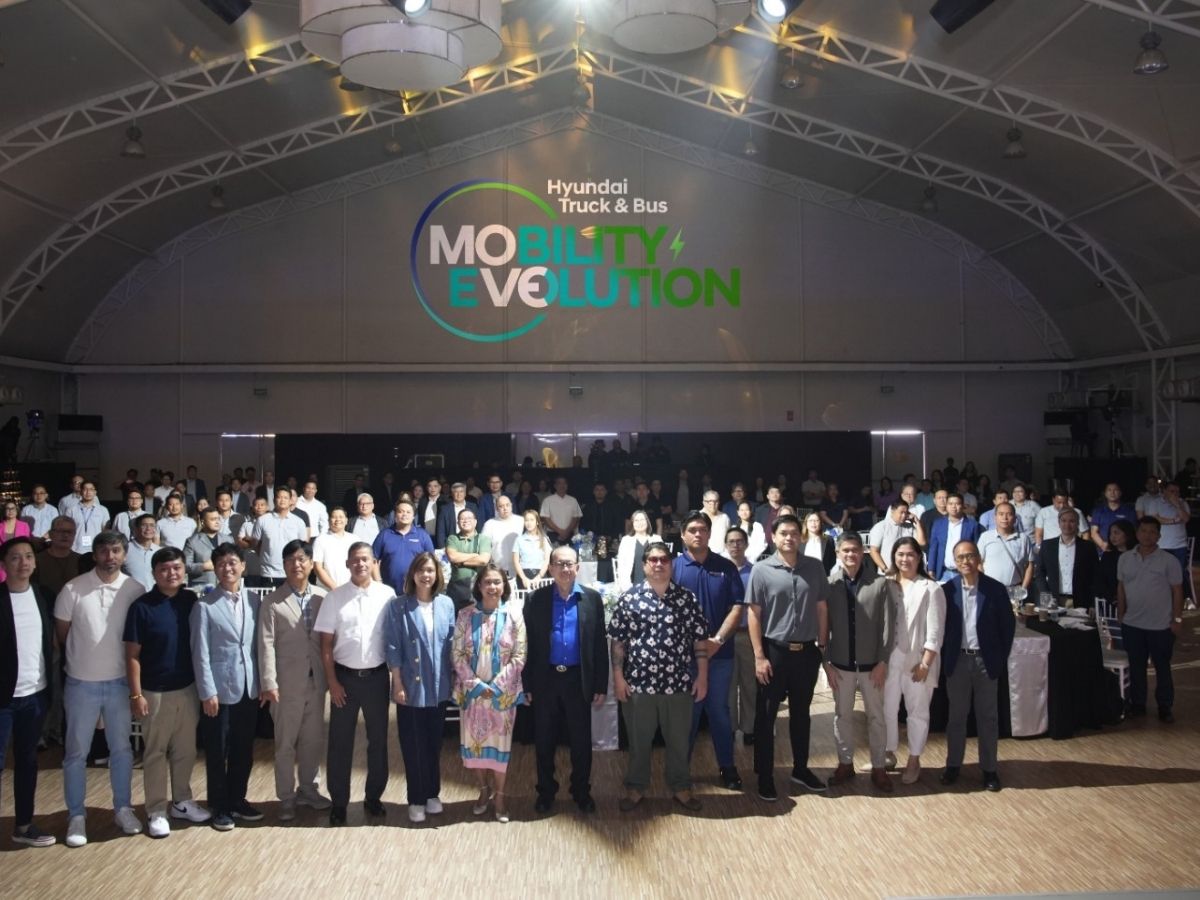
The forum brought together transportation, retail, and business industry leaders, as well as urban developers and government officials. It highlighted the growing role of transit-oriented developments (TODs) in shaping future business districts.
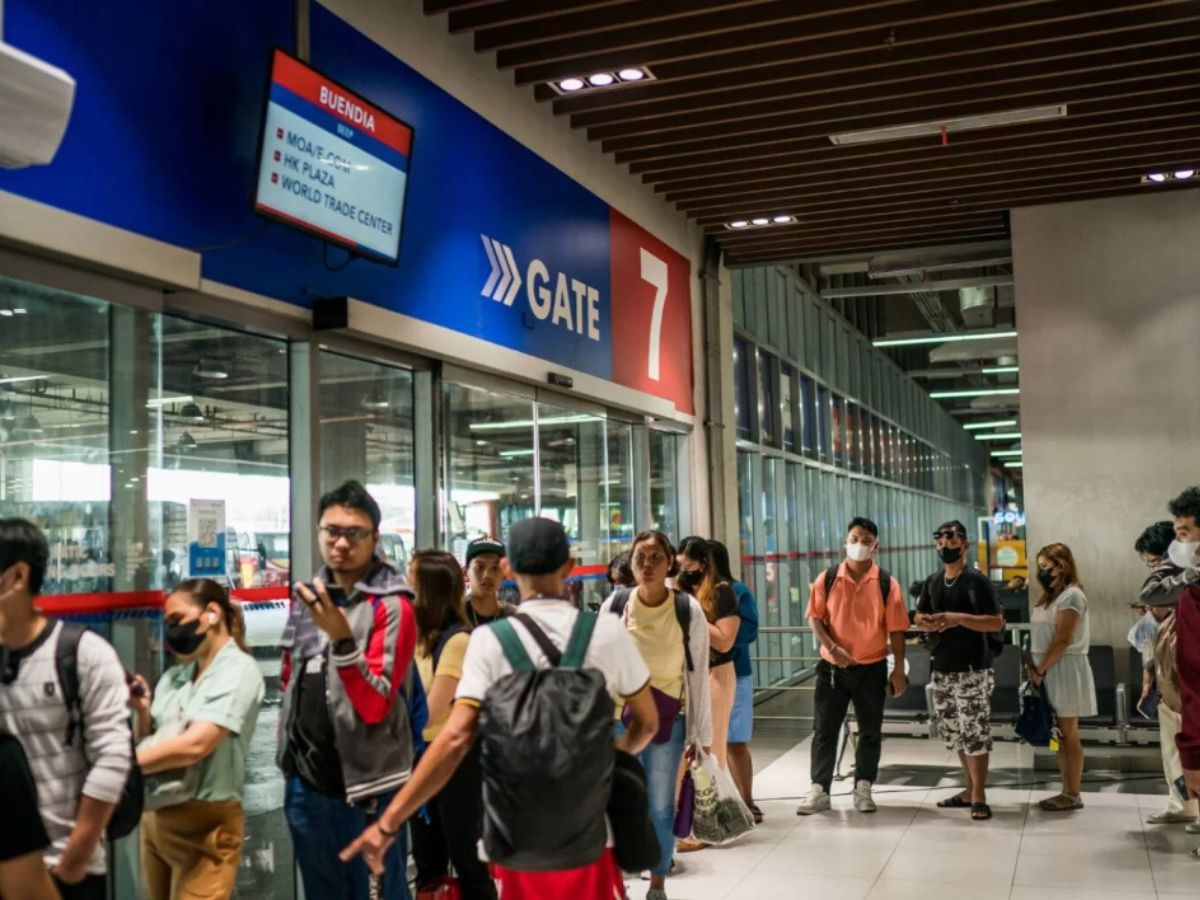
Handling around 179,000 passengers daily, PITX has evolved from a transport gateway into what stakeholders describe as a major economic anchor for Parañaque and nearby growth corridors. The concept behind TODs centers on concentrating workplace, retail spaces, and residential development around transport hubs. This will allow people to live and work closer to major mobility networks, making everyday life more convenient and efficient.

During the forum, PITX Chief Operating Officer Mohit Malhi described the transport terminal as part of the solution to decongest traffic along EDSA, a challenge faced by many Metro Manila motorists daily. By serving as a coordinated gateway for city and provincial transport, PITX filters thousands of vehicles before they reach the metro’s busiest thoroughfares.
Malhi noted that the traditional model of commuting often requires commuters to travel further after arriving at a transport hub. PITX aims to address this by integrating office spaces and commercial facilities within the terminal complex itself, creating what he described as a “transit-to-desk” experience that minimizes connecting or secondary commutes. Local officials say PITX’s presence is already reshaping the surrounding area. Cisette Ricardo, Tourism Head of Parañaque City, shared that PITX has attracted significant interest from developers, with new commercial and mixed-use projects emerging due to its strategic location and heavy foot traffic.
Private sector leaders echoed this view. Johnlu Koa, President of The French Baker, said, “The massive daily passenger flow offers unlimited brand exposure, allowing retailers to thrive outside traditional shopping malls.” For the government’s part, DOTr Director for Road and Infrastructure Joshua Rodriguez said that infrastructure policy is shifting toward prioritizing the movement of people rather than cars. He cited PITX as an example of integrated mobility in practice.
Finally, according to Jaime Raphael Feliciano, Megawide Chief Business Development Officer and President of PITX, similar transit-focused developments are already being explored in locations such as Carmona, Baguio, and Lipa, potentially replicating the PITX model in other parts of the country.
Autocar’s Take
Transit-oriented development is not a new concept globally, but its growing presence in the Philippines is gaining traction. PITX demonstrates how transport infrastructure can evolve beyond mobility and become a catalyst for economic activity. The idea of integrating offices, retail spaces, and services within major transport hubs could gradually reshape commuting patterns in Metro Manila.
However, the long-term success of TOD projects will depend on consistent urban planning, reliable public transport systems, and cooperation between government and private developers. Here’s to hoping that what PTX has started will thrive and spread across major urban areas nationwide.