

James Deakin’s son, Daniel, didn’t just get a traffic ticket. He ran head-first into a system many Filipino motorists know too well—one where rules are clear on paper, rigid in execution, and often disconnected from how real life actually works on Philippine roads.
Before opinions harden, one fact needs to be stated plainly. During any legitimate traffic stop in the Philippines, it is normal and proper practice for a traffic enforcer to ask for a driver’s license and the vehicle’s registration (OR/CR). When a driver cannot produce either, the situation immediately escalates. Under existing rules, operating an unregistered vehicle is classified as reckless driving, whether we agree with the severity or not.
That context is crucial, because this case goes far beyond a teenager crossing a double solid line.
What Happened
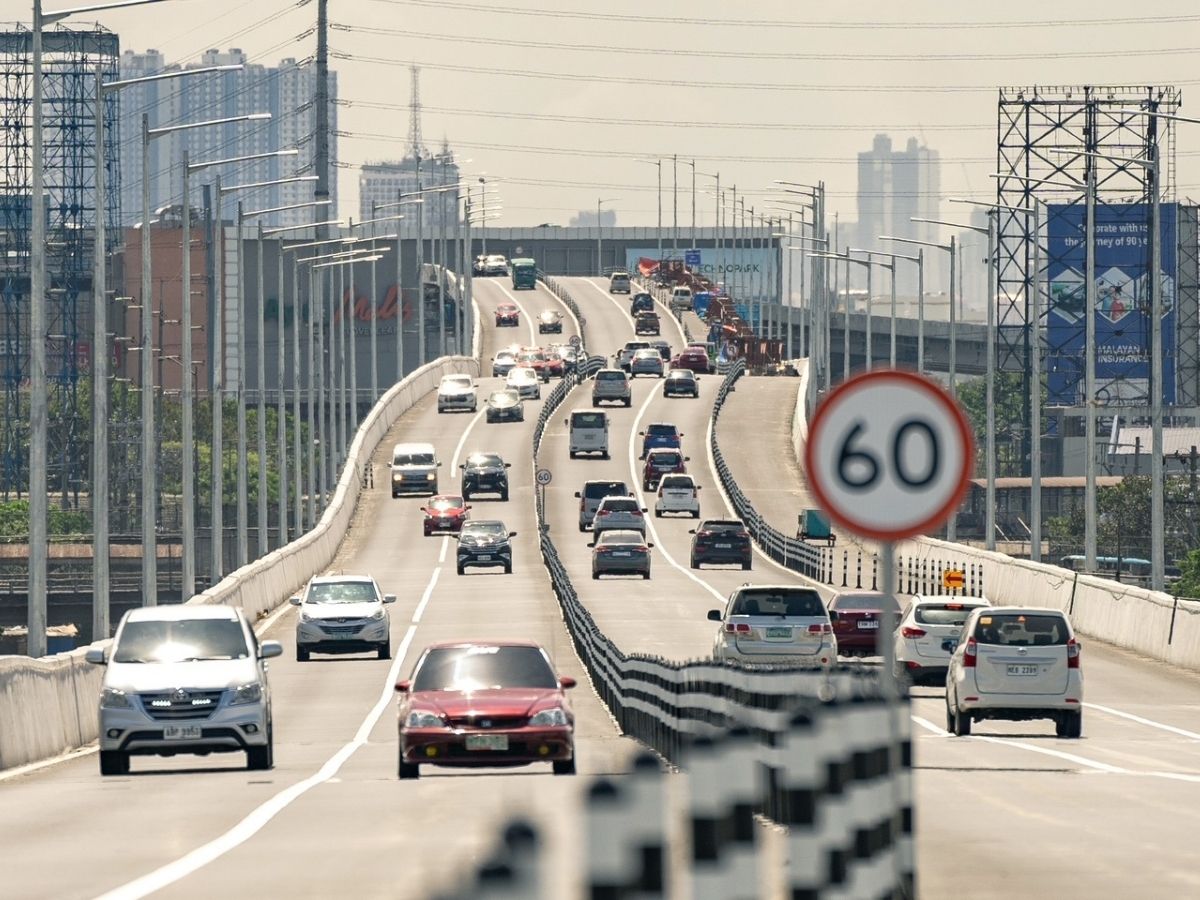
On December 18, 2025, 19-year-old Daniel Deakin was driving on Skyway Stage 3. A new driver unfamiliar with the road layout, he realized too late that he needed the Quezon Avenue exit and crossed a double solid yellow line. A traffic enforcer pulled him over and issued a citation for reckless driving.
Daniel called his father, shaken. James Deakin told him to take responsibility, pay the fine, and move on. That, in theory, is what following the rules looks like.
The trouble started when they tried to settle the violation. LTO offices were closed over the holidays. When they returned in early January and paid the ₱2,000 fine, the LTO refused to release Daniel’s license without photocopies of the vehicle’s OR/CR. By the time the documents were submitted, the agency said the 15-day settlement window had expired—because the count uses calendar days, not business days. Daniel’s license was suspended for one month.
Technically correct. Practically unforgiving.

A Myth That Needed Correcting
As the issue spread online, another claim quickly took hold: that a reckless driving citation would show up on Daniel’s NBI Clearance and permanently damage his future. That claim is false.
Reckless driving under Philippine traffic law is an administrative offense, not a criminal one. Administrative violations do not appear on NBI Clearances. A record only shows up when reckless driving escalates into a criminal case, usually reckless imprudence, and only when it results in injury, death, or damage to property and is formally filed in court.
No injuries. No criminal case. No NBI record. This distinction matters, especially for young drivers, because fear-based narratives only cloud the real issues at hand.
The LTO’s Side—and the Gray Areas
The LTO later clarified that there were two violations: the prohibited lane crossing and the fact that the vehicle was unregistered. Under the law, operating an unregistered vehicle is considered inherently unsafe and qualifies as reckless driving. On the timeline issue, the agency did not budge. Fifteen calendar days means weekends and holidays included, even if offices are closed.
By policy, the LTO followed its rules. By lived experience, the system felt stacked against compliance.
What Changed After the Deakin Case
Public pressure—and a legitimate governance question—eventually forced a review.
In a memorandum issued on January 9, 2026, Transportation Secretary Giovanni Lopez ordered the Land Transportation Office to immediately suspend the confiscation of driver’s licenses in traffic apprehension cases. The directive followed President Ferdinand Marcos Jr.’s instruction to the Department of Transportation to streamline and clarify procedures involving apprehended motorists.
More than just suspending confiscation, the transport chief ordered the LTO to revisit all related issuances to ensure consistency across existing policies. Crucially, the guidelines for settling traffic cases were amended: the settlement period was changed from 15 calendar days to 15 working days, addressing one of the most punishing gray areas exposed by the Deakin case.
Under the new rules, while physical confiscation of licenses is suspended, the LTO is directed to immediately place the violator’s driver’s license under an electronic alert. Failure to settle the case within the prescribed period will now trigger automatic suspension or revocation of the license.
The memorandum circular took effect immediately.
Where the Real Problem Lies
This is not a clean hero-versus-villain story. Daniel made a mistake. James made a judgment call in allowing his son to drive a vehicle with unresolved documentation. The dealer should never have released a vehicle without proper registration or temporary permits. The traffic enforcer exercised discretion that is now under review. And the LTO enforced policies that may be correct—but poorly aligned with real-world conditions.
What this case ultimately exposes is why fixer culture refuses to die. When following the rules feels harder than working around them, people learn the wrong lesson. James Deakin wanted to teach his son that rules matter. The system taught him that procedures matter more than intent.
The new LTO directive is an admission—quiet but important—that enforcement must evolve with reality. The challenge now is consistency: clear communication, uniform application, and systems that make compliance possible without punishment by default.
If that lesson holds, then something meaningful may yet come out of one reckless driving ticket that became far bigger than it ever should have been.