
Coalition 169 welcomed a new directive from the Office of the Ombudsman ordering the Land Transportation Office (LTO) to stop using the Stradcom-operated LTO-IT System and prioritize the government-owned Land Transportation Management System (LTMS), marking a major development in the ongoing concerns surrounding the agency’s digital operations.
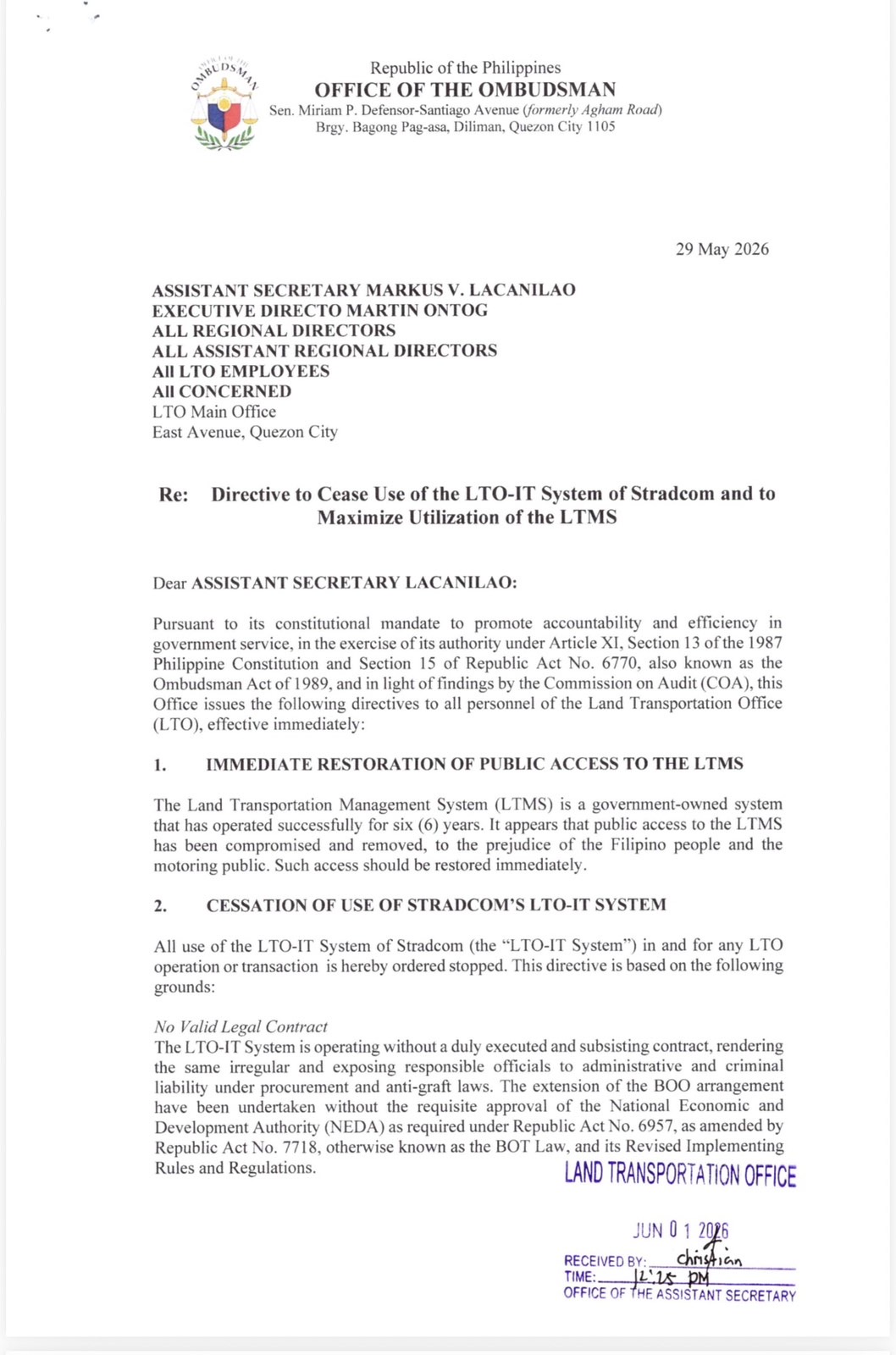
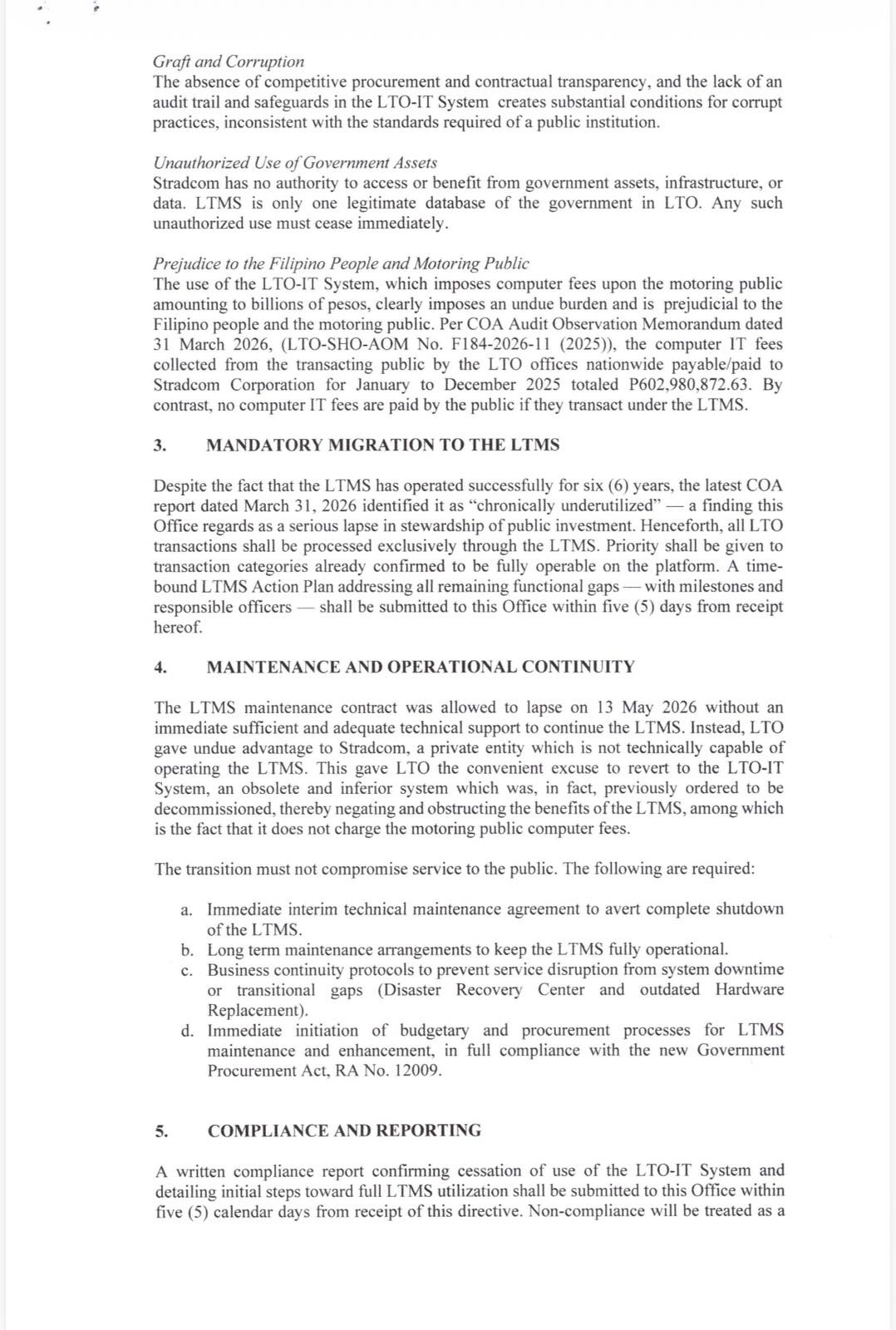
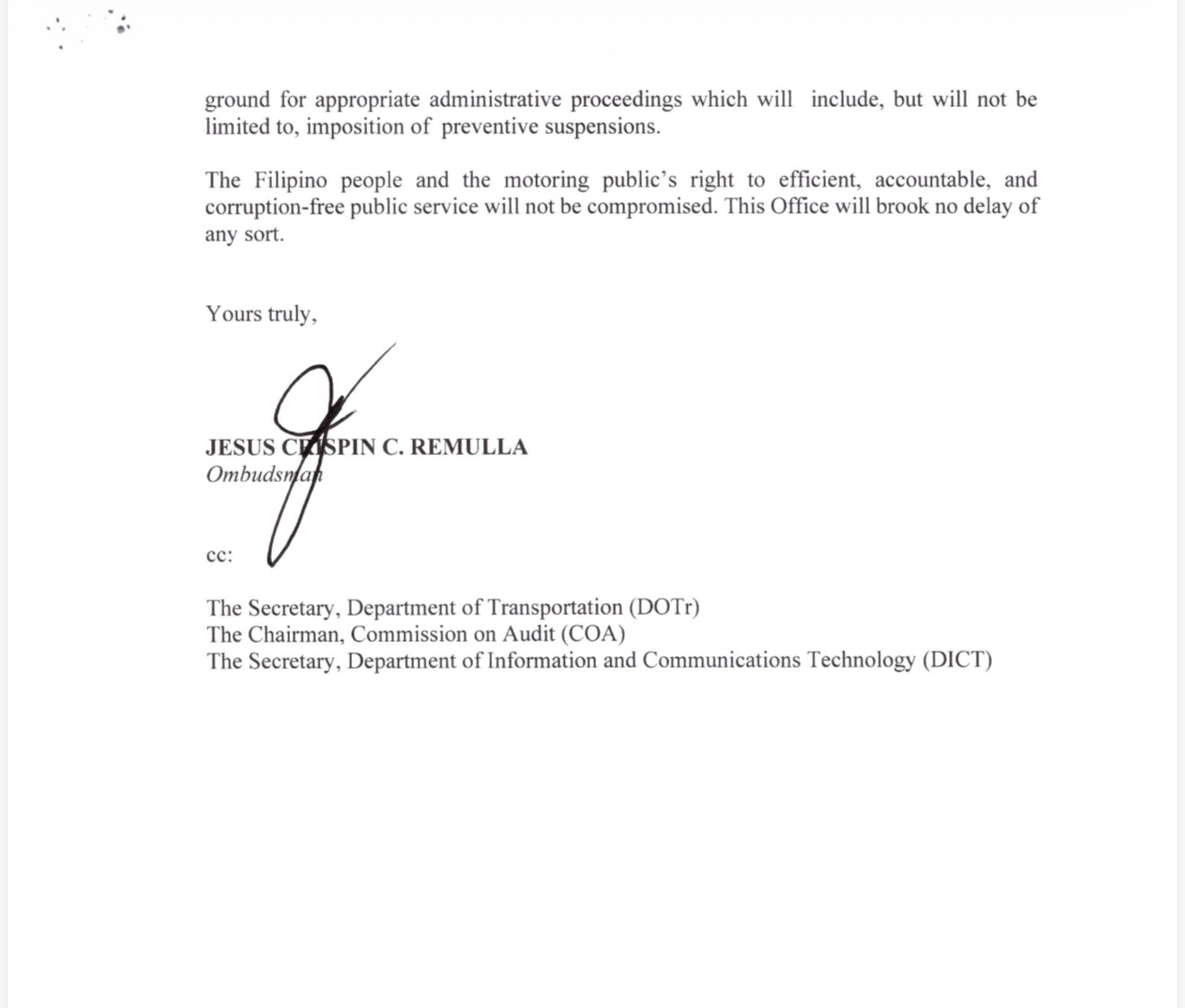
The directive, dated May 29, 2026 and signed by Ombudsman Jesus Crispin “Boying” Remulla, instructed the LTO to immediately restore public access to the LTMS and cease all use of Stradcom’s LTO-IT System for transactions and operations. The order cited concerns involving procurement compliance, alleged lack of a valid legal contract, audit transparency, and the financial burden motorists experience through computer fees.
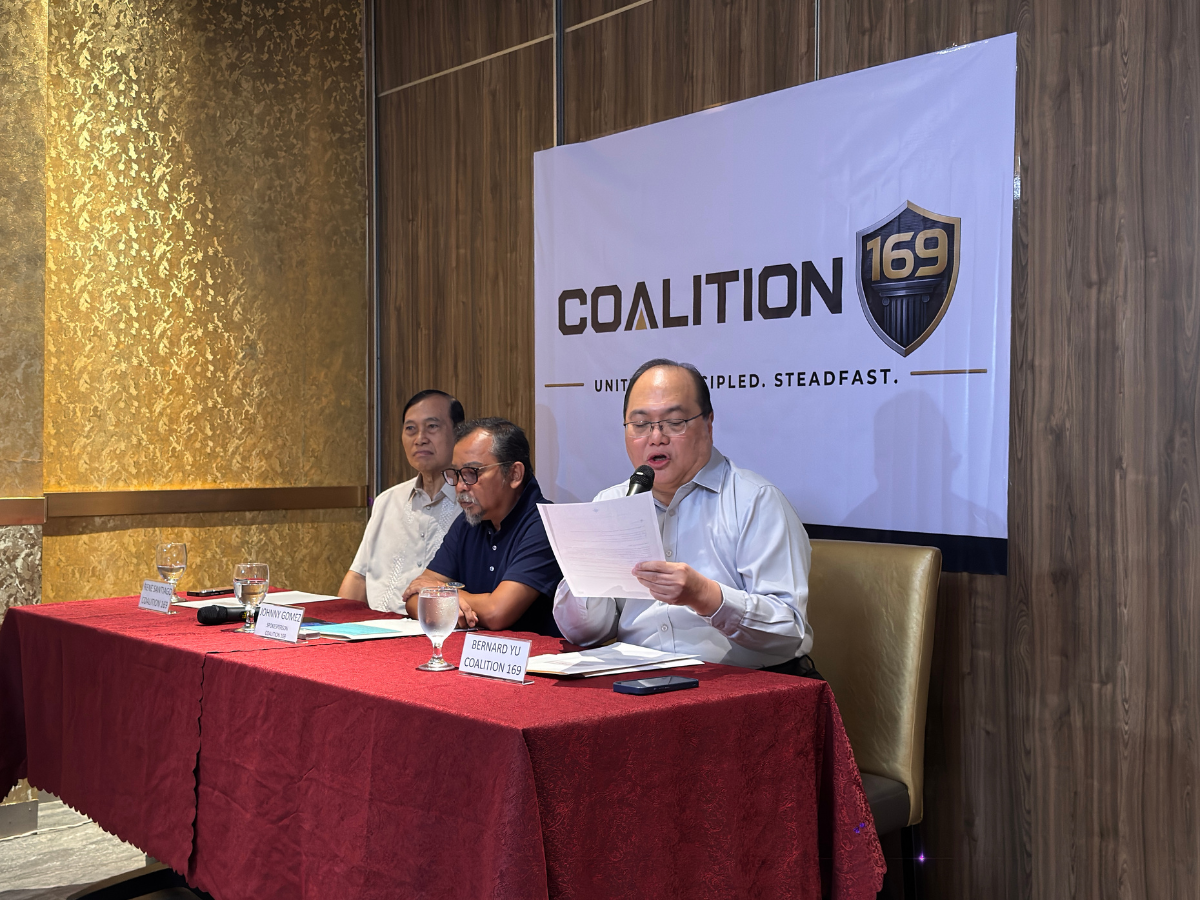
In its statement, Coalition 169 thanked the Office of the Ombudsman for what it described as “decisive action” in addressing issues tied to the Stradcom system. The group said the directive affirmed the importance of transparency, accountability, and adherence to the rule of law in government transactions.
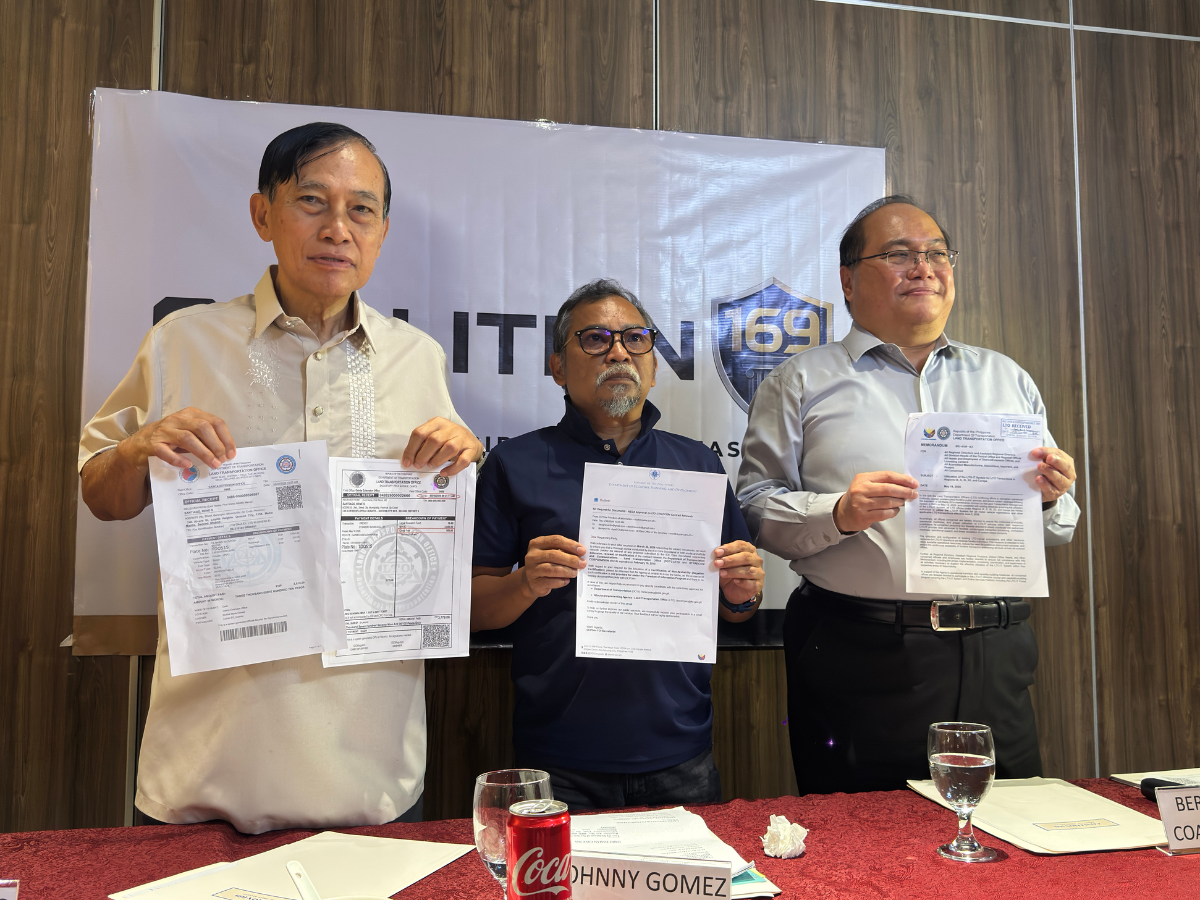
The development follows earlier concerns raised by Coalition 169 regarding the legality of the arrangement between the LTO and Stradcom, particularly questions surrounding approvals and procurement processes. Those concerns were previously discussed in an earlier report published by Autocar Philippines.
According to the Ombudsman’s directive, the LTMS has been operational for six years and was described as the government’s legitimate database platform for the LTO. The order also stated that the LTO and Stradcom had no valid contract in place as of May 31, 2026, a point cited in directing the agency to discontinue use of the Stradcom-operated system. The document further referenced findings from a Commission on Audit (COA) observation memorandum dated March 31, 2026, which reportedly identified the LTMS as being “chronically underutilized.”
The order further claimed that computer fees collected nationwide through the LTO-IT System and payable to Stradcom from January to December 2025 reached over P602 million. It added that no computer IT fees are charged to the public when transactions are processed through the LTMS.
Coalition 169, however, said corrective action alone would not be enough. The group called for the continuation of the Ombudsman’s investigation to identify any officials or individuals who may have been involved in possible violations, abuse of authority, or irregularities connected to the implementation and use of the Stradcom LTO-IT System.
The LTO has yet to issue a formal public response regarding the directive as of posting.
Autocar’s Take
The Ombudsman’s directive marks a significant moment in the ongoing discussion surrounding the LTO’s digital systems and procurement processes. More than the technology itself, the issue now centers on transparency, accountability, and public trust in government services.
Coalition 169’s response shows how closely the matter is being watched, particularly with concerns involving public funds, system access, and motorist fees. At this stage, the focus will likely shift toward how the LTO implements the transition to LTMS while maintaining uninterrupted public service. With investigations and compliance measures still ongoing, the coming weeks may prove crucial in determining the long-term direction of the agency’s digital operations.
Below is a copy of Ombudsman Remulla’s response, as obtained by Coalition 169 from the Office of the Ombudsman.