
For years, Vietnamese engineers joked that their country couldn’t even make a screw good enough for export. That line, once a symbol of industrial inferiority, no longer applies. Today, Vietnam’s homegrown automaker VinFast is building and exporting electric vehicles across Asia, Europe, and North America—while the Philippines, once decades ahead, continues to wait for the next wave of foreign investment to revive its own auto industry.
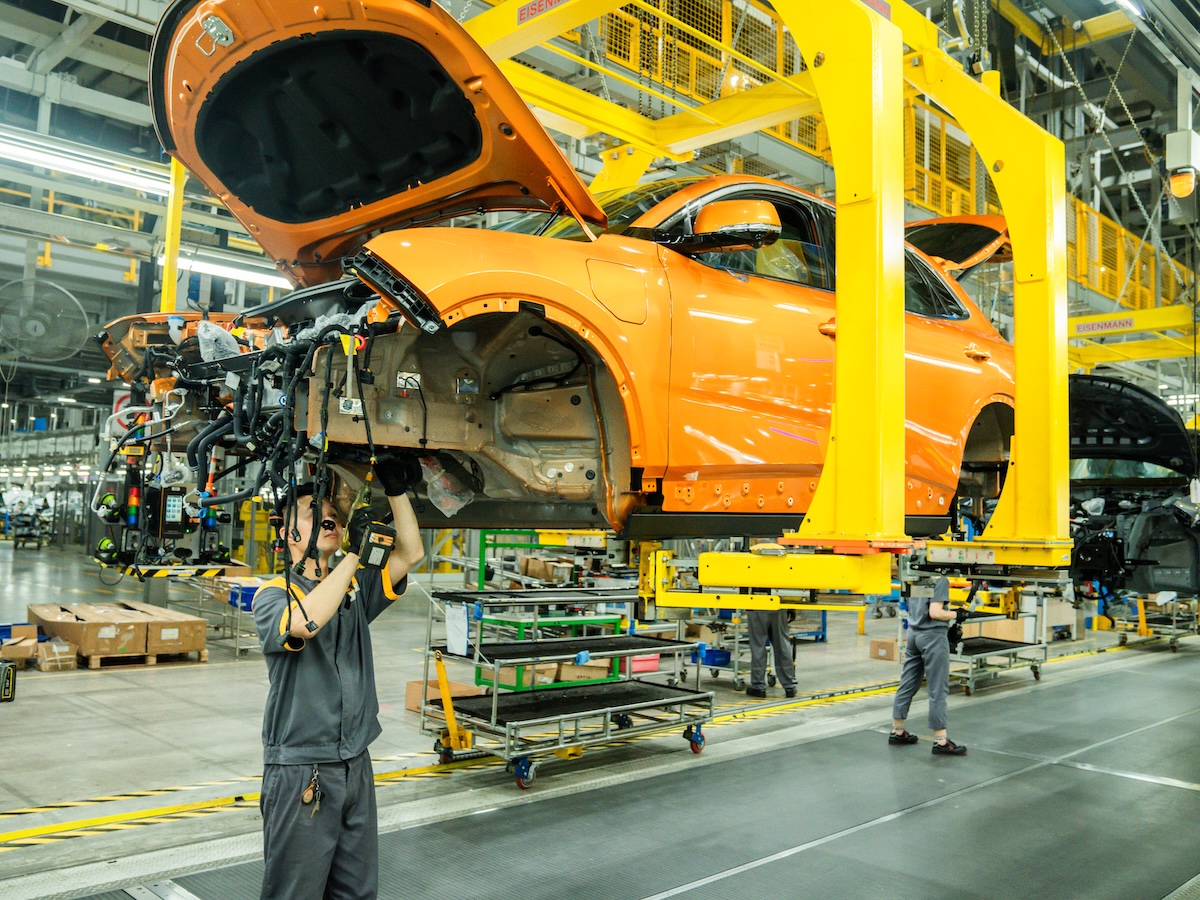
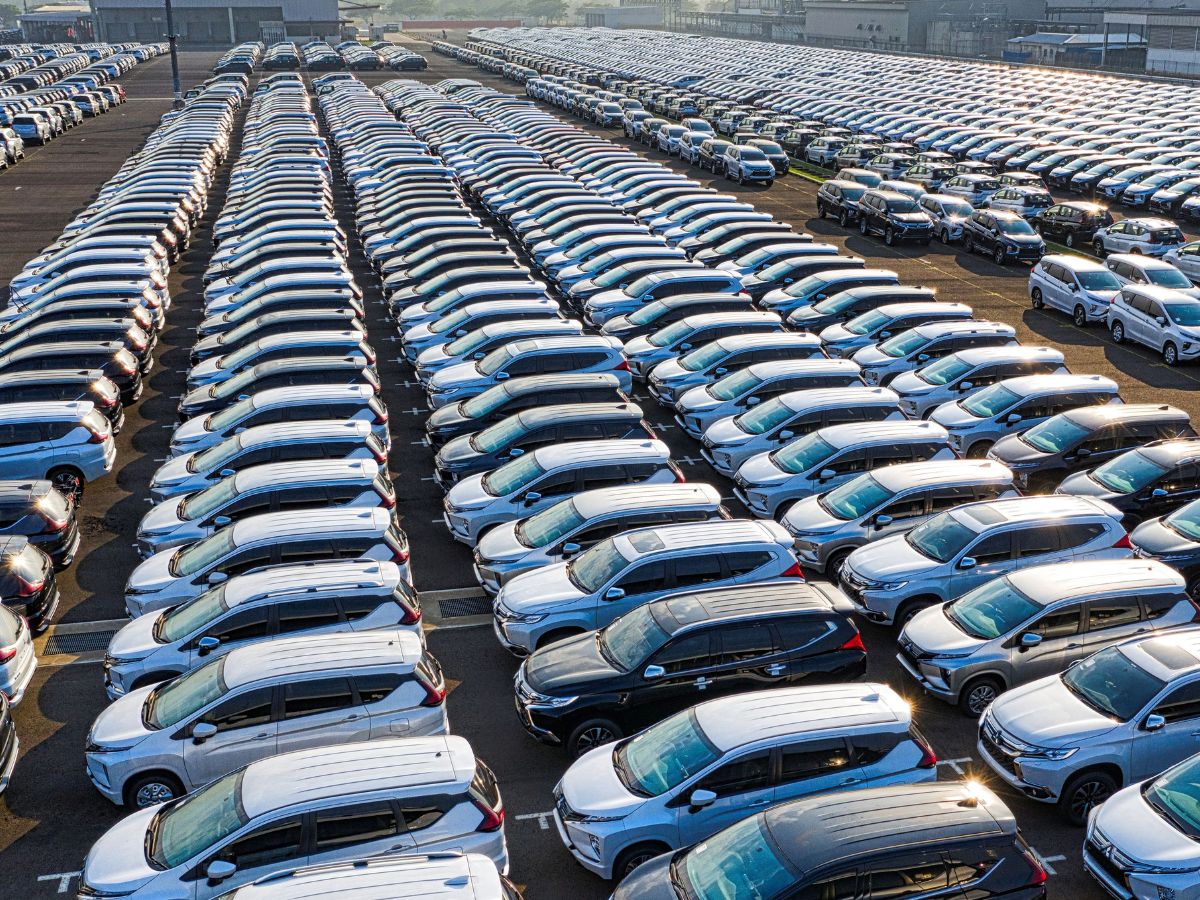
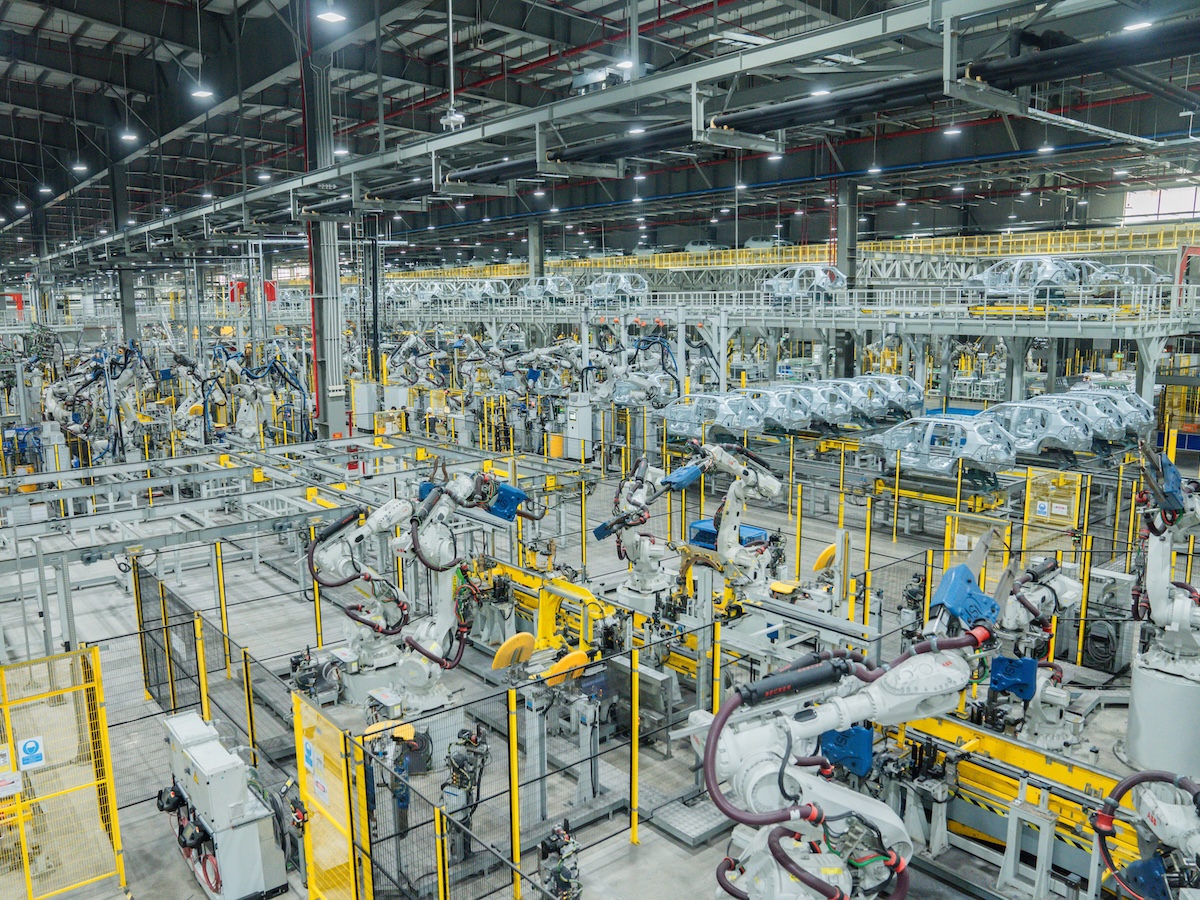
In just eight years, VinFast has reshaped Vietnam’s manufacturing landscape. Its Hai Phong plant was completed in a record 21 months, followed by a second facility in Ha Tinh capable of producing 200,000 vehicles annually. The company sold nearly 90,000 electric vehicles in the first eight months of 2025, with 60 percent of each unit now made from locally produced components. That figure is expected to rise to 84 percent by next year.

More than a business success, VinFast’s story marks a national transformation—from a country known for assembling products to one that now builds them entirely in-house. Hundreds of small and medium-sized firms that once made consumer electronics or household goods have shifted to producing EV parts such as body panels, batteries, and motors. VinFast even set aside a third of its Hai Phong complex for local suppliers, ensuring steady domestic demand and knowledge transfer within its ecosystem.
Vietnam’s government supported this with clear direction. Its pledge to reach net-zero emissions by 2050 has turned electric mobility into state policy. The government provided tax incentives, infrastructure funding, and a target for full electrification of taxis and buses by 2030.
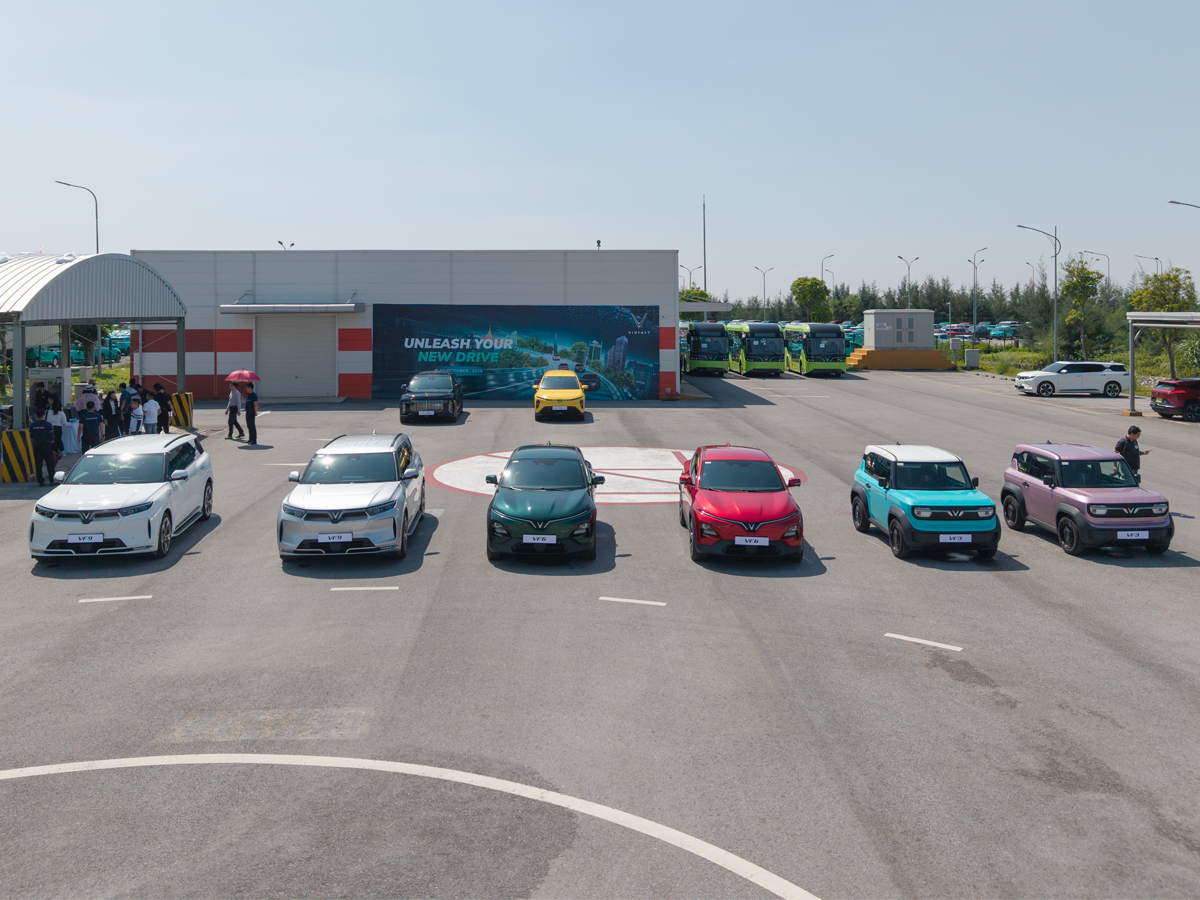
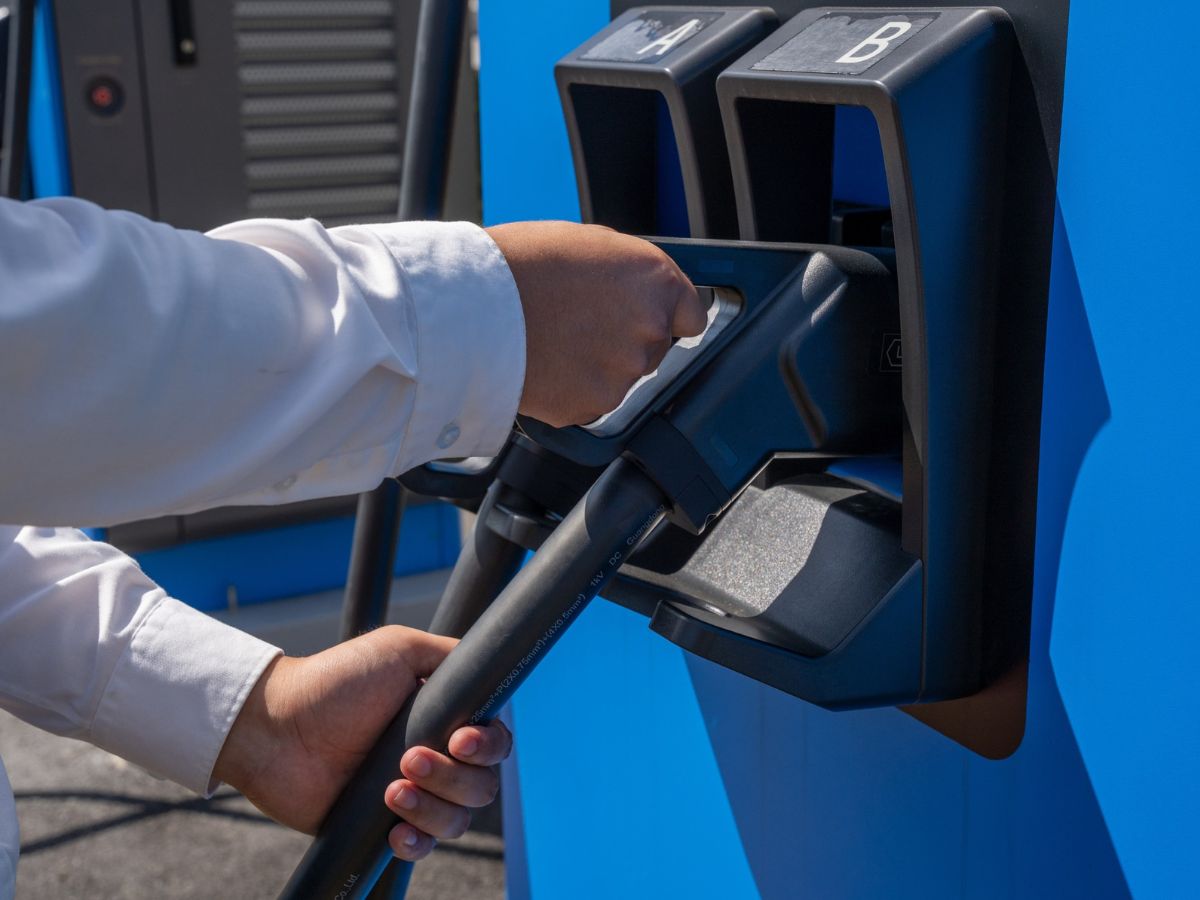
The results are visible. VinFast’s VF 8 SUV holds a five-star ASEAN NCAP safety rating. The brand offers 10-year warranties and operates an extensive charging network with around 150,000 points nationwide. Its GSM taxi fleet runs entirely on VinFast EVs, proving that clean mobility can be both practical and profitable.
Meanwhile, the Philippines continues to talk about EV adoption more than it acts on it. We were once Asia’s first automotive hub, assembling vehicles in the 1950s under brands like Ford, Toyota, and Volkswagen. But decades of inconsistent policy, bureaucratic hurdles, and lack of long-term vision have eroded our manufacturing base.
The government’s Comprehensive Automotive Resurgence Strategy (CARS) program has done little to spark growth. Local assembly numbers remain low, and EV initiatives rely more on marketing campaigns than real manufacturing.
The irony is that VinFast is now helping us take our first small step toward electrification. Through Green GSM, the brand has introduced the VF e34 as the country’s first all-electric taxi fleet, supported by partnerships with BDO Unibank and charging provider V-Green. In less than a decade, Vietnam built what the Philippines has been trying to restore for 80 years—a working automotive industry backed by national will and industrial focus.
VinFast’s rise is a reminder that progress comes from building, not waiting. Vietnam’s screw once stood for failure; today, it holds together a future that the Philippines keeps watching disappear in the rearview mirror.