

In many modern cars, traditional doors are giving way to smooth body panels that open only when a handle silently presents itself or, in some cases, when a button invites you inside. It looks clean and unmistakably high-tech. But as cars become more software-driven, a practical question is becoming hard to ignore: should we worry about electronic car doors and flush door handles?
The basics of high-tech car doors
Electronic car doors rely on an electronic signal to operate, unlike traditional doors, which can be operated mechanically via hinges, latches, and linkages. A button, sensor, or touch pad sends a command to the actuator that unlatches the door. In fully electronic designs, there may be no physical connection between the user and the latch. Without power, electronic car doors may not open unless a separate emergency release is used, such as tiny hidden keyholes on the outside or a latch on the inside.
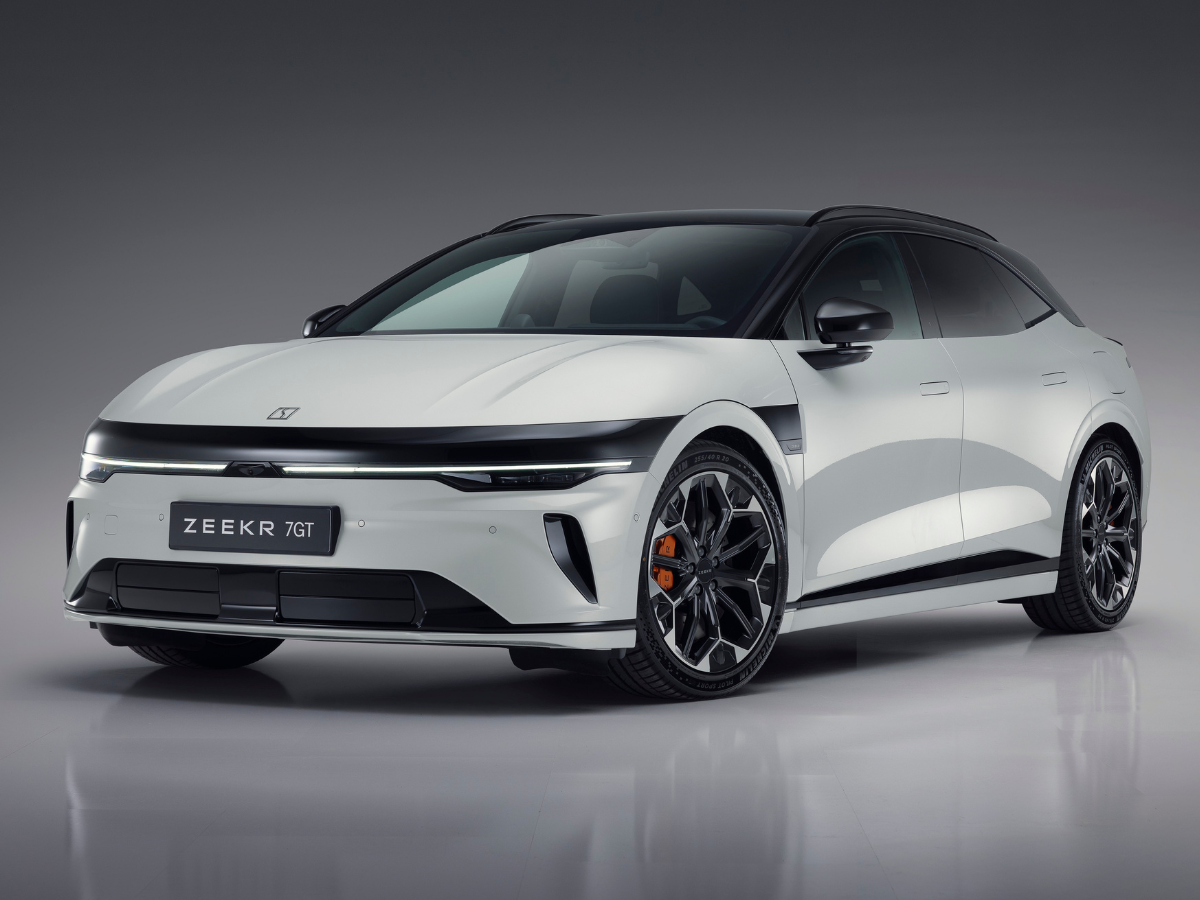
Flush door handles, on the other hand, are basically a design and aerodynamic feature. They sit level with the body panel to reduce drag and create a minimalist exterior design. Many flush handles are still connected to a mechanical latch. Once the handle pops out or is pulled, either by a dedicated finger slot or by pressing one side of the handle, it physically releases the door, even if the vehicle has lost electrical power.
The relatable benefits of high-tech car doors
Manufacturers did not adopt these technologies on a whim. Electronic car doors integrate neatly with keyless entry, smartphone access, and automated locking, making everyday use feel seamless and more convenient. Meanwhile, flush handles offer real aerodynamic gains, small but meaningful gains, especially for electric vehicles (EVs) chasing every extra kilometer of range. They also deliver a clean, futuristic look that many buyers expect from premium, tech-focused brands.

The drawback of such technologies
While electronic car doors and flush handles offer gains aligned with consumer preferences today, these technologies do have drawbacks. And it all stems from complexity, especially when convenience meets real-world failure. Electronic systems add motors, wiring, software, and sensors to what used to be a mechanical part. More components could mean more potential points of failure. In a collision or electrical shutdown, doors that depend entirely on power can delay evacuation or make it harder for rescuers to gain access.
A region’s take on high-tech doors
These drawbacks are no longer just theoretical stuff today. Case in point, Chinese regulators have approved new safety rules taking effect in 2027, requiring passenger vehicles sold in the region to have mechanically functional interior and exterior door handles. The rules require that doors remain operational even if the electrical system fails. Designs that rely on electronic actuation without mechanical backup will no longer be allowed.
Keep in mind that China’s move is not an outright ban on flush door handles themselves. Hidden or retractable handles remain acceptable, provided they remain mechanically connected to the vehicle and feature a physical release that can be easily used in an emergency. The focus is on electronic-only door systems that stop working when power is lost.

Are high-tech doors a reason for concern?
The answer to this question is no, not concerned or alarmed, but informed. Prospective owners should understand how a vehicle’s doors operate in a worst-case scenario. Can the door be opened if the battery fails? Is the emergency release clearly marked and easily accessible? In an emergency situation, people may take a moment to figure out how to go around with operating electronic doors and flush handles, but these technologies are not inherently unsafe.
The real risk lies when a vehicle with these high-tech gizmos is designed with no primitive but dependable bypass systems in place.