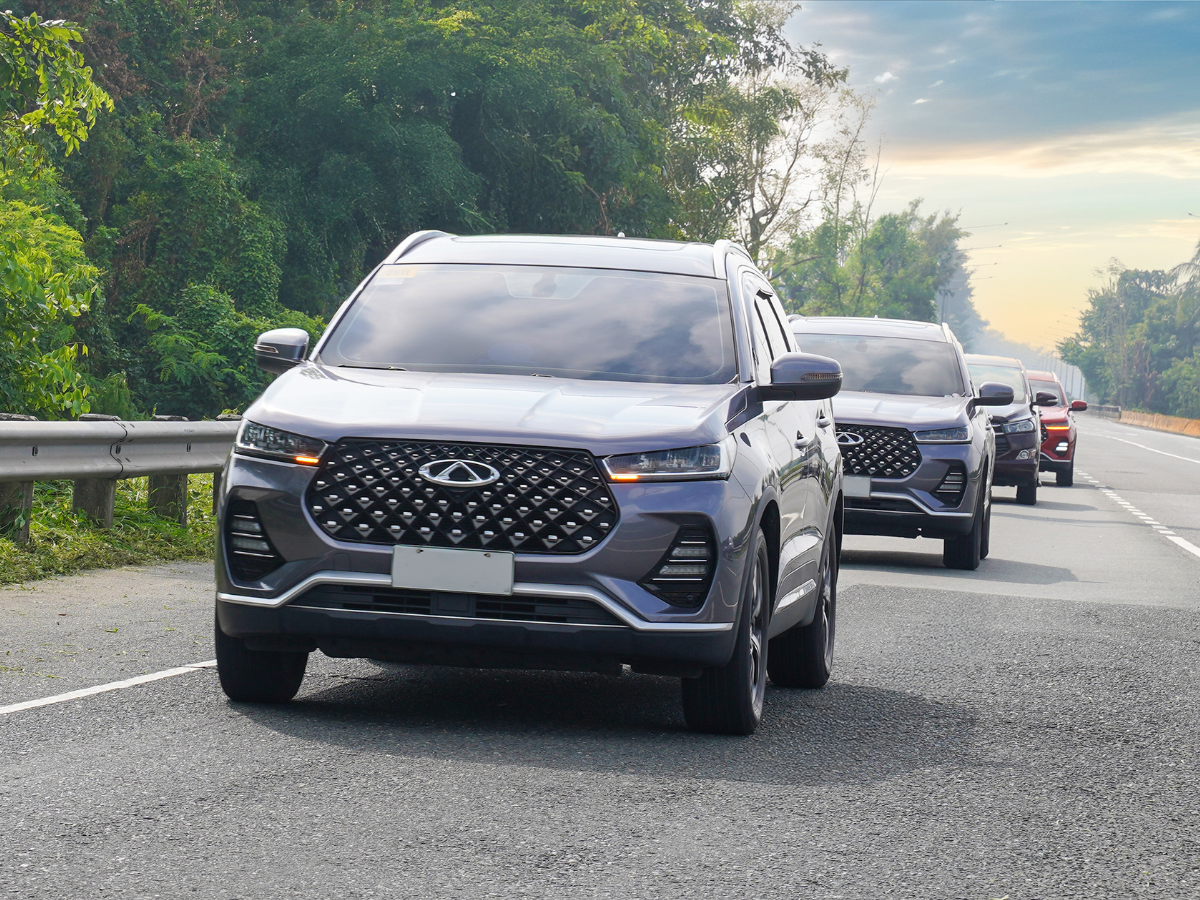

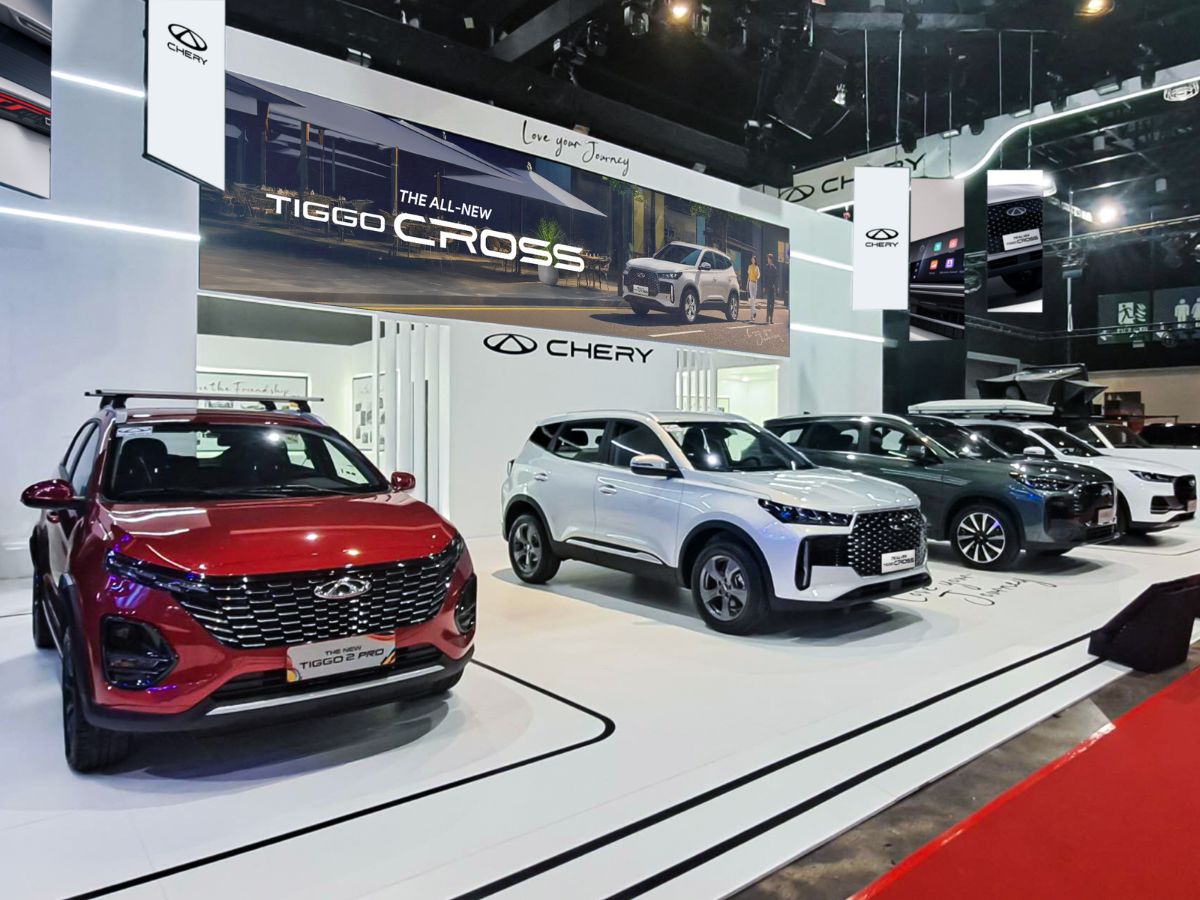
Chinese car brand Chery has reaffirmed its commitment to continued internal combustion engine (ICE) development, even as the global automotive industry accelerates towards electrification. The company has stated that ICE will remain a critical part of its product strategy, particularly in markets where infrastructure, affordability, and usage requirements still favor conventional powertrains.
Peter Matkin, Chief Engineer of Chery International, told Australian media outlet Car Expert that ICE technology still has meaningful gains to offer. With this in mind, the automaker is developing next-generation turbocharged gasoline and diesel engines designed to deliver significantly higher thermal efficiency than current mainstream units. Chery clarified that this move is not a form of resistance to electrification, but as a response to the realities of global markets where fuel availability, emissions regulations, and consumer expectations vary widely.
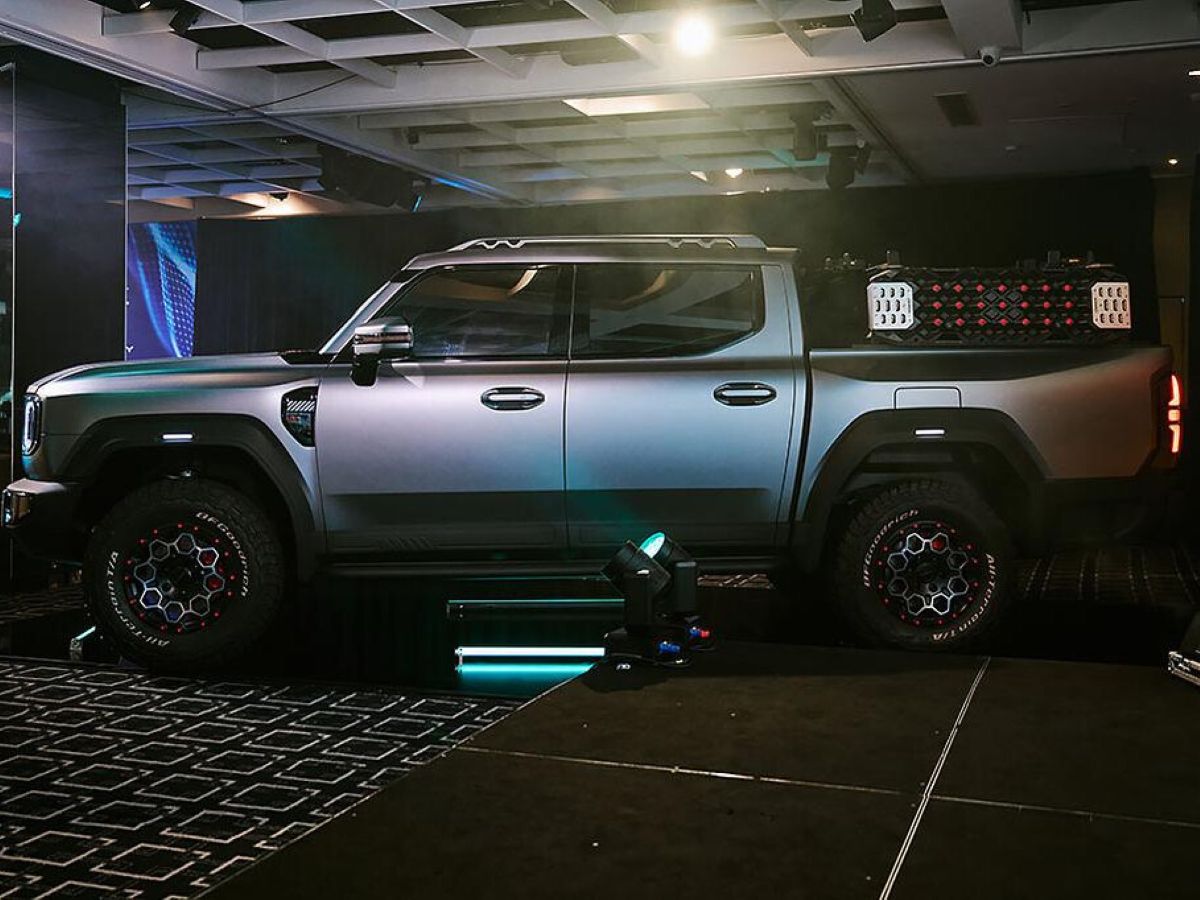
This philosophy is now being applied to one of the most globally competitive heckle segments today – the midsize pickup truck. Chery’s upcoming KP31 project represents a major step for the brand, making its first serious entry into the diesel-powered pickup segment. Scheduled for a market debut this year, the KP31 is being developed as a dual-cab utility vehicle with traditional body-on-frame construction, targeting key players in the segment such as the Mitsubishi Triton and the Toyota Hilux.
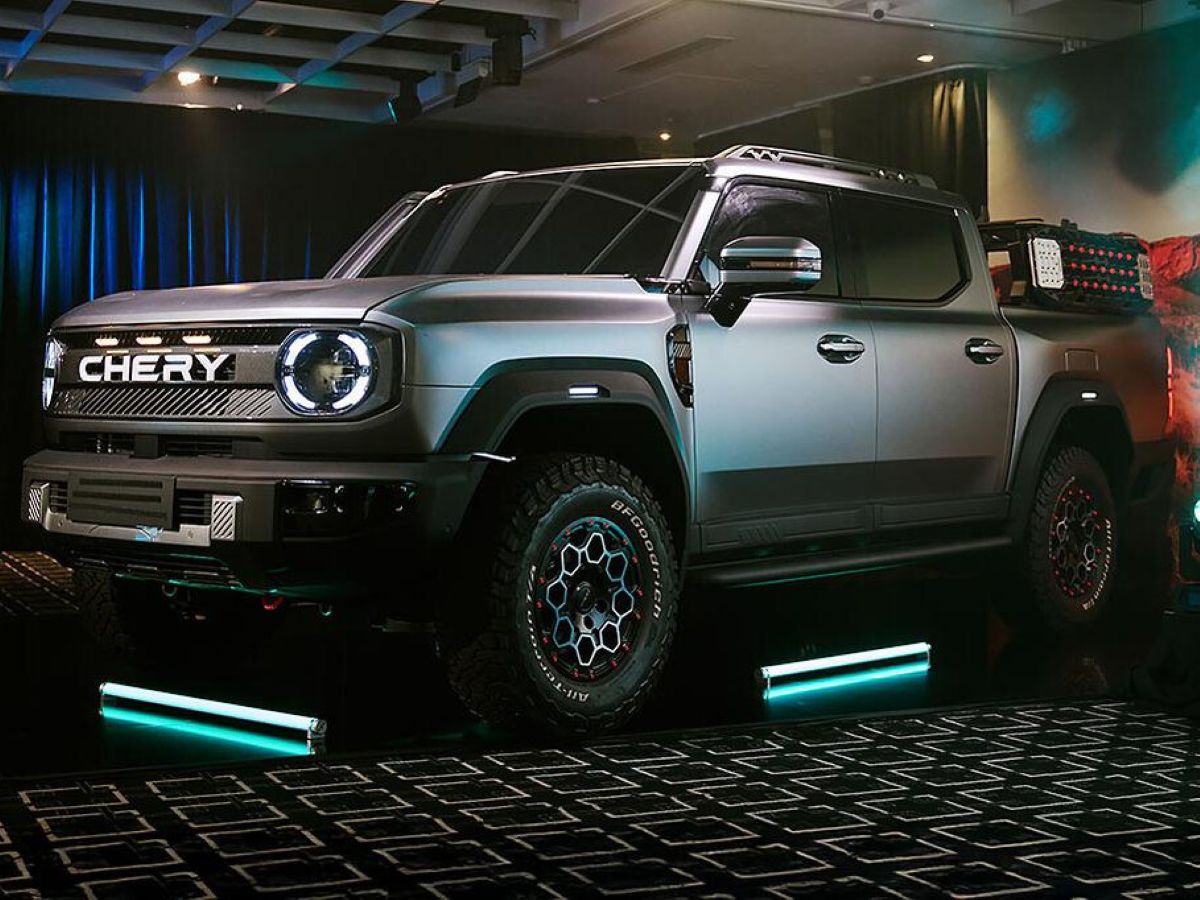
At the heart of the KP31 is a diesel-powered plug-in hybrid electric powertrain. It combines a 2.5-liter turbo-diesel engine with electric motors and a battery system, allowing the vehicle to maintain the long-range capability and torque characteristics of a diesel pickup while improving overall efficiency. Chery has indicated that this configuration delivers measurable fuel savings compared to traditional diesel setup, while also reducing noise and vibration – two long-standing drawbacks of diesel vehicles based on user experience.
Capability remains a central focus, The KP31 is being engineered to meet the expectations of work-oriented and lifestyle buyers alike. Chery is aiming for a payload of approximately 1,000 kg and a towing capacity of up to 3.5 tonnes.
By pairing diesel durability with future-ready hybrid technology, Chery is positioning the KP31 as a bridge between traditional utility vehicles and electrified mobility. For Chery, the message of the KP31 is simple: the transition to electrification will now be uniform, and well-engineered ICE and hybrid solutions still have a big role to play in the automotive global arena.
Autocar’s Take
As electrification dominates headlines, Chery’s diesel hybrid strategy feels refreshing and grounded to the realities we live in today. Markets that rely on pickups value range, towing, and durability, and a diesel plug-in hybrid addresses these needs without ignoring efficiency gains from electrification. With the KP31 in the works, Chery understands that electrification is a transition, not a switch that changes things overnight.
Improving combustion efficiency while improving hybrid tech is kind of like a bridge that many buyers can realistically cross. This approach to electrification is also being implemented by Toyota, hence its focus on pushing forward its hybridized models such as the Ativ HEV, Yaris Cross HEV, RAV4 HEV, among others.
For Chery, the test will be pricing, reliability, and long-term support over multiple ownership cycles and demanding commercial use cases.