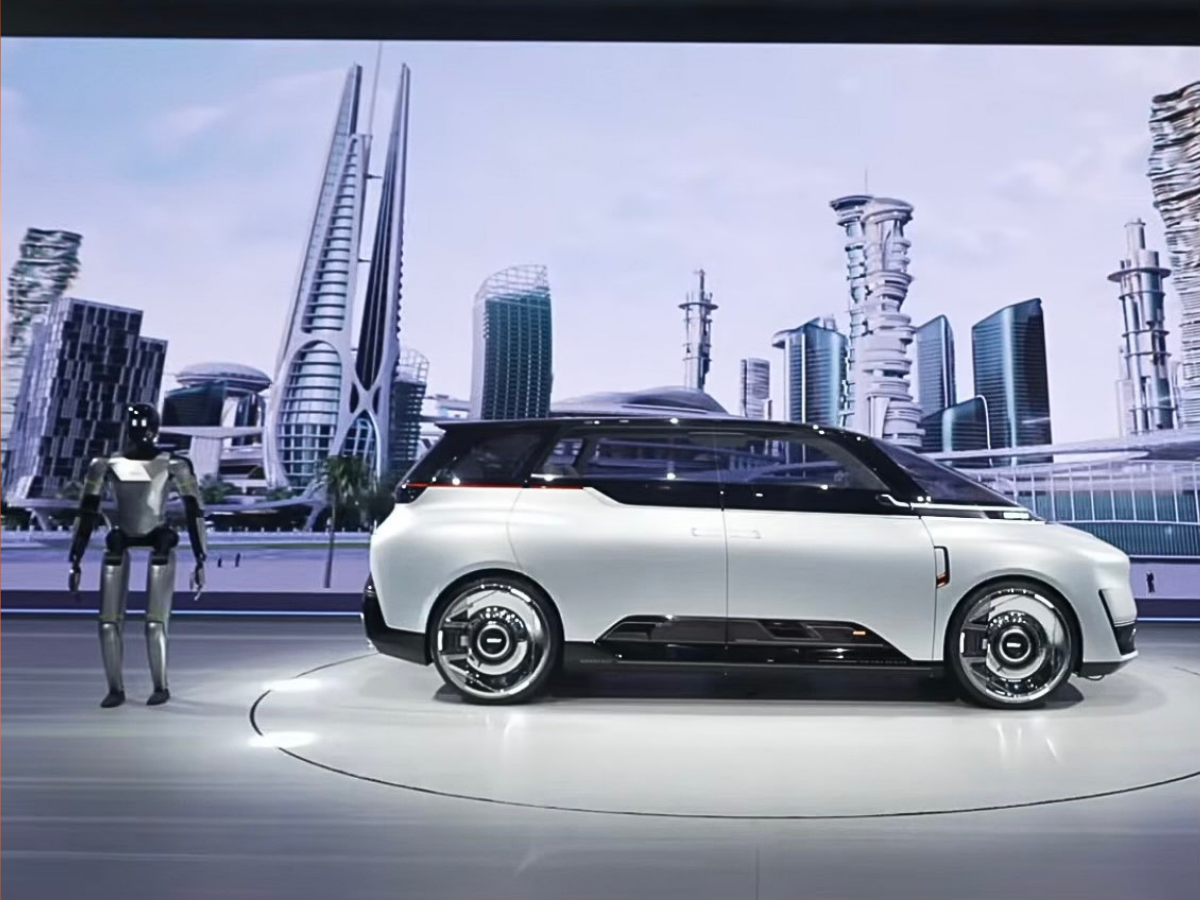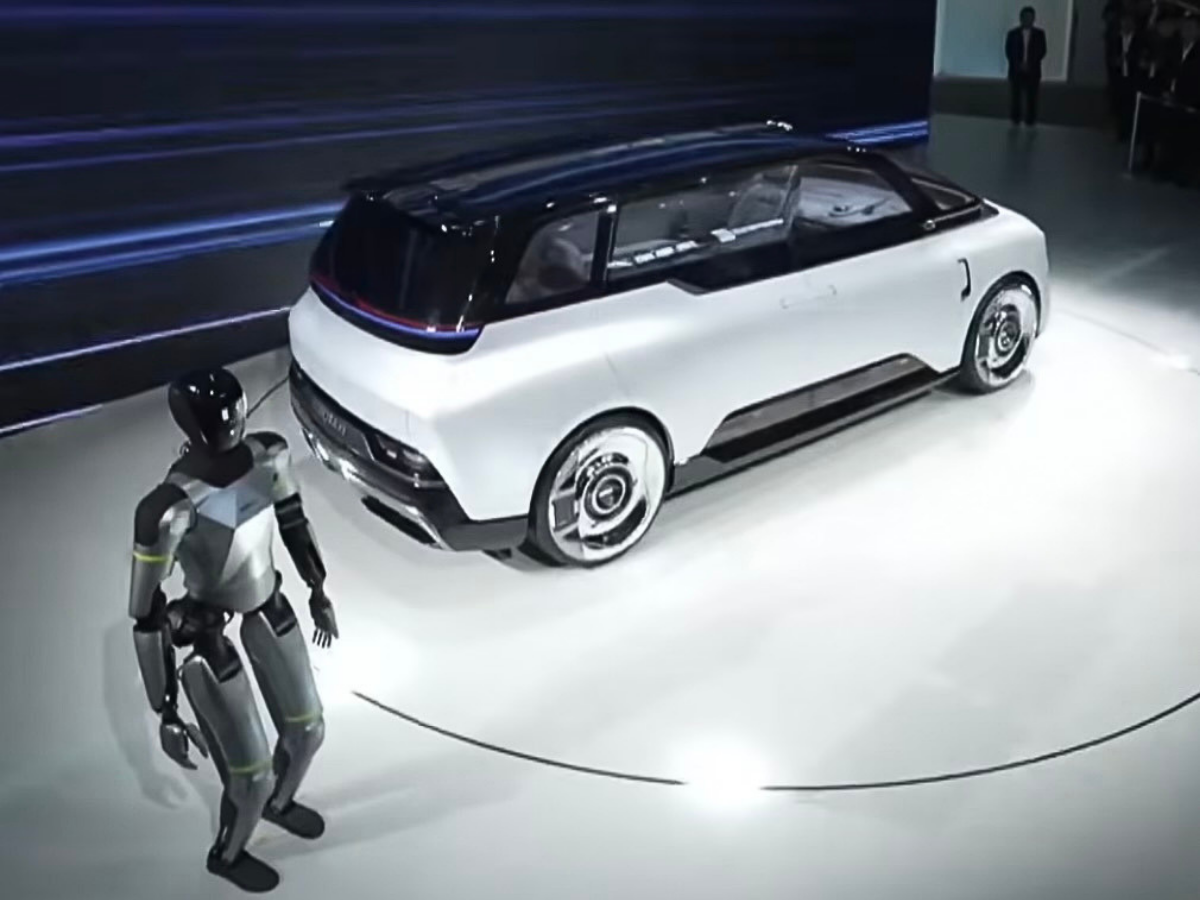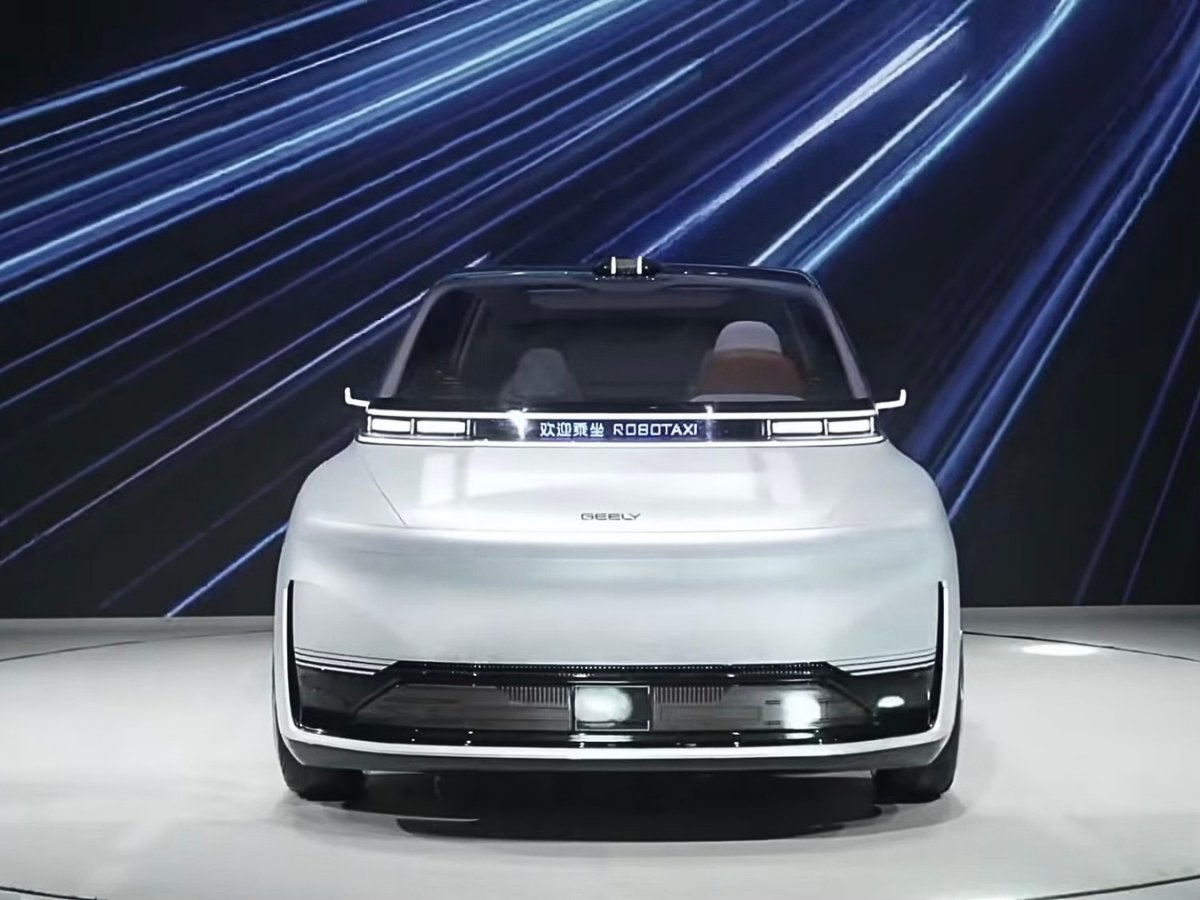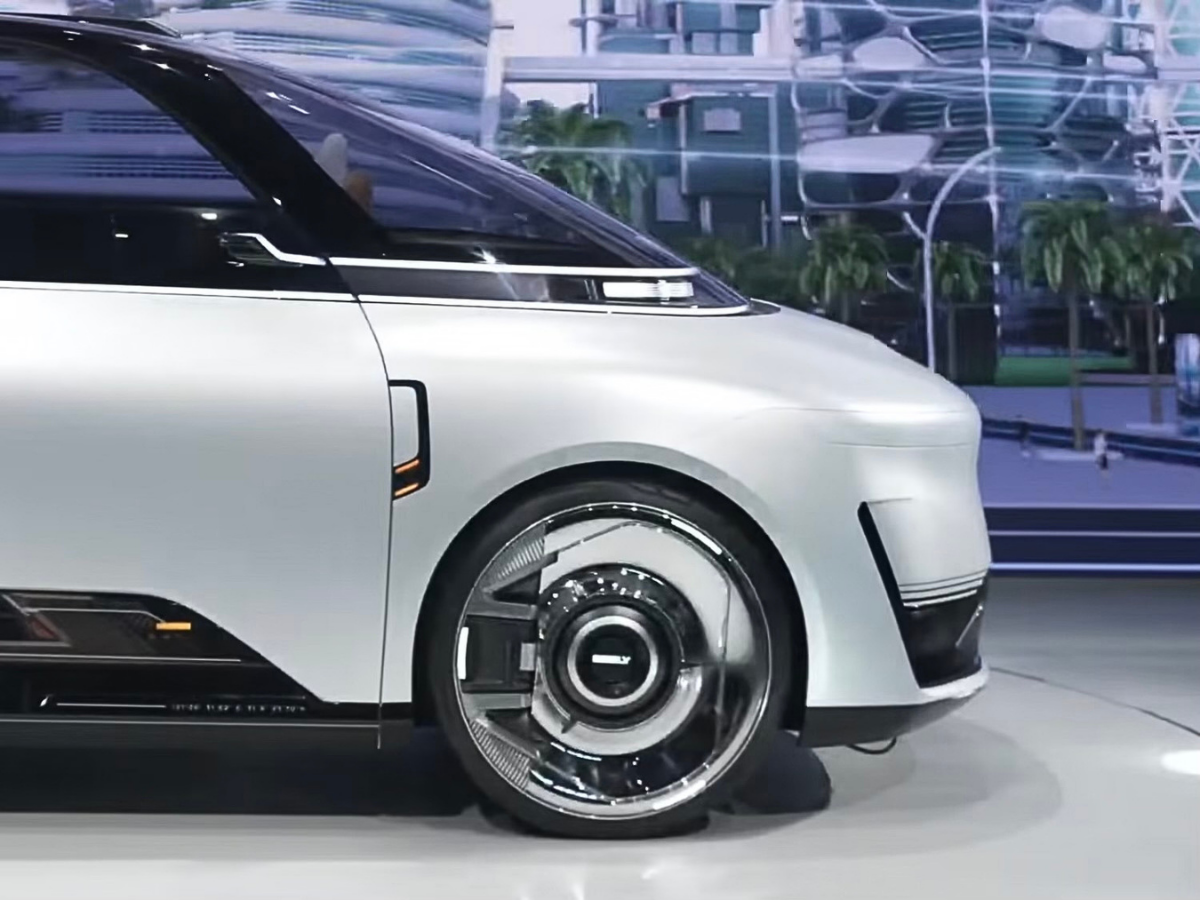

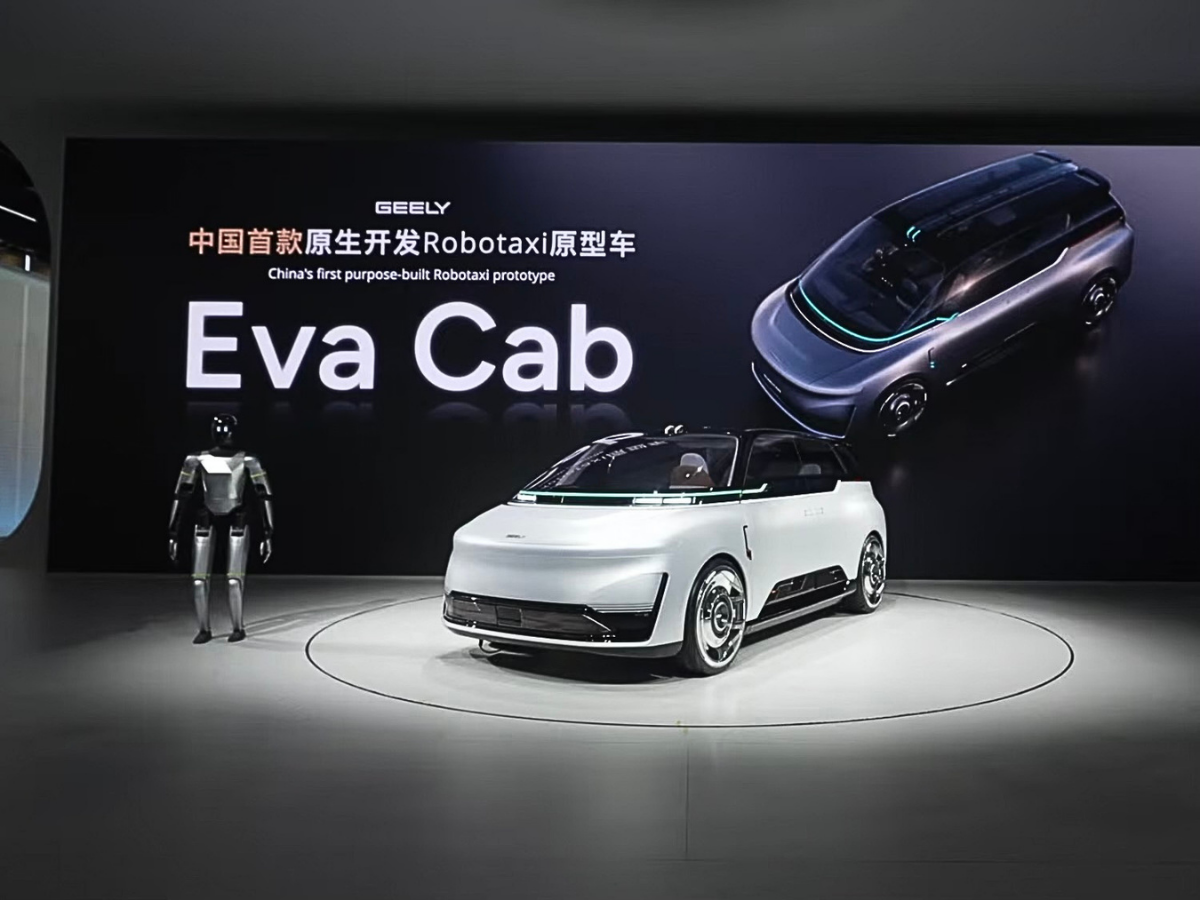
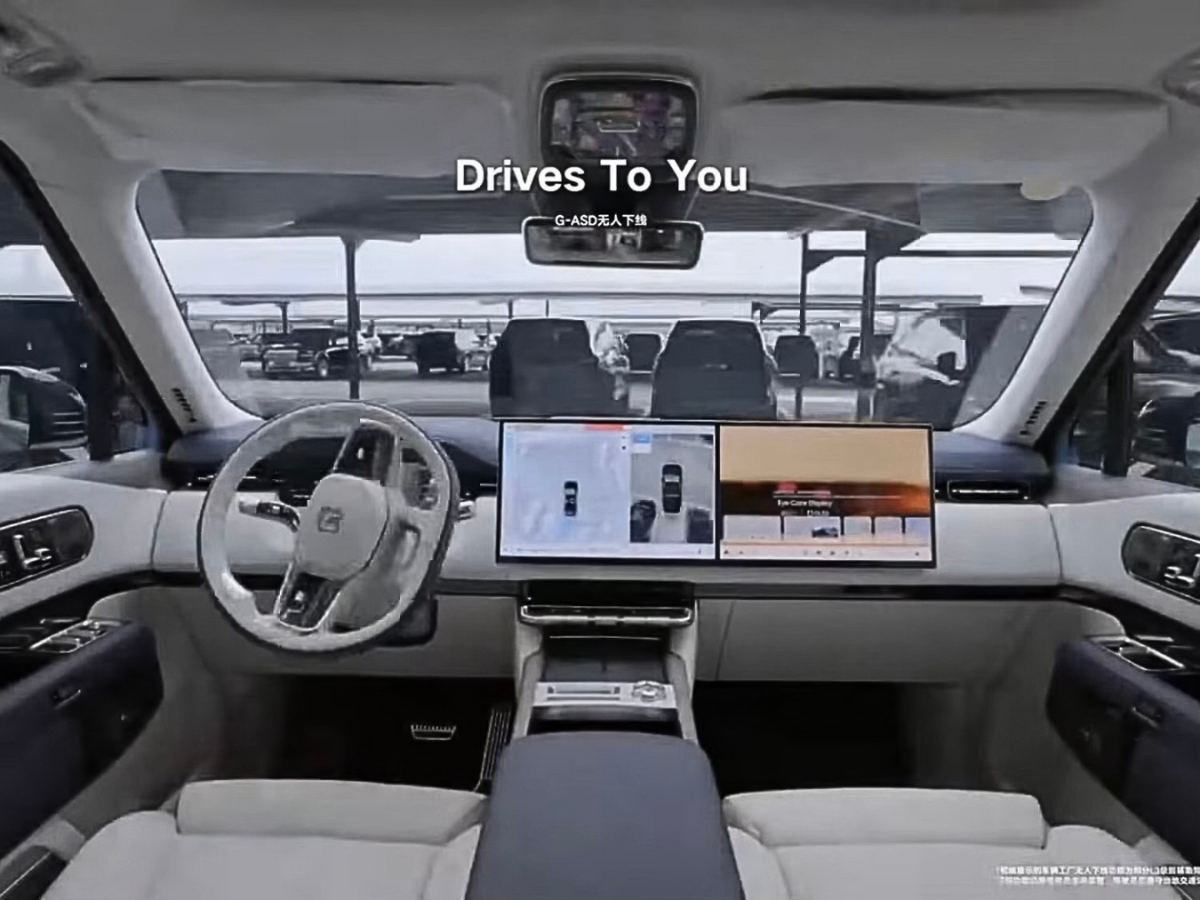
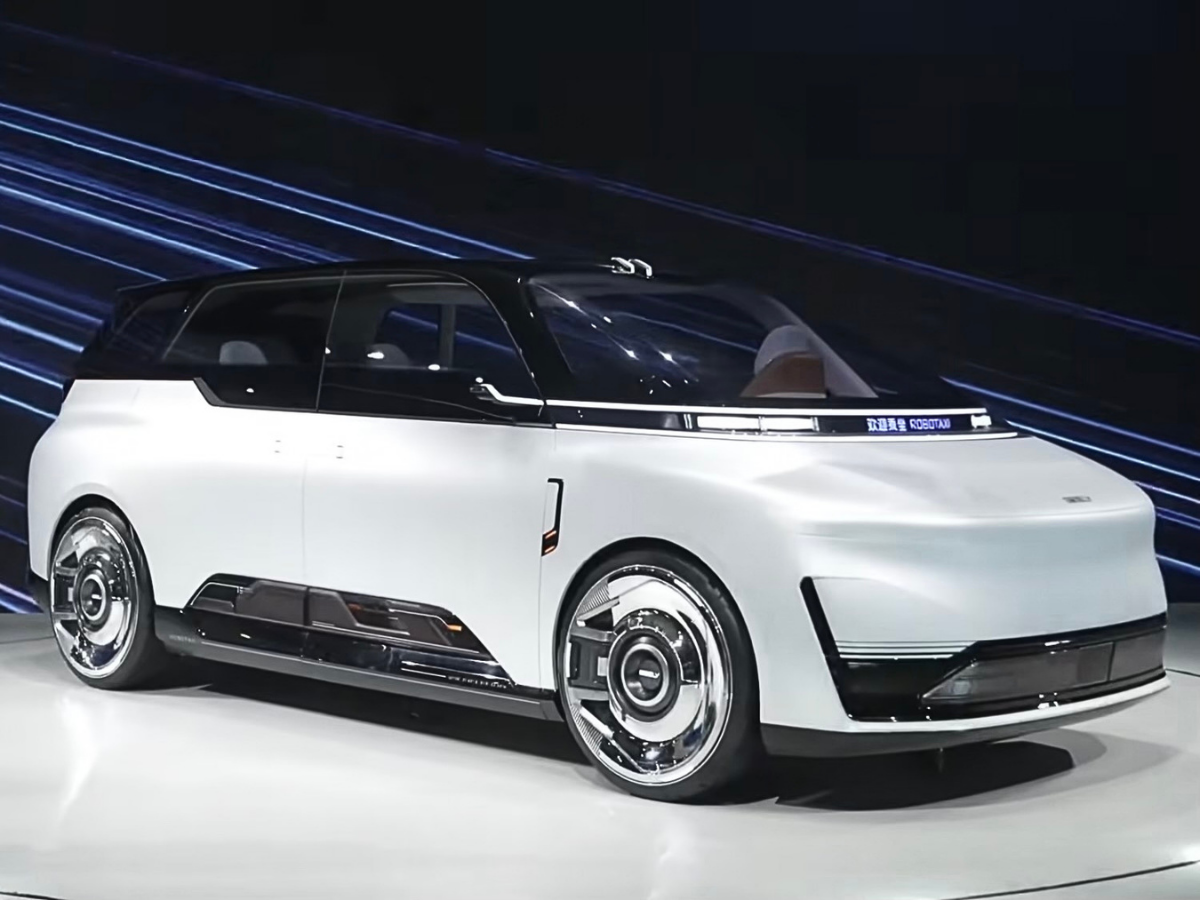
Geely’s latest concept, the Eva Cab, offers a glimpse of what urban mobility could look like in just a few years from now. Unveiled as a purpose-built robotaxi at the recently concluded Beijing Auto Show (Auto China) 2026, the vehicle is designed to operate without a human driver. This means the car is exclusively designed to have no steering wheel and pedals — just a fully autonomous system intended to move passengers around efficiently.
On paper, it all sounds impressive. The Eva Cab is engineered for Level 4 autonomy, meaning it can handle most driving situations on its own within defined areas. It works by utilizing a host of components such as sensors, cameras, and high-powered computing to navigate roads, avoid obstacles, and make real-time decisions.
In more detail, Geely plans to roll out the Eva Cab robotaxi as early as 2027 through Caocao Mobility, a Geely-backed ride-hailing service, with ambitions to send out thousands of units globally by the end of the decade. But while markets like China, the US, and some parts of Europe are steadily building infrastructures and regulatory frameworks to support the technology, the Philippine context presents a very different reality.
For one, road infrastructure remains inconsistent. From unclear road markings and unpredictable traffic flow to frequent road works and congestion, especially on rainy days and festive seasons such as the holidays when traffic volume increases due to Christmas rush — local driving conditions are far less structured than what most autonomous systems are currently designed to handle. Even advanced driver-assistance systems (ADAS) found in many locally available cars today struggle in such environments.
Another challenge is the legality. Of note, the Philippines has no comprehensive framework governing self-driving cars, particularly those operating without a human driver on standby to take over when things get complicated on the road. Issues around liability, safety standards, and enforcement would need to be clearly defined before any deployment could even be considered.
Finally, connectivity and mapping also play a crucial role. Driverless vehicles rely heavily on high-definition maps and stable data network connections — areas where coverage can still be uneven across the country. In that light, while the Eva Cab represents a bold step forward globally, its arrival in the Philippines anytime soon appears unlikely. For now, the technology serves more as a preview of what is possible in the foreseeable future.
Autocar’s Take
The idea of a completely driverless car is exciting — what used to be just science fiction is now becoming a real thing. But it feels far removed from the Philippine reality. Local roads are unpredictable, and even human drivers struggle with the daily chaos of traffic, inconsistent markings, and enforcement gaps.
Until infrastructure improves and clear laws are put in place, autonomous vehicles like the Geely Eva Cab robotaxi will remain more of a concept than an actual practical mobility solution here. That said, developments like this are still worth watching out for and looking forward to.
They show where mobility is heading globally. And perhaps, in time, they can push local policymakers and planners to start preparing for a smarter, more structured transport future.