
Globally, Honda Motor is grappling with a strategic reset. But if you zoom in on the Philippines, the story becomes even more telling – and far more urgent.
Because while Honda recalibrates its electric vehicle ambitions abroad, its position locally is quietly slipping.
According to data cited by Nikkei Asia and industry reports, Honda has already begun pulling back on parts of its EV strategy, absorbing heavy costs and facing its first net loss in decades. That’s the global headline. But in the Philippines, the numbers paint a different kind of concern – not collapse, but irrelevance creeping in.
In 2025, Honda Cars Philippines sold 16,257 vehicles. On paper, that’s actually growth—up around 4.7% year-on-year. But context matters. That figure only placed Honda eighth in the market, far behind leaders like Toyota and Mitsubishi, and now even trailing newer challengers reshaping the industry.
Let that sink in: Honda is growing – but losing ground.
This is where the disconnect lies. Globally, Honda’s crisis is framed around EV miscalculations. Locally, it’s about momentum – or the lack of it.
The Philippine market is evolving fast. Electrified vehicles—hybrids, EVs, and plug-ins—now account for a growing slice of total sales, doubling their share in just a year. Chinese brands like BYD are capitalizing on this shift with aggressive pricing, rapid product cycles, and a clear EV-first message. Meanwhile, legacy Japanese brands are leaning on hybrids and proven nameplates to stay relevant.
Honda? It’s caught somewhere in between.
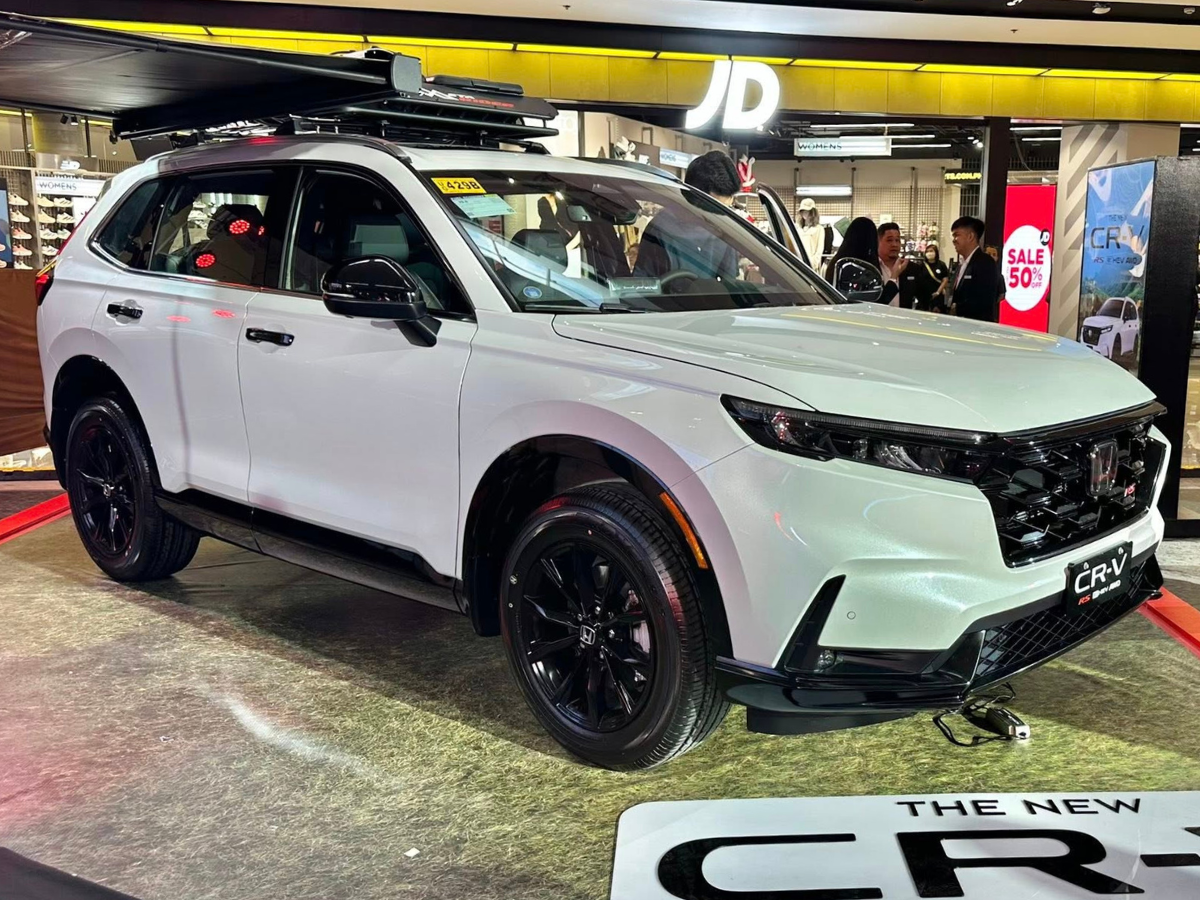
On the one hand, it still has strong products. The CR-V e:HEV, Civic, and even the humble Brio continue to resonate with Filipino buyers. Its lineup remains competitive, even award-winning. On the other hand, much of Honda’s recent growth has been driven by promotions, discounts, and tactical pricing – hardly the signs of a brand leading the charge.
That’s not leadership. That’s defense.
Even Honda’s own local strategy hints at this cautious approach. The company is targeting just 3–5% growth, expanding dealerships incrementally, and leaning on incremental updates rather than bold new plays. In a market that’s becoming increasingly aggressive and innovation-driven, that feels… safe. Maybe too safe.
And that’s the real issue.
Honda built its reputation in the Philippines on desirability – Civics that defined generations, CR-Vs that became aspirational family cars, and a brand image rooted in engineering excellence. Today, it risks becoming just another option in the middle of the pack.
The irony is that the Philippine market might actually be Honda’s opportunity to reset. Unlike China or the U.S., this is still a hybrid-friendly, brand-conscious space where reputation matters as much as technology. It’s a market where Honda’s strengths – refinement, reliability, and driving feel – still carry weight.
But only if the company chooses to play offense again.
Because right now, the numbers are clear: Honda isn’t collapsing in the Philippines. It’s simply being outpaced. And in today’s auto industry, that may be just as dangerous.