

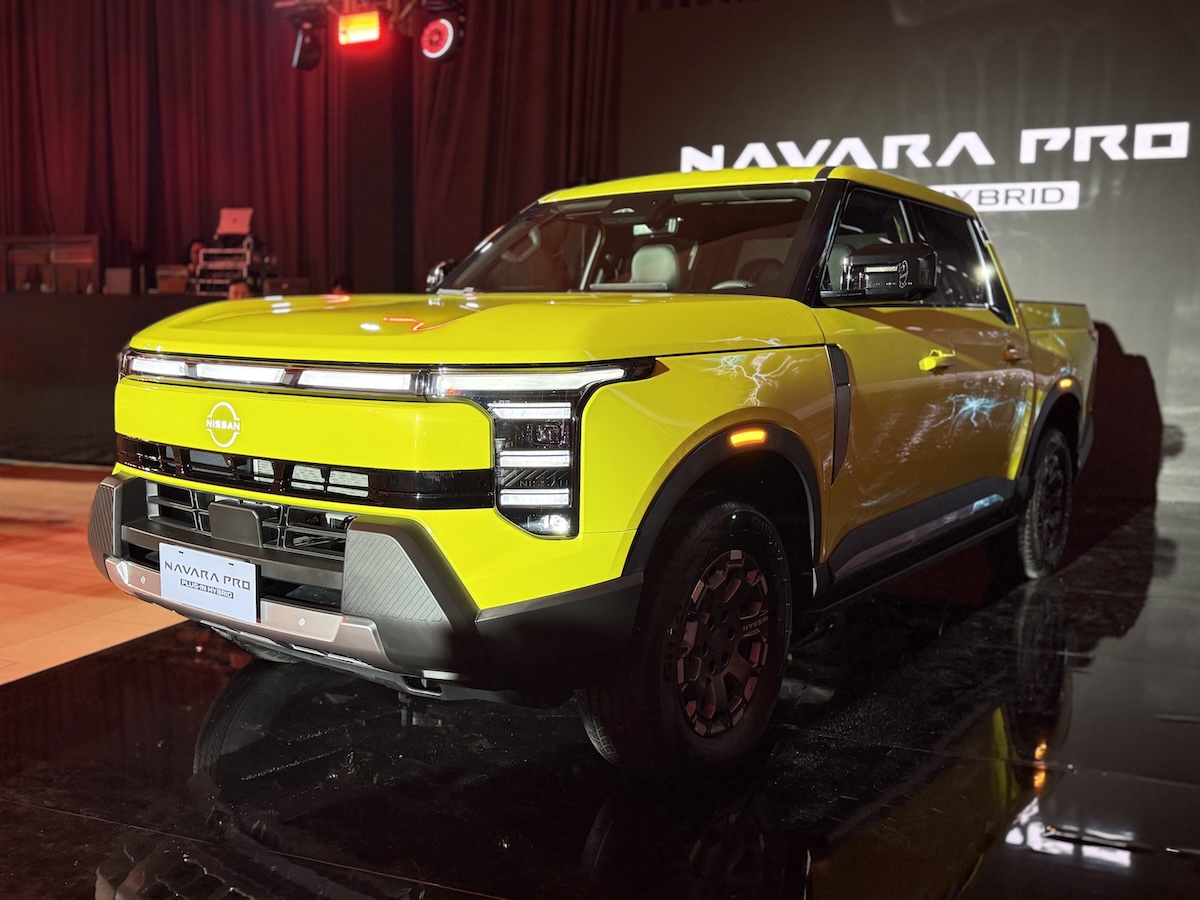
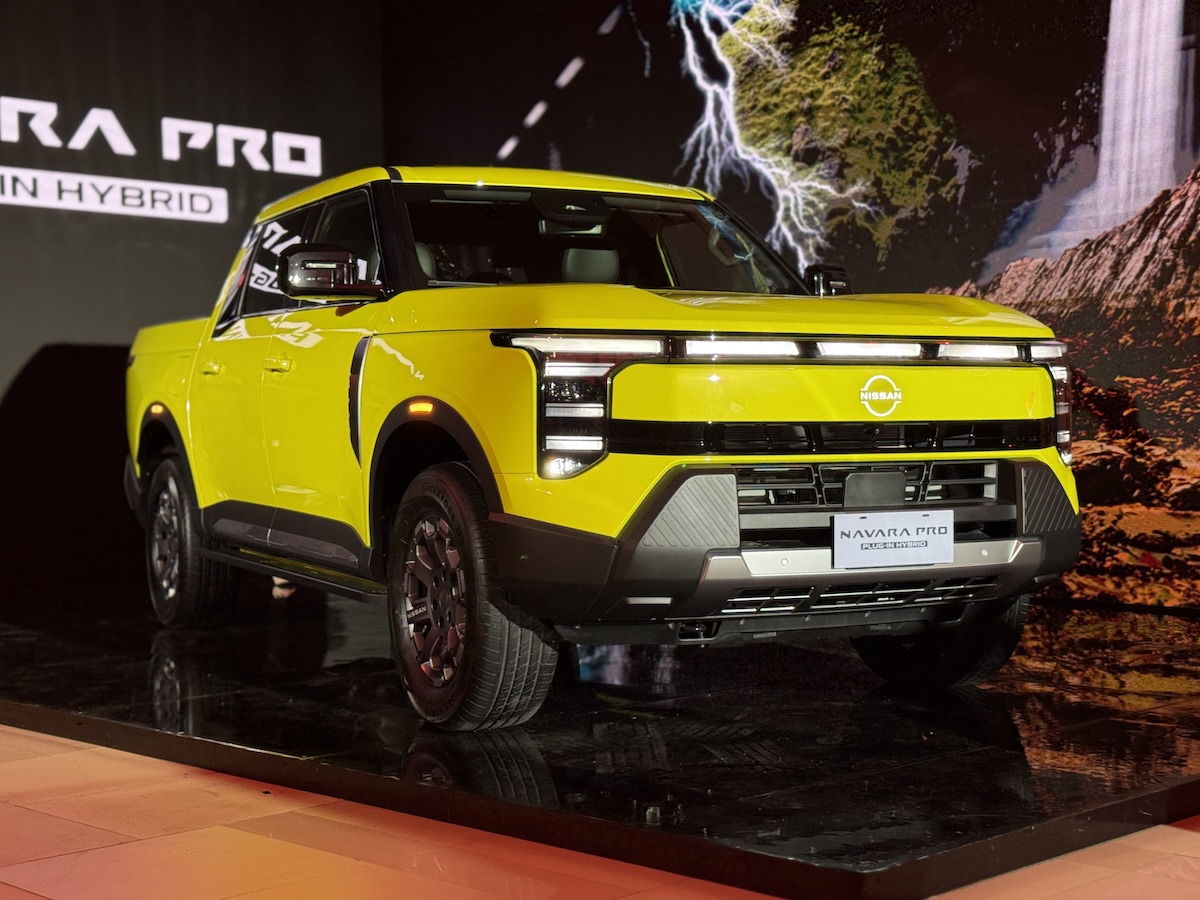
Nissan Philippines’ introduction of the Navara Pro Plug-in Hybrid Electric Vehicle (PHEV) raises an interesting question for pickup buyers. With diesel prices reaching unusually high levels because of the Middle East conflict, does it make more financial sense to buy the electrified Navara rather than its conventional diesel-powered counterpart?
The answer depends on daily mileage, charging costs and what happens to fuel prices in the coming months.
The recent U.S. midterm elections have added another consideration. The Democrats’ victory in both houses of Congress on November 3 could increase pressure on President Donald Trump‘s administration to pursue a diplomatic resolution to the Middle East conflict.
An easing of hostilities could eventually bring oil prices down, although neither peace nor cheaper fuel is guaranteed.
The price difference
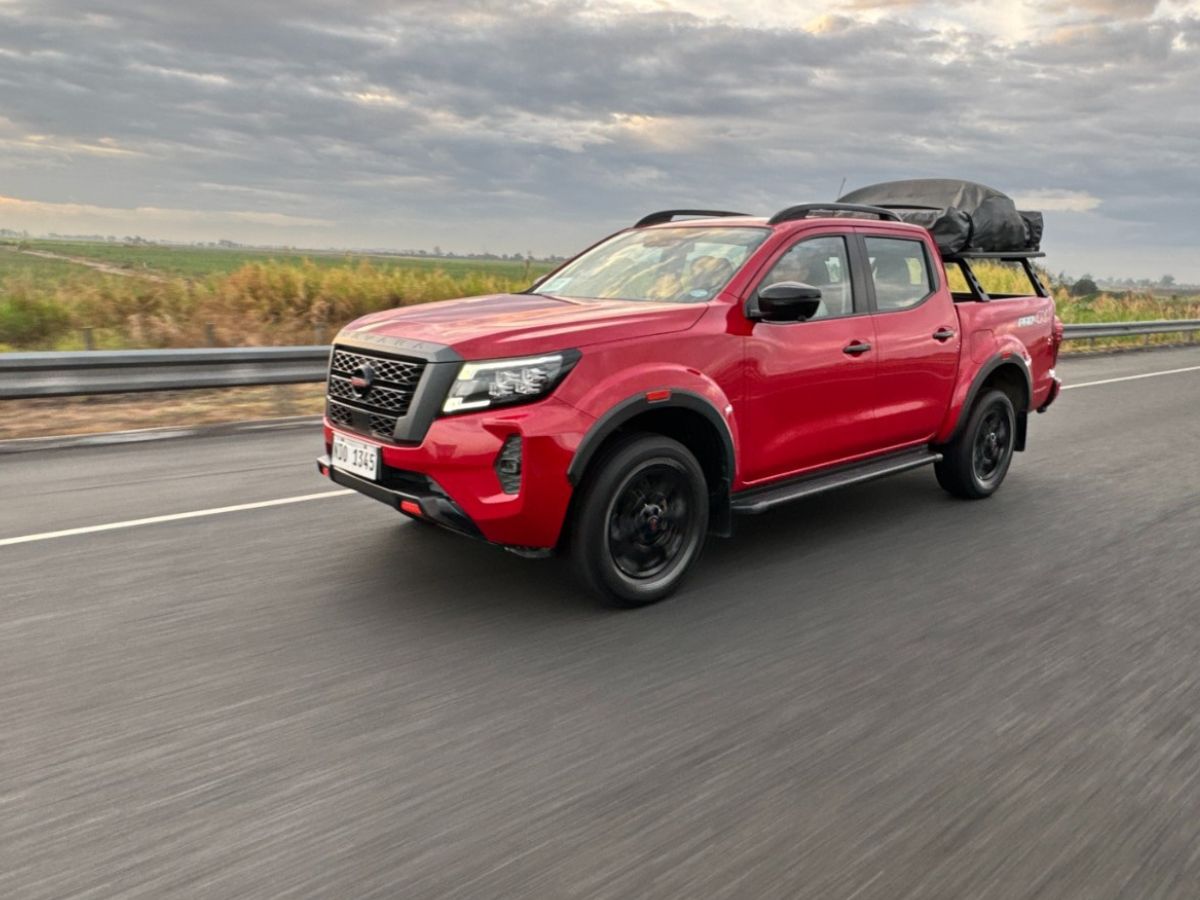
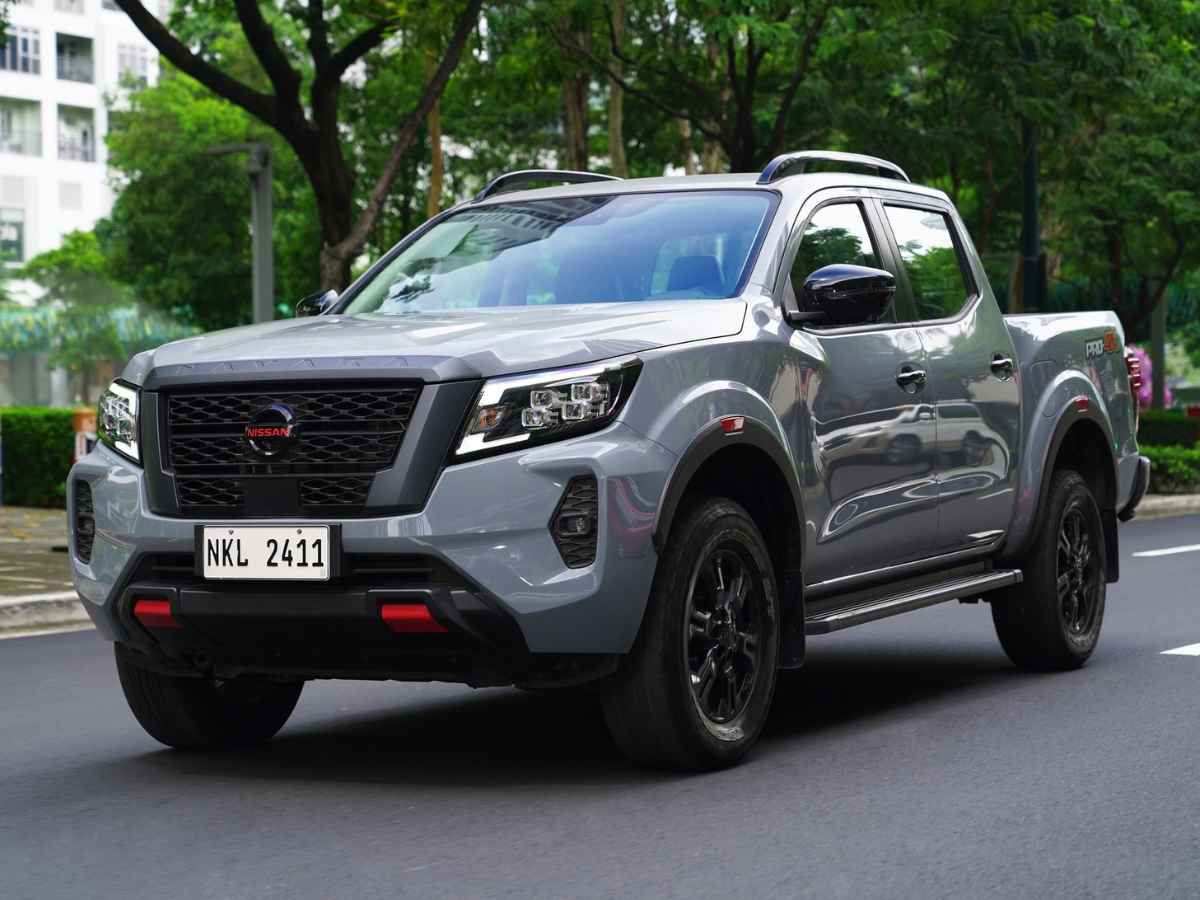
The Navara Pro PHEV VL 4×4 costs P2.448 million under Nissan’s introductory promotion, compared with P2.090 million for the diesel Navara VL 4×4 automatic. That leaves a P358,000 difference, which the PHEV must recover through lower operating expenses.
The PHEV combines a 1.5-liter turbocharged gasoline engine with an electric motor and a 20.24-kWh battery. Nissan claims an electric-only range of 75 kilometers under the New European Driving Cycle (NEDC).
But electricity is not cheap either. Meralco’s October residential rate reached P15.0615 per kilowatt-hour.
Driving 50 kilometers daily
For comparison, we assumed the diesel Navara averages 10 kilometers per liter, while the PHEV consumes 0.30 kWh per kilometer. These are estimates, not actual road-test results.
At the November 3 diesel price of P94.45 per liter, the conventional Navara would consume approximately P472 worth of fuel over 50 kilometers. The PHEV, operating entirely on electricity, would require 15 kWh, costing P225 at an assumed P15 per kWh.
That represents savings of P247 daily. If driven every day, the PHEV would recover its P358,000 price premium in approximately four years. But the calculation changes considerably if fuel prices fall.
Department of Energy figures cited in an April 2026 Senate report placed diesel at P54.31 per liter before the Middle East war. If diesel settles at 20 percent above that level, or P65.17 per liter, the conventional Navara would consume approximately P326 worth of diesel over 50 kilometers. The PHEV would still cost P225 in electricity, reducing daily savings to P101 and extending the payback period to 9.7 years.
Should diesel return to its prewar price, recovering the PHEV’s additional purchase cost would take more than 21 years.
What about 100 kilometers daily?
Longer distances improve the PHEV’s financial advantage, although its gasoline engine must eventually take over.
Assuming 75 kilometers of electric driving and 25 kilometers using gasoline at an estimated 10 kilometers per liter, the PHEV would cost approximately P563 to operate over 100 kilometers at current energy prices. The diesel Navara would consume about P945 worth of fuel. The P382 daily savings would allow the PHEV to recover its premium in approximately 2.6 years.
However, if diesel falls to P65.17 per liter and gasoline settles at P66.30, the diesel Navara would cost around P652 daily against the PHEV’s P503. The payback period increases to 6.6 years. At prewar fuel prices, it stretches to approximately 14.5 years.
These calculations assume 365 driving days annually. Owners using their pickups only on weekdays will need longer to recover the difference.
Solar charging is not free
Some motorists may argue that home solar power could eliminate the PHEV’s charging expenses. But this requires a closer look at how residential solar systems are designed.
Most household installations are sized to cover existing electricity consumption, usually with a modest allowance of perhaps 20 percent. That spare capacity is unlikely to be sufficient for regular EV charging. A 3-kW charger would require a power supply capable of supporting its load, while a 7-kW charger would need substantially more available capacity. The household’s normal electricity consumption must also be considered.
Charging a fully depleted 70-kWh EV battery, for example, would require approximately 78 kWh from the electrical supply after charging losses. A 7-kW charger would need more than 11 hours to deliver that energy. A 3-kW charger would require approximately 26 hours.
Generating 78 kWh daily could require around 22 kW of additional solar panels under favorable Philippine conditions. Charging entirely from stored solar electricity at night would require even more generating capacity, plus roughly 96 kWh of stationary battery storage. The additional equipment could cost well over P1 million, excluding inverter upgrades and installation.
The Navara PHEV has a considerably smaller battery, but even charging it for a 50-kilometer daily commute could require approximately 5 kW of additional solar capacity and substantial home battery storage for nighttime charging.
An illustrative P345,000 expansion for panels and batteries would raise the combined extra investment in the PHEV and its charging system to more than P700,000. At diesel prices 20 percent above prewar levels, recovering that additional investment through avoided diesel purchases could take approximately six years, assuming sufficient solar generation and daily vehicle use.
These estimates exclude any necessary inverter upgrade and other installation expenses.
Solar remains attractive for homeowners with substantial unused generating capacity, particularly those able to charge during daylight. But installing additional panels, batteries and a larger inverter specifically for an EV changes the financial calculation considerably.
Other ownership costs
Fuel and electricity are only part of ownership expenses.
The PHEV still has a gasoline engine requiring maintenance. Battery longevity, replacement costs, parts availability and resale value must also be considered. The diesel Navara has an established service network and secondhand market. Financing the PHEV’s higher price would also add interest expenses.
Actual electric range could be lower than Nissan‘s NEDC figure, particularly with air-conditioning, highway driving or heavy loads.
A decision beyond today’s prices
The Democrats’ congressional victory in the US may influence Washington’s handling of the Middle East conflict, but lower Philippine pump prices are far from certain. For motorists driving 100 kilometers daily and charging regularly at home, the PHEV offers considerable savings while diesel remains expensive.
But at 50 kilometers daily, particularly for owners keeping their pickups for only three to five years, the conventional diesel Navara may be the more economical choice if fuel prices decline. The PHEV offers quieter electric driving, additional technology and gasoline-powered flexibility for longer journeys. Those benefits may justify its higher price.