
Omoda & Jaecoo (O&J), under its parent company Chery Auto, held an International Summit in China that highlighted its smart mobility technology, which puts a spotlight on the brand’s solid-state battery tech and hybrid powertrain.
One of the studies that O&J shared is its expertise in solid-state battery technology, which the Chinese car brand claims is setting industry benchmarks. O&J said that its research and development (R&D) team was able to achieve a “revolutionary 48 percent engine thermal efficiency.” To put things in perspective, O&J explained that the typical “mainstream engines typically range from 38 percent to 45 percent.
O&J’s R&D team also shared that it has achieved a 26:1 ultra-high expansion ratio, which helps in achieving better fuel efficiency. This allows the brand to make its hybrid vehicles more fuel-efficient. Moving forward, O&J aims to make its hybrid vehicles deliver “1-liter fuel consumption,” translating to long-term economic and practical value to its clients.
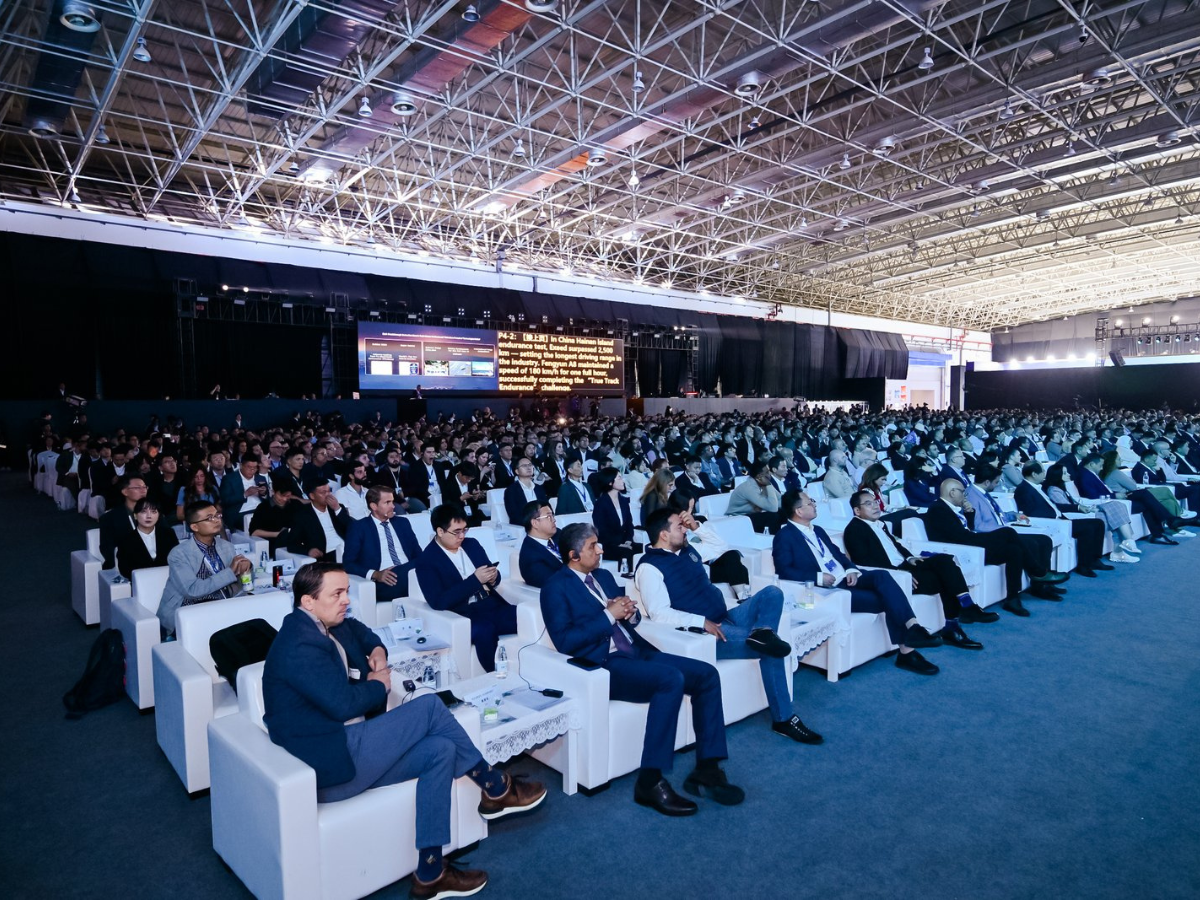
Among the information mentioned during the summit is its Super Hybrid System tech, which is said to give “super performance, super range, ultra-low energy consumption, and super power.” In line with this, the brand’s fifth-generation 1.5-liter TDGI hybrid engine is claimed to achieve a thermal efficiency of 44.5 percent, and fuel consumption as low as 16.7 km/l, balancing powerful performance with efficiency.
In the Philippines, O&J pitted its vehicles for a fuel-efficiency run, which the Automobile Association Philippines officially verified. AAP’s fuel economy test confirms high efficiency and extended range scores for Omoda & Jaecoo’s gas-powered and electric models.

O&J fielded three vehicles: the Jaecoo J7 SHS, OMODA C5, and the OMODA E5 electric vehicle (EV). The Jaecoo J7 SHS achieved 23.168 km/l while the Omoda C5 got 14.464 km/l. The Omoda E5, on the other hand, achieved a verified 449 km on a single full charge.
The vehicles travelled at controlled speeds of 60 to 90 km/h on highways and slower speeds on provincial roads, while strictly following traffic rules. Each unit carried two passengers and two full weekend bags, with the air conditioning set at 23 degrees Celsius, simulating typical Filipino road trips.