

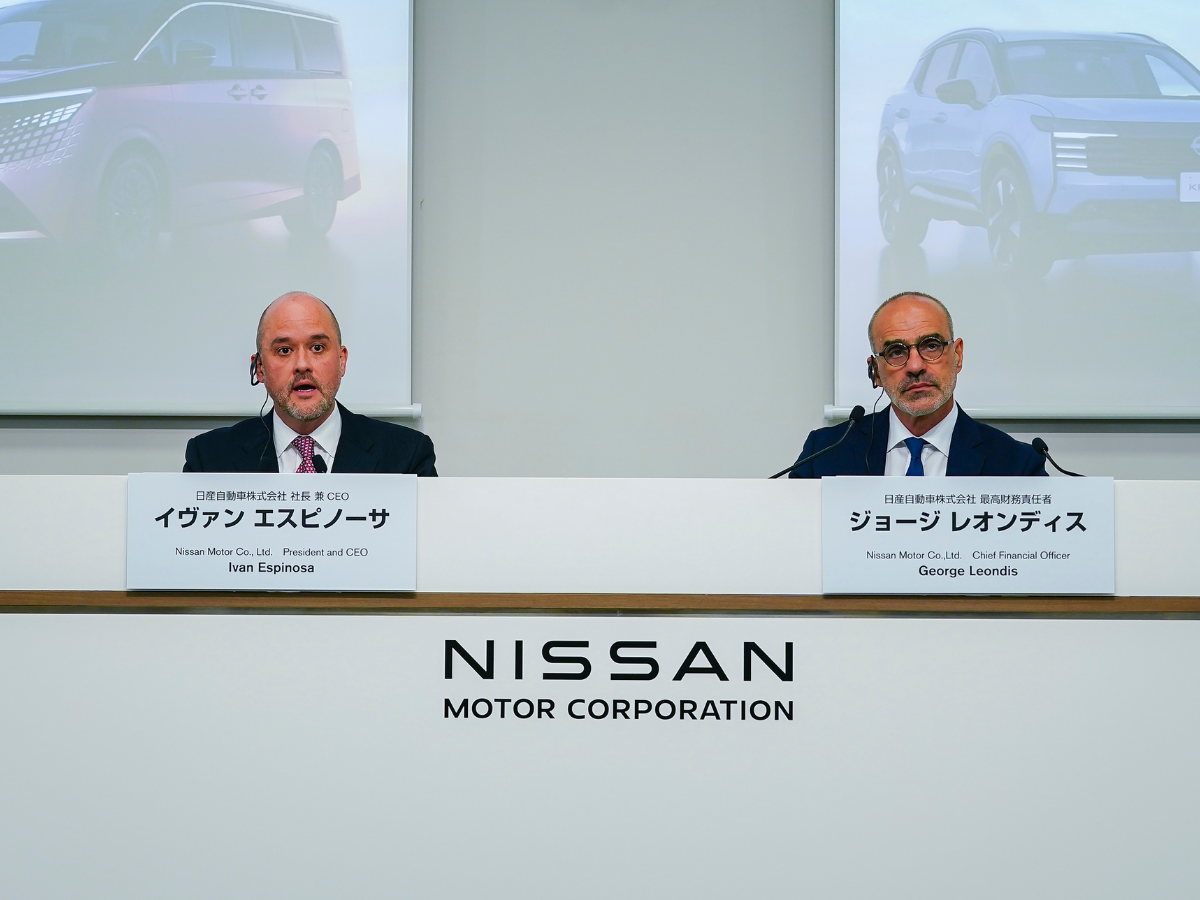
Nissan has started fiscal year 2026 on a positive note after returning to profitability in the first quarter, giving the automaker renewed confidence to maintain its financial targets for the year despite expecting lower global vehicle sales.
The Japanese carmaker reported an operating profit of ¥77.9 billion (or P29.35 billion in today’s exchange rate) for the three months ending June 30, a dramatic turnaround from the same period last year. Net income also climbed back into positive territory, reflecting steady progress under Nissan’s Re transformation program.
The improved performance comes as the company continues to tighten costs while refining its operations across multiple areas of the business. Nissan said manufacturing efficiencies, lower vehicle production costs, disciplined spending, improved sales performance, and favorable exchange rates all contributed to the stronger financial results. One-time gains related to U.S. tariffs also provided an additional boost during the quarter.
A key driver behind the recovery is the Re initiative, which generated another ¥60 billion (Paround P22.62 billion in local money) in savings during the first quarter alone. The savings were achieved through improvements in manufacturing, purchasing, research and development, and overall operational efficiency, underscoring Nissan’s push to become a leaner and more competitive automaker.
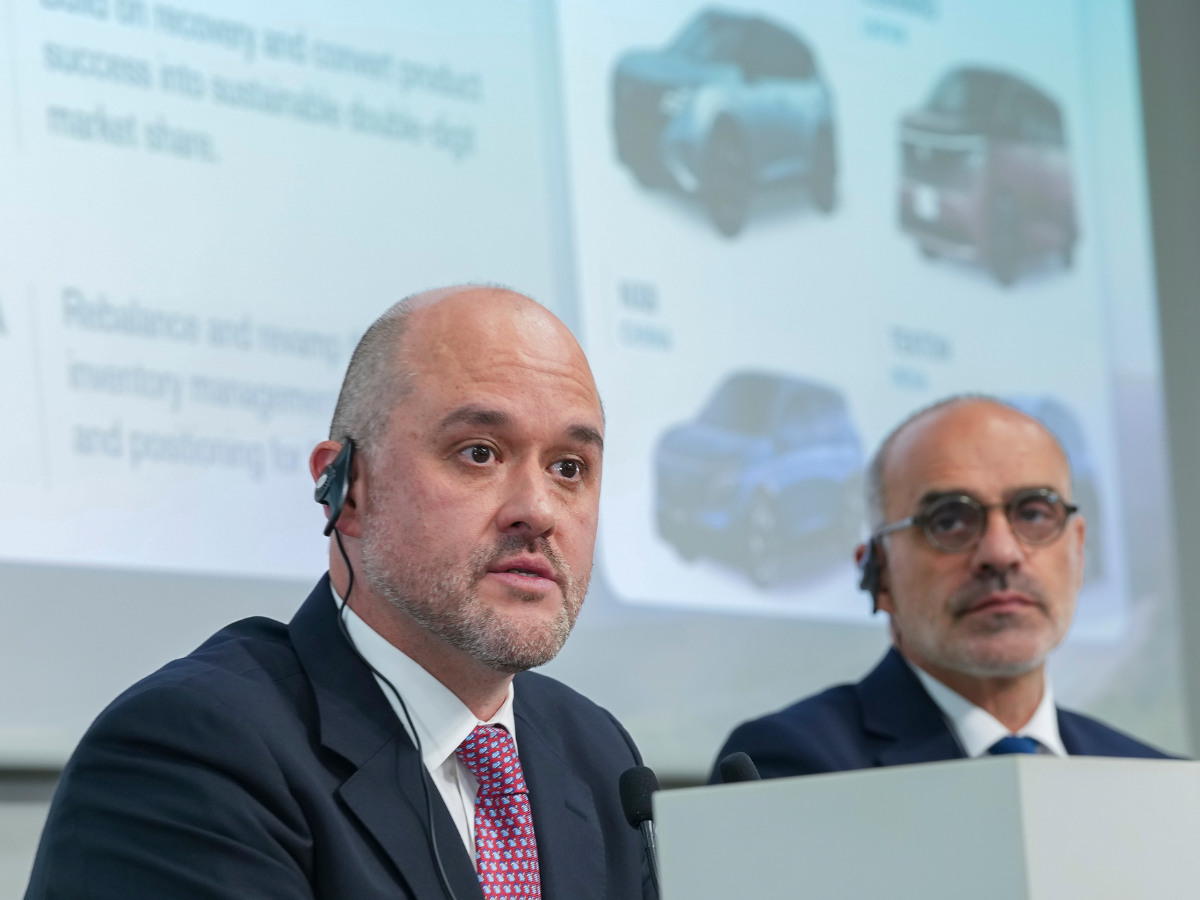
Despite the encouraging earnings, Nissan has tempered expectations for vehicle sales this fiscal year. The company reduced its global sales forecast from 3.3 million to 3.15 million units, citing challenging market conditions in China, rising raw material costs, and continued geopolitical uncertainty in the Middle East.
Even with those headwinds, Nissan believes its restructuring efforts have created enough momentum to stay on course. The company reaffirmed its full-year operating profit target of ¥200 billion (roughly P75.36 billion in Philippine conversion rates today), saying continued cost reductions and stronger competitiveness across key markets should help offset external pressures.
Outside China, Nissan expects year-on-year volume growth. The United States remains one of the company’s brightest markets, posting nearly 10 percent sales growth as its “Built in the U.S. for the U.S.” strategy continues to gain traction. In Japan, customer response to the all-new Kicks and Elgrand has been encouraging, while in China, Nissan continues expanding its new-energy vehicle lineup with models such as the N6, N7, NX8, and Frontier Pro.
For consumers, Nissan’s latest financial report isn’t just about numbers on a balance sheet. A healthier business gives the automaker greater flexibility to invest in future vehicles, electrified technologies, and product development. While the announcement doesn’t include any Philippines-specific plans, stronger financial stability could ultimately benefit markets like ours as Nissan continues rolling out its next generation of vehicles.

Autocar’s Take
Financial reports rarely excite enthusiasts, but this one is worth paying attention to. Nissan isn’t celebrating a perfect quarter—it still faces stiff competition in China and an uncertain global market—but the numbers point to the idea that the company is moving in the right direction. More importantly, it’s choosing to stay the course instead of changing its long-term strategy at the first sign of trouble. If the Re recovery plan continues to deliver, today’s financial gains could eventually become tomorrow’s new vehicles, better technologies, and stronger model lineup. Sometimes, the biggest automotive stories begin long before a new car reaches the showroom.


