
For many enthusiasts, brake calipers are little more than colorful accents peeking through alloy wheels. Nissan, however, says those colors have always carried a deeper meaning.
The Japanese automaker has revealed that the brake caliper finishes used across its performance models are part of a long-standing visual language designed to communicate a vehicle’s braking capability. Rather than serving purely as cosmetic details, the colors provide an instant clue about the hardware hiding behind the wheels.
The system traces its roots back to the legendary GT-R, where brake components became an integral part of the car’s performance identity. Since then, the same philosophy has extended to other Nissan sports models, including the Z.
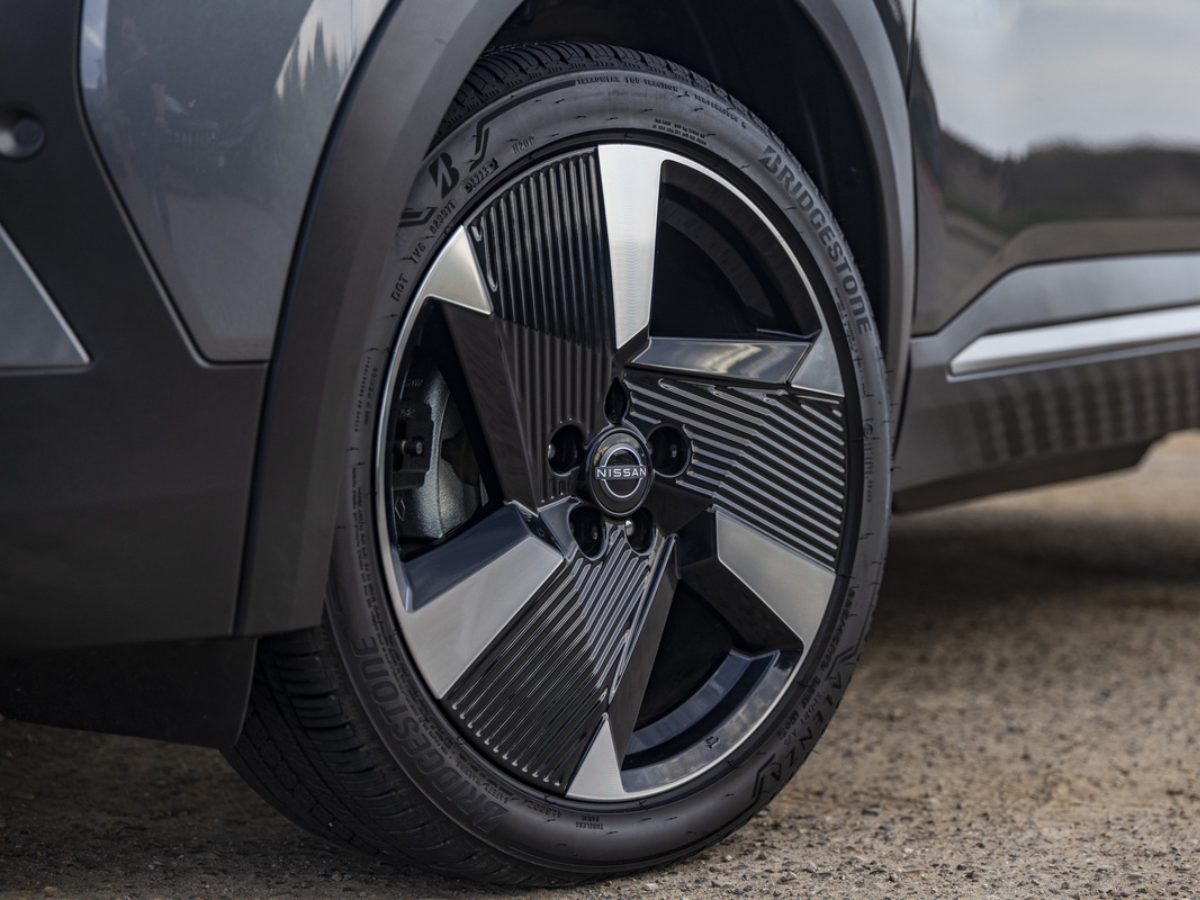
At the entry level, silver calipers are found on most Nissan vehicles. These braking systems are engineered for confident and predictable everyday driving, but are not specifically intended for sustained high-performance use.
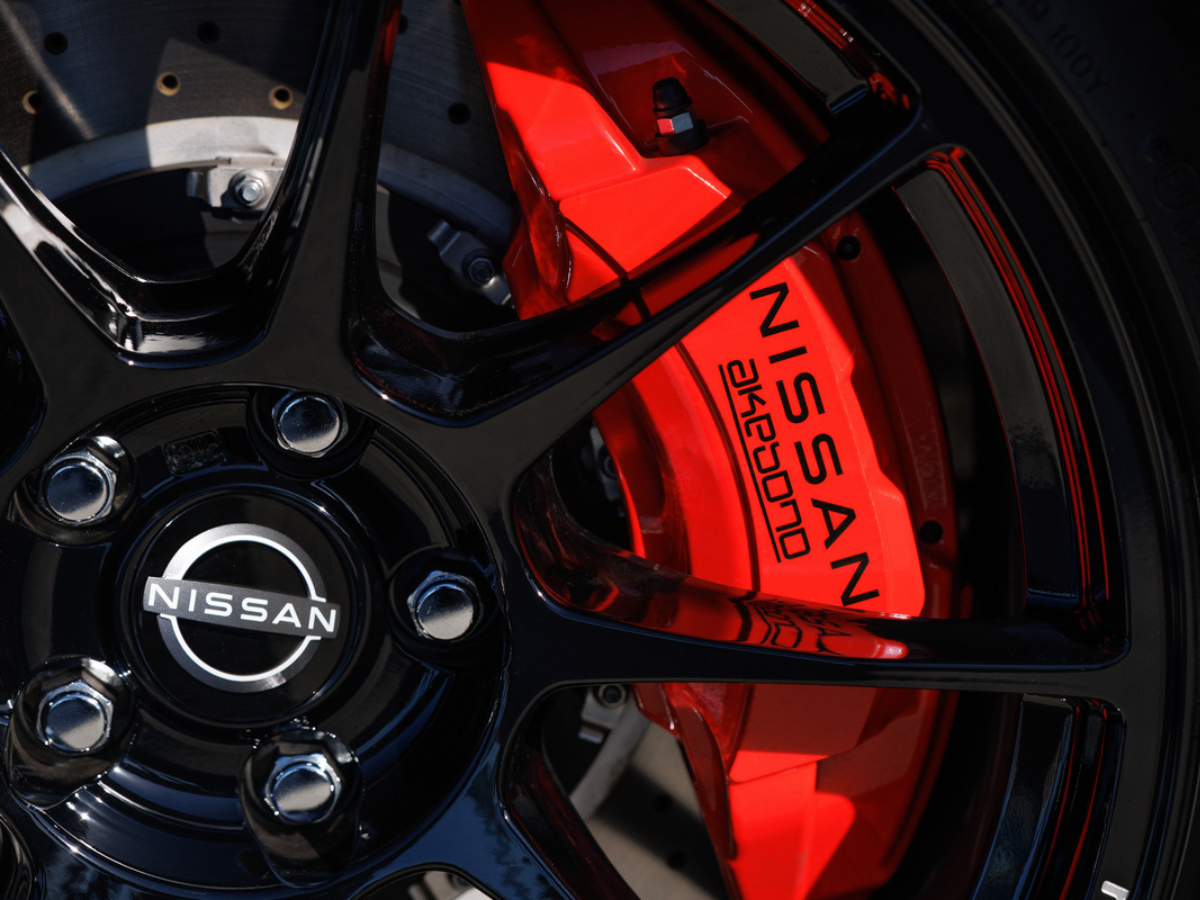
Moving up the ladder, red calipers signal a significant upgrade. On the upcoming 2027 Nissan Z Performance, they denote larger aluminum Akebono front and rear calipers paired with bigger brake rotors compared to the standard Z Sport. The same red finish also appears on the 2026 Nissan Armada NISMO, emphasizing its sportier character.
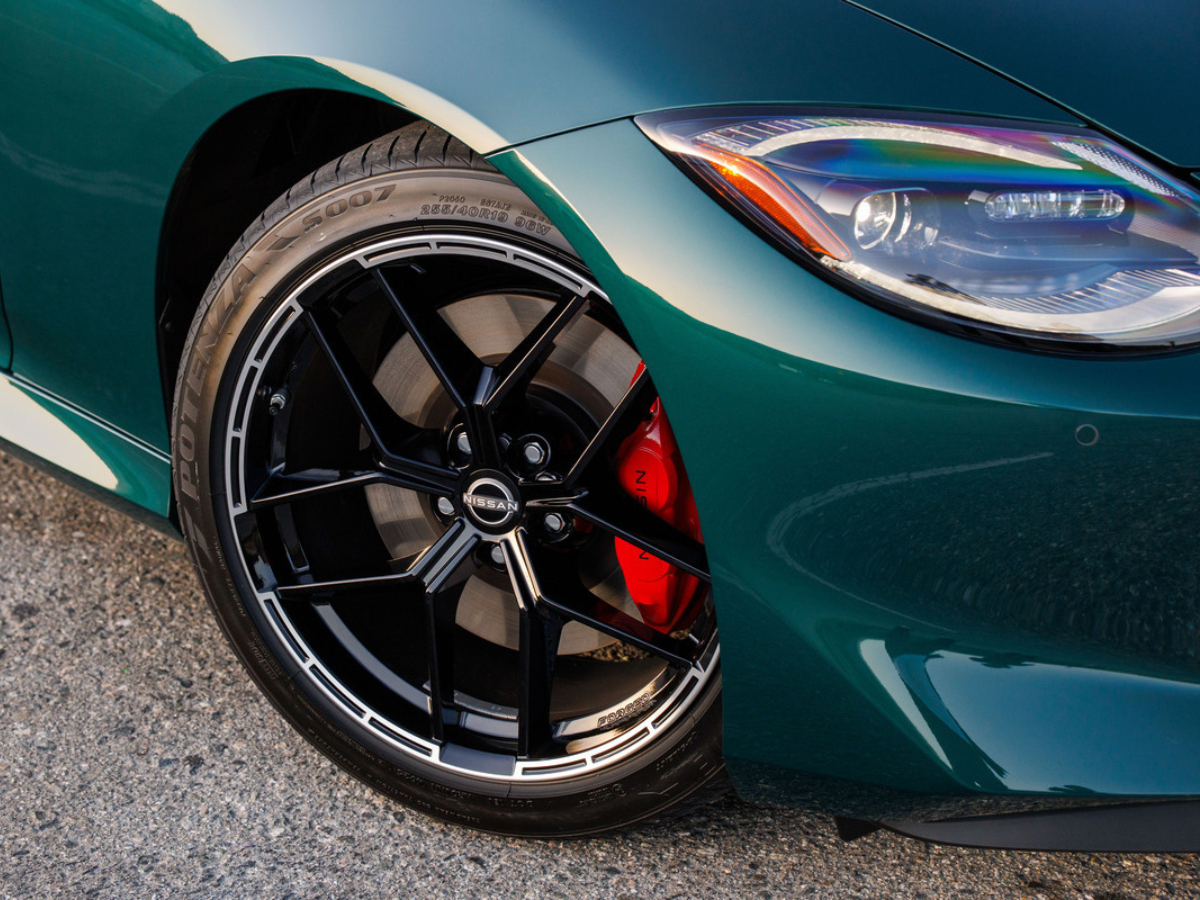
The Z NISMO takes things a step further with bright red calipers. According to Nissan, the lighter shade distinguishes the model from the Z Performance while highlighting GT-R-derived front brake hardware, larger rotors, and a heat-resistant paint finish designed to withstand repeated hard use.
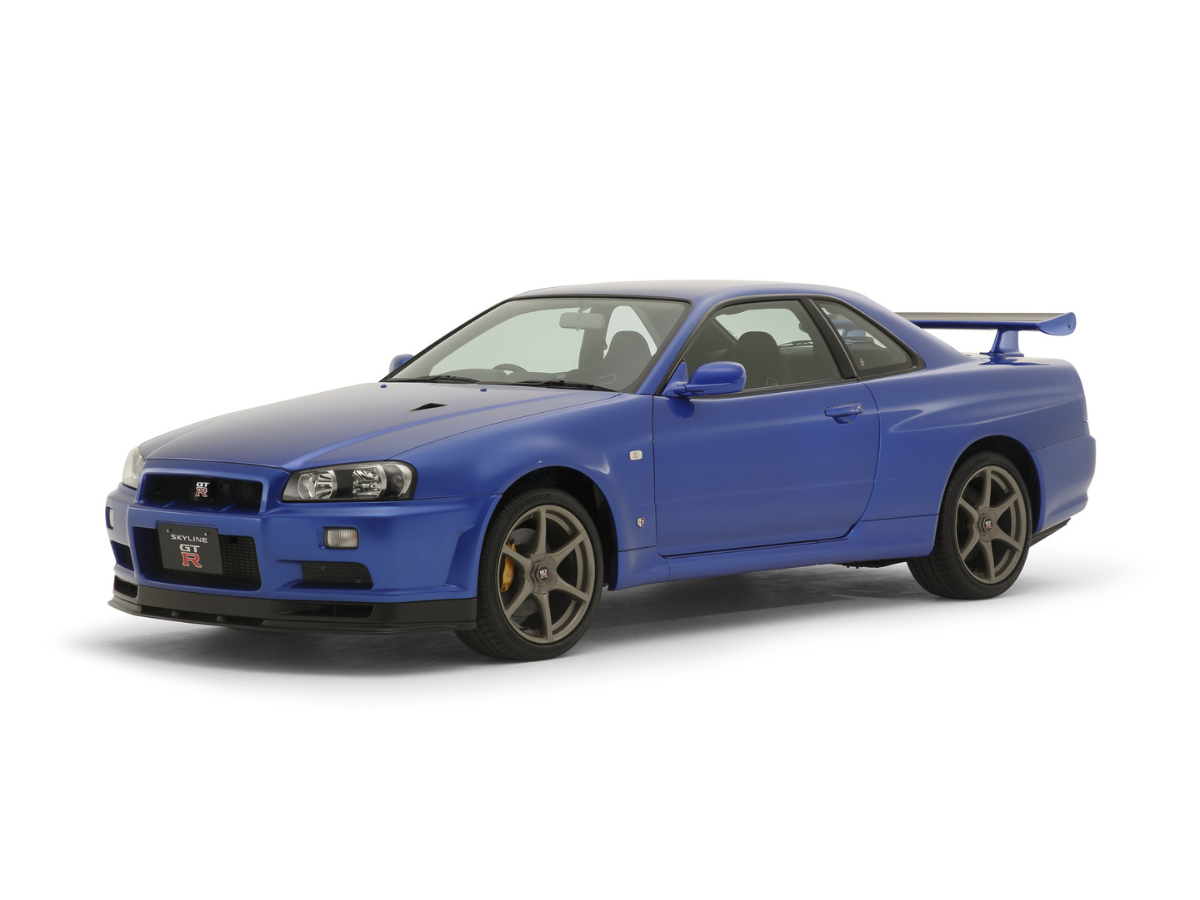
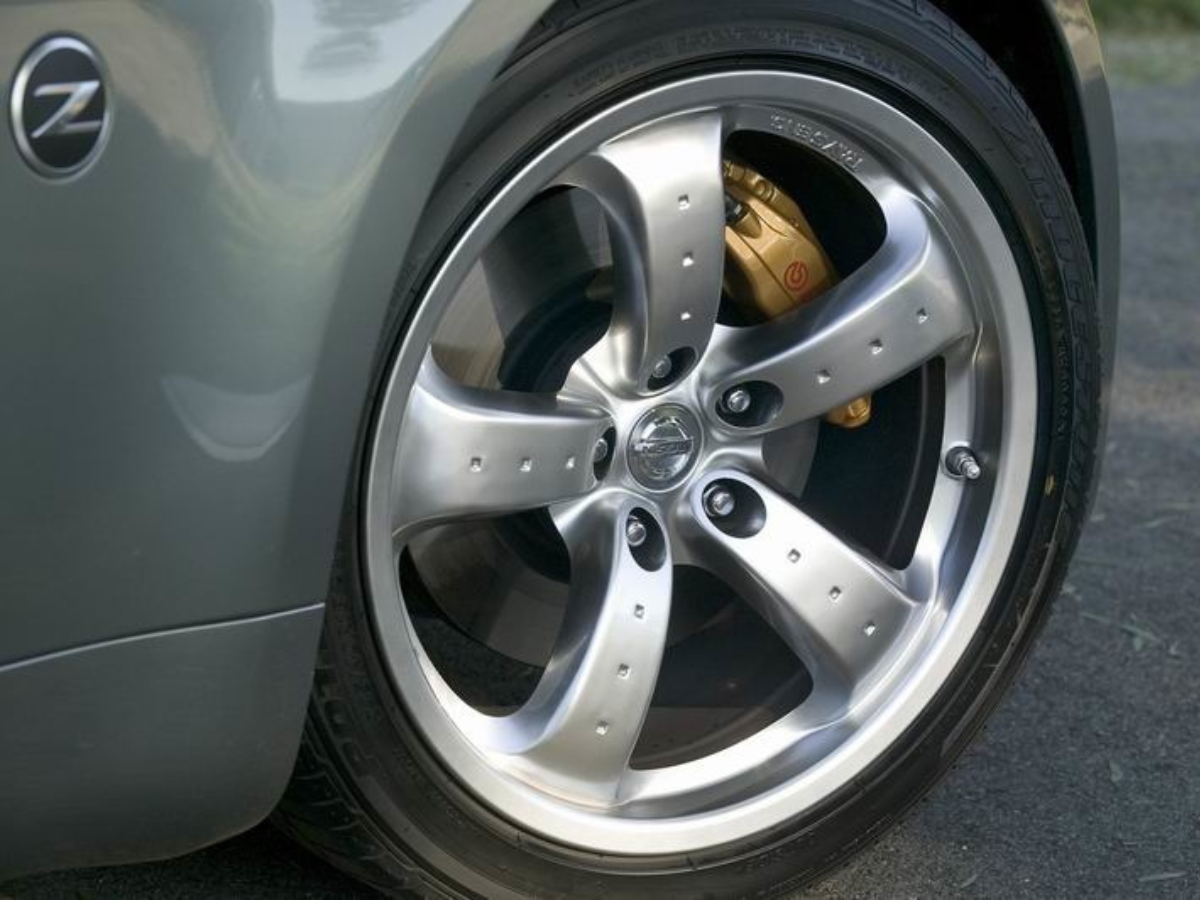
Gold has long represented Brembo-equipped Nissan models. The tradition began with the R34 GT-R in 1999 before carrying over to iconic vehicles such as the 350Z Track Edition and the R35 GT-R.
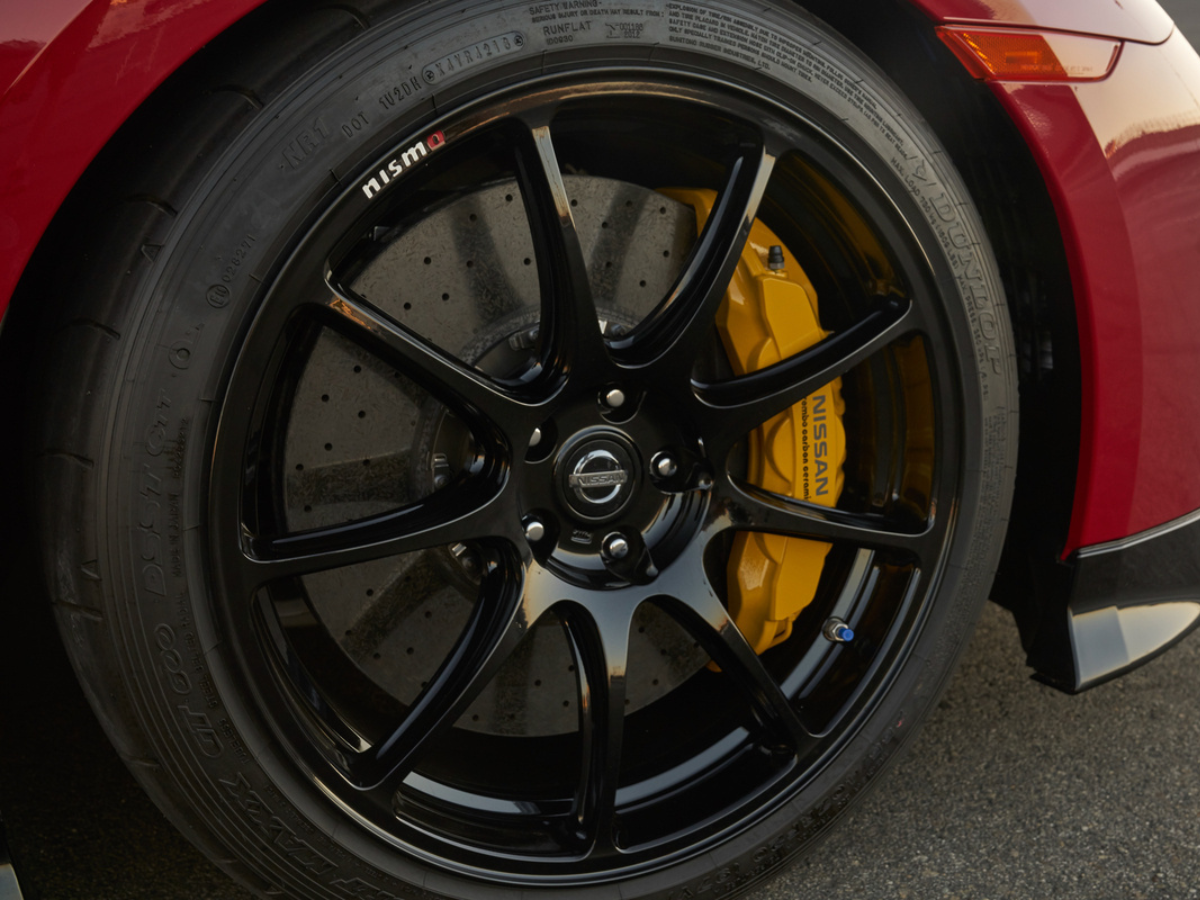
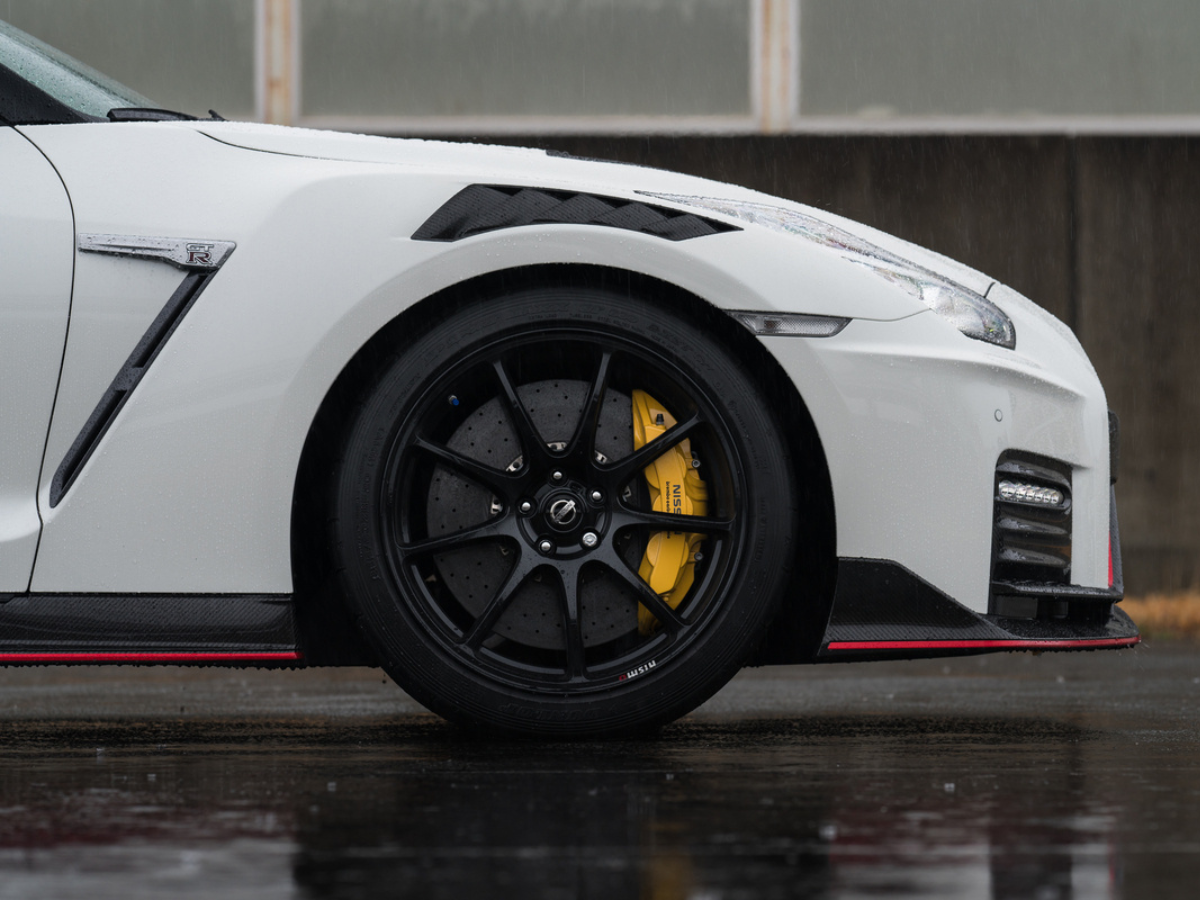
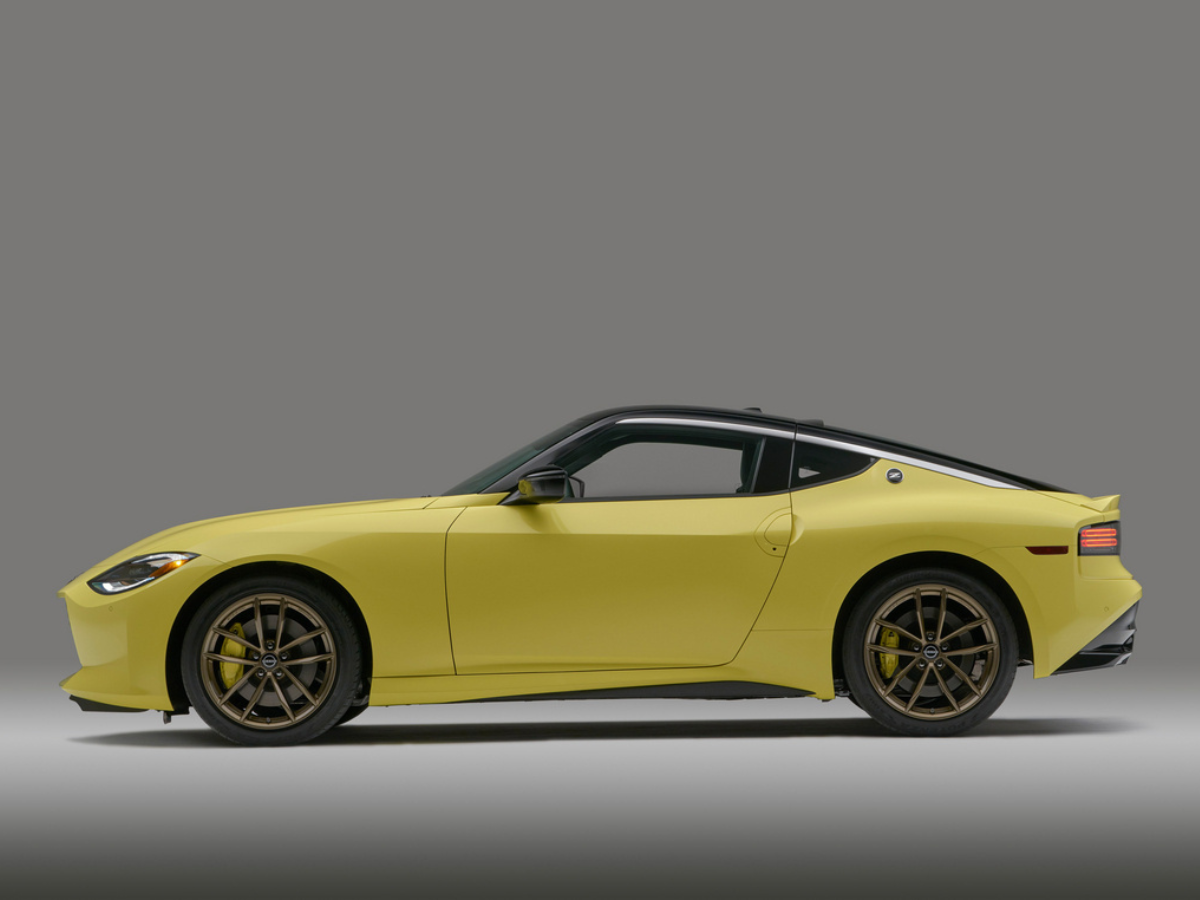
At the top of the hierarchy sits yellow, the rarest brake caliper color in Nissan’s portfolio. Reserved for models fitted with carbon-ceramic brakes, the finish signifies the brand’s most track-focused braking systems, capable of handling extreme temperatures and repeated high-speed stops.
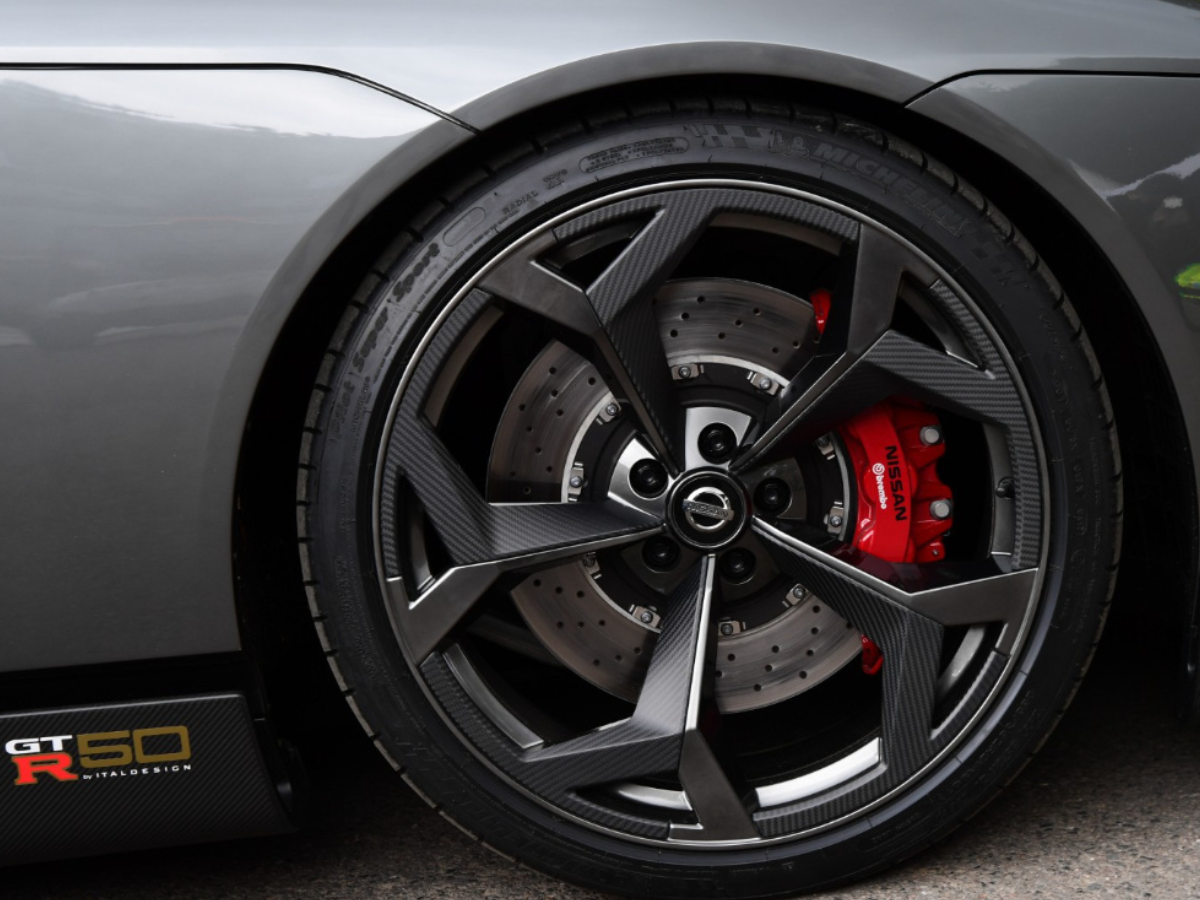
Nissan also acknowledged that a handful of special editions have broken the rules. The GT-R50 by Italdesign featured red Brembo calipers, while the Z Proto Spec wore yellow Akebono calipers despite not using carbon-ceramic brakes.
While many drivers may overlook brake calipers, Nissan believes these colorful details have become an enduring way of expressing the performance pedigree behind its most celebrated vehicles.
Autocar’s Take
Nissan’s explanation of its brake caliper colors is a reminder that performance isn’t always measured by horsepower alone. Small design details often tell a much bigger story, especially for enthusiasts who appreciate engineering as much as styling. By assigning meaning to each color, Nissan has created a subtle performance hierarchy that rewards those who know what they’re looking at. It’s also refreshing to see an automaker preserve traditions that date back to the GT-R while carrying them into newer models like the Z. Sometimes, the smallest details become part of a brand’s biggest identity.