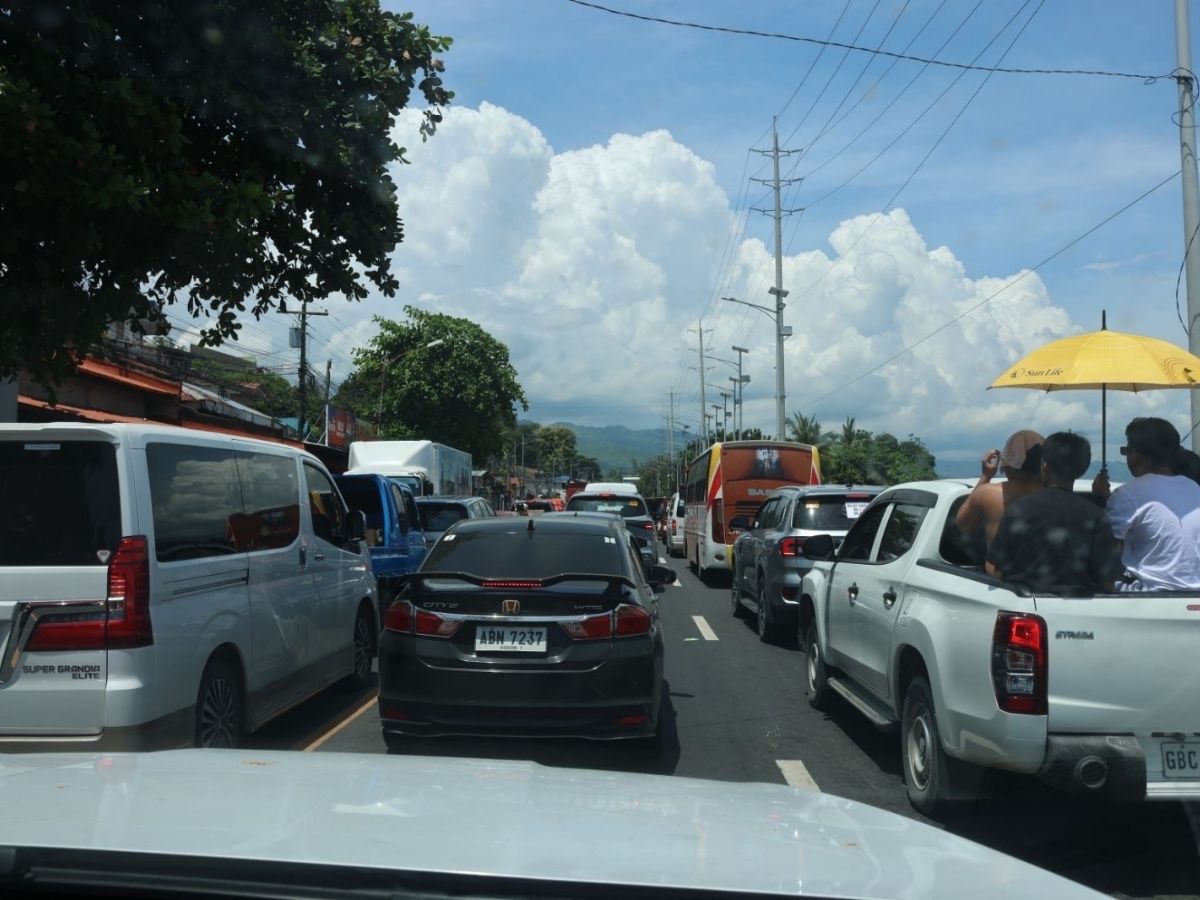


As 2026 begins, Filipino motorists are once again setting personal goals for the year ahead. One resolution that deserves serious attention is improving everyday driving behavior. With heavier traffic, tighter enforcement, and a growing number of vehicles and pedestrians on the road, one question comes to mind: Wouldn’t it be cool to set a new record in 2026 as one of the most responsible drivers on the road?
With this in mind, here are some everyday habits every Filipino driver should change in 2026, not only to accomplish a new year’s resolution, but most importantly to spark the beginning of a new revolution on the road where people care for one another, regardless if one is using a motorcycle, a car, an SUV, a truck, or a PUV (public utility vehicle).
Improper use of road lanes and markings
Lane discipline remains one of the most common weaknesses among local drivers. Sudden lane changes, counterflowing to bypass congestion, and ignoring solid lane markings disrupt traffic flow and increase collision risk. Staying within your lane and planning movements early makes driving more predictable and reduces unnecessary bottleneck congestions, especially on multi-lane urban roads.
Indiscriminate use of horns
In many parts of the country, the horn is used as a tool for showing one’s impatience rather than promoting safety. Traffic regulations limit horn use to warning situations, yet excessive honking remains common. Reducing excessive horn use lowers stress on the road and minimizes noise pollution, particularly in residential and commercial areas.

Distracted driving
Despite existing laws like the Republic Act 10913 or the Anti-Distracted Driving Act, which bans mobile phone use while driving, distractions remain widespread. Checking messages and notifications during stop-and-go traffic or at intersections is especially dangerous, given the presence of other road users and pedestrians. Even hands-free systems should be used cautiously. Full attention on the road remains the most reliable way to prevent unnecessary accidents.
Blocking intersections
Blocking intersections, especially during rush hour or heavy traffic situations is a major contributor to urban gridlock. Entering an intersection with a clear space ahead may save a few seconds initially, but it often results in longer delays for everyone once the traffic signal changes. Waiting patiently helps keep traffic moving in all directions and supports smoother traffic flow.

Poor speed management
Speeding isn’t limited to expressways. On city streets and residential roads, excessive speed is often dangerous due to narrower lanes, parked vehicles, roadside activity, or unpredictable pedestrian movement. Observing posted speed limits and slowing down in mixed-use areas reflects defensive driving suited for local road realities.
Lack of courtesy to other road users
Motorcycle riders, cyclists, and pedestrians make up a significant portion of daily road users. Giving them adequate space, yielding when required, and avoiding aggressive maneuvers reduces conflict and aligns with road safety principles. Road courtesy is not an inconvenience or a delay, but rather a form of prevention against untoward incidents.

Negligent vehicle condition or roadworthiness
Many motorists delay basic vehicle checks until a big problem occurs. In this case, the Pinoy mindset of “pwede pa yan (That’s still good/does the job)” may lead to unpleasant results. Worn tires, weak brakes, and faulty lights become more dangerous during heavy rain and poor visibility situations. Regularly following the vehicle’s preventive maintenance service (PMS) schedules, even beyond its warranty coverage, supports safer driving and helps avoid roadside breakdowns that contribute to traffic congestion.
Remember
Improving driving habits doesn’t require new tech or a major expense. It requires consistency, patience, and accountability. One’s pride or ego is not needed on the road… ever. As 2026 begins, Filipino drivers have the opportunity to redefine responsible driving, not just as a personal goal, but as a shared responsibility on every road.