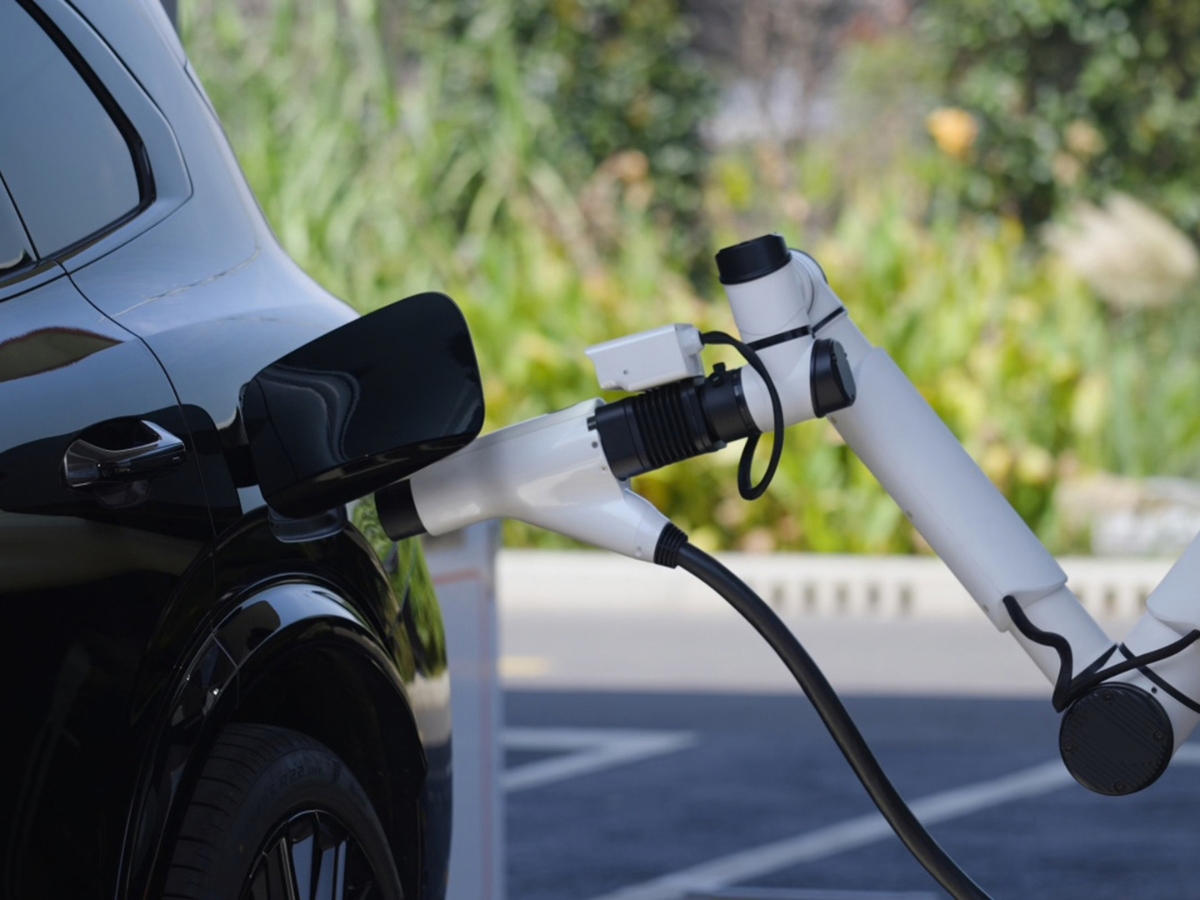
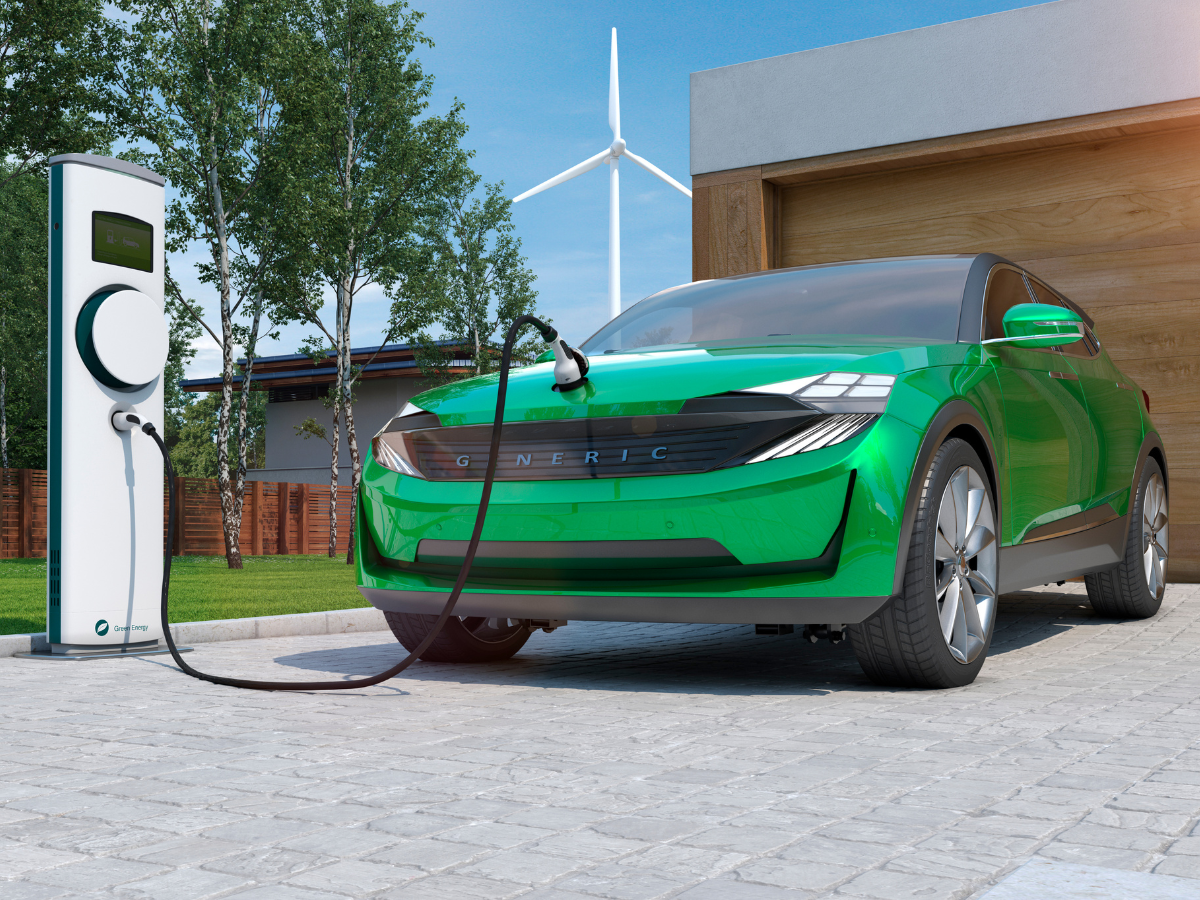
The Department of Trade and Industry (DTI) expressed that it wants to promote electric vehicles further by launching several programs, such as an awareness campaign, incentives, and financial assistance, among others. These programs will allow the local market to make the shift to EVs easier and more reasonable, while at the same time, help the Philippines attract more EV-related investments.
This vision is shared by DTI Secretary Christina Roque during an ASEAN Business Exchange panel. Roque said that the Philippine government is preparing a new Electric Vehicle Incentive Strategy (EVIS) program to expand the country’s EV industry through incentives for manufacturers, suppliers, and consumers. The DTI Secretary added that the EVIS is awaiting approval from President Ferdinand Marcos Jr.
Roque also mentioned that the DTI wants to promote the advantages of owning an EV with the hopes of spreading more awareness among the public when it comes to electrified mobility. She addressed that the public is willing to make the EV shift, but the issue lies with financing.
“We will really promote the advantages of shifting from combustion to electric vehicles to [make] the people aware. We will also provide loan assistance for the shift to electric vehicles because a lot want to shift, but the problem really is the finance,” said DTI Secretary Christina Roque.
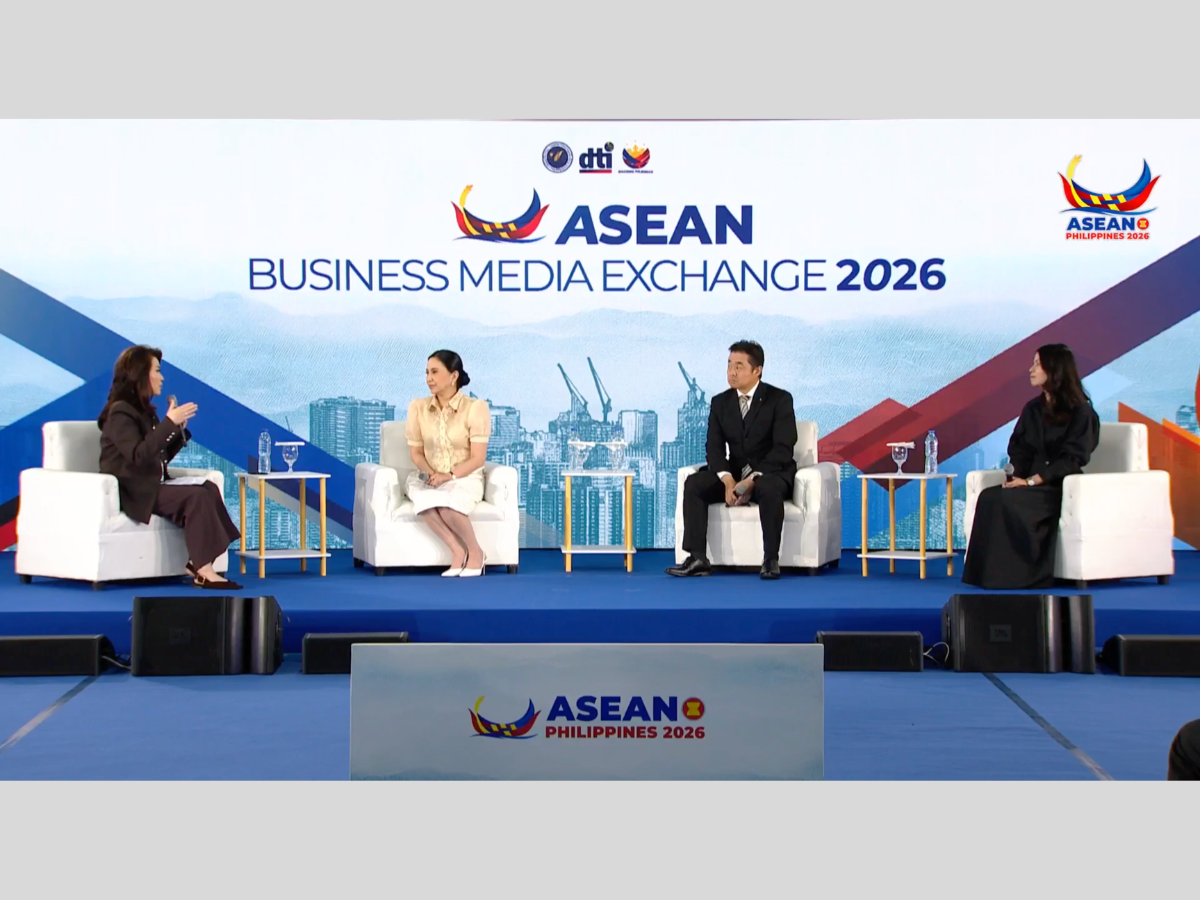
Among the steps that the DTI has launched to address financing is the E-Transport Loan program, which is designed to help transport operators and drivers to purchase EVs. The E-Transport Loan program was launched in April 2026 by the DTI through the government-run Small Business Corporation or SBCorp. It is said to be part of the country’s push for cleaner and more affordable transportation under the EV industry roadmap.
Roque also shared that the government is encouraging manufacturers and companies to invest in the Philippines. She mentioned that the government is already eyeing four companies to make an EV-related investment in the country, and two of those could be Toyota and Mitsubishi.
“Actually, for the EVs, we are thinking of four companies … we don’t have the names yet, but Toyota and Mitsubishi are part of the list. We don’t know how many are really going to join, but we encourage them, so the [Filipino] people also have a choice of which vehicle they want,” Roque said.
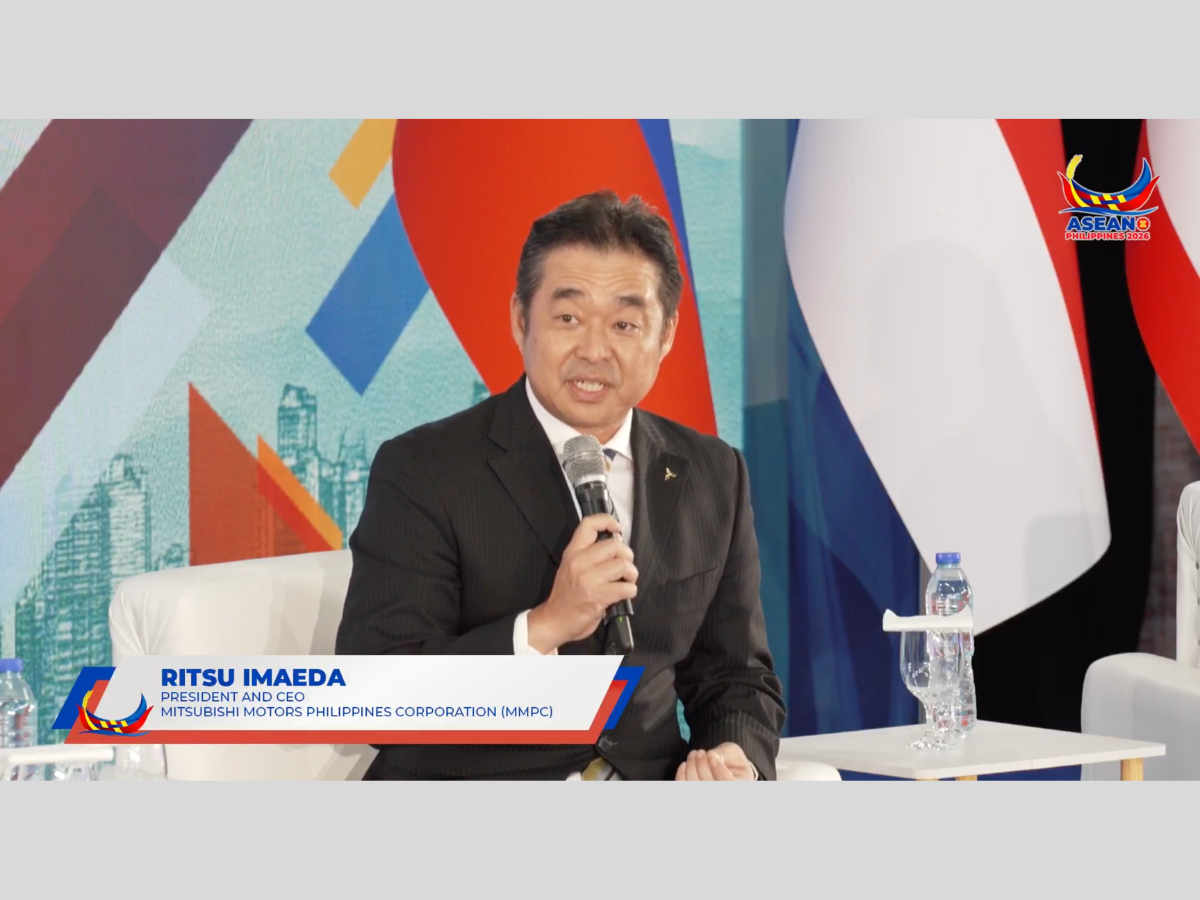
Speaking of which, Mitsubishi Motors Corporation has already shown its intention to produce hybrid electric vehicles at its Santa Rosa plant in Laguna, Philippines. The Japanese car brand intends to have a dedicated hybrid electric vehicle (HEV) production line at its Laguna plant, and has already submitted its proposal to the Philippine government to be part of the EVIS program.
Mitsubishi Motors Philippines Corporation (MMPC) President Ritsu Imaeda said that Mitsubishi saw a big potential for the Philippine market, which is why it has decided to have a dedicated HEV production line at its Santa Rosa plant in Laguna.
“We felt big potential in this market for the further growth of the automotive [market]. It has not expanded yet compared to other countries, [but] we still strongly feel the potential,” said MMPC President Ritsu Imaeda.
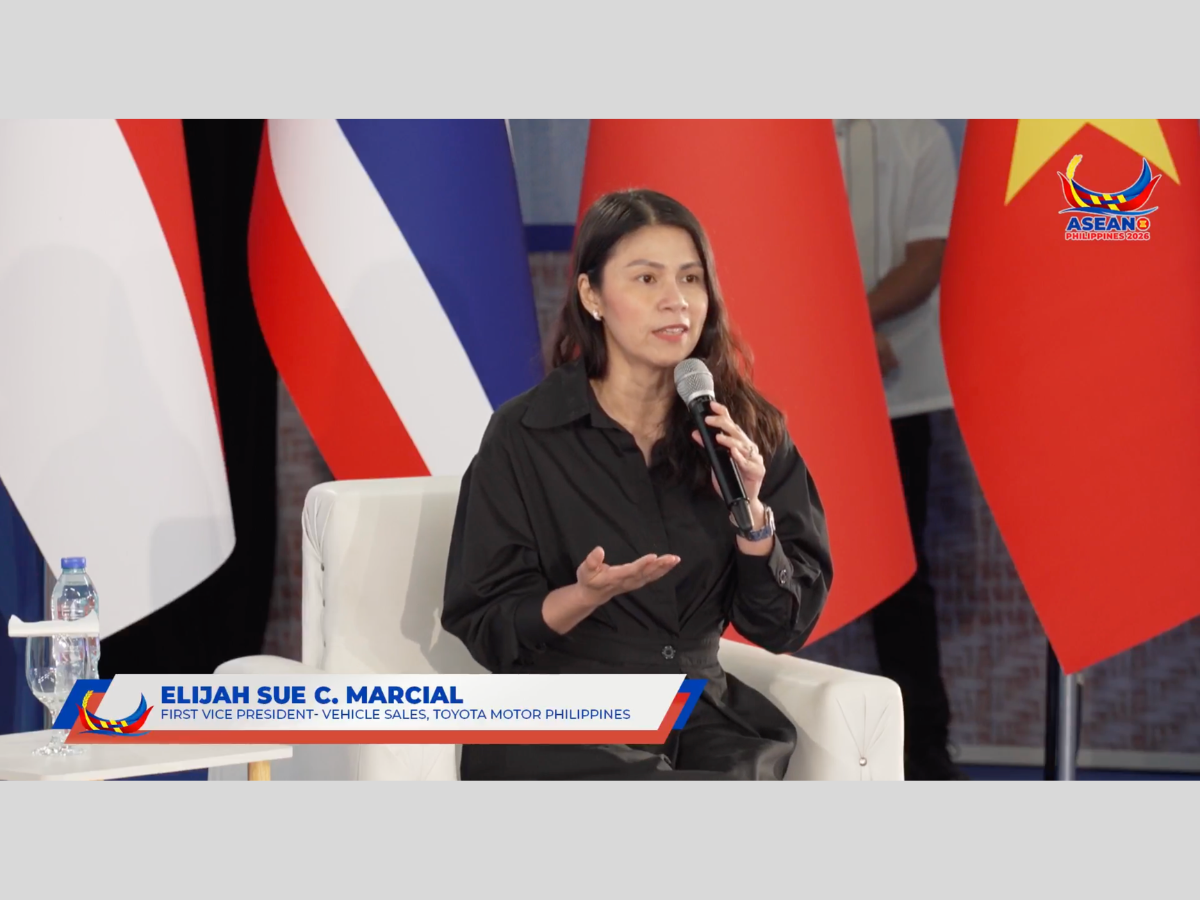
Toyota Motor Philippines (TMP), on the other hand, decided to go for a multi-pathway strategy that involves focus on offering HEVs, EVs, and internal combustion engine (ICE) vehicles to be able to address the varying mobility needs in the Philippines.
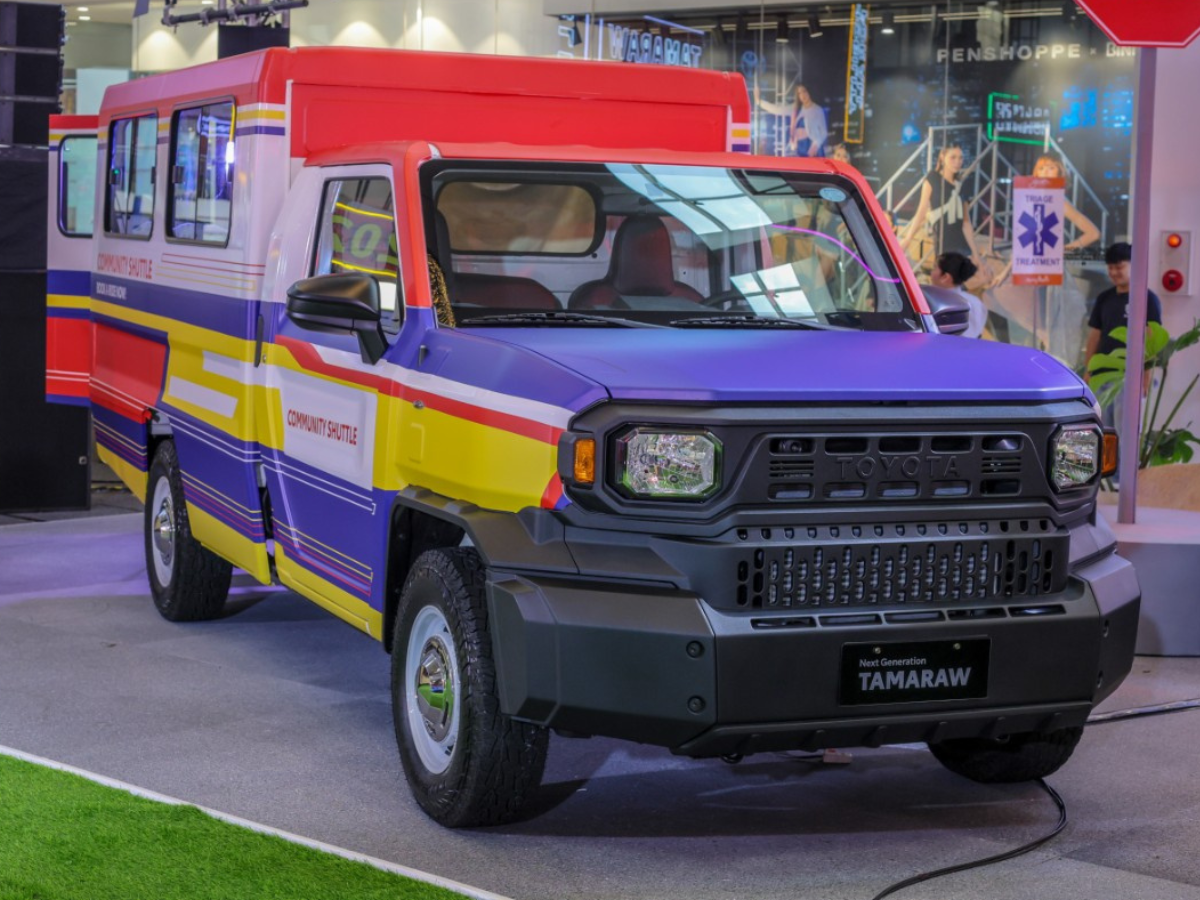
TMP First Vice President for Vehicle Sales Operations Elijah Sue Marcial pointed out the car brand’s Tamaraw model, wherein TMP invested P5.5 billion to support the production line of the Tamaraw at its Santa Rosa plant. Marcial added that the decision to push for the Tamaraw production line is to serve the Micro, Small, and Medium Enterprises (MSMEs) in the Philippines.
Of note, the TMP President Masando Hashimoto announced that the Department of Transportation (DOTr) has officially granted the Toyota Tamaraw the “Modern PUV” certification. As such, it can now be maximized and used for public transportation that could transport passengers.
Autocar’s Take
The Department of Trade and Industry (DTI) has shared its commitment to further strengthening and expanding the EV industry in the country by launching several programs. But the main driving force that will help push EVs in the country is the Electric Vehicle Incentive Strategy (EVIS) program. Once it gets the signature of President Marcos, it could take the EV expansion up a notch, as the country can attract more investors and could potentially help the consumer to shift to EVs.
Mitsubishi PH has voiced out its willingness to be part of the EVIS program. It intends to produce HEVs in the Philippines, which would open many opportunities for the country. Aside from having a local facility that produces HEVs, Mitsubishi can also make the Philippines an exporter of its HEV models.