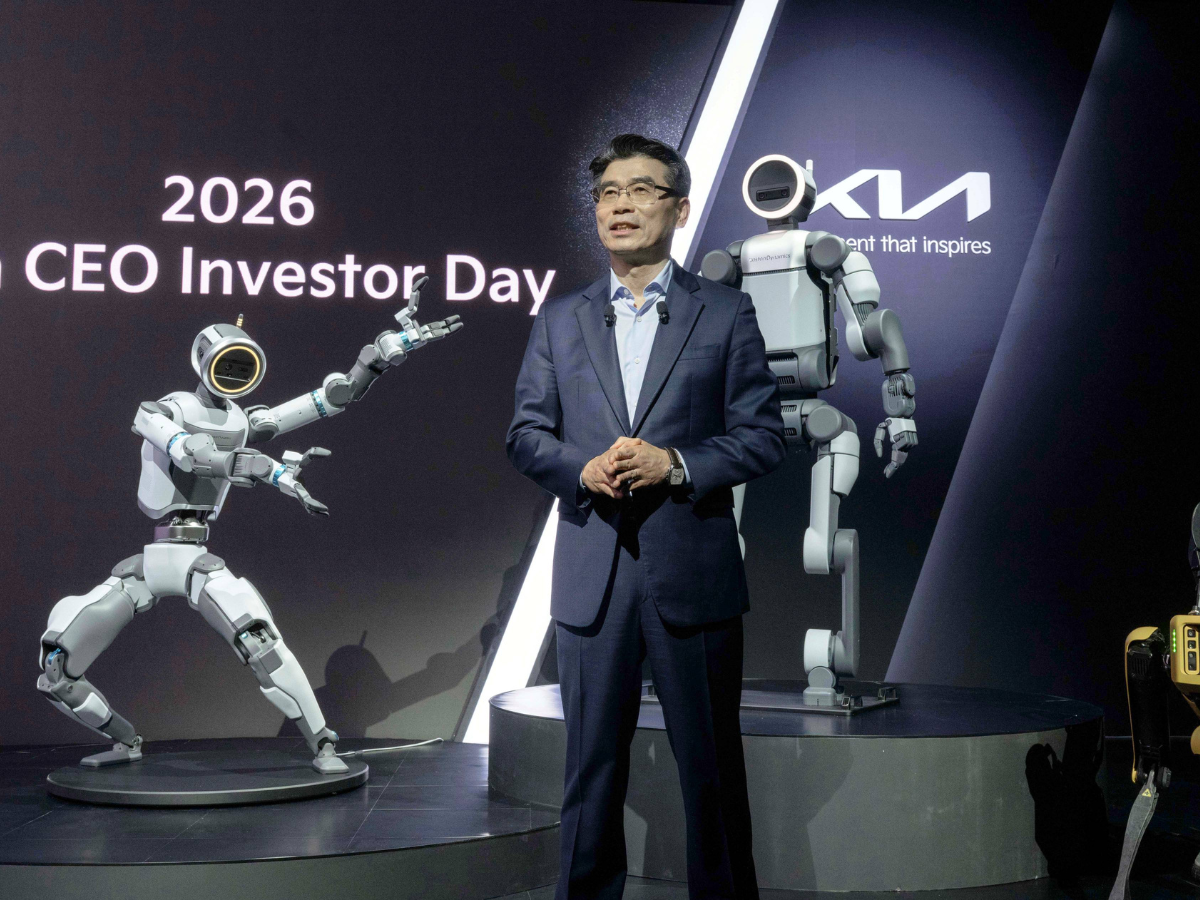

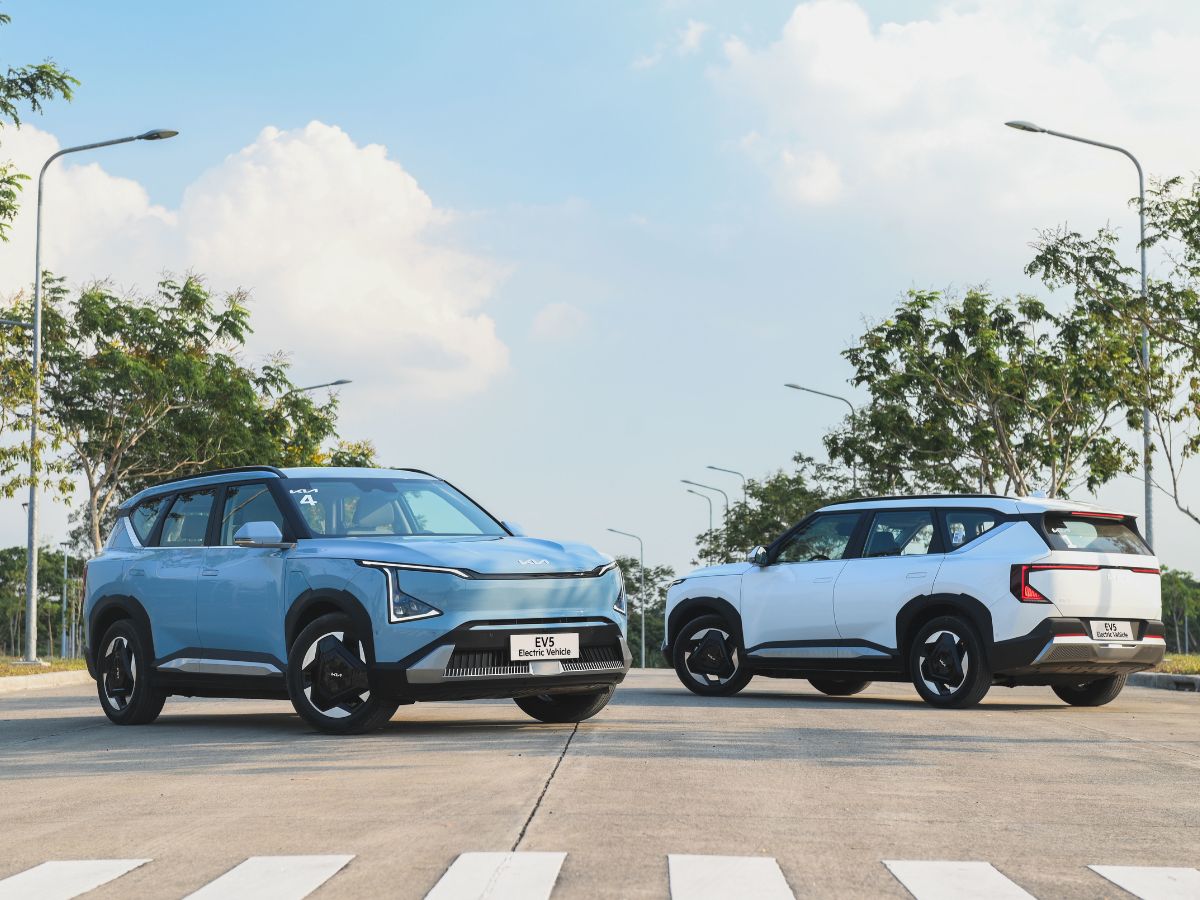
Kia is stepping up its long-term ambitions with a clearer, more expansive vision for the future of mobility. At its 2026 CEO Investor Day, the automaker outlined a roadmap toward 2030 that puts electrification, hybrid technology, and emerging innovations at the forefront, while still keeping a balanced approach across its lineup.
The plan includes growing its global sales footprint, expanding to 14 electric models (EV), and targeting around 1 million annual EV sales by the end of the decade. This comes alongside continued investment in software-defined vehicles (SDV), autonomous driving, and robotics.
Central to Kia’s growth strategy is a diverse powertrain approach. While battery-electric vehicles (BEV) remain top priority, Kia is also expanding its hybrid electric vehicle (HEV) lineup to 13 models, which it sees will help reach the 2030 annual sales target.
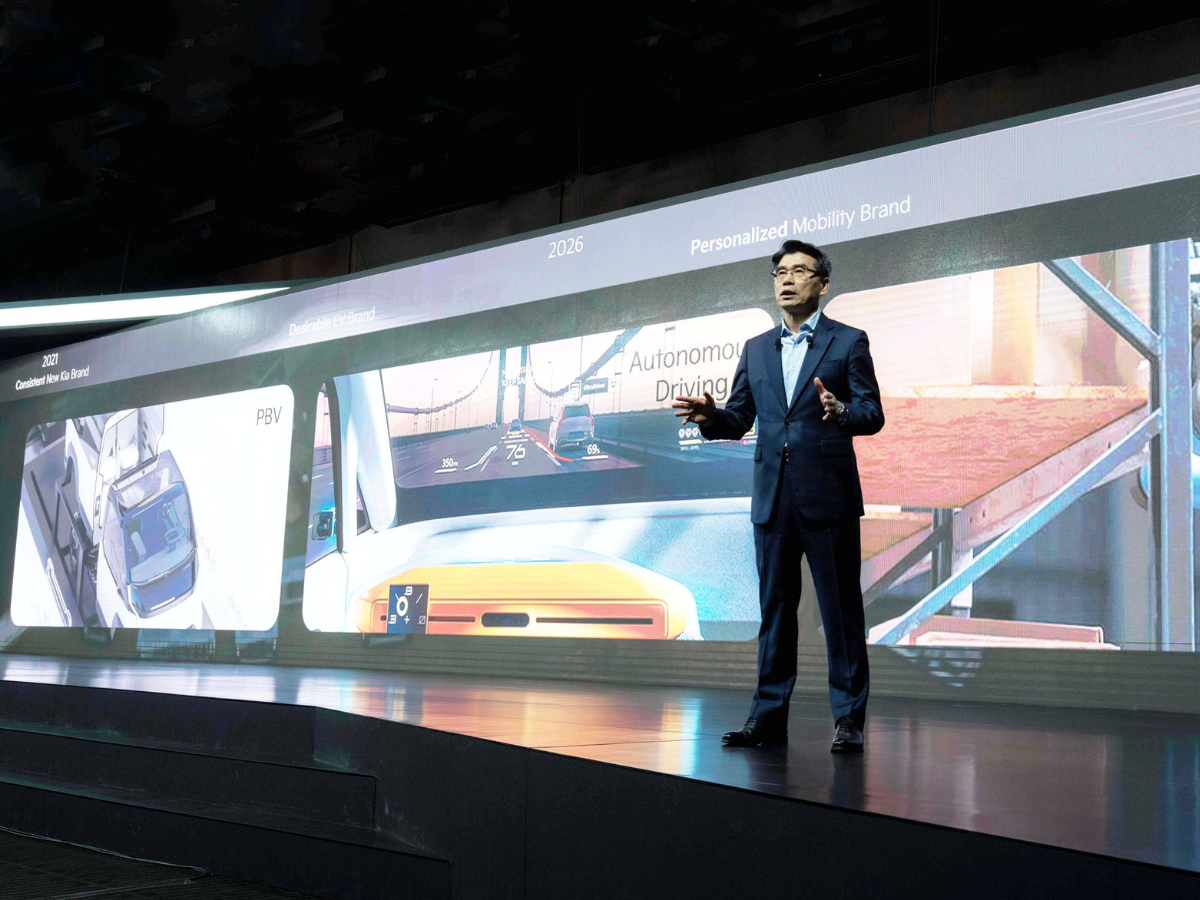
Beyond traditional passenger vehicles, Kia is investing heavily in its Platform Beyond Vehicle (PBV) business, targeting 232,000 annual PBV sales by 2030. Models such as the PV5, PV7, and PV9 are expected to support the brand’s push into the light commercial vehicle segment, offering flexible, purpose-built mobility solutions.
Kia is aiming for strong growth across key regional markets, as well. In the west, Kia sees the United States’ value as a sales driver, accounting for over 1 million annual sales by 2030. On the other hand, Europe and emerging markets are also expected to play major roles in achieving the company’s global targets.
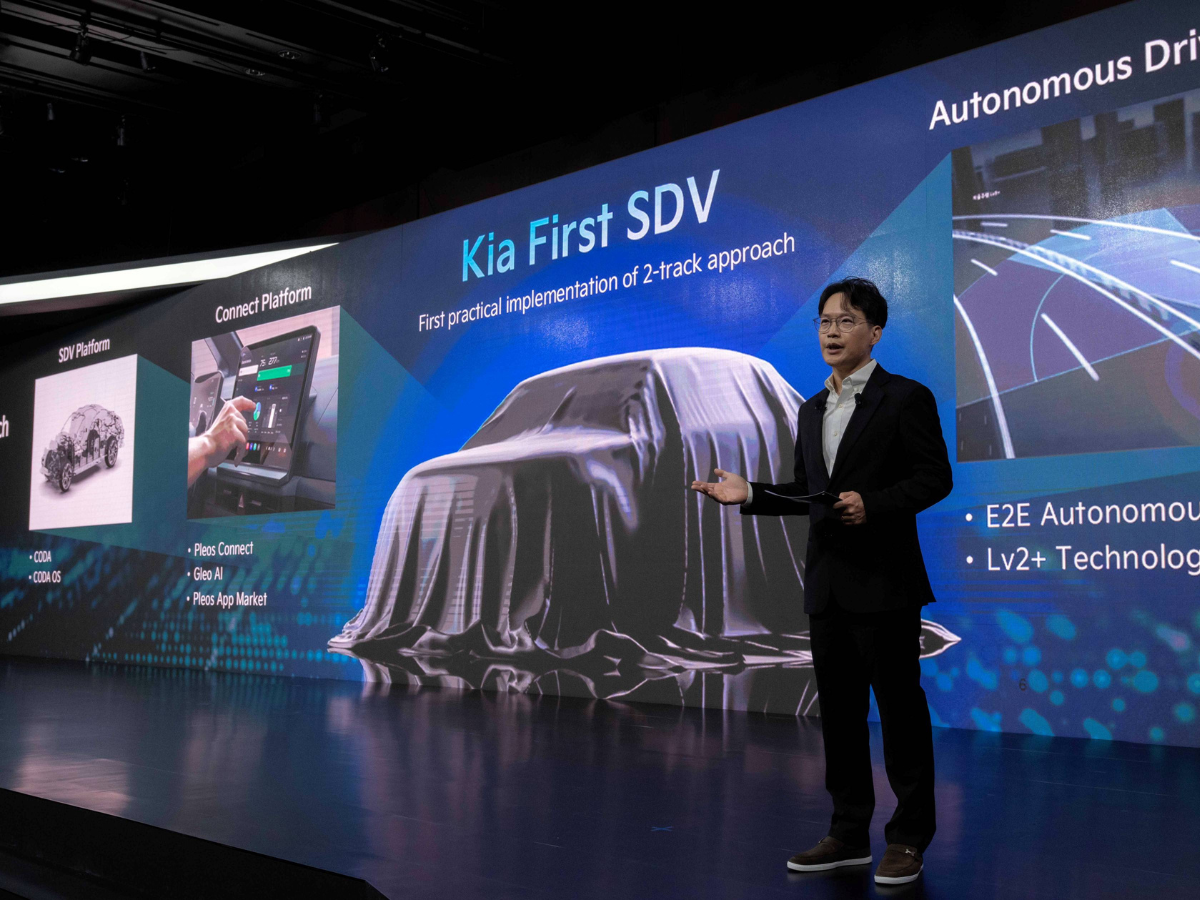
The automaker is also advancing its future mobility initiatives. It plans to complete development of its first SDV model by 2027, with more advanced Level 2++ autonomous driving capabilities set to roll out by 2029. Supporting these developments is a substantial investment plan. It will allocate KRW49 trillion (around P2.03 trillion in today’s exchange rate) between 2026 and 2030, with nearly half that amount allocated for future-focused technologies such as electrification, autonomy, and robotics.
By the end of the decade, Kia is aiming to achieve KRW170 trillion (about P7.03 trillion in Philippine money) in revenue and a 10% operating profit margin. This underscores its intent to remain competitive in a rapidly evolving global automotive landscape.
Autocar’s Take
The automotive industry is rapidly moving forward, and it’s inevitable that everything associated with it — brands, people, market — has to keep up. And like many of its competitors, Kia is doing all its best to move with the industry and the times. Its latest roadmap can be described as a careful but deliberate pacing. Instead of going all-in on a single direction, the company is spreading its bets across EVs, hybrids, and even purpose-built vehicles for businesses.
That approach is grounded in how people actually use cars today, not just where the industry says it should go. The attention given to PBVs and robotics is particularly telling, hinting that Kia sees mobility as something far beyond vehicle ownership. It’s a quieter kind of ambition, one that leans on adaptability, which may ultimately be its strongest advantage.