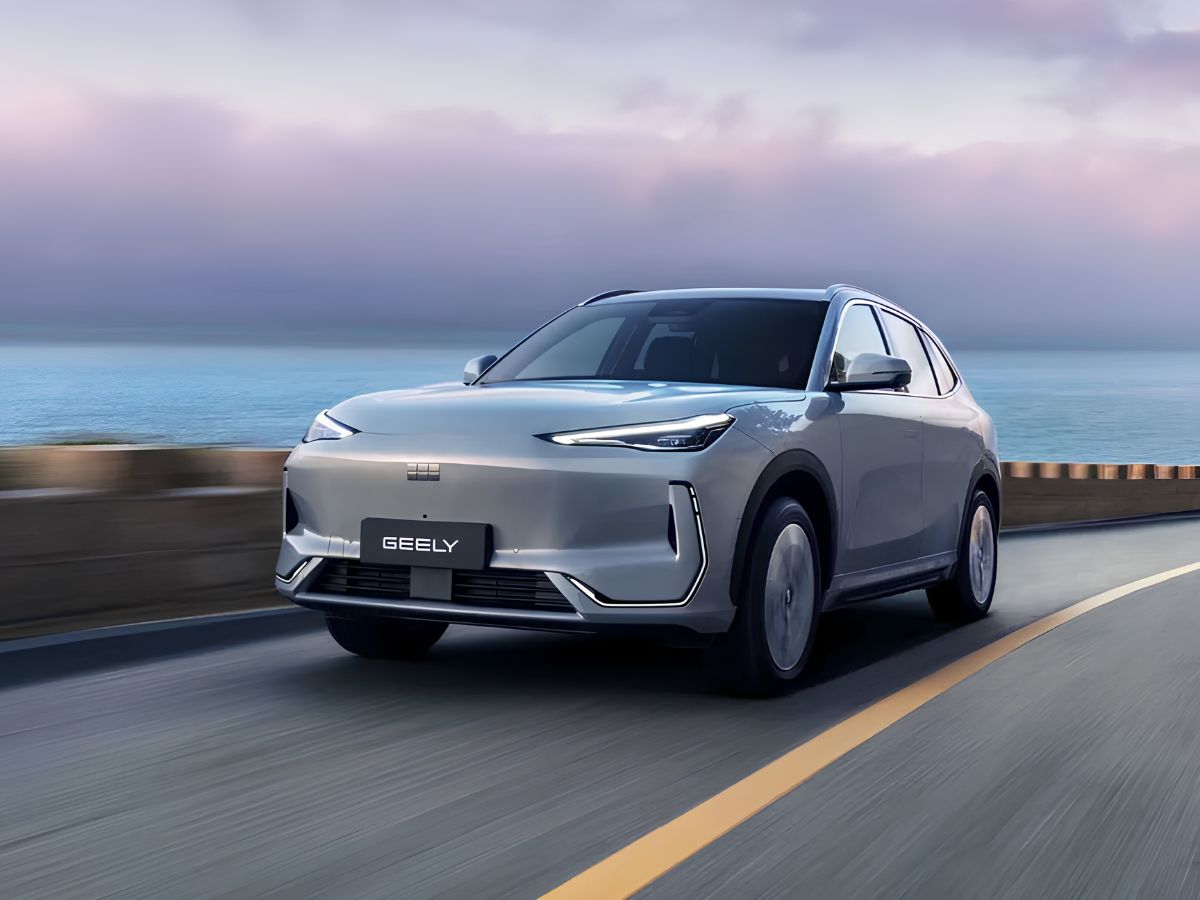
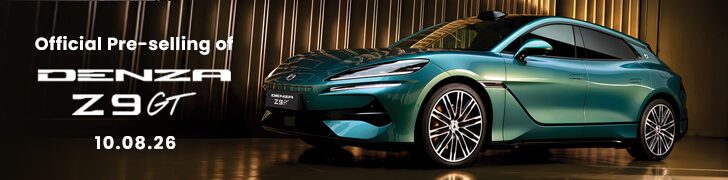
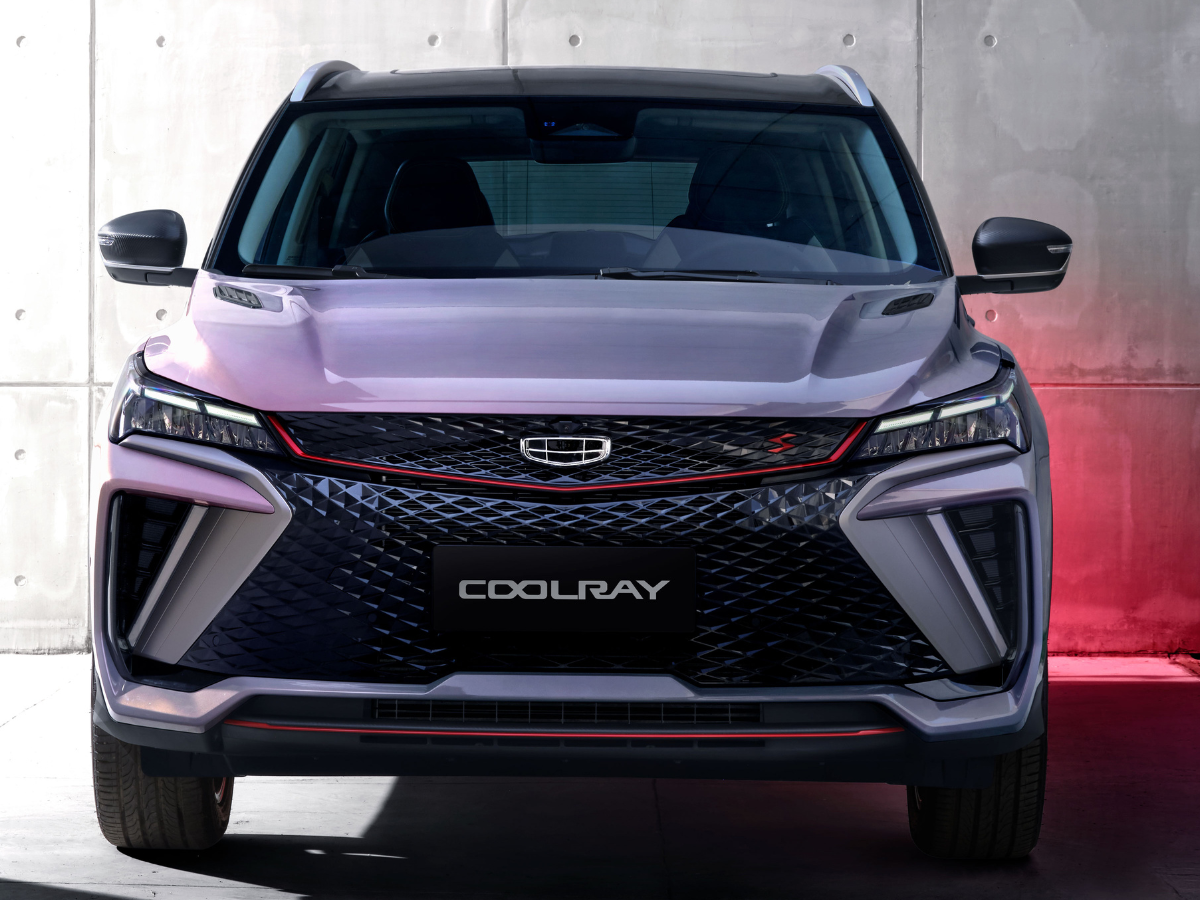
While global electric vehicle (EV) demand is on a steady rise, things are looking different in China, as industry reports indicate a slowdown in EV sales in the region, attributed to shifting consumer preferences. This opened a window for Geely to leap ahead of its closest Chinese rival, BYD, in domestic auto sales.
The Hangzhou-based carmaker recorded higher overall sales in the Chinese market during the early months of 2026, amounting to around 476,327 units, compared with BYD’s 400,241 units. The achievement is notable because BYD had previously dominated China’s rapidly expanding new-energy vehicle (NEV) sector, which includes battery-electric vehicles (BEVs) and plug-in hybrid electric vehicles (PHEVs).
Industry observers have attributed Geely’s stronger performance, in part, to its broader powertrain lineup. While BYD focused heavily on EVs, Geely offers a mix of BEVs, PHEVs, and traditional internal combustion engine (ICE) models. This diversified strategy appears to be helping the company maintain stable demand at a time when some consumers are reconsidering the pace of their transition to fully electric cars.

The Chinese EV market has grown rapidly over the past several years, driven by government incentives and strong consumer adoption. However, the market is now entering a more competitive phase. As subsidies have gradually been reduced and more brands have entered the segment, price competition has intensified, and sales growth has begun to stabilize. In this environment, PHEVs have become more attractive to buyers seeking improved fuel efficiency without relying on specialized charging infrastructure. Geely has invested heavily in hybrid technologies and has expanded its electrified offerings across several brands within its portfolio.
BYD, meanwhile, remains one of the world’s largest producers of EVs and continues to play a big role in China’s EV industry. The Shenzhen-based company built its reputation by aggressively expanding BEV and PHEV production. It has become a major beneficiary of China’s push toward cleaner transportation.
Despite the recent sales shift, competition between the two manufacturers remains intense. However, market leadership may fluctuate as new brands, models, and technologies are introduced at a rapid pace each year.
Of note, China is the world’s largest automotive market and the global center of EV adoption, making developments among its domestic automakers closely watched by the broader industry. The intense rivalry between BYD and Geely shows how strategies are evolving as companies adjust to changing consumer demands in a hotly contested EV landscape.
Autocar’s Take
The recent sales shift between Geely and BYD is an example of a growing reality in the global auto industry today – the road to electrification may not be purely electric, after all. The former’s balanced lineup of BEVs, hybrids, and ICE-powered models appears to resonate with buyers who still want flexibility while infrastructure and costs continue to evolve.
Meanwhile, BYD’s strong focus on EV models shows confidence in the electrified future it envisions. On the flip side, BYD’s market leadership struggle in China exposes the brand to short-term market fluctuations. In many ways, this fierce competition highlights a heated debate over how quickly consumers are ready to fully transition to EV mobility.