


GAC Philippines shared that two Aion V electric vehicle (EV) owners have proven that long-distance travel and inter-island road trips can be done seamlessly. This is after GAC owners Romel Emperado and Rommel Laranjo took their Aion V cars across highway stretches and ferry links.
First up is Romel Emperado, who embarked on a 1,492-kilometer journey spanning Luzon, Visayas, and Mindanao. Emperado wanted to test the real-world capability of the GAC Aion V, which is why he decided to go on an inter-island road trip. He said that traveling through Samar and Leyte, where public EV charging infrastructure is still developing, required some planning but no significant compromises.
“I wanted to share this with the EV community to banish fear and range anxiety. People think a long-distance road trip like this is stressful, but it really wasn’t. I didn’t drive at night, so I wouldn’t have tiresome and sleepless nights. We just hung out at malls or slept at Airbnbs while the car charged,” Emperado said.
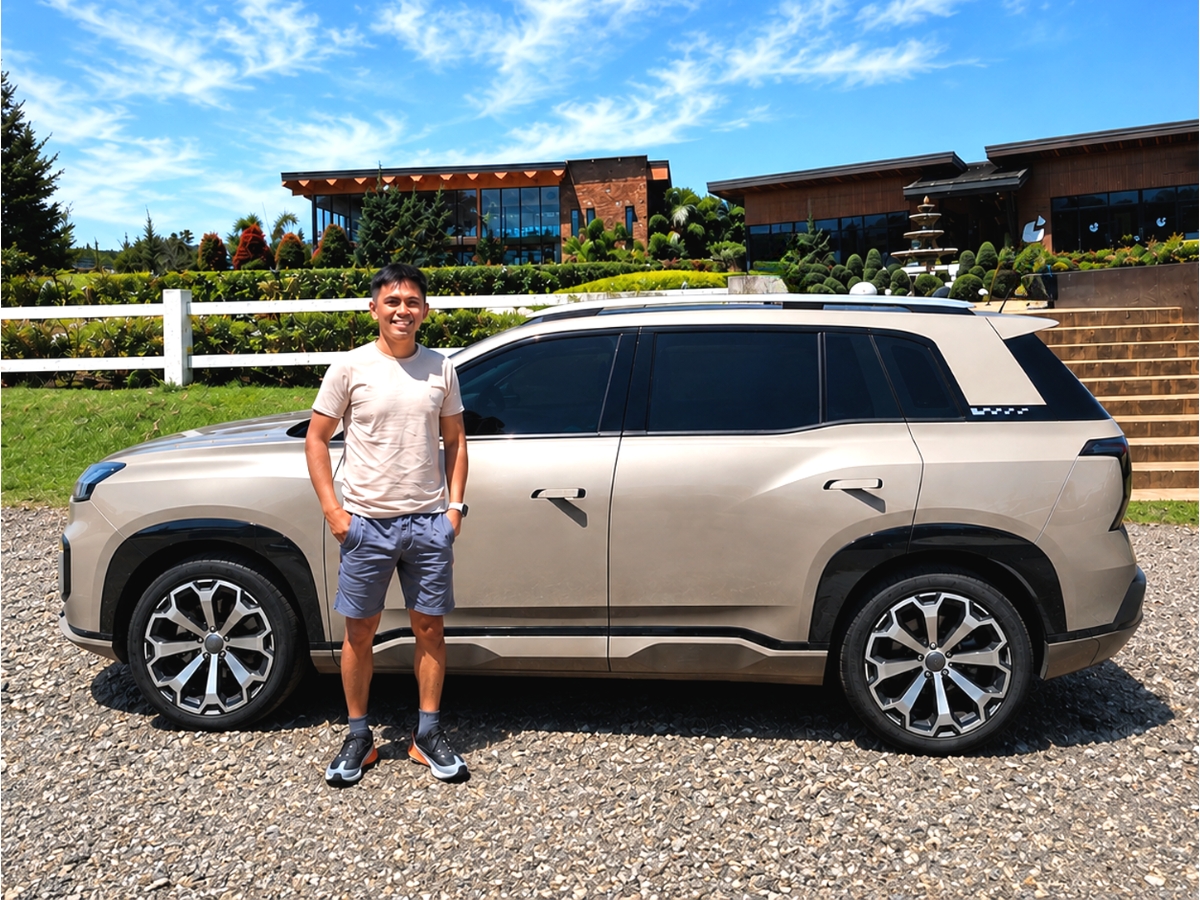
GAC PH noted that Emperado, who has a professional background in solar materials and tech, closely monitored his energy efficiency along the route. By relying on single-pedal driving and regenerative braking, maintaining steady cruising speeds of 80 to 100 km/h, and driving in power-saving mode, he recorded an impressive average efficiency of 13.9 kWh/100 km, beating conservative estimates by over 20 percent, according to GAC PH.
On the other hand, Rommel Laranjo, another Aion V owner, said replacing a traditional diesel SUV with the Aion V streamlined both his 34-kilometer daily commute and his family’s cross-island travels. Driving from Cebu to Mindanao via two RoRo (Roll-on/Roll-off) ferry passages demonstrated how electric SUVs handle long travel days.
Laranjo highlighted the vehicle’s idle efficiency during extended delays, such as waiting in line for RoRo or ferry embarkation. With no internal combustion engine running, Laranjo noted that passengers can stay cool in the air-conditioned cabin without heavy power drain or exhaust fumes.
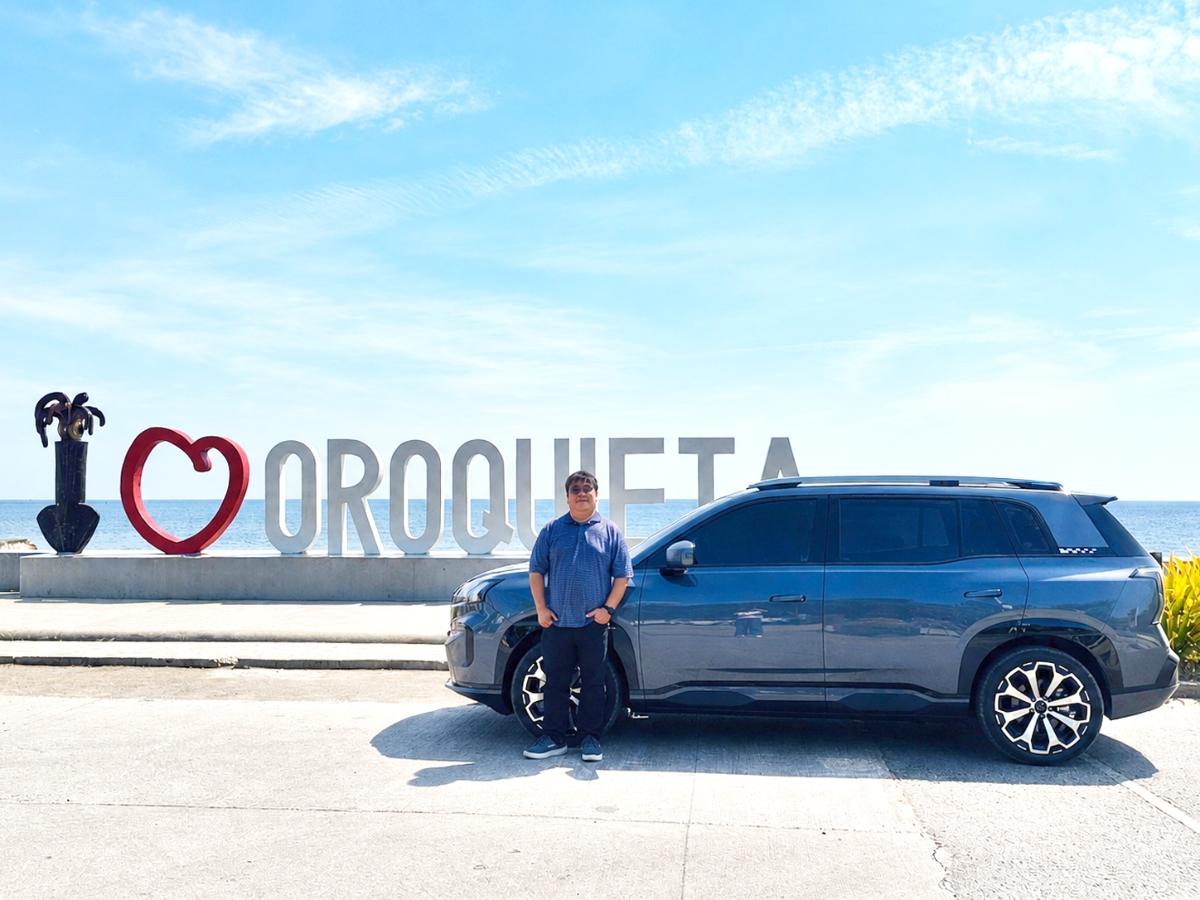
“As long as it fits your budget, an EV is just so practical. We used to spend up to P3,000 a week on fuel for our traditional cars, so switching to daily home charging and supplementing it with our solar setup made a huge difference. Driving all the way from Cebu to Mindanao proved that long trips are completely doable,” Laranjo shared.
“The car is smooth and responsive with great pickup, and we still made it home with 36 percent battery to spare, even with the air conditioning running the entire day,” Laranjo noted, finishing his journey with 183 kilometers of remaining range.

Autocar’s Take
Two GAC Aion V owners decided to go on their respective inter-island road trips to test and get real-world experience of what it’s like to drive long distances using an EV. The adventure of Romel Emperado and Rommel Laranjo is a testament not just to the Aion V’s capabilities but also to the growing EV infrastructure in the Philippines. By successfully driving across Luzon, Visayas, and Mindanao, it shows that the EV charging infrastructure is expanding, although it still needs to expand for local consumers to be enticed to consider driving home an EV such as the GAC Aion V.


