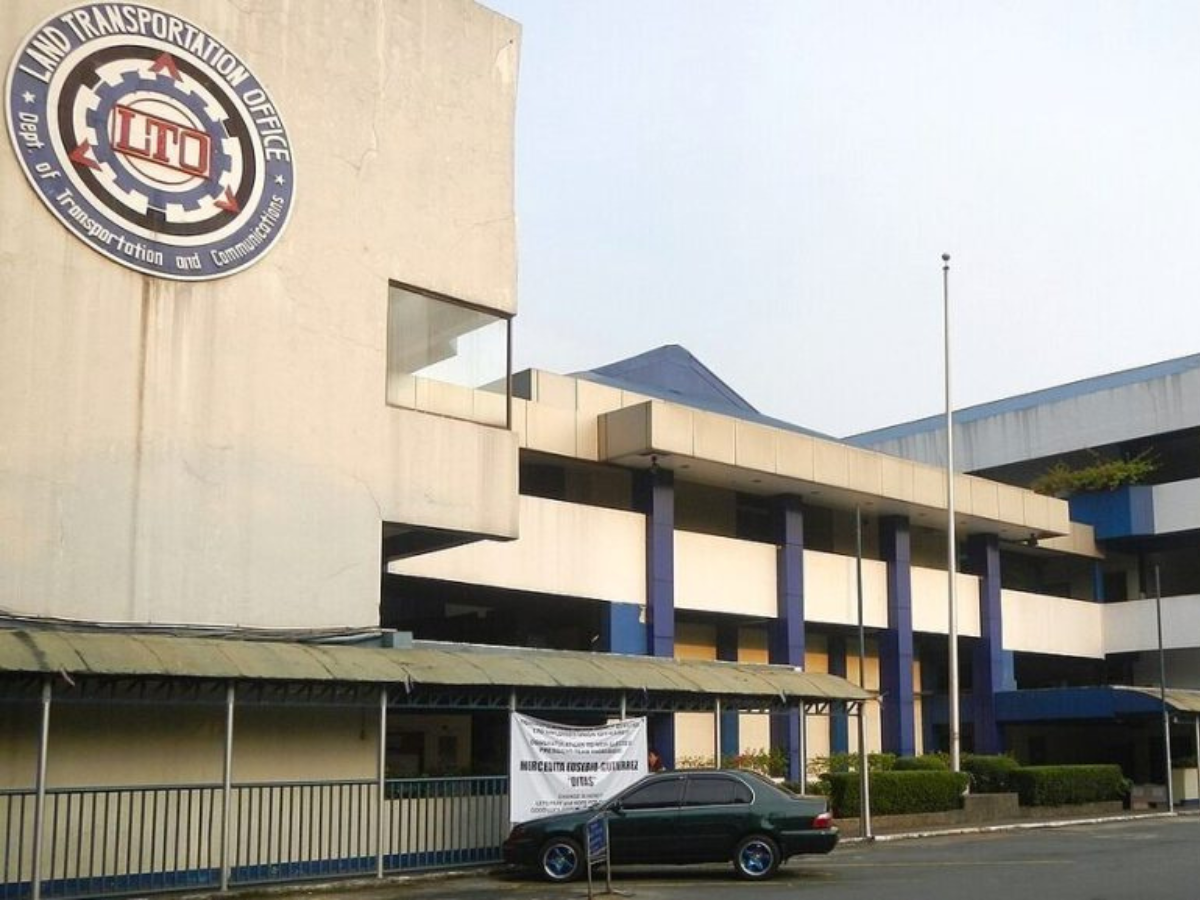


The Land Transportation Office (LTO) has formally informed the Office of the Ombudsman that it will comply with directives concerning the full operation and maintenance of the government-owned Land Transportation Management System (LTMS), while outlining legal, technical, and operational challenges that it says continue to affect the transition.
The development stems from a complaint filed by transport and motorists’ advocacy group Coalition 169, which has been advocating for the full operation and maintenance of the government-owned LTMS and raising concerns over the continued use of systems outside the LTMS framework. Following the complaint, the Office of the Ombudsman issued a directive on May 29, 2026, prompting the LTO to submit a compliance and situational report.
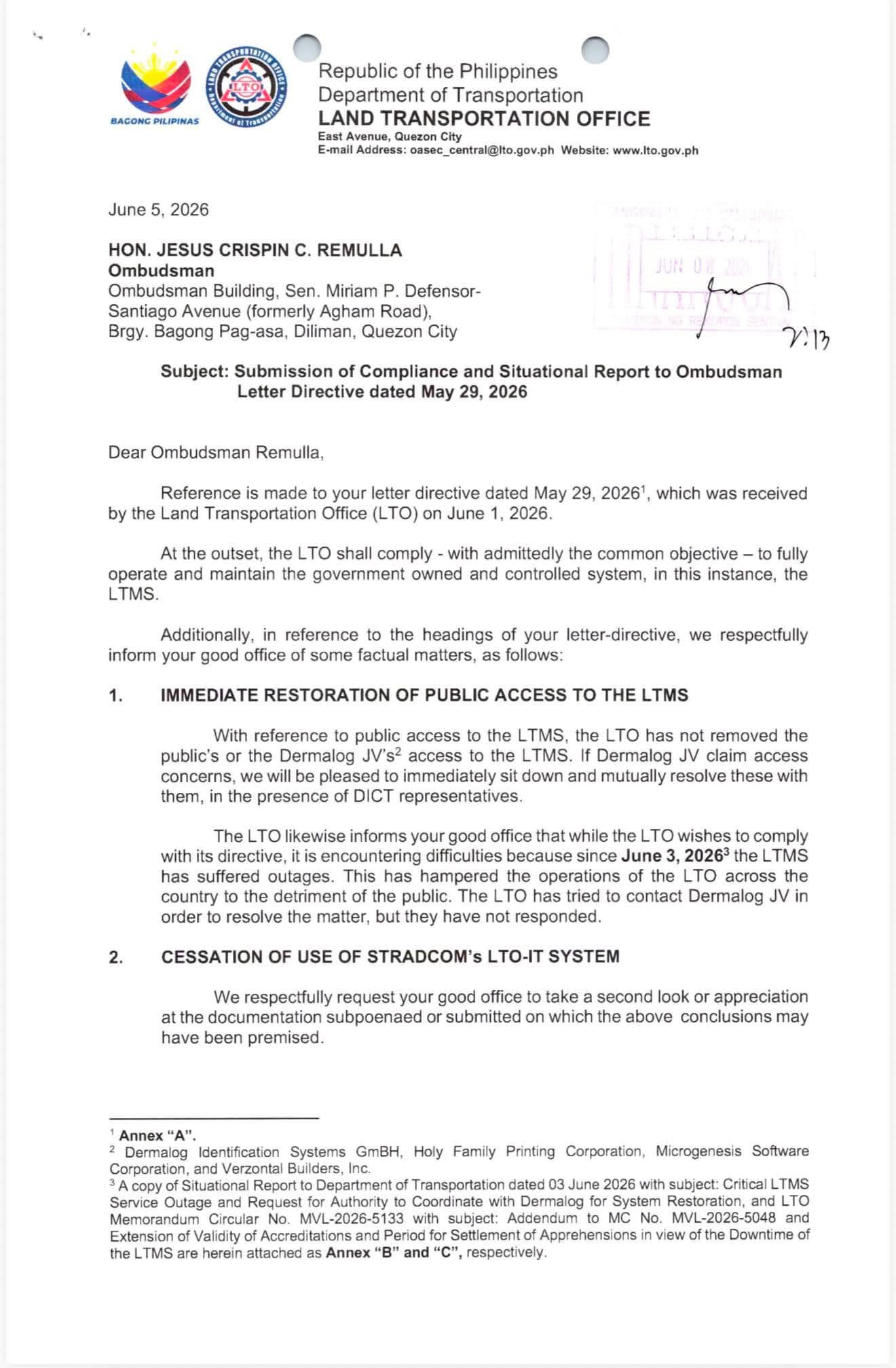
In a June 5, 2026 letter addressed to Ombudsman Jesus Crispin C. Remulla, LTO Assistant Secretary Markus V. Lacanilao acknowledged what the agency described as a shared objective of fully operating and maintaining the government-owned LTMS. “At the outset, the LTO shall comply – with admittedly the common objective – to fully operate and maintain the government owned and controlled system, in this instance, the LTMS,” the LTO response letter stated.
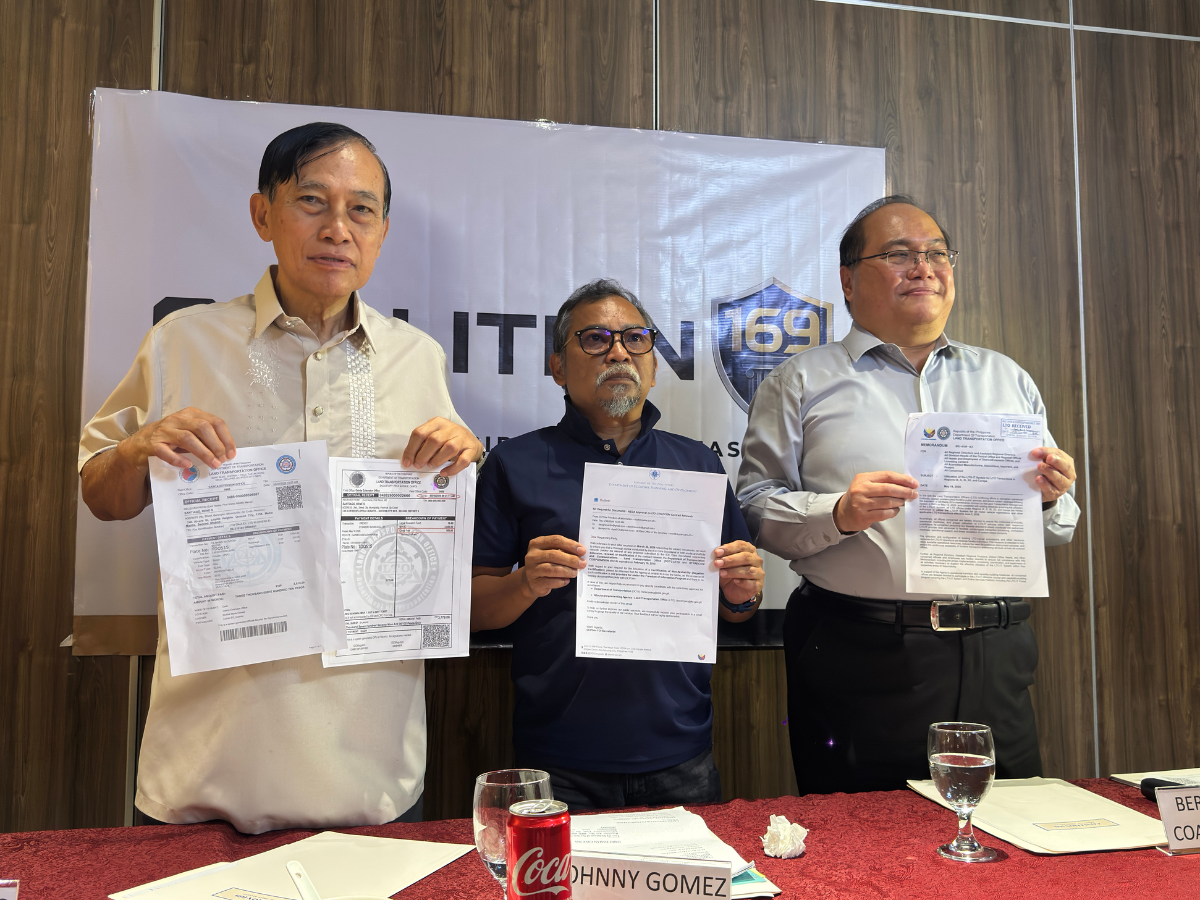
Coalition 169 subsequently issued a statement describing the opening and closing portions of the LTO’s response as “the most significant sections of the document.” The group argued that the statements reinforce the Ombudsman’s directive and demonstrate the agency’s commitment to the eventual full implementation of the government-owned system.
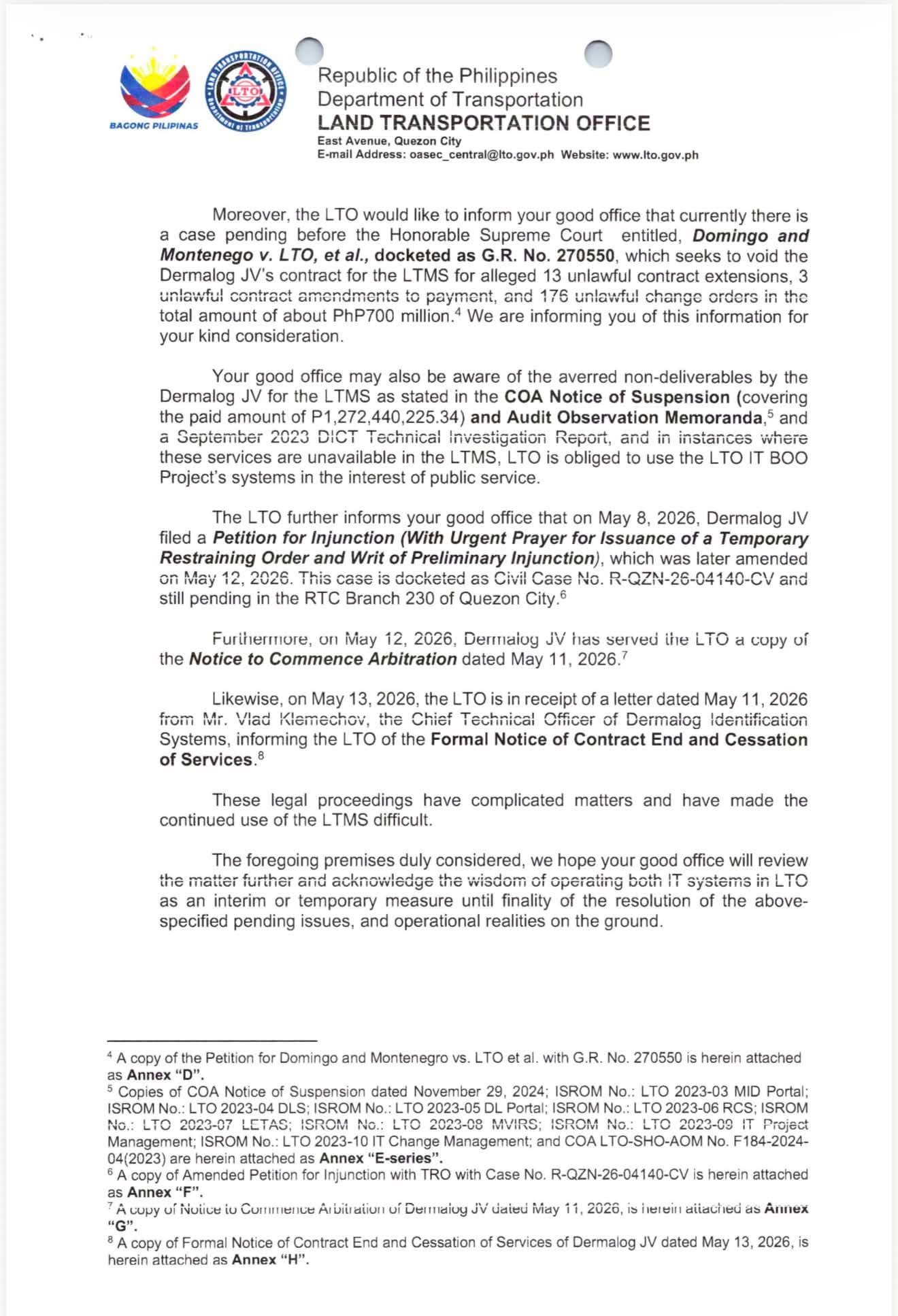
The LTO’s letter, however, also detailed a number of issues that it said continue to affect the transition. These include system outages, pending court cases, arbitration proceedings, contractual disputes, and concerns regarding project deliverables associated with Dermalog JV.
According to the agency, the LTMS experienced outages beginning June 3, 2026, affecting operations nationwide. The LTO also cited a pending Supreme Court case, an injunction case before a Quezon City court, and arbitration proceedings involving Dermalog JV.

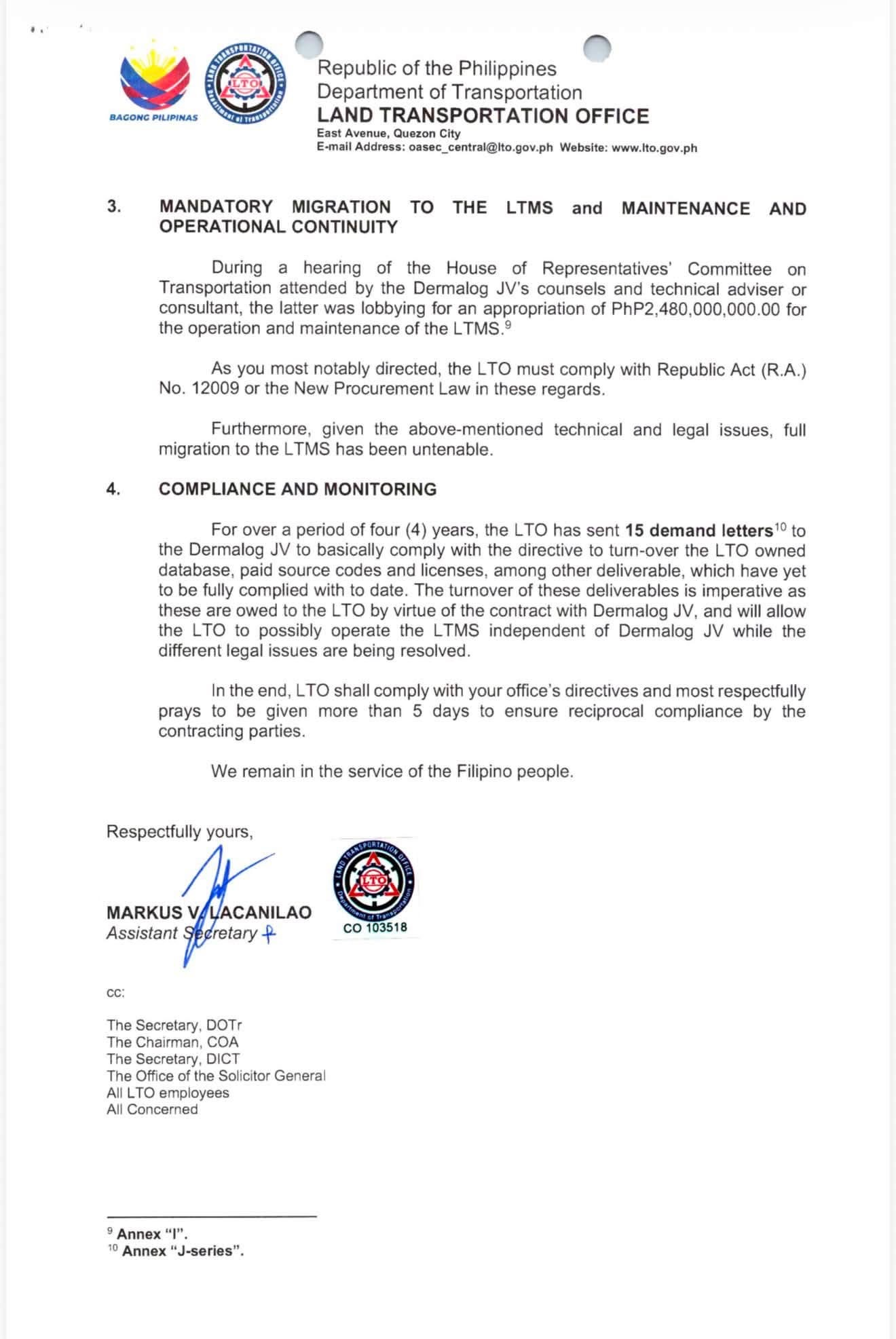
The agency further stated that it has issued 15 demand letters over the past four years seeking the turnover of the LTO-owned database, paid source codes, licenses, and other deliverables that it said remain outstanding.
Coalition 169, for its part, argued that legal and operational issues should not delay compliance with the Ombudsman’s directive. The group maintained that government transportation services should ultimately be anchored on the government-owned LTMS and that implementation should now be prioritized.
Despite describing full migration as currently “untenable” due to legal and technical concerns, the LTO reiterated in its letter that it would comply with the Ombudsman’s directives and requested additional time to ensure compliance by all contracting parties involved.
Autocar’s Take
Digital systems have become the backbone of government services nowadays, making reliability and accountability more important than ever. The ongoing discussion surrounding the LTMS highlights the need for clarity on ownership, maintenance, and long-term sustainability. While Coalition 169 is pushing for full implementation of the government-owned LTMS and the LTO points to legal and technical hurdles, motorists ultimately want a system that works efficiently and consistently. The real measure of success will not be who wins the argument, but how effectively public services are delivered. As the process moves forward, transparency and uninterrupted service should remain the priority.