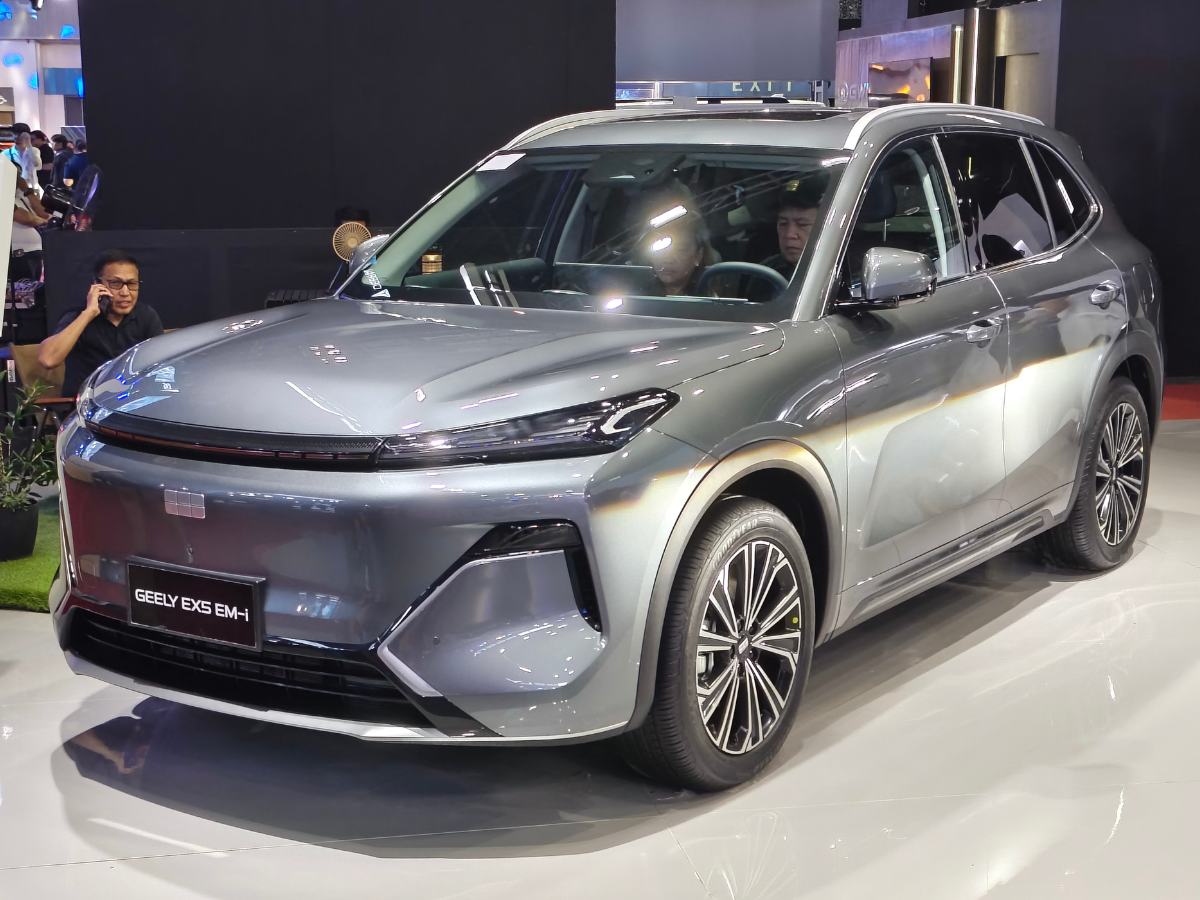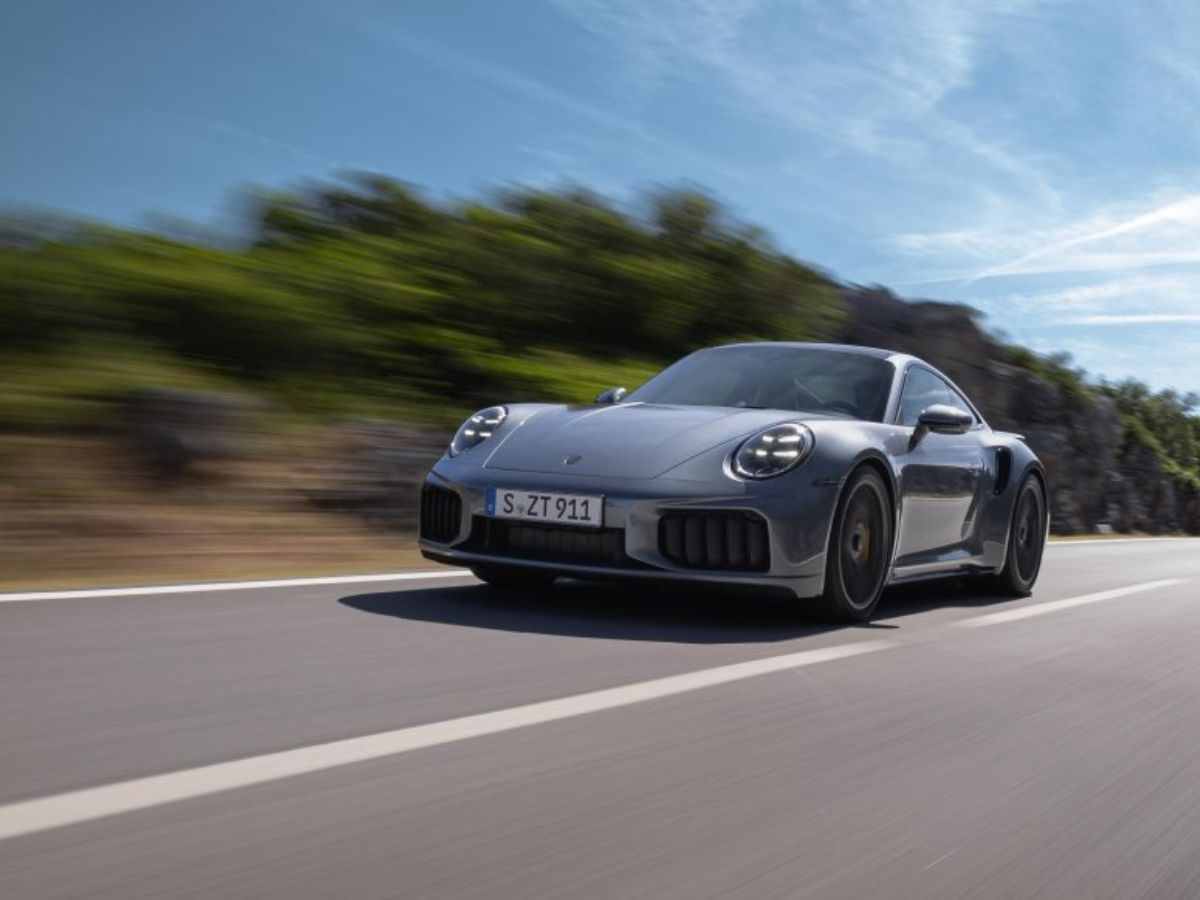
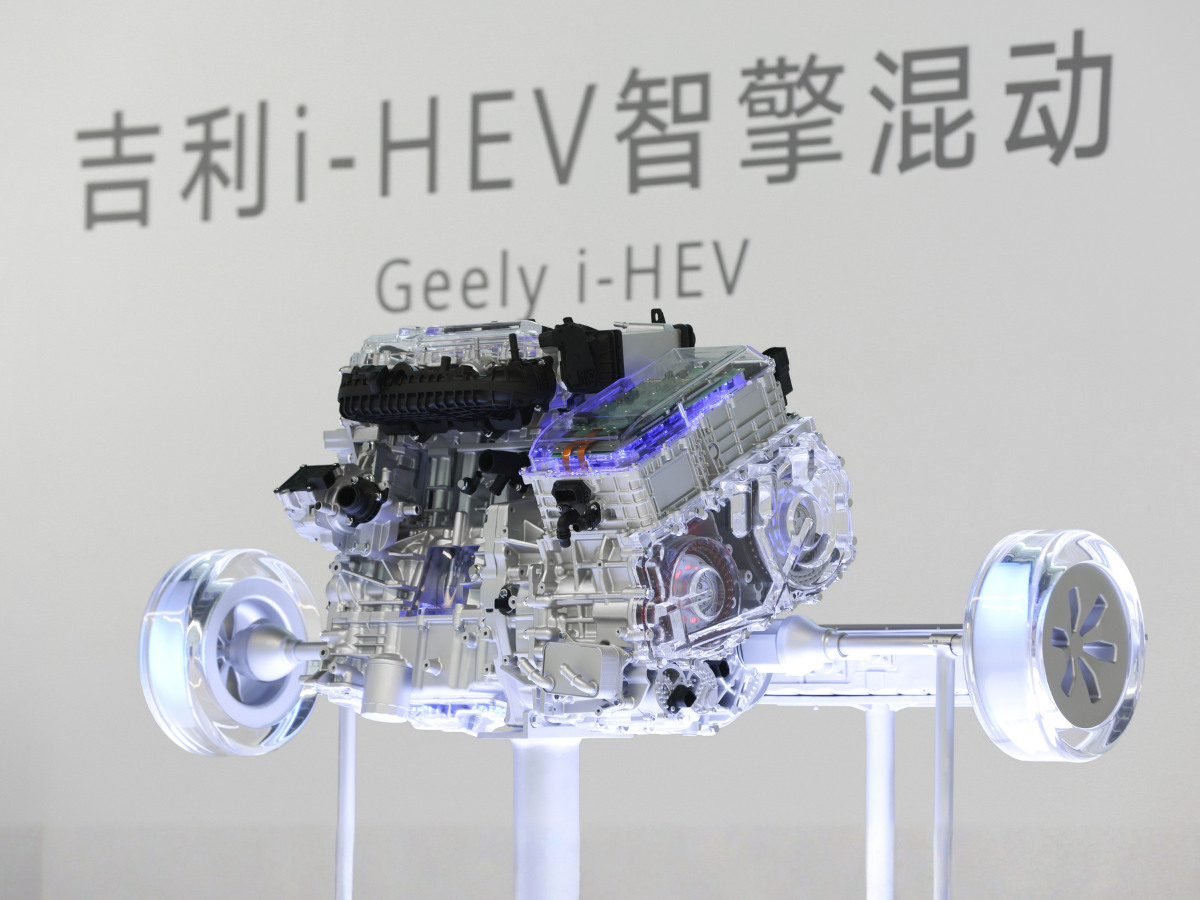
For years, Toyota has been at the top of hybrid technology. From the Prius to today’s Corolla Cross and RAV4 HEV, the Japanese giant built a reputation around fuel efficiency, refinement, and long-term reliability. But now, Chinese automaker Geely believes it is finally ready to challenge that dominance with a new hybrid system called i-HEV.
In more detail, Geely claims its latest self-charging hybrid technology delivers stronger performance, smarter energy management, and even better efficiency than some established hybrid rivals. It is a bold statement, especially considering Toyota’s decades-long lead in the segment.
Unlike plug-in hybrids that require external charging, Geely’s i-HEV system works similarly to traditional full hybrids. The vehicle can switch between gasoline and electric power automatically, helping reduce fuel consumption while maintaining everyday convenience. The company says the new setup can produce around 308 hp, which is unusually high for a conventional hybrid vehicle.
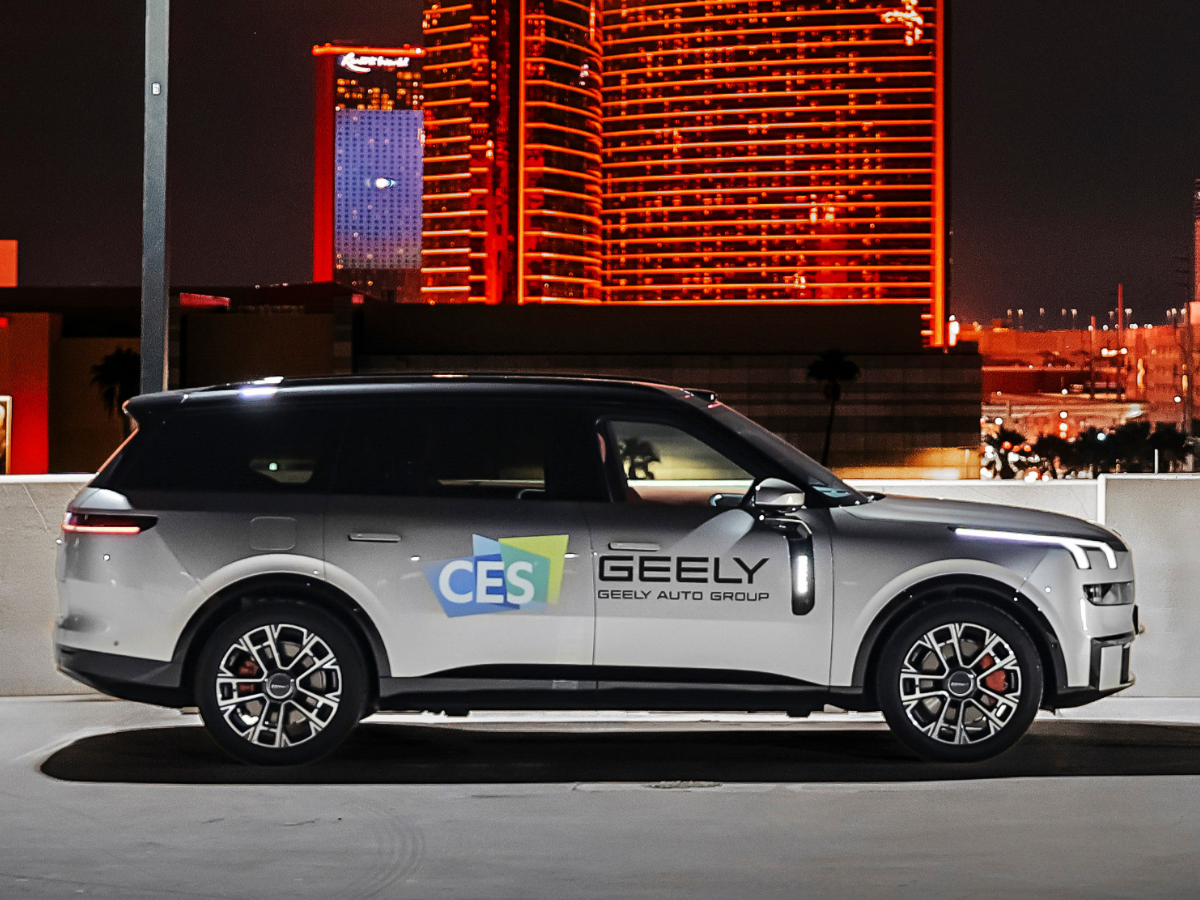
One of the biggest talking points is Geely’s claimed fuel economy figure of 2.22 L/100 km during a long-distance efficiency run. While that number was achieved under controlled conditions without official certification procedures, it still highlights how aggressively Chinese brands are now pushing hybrid development.
Geely is also emphasizing the system’s intelligent software. The company says the hybrid setup can analyze traffic, weather, altitude, humidity, and driver behavior in real time to optimize energy usage. In simple terms, the car is designed to constantly adapt itself for maximum efficiency.
The bigger story here is not just about one hybrid system. It paints a bigger picture of how quickly Chinese automakers are catching up in areas once dominated by Japanese brands. A few years ago, many Chinese brands focused heavily on affordable EVs. Today, companies like Geely are attempting to compete directly against the industry’s most recognized giants in hybrid automotive research and development.
Autocar’s Take
Toyota hybrids have enjoyed a near untouchable reputation because they combined efficiency with proven long-term dependability. That is why Geely’s latest claims are genuinely interesting. Chinese automakers are no longer simply chasing affordability or flashy technology. They are now targeting categories that Japanese brands have dominated for decades.
Still, proving technological capability is only part of the challenge. Toyota’s strongest advantage remains its long-standing reputation for durability and consistency across millions of vehicles worldwide. Geely may have impressive numbers on paper, but real-world ownership experience over the next several years will ultimately determine whether the company can truly match the hybrid benchmark Toyota established decades ago.