
Bosch is celebrating 100 years of windshield wiper technology, marking a century of developments aimed at improving visibility and road safety, as the company looks to meet the changing demands of modern vehicles.
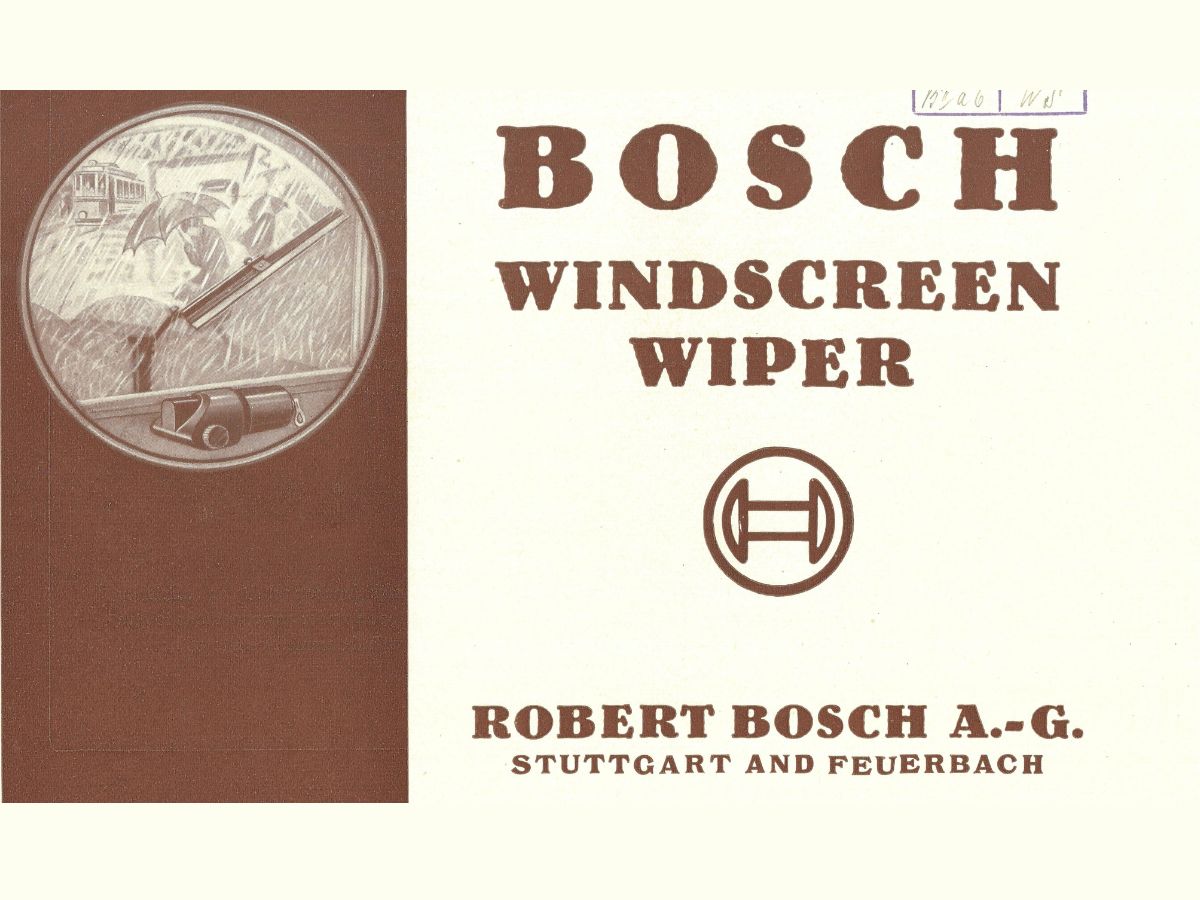
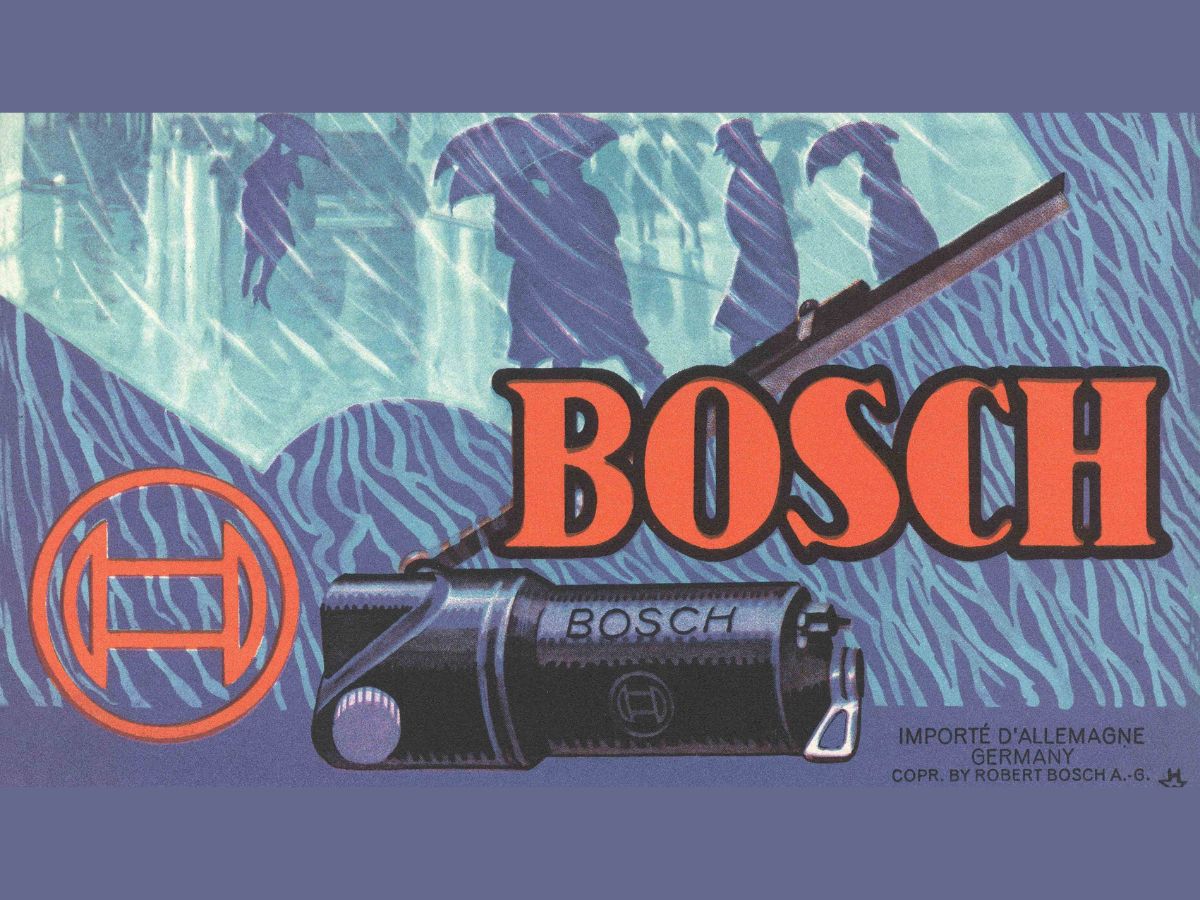
The German technology supplier introduced its first electric windshield wiper in 1926, a development that helped transform how drivers maintained visibility in poor weather. Since then, Bosch has continued to refine its wiper systems, from improvements in rubber materials to aerodynamic flat-blade designs.
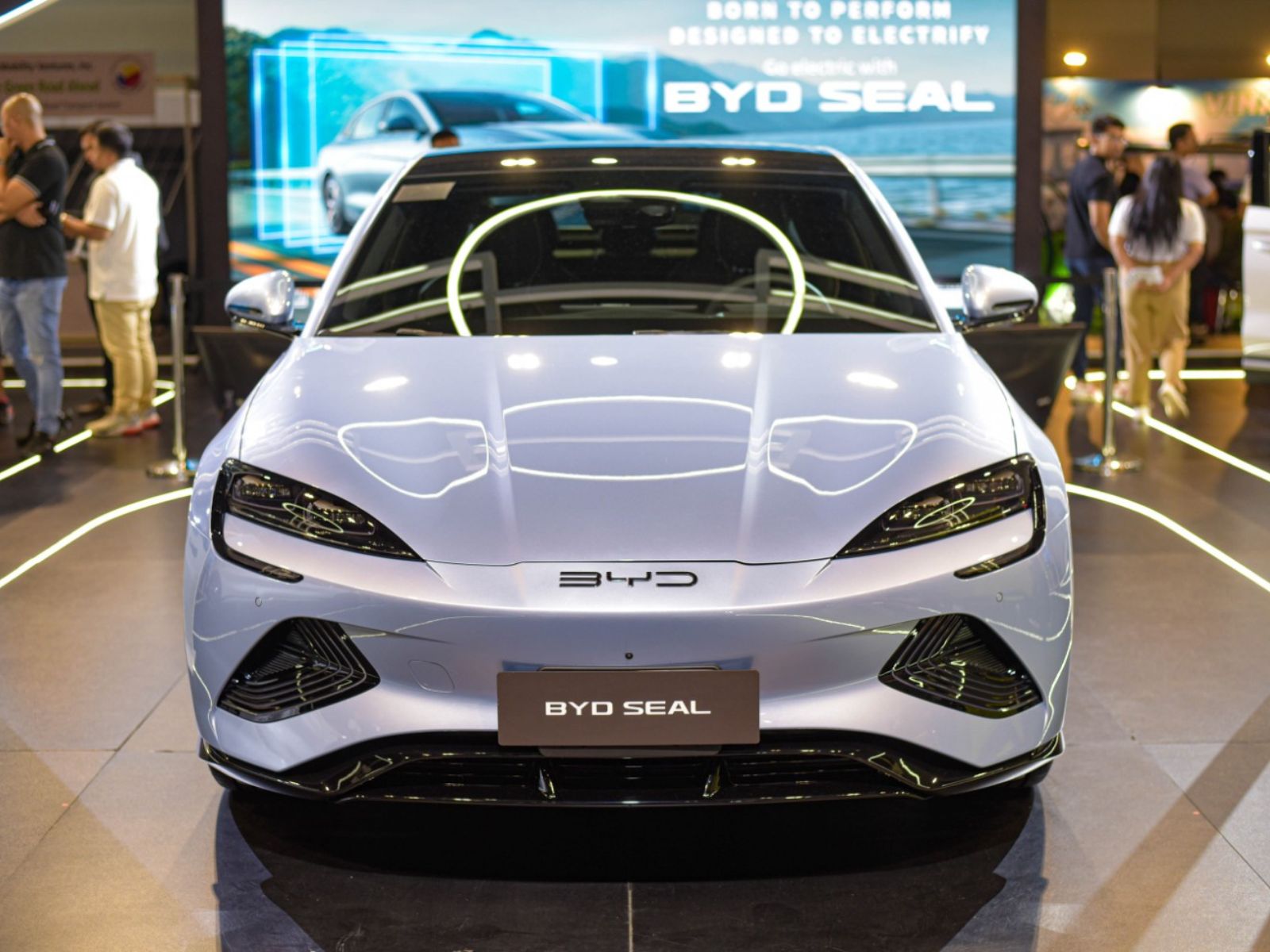
The company is marking the centenary with a global campaign recognizing its partnerships with automotive workshops and retailers. In the Philippines, the celebration began at the Manila International Auto Show (MIAS), where Bosch showcased its century-long heritage alongside its current wiper lineup.
The Philippine campaign will continue through 2026, with e-promos, exclusive merchandise, and double-digit sale offers at participating Bosch Authorized stores through December.
A century of wiper technology
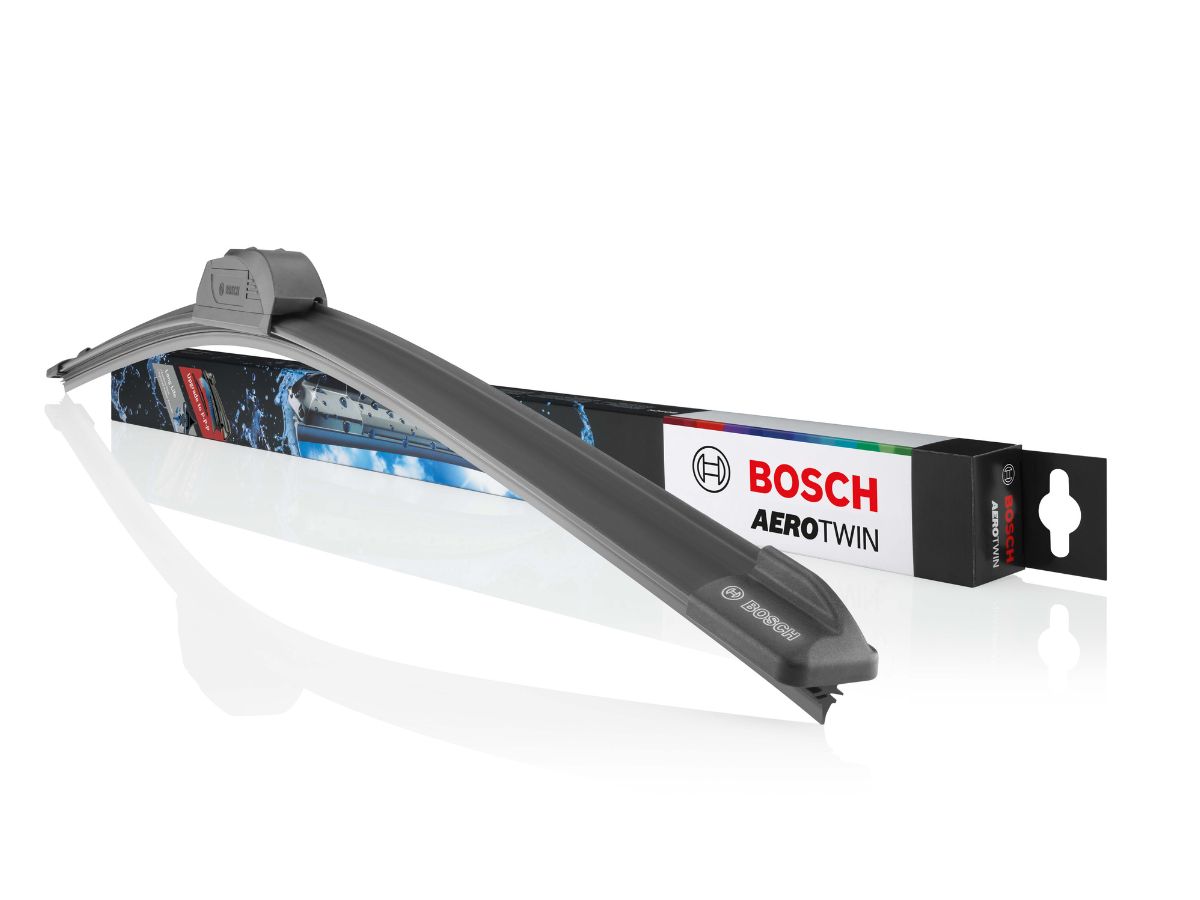
Among the milestones in Bosch’s history is the introduction of dual-material wiper rubber in 1994, which improved cleaning performance. In 2001, the company launched the Bosch Aerotwin, a flat-blade wiper designed to provide more consistent contact with the windshield.
The Aerotwin uses an aerodynamic profile and a custom-fit Evodium spring strip to distribute pressure across the glass. Bosch says the design supports effective wiping performance and durability. Flat-blade wipers have since become common original equipment on new vehicles.
The company’s latest developments also reflect the changing requirements of modern automotive technology.
Bart Robijns, head of wiper development at Bosch, said electric vehicles place particular demands on wiper systems because of the need for quiet operation. Driver assistance systems also depend on clean windshields to help cameras and sensors accurately monitor a vehicle’s surroundings.
These requirements make wipers more than a basic convenience, particularly as vehicles increasingly rely on electronic systems to support driving safety.
Looking toward the next century
Bosch is continuing to develop products for both vehicle manufacturers and the aftermarket. One example is the Aerotwin J.E.T-blade for commercial vehicles, which integrates washer-fluid nozzles into the wiper blade itself.
The system sprays cleaning fluid directly in front of the blade as it moves across the windshield, helping reduce disruptive spray mist and improve visibility. Its preassembled adapters are also designed to simplify installation for workshops, while fleet operators benefit from a system built for reliable operation.
Bosch’s centenary campaign, which officially begins at the Automechanika trade fair, carries the theme “Keeping the essentials in sight for 100 years.” Videos, social media activities and other marketing materials will highlight themes of family, care and nostalgia while giving workshops and retailers resources to engage customers.
As vehicles evolve, Bosch’s challenge is to ensure that windshield wiper technology keeps pace. Its century-long history demonstrates how a relatively simple automotive component can remain essential even as vehicle design and safety systems become increasingly sophisticated.
Autocar’s Take
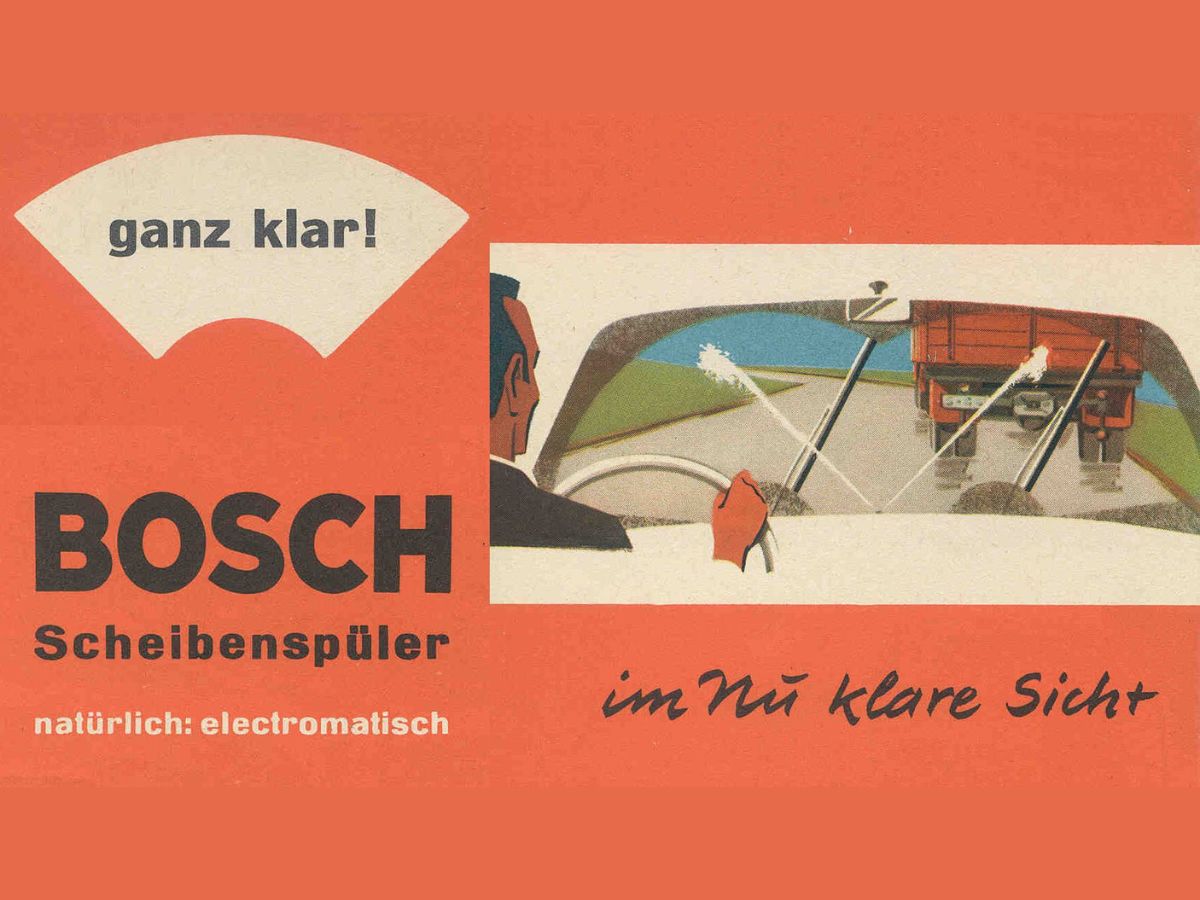
Windshield wipers rarely get the attention given to engines, batteries or advanced driver assistance systems, but their importance becomes obvious during a heavy downpour. In the Philippines, where sudden rain and flooded roads can quickly compromise visibility, dependable wiper systems are essential rather than optional. Bosch’s 100-year milestone is a reminder that automotive innovation is not always about adding more power or smarter screens.
Sometimes, it means helping drivers see clearly when conditions turn difficult. As modern vehicles increasingly depend on cameras and sensors, windshield cleanliness will matter even more. That makes wiper technology worth watching in the years ahead.