
Global management consulting firm Arthur D. Little (ADL) has released the 2026 Global Electric Mobility Readiness Index (GEMRIX), a study that evaluates 31 countries to determine how ready and capable they are when it comes to electric vehicle (EV) adoption. The study showed interesting data on which countries are deemed capable of making the EV shift.
ADL said that the global EV market has entered a new phase, and noted that countries that set the necessary measures and provisions the quickest will be the “ones that race ahead” when it comes to EV growth. The measures and provisions include EV charging infrastructure and policies, government support, among others. These play a significant role in making a market or a country EV-ready.
ADL evaluated 31 automotive markets across five methodologies: macroeconomic conditions, market maturity, consumer readiness, charging infrastructure, and regulatory policies. It noted that market success depends on national infrastructure, charging network density, product affordability, cost of ownership, and government regulations.
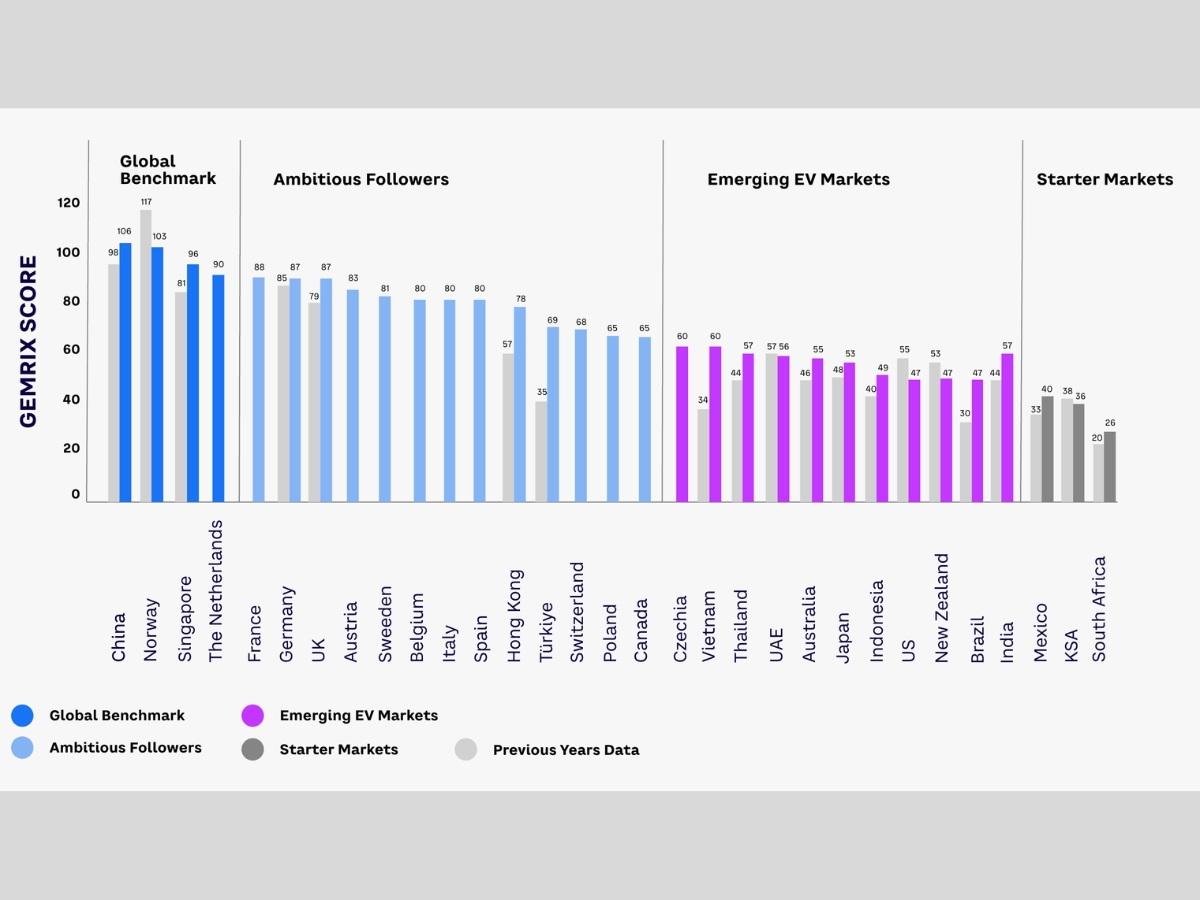
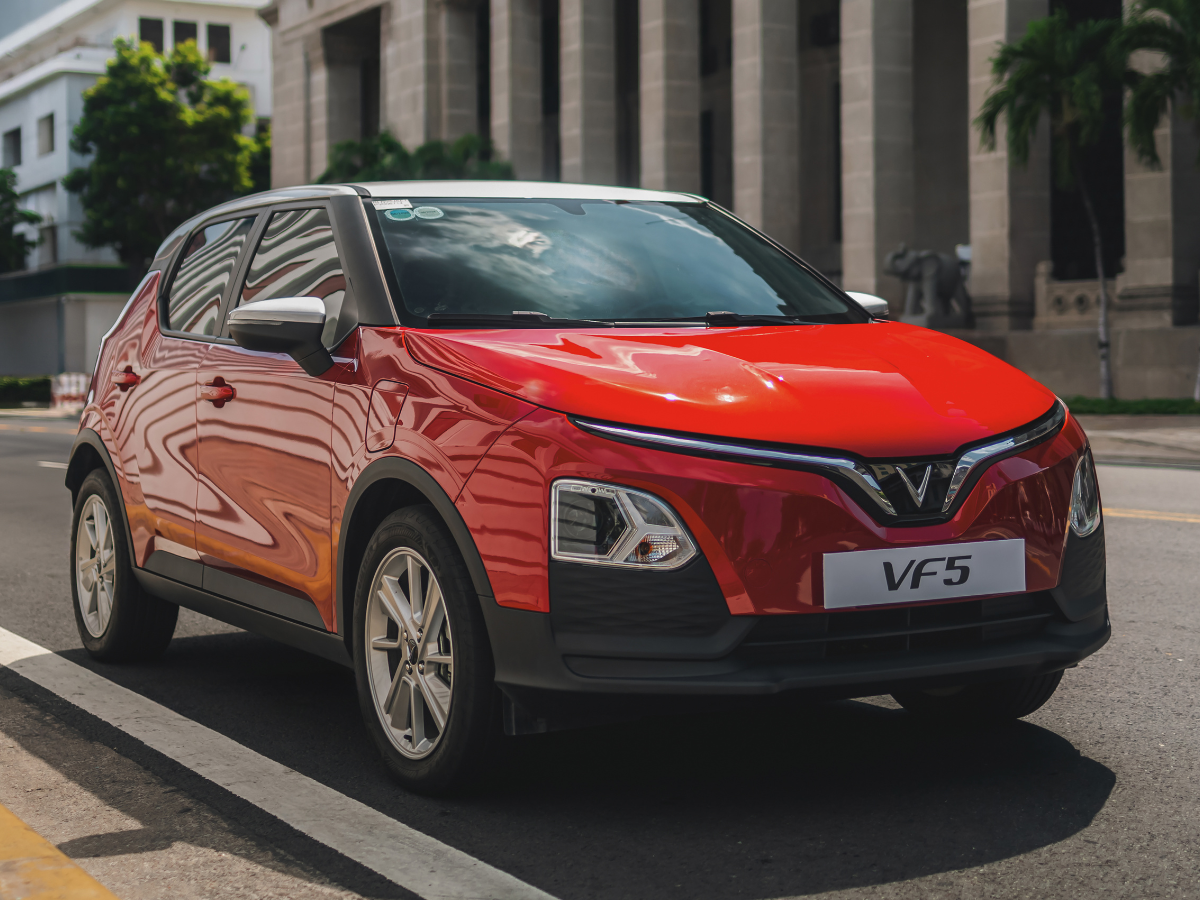
Based on the 2026 GEMRIX, data shows that Vietnam and Thailand are readier and more capable of an EV shift compared to Japan. Vietnam ranked 19th globally in the study, and it sits behind Czechia in the emerging EV markets category. The data also showed that 39 percent of new vehicles sold in Vietnam in 2025 are battery EVs (BEV), and the VinFast VF 5 is the most sold BEV.
Right behind Vietnam in the emerging EV markets is another Southeast Asian country, Thailand. The Land of Smiles sits at rank 20, and its new car sales last year comprised 20 percent BEVs, with the BYD Dolphin as the best-selling BEV in Thailand.
On the other hand, Japan is at rank 23, despite being home to several automotive giants such as Toyota, Honda, Nissan, Suzuki, Mitsubishi, among others. ADL noted that Japan struggles with slower consumer adoption rates and has lower scores in public charging infrastructure performance. The 2026 GEMRIX shows that new car registrations in Japan last year were only one percent, and the best-selling BEV is the Nissan Sakura.
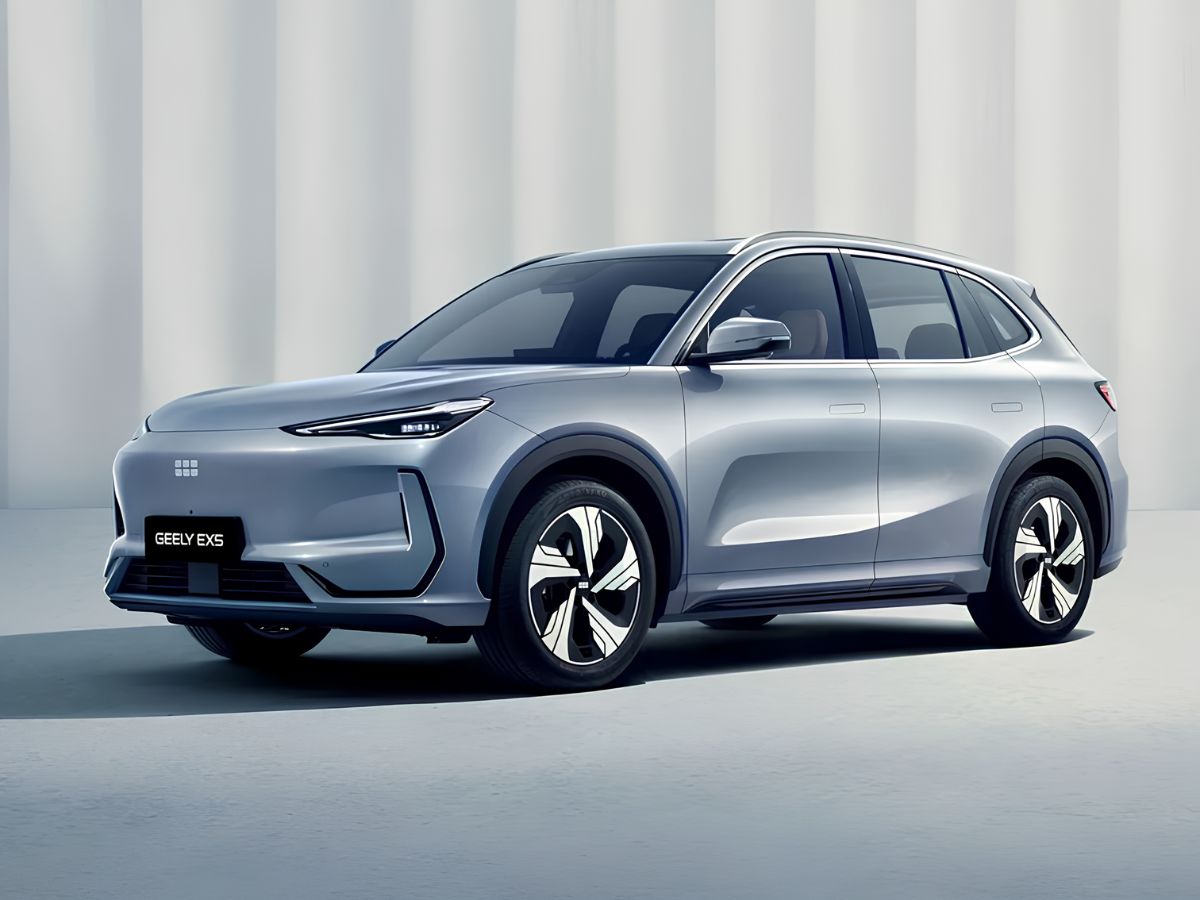
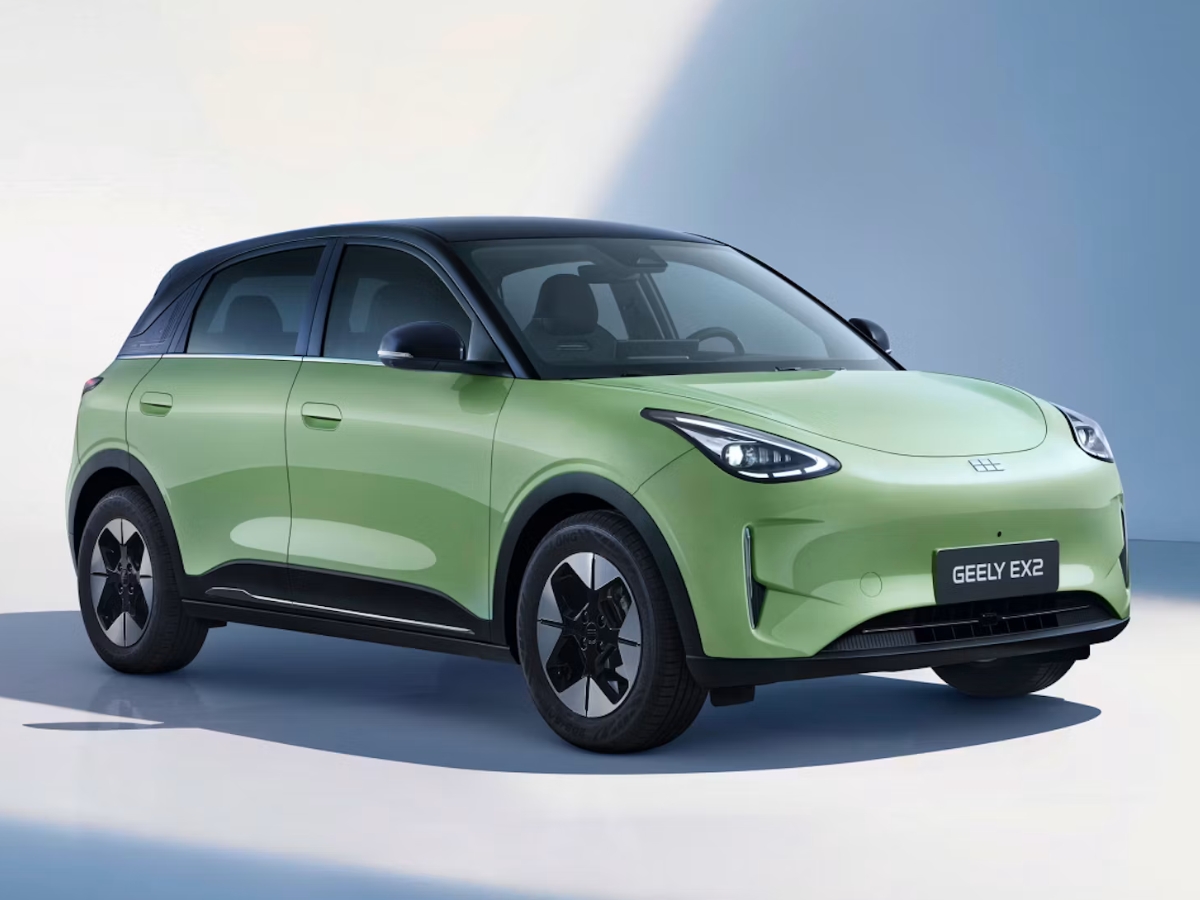
In case you’re wondering, China holds the top rank and serves as the global benchmark for electric mobility. It sits in first place with a score of 106, making it one of only two countries alongside Norway to score above the 100 mark; Norway scored 103. The best-selling BEV in China is Geely Galaxy Xingyuan, also sold as the Geely EX2 in other markets such as the Philippines.
Meanwhile, Singapore also sits near the top of the global benchmark group, ranking 3rd overall with a high score of 96. The BYD Atto is Singapore’s best-selling BEV, but the 2026 GEMRIX did not specify which Atto model recorded the highest sales.
So where’s the Philippines? Unfortunately, the Philippines is not included in the study, which suggests that our market is not yet ready to make a full electric shift.
Autocar’s Take
China remains the global benchmark when it comes to EV adoption, which is not surprising since it has prepared well for the said electric shift. Aside from having well-priced EVs, China has also prepared its EV charging infrastructure, and studies such as ADL’s 2026 GEMRIX are a testament to that. Japan, home of legacy brands such as Toyota, Honda, and Nissan, ranked below Vietnam and Thailand, which shows that the Japanese are playing catch-up when it comes to producing EVs that will enable the market to make the EV shift.