
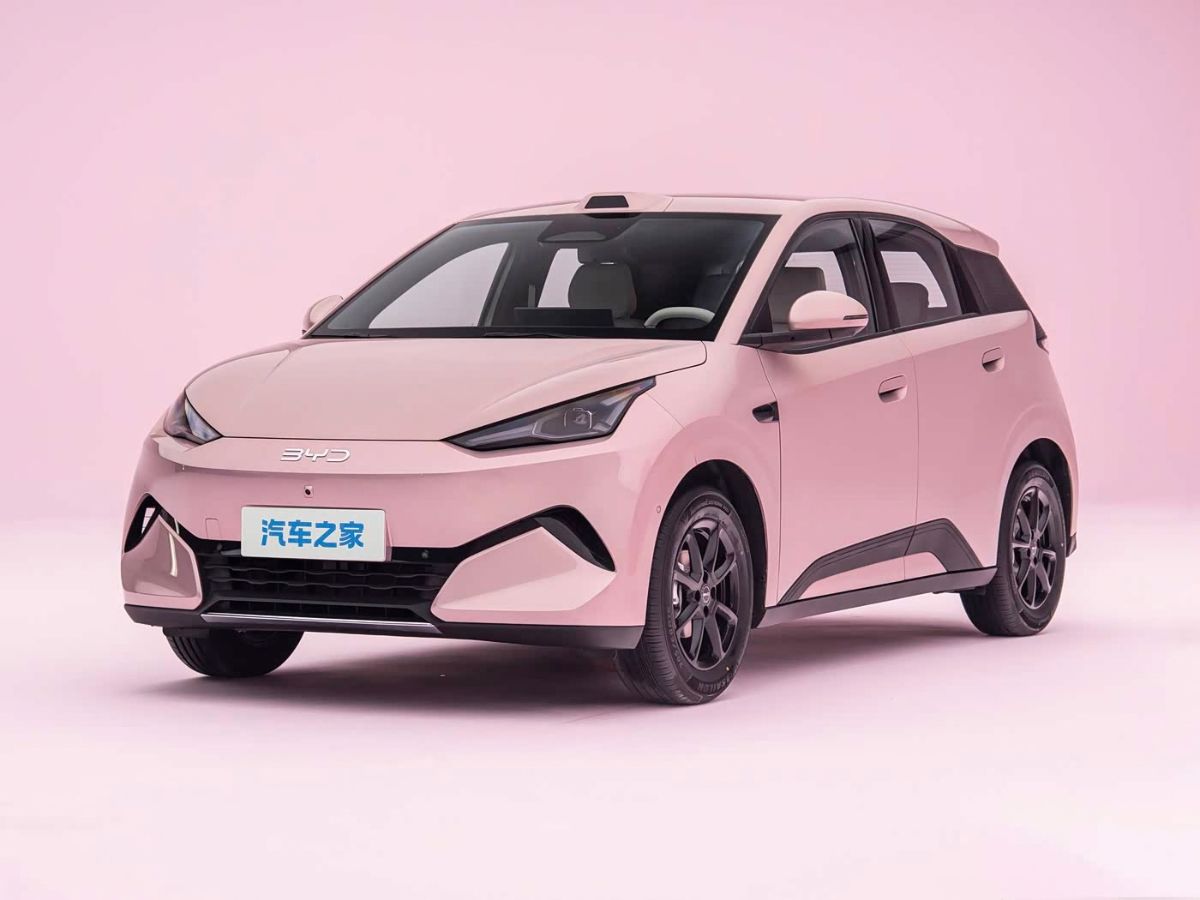
BYD has unveiled the second-generation Seagull in China, giving its small electric hatchback a significant increase in size while introducing a new drivetrain layout, more power and additional technology.
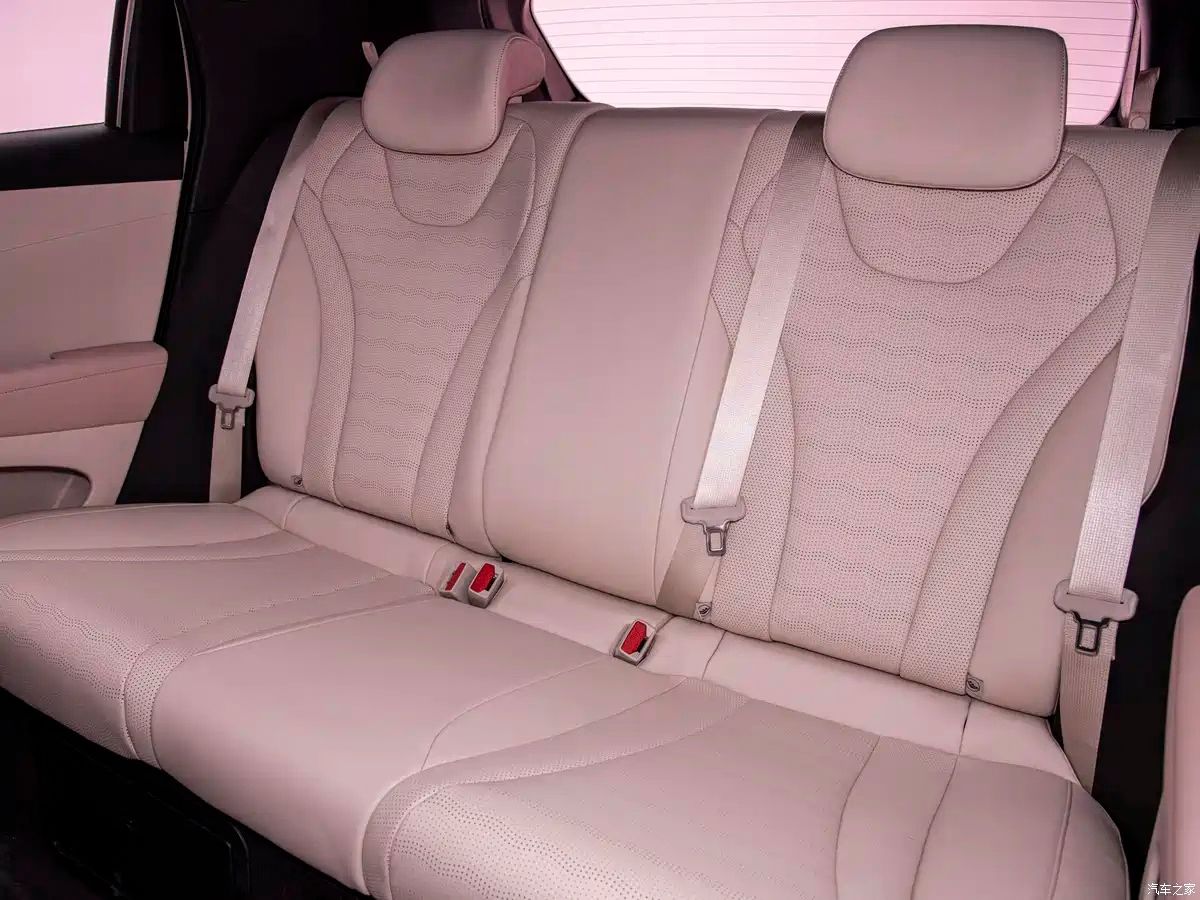
In a report by Chinese media outlet Autohome, BYD officially described the model as the “Second Generation Seagull,” the new model measures 4,205 mm long, 1,810 mm wide and 1,570 mm tall. It also rides on a 2,650 mm wheelbase. Compared with the current Seagull, the new model is 425 mm longer and has 150 mm more wheelbase. Despite the increase in dimensions, it remains positioned as a small pure-electric car and now adopts a five-seat layout.
The exterior retains some of the design character of the current Seagull. The sharp headlights feature trident-shaped LED daytime running lights, while the front bumper gets an upward-sweeping treatment intended to evoke a seagull spreading its wings. A camera and large ventilation openings are positioned in the center section, while a silver trim element finishes the lower front end.
One of the most noticeable technology additions is the LiDAR sensor mounted on the roof. Its presence points to more advanced driver-assistance capabilities, although BYD has yet to detail the exact intelligent-driving functions associated with the system.
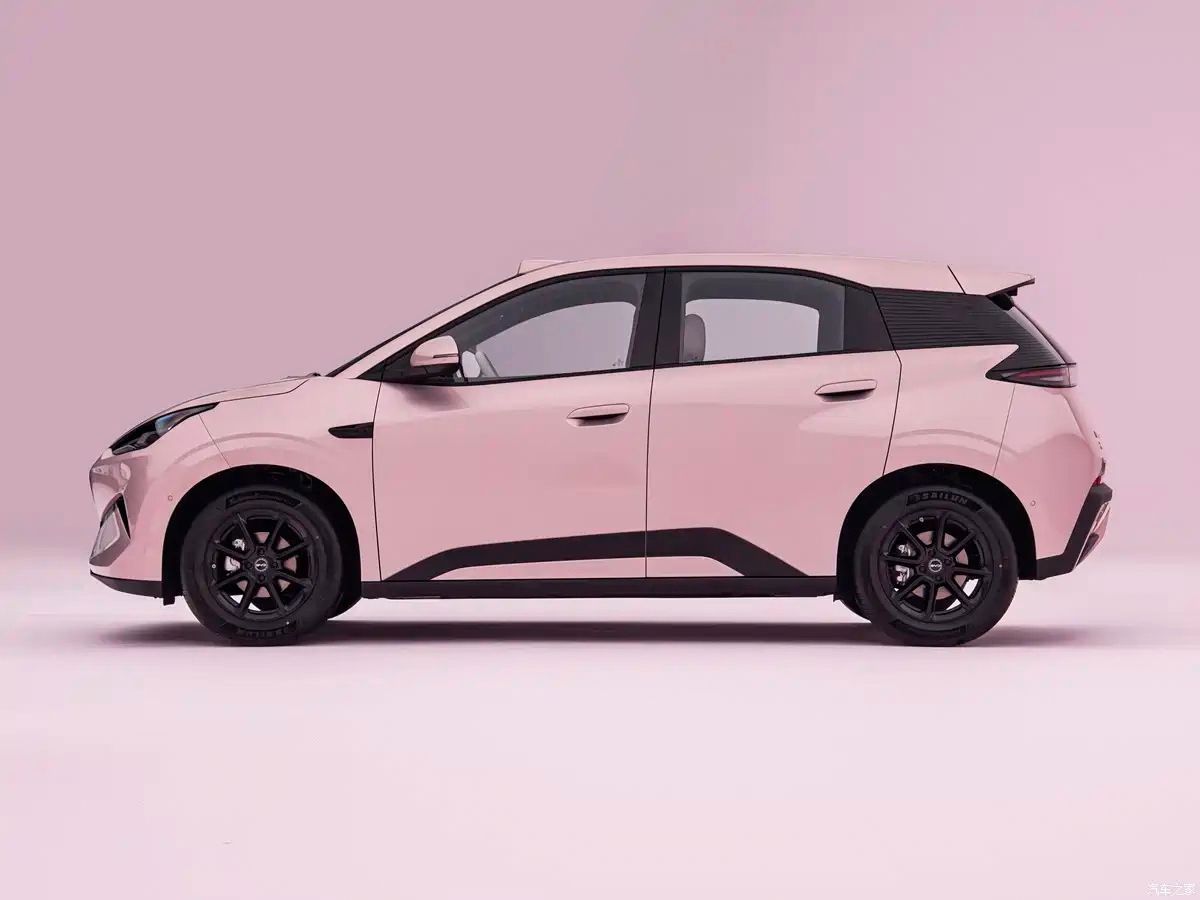
From the side, the new Seagull features an upward-sweeping waistline and concealed B- and C-pillars that create a floating-roof appearance. Semi-concealed door handles and 16-inch dual four-spoke wheels complete the look, with the latter fitted with 205/60 R16 tires.
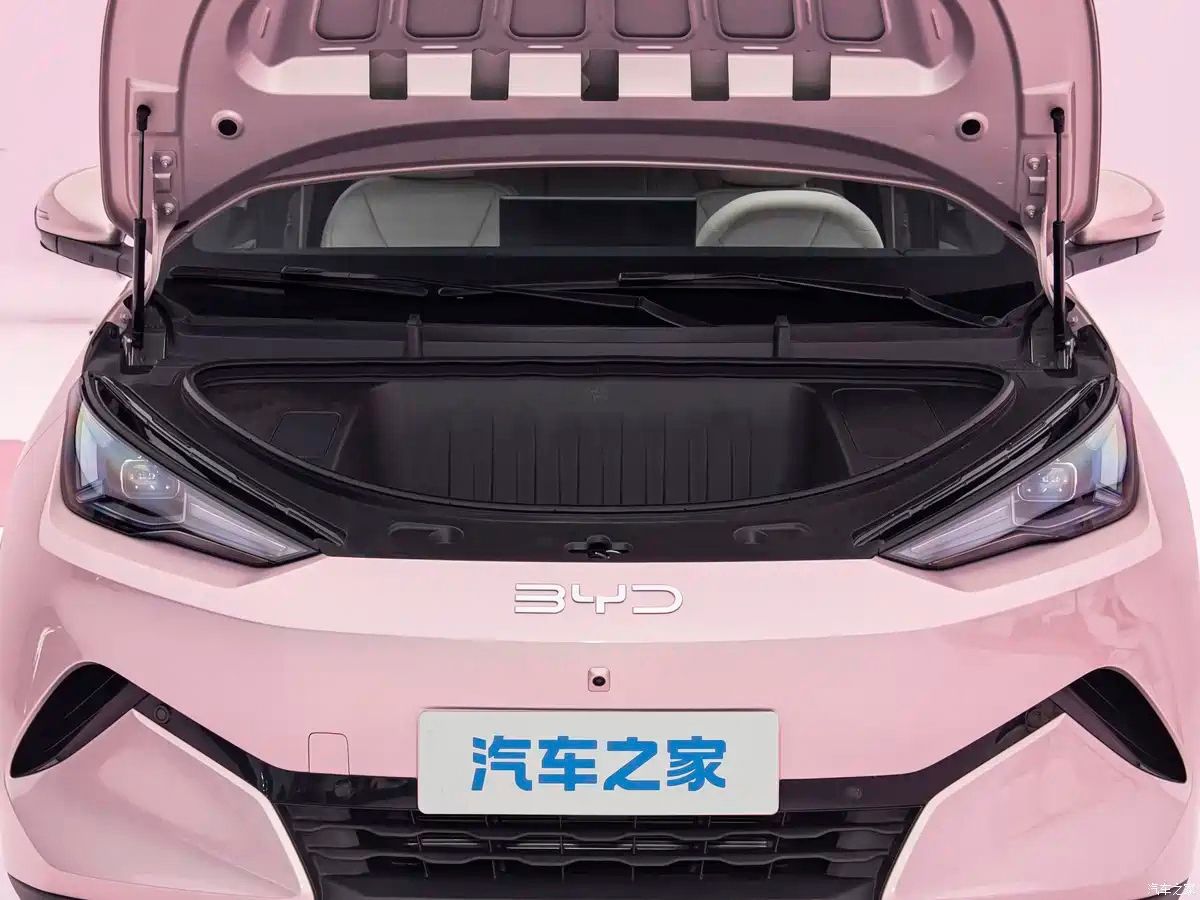
The more significant changes are underneath. The second-generation Seagull switches from the current model’s front-mounted electric motor to a rear-mounted permanent-magnet synchronous motor. According to Chinese regulatory information, the motor produces a maximum 95kW, or around 127 hp, around 52 hp more than the current model. The revised layout also creates additional space beneath the front hood for a front trunk.
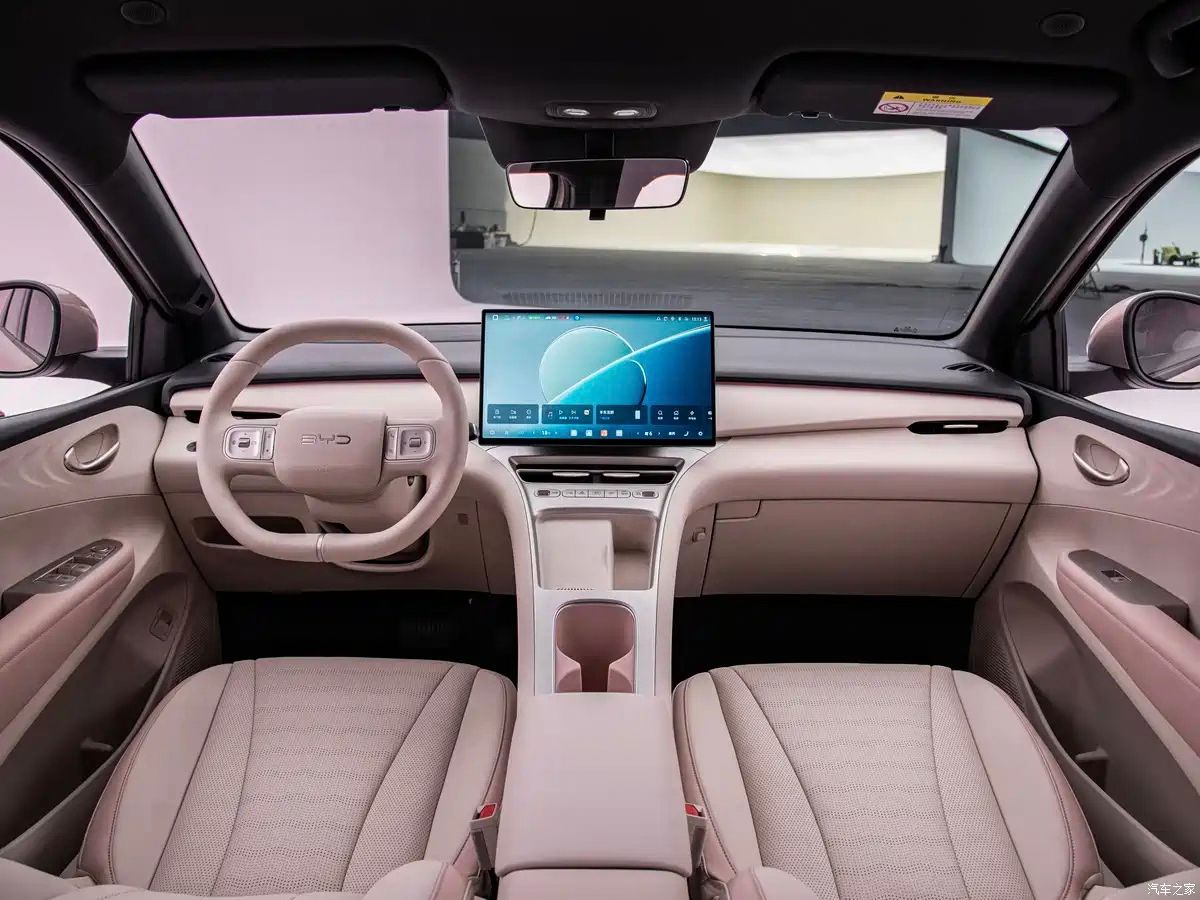
Inside, the cabin receives a two-spoke multifunction steering wheel and a large central multimedia touchscreen. Physical controls remain positioned below the display, while the center console incorporates a wireless charging pad and vertically arranged cupholders.
The new Seagull continues to use a lithium iron phosphate battery pack. However, BYD has not included detailed battery capacity or charging specifications. Industry oberservers also speculate that higher versions could, someday, adopt BYD’s Blade Battery 2.0 and FLASH Charging technology. This information, however, is not backed up by BYD, as of this writing.
With its larger footprint, five-seat cabin and rear-wheel-drive layout, the second-generation Seagull represents a substantial redesign of BYD’s small EV rather than a simple styling update. There is currently no confirmed Philippine-market launch date or local specification.
Autocar’s Take
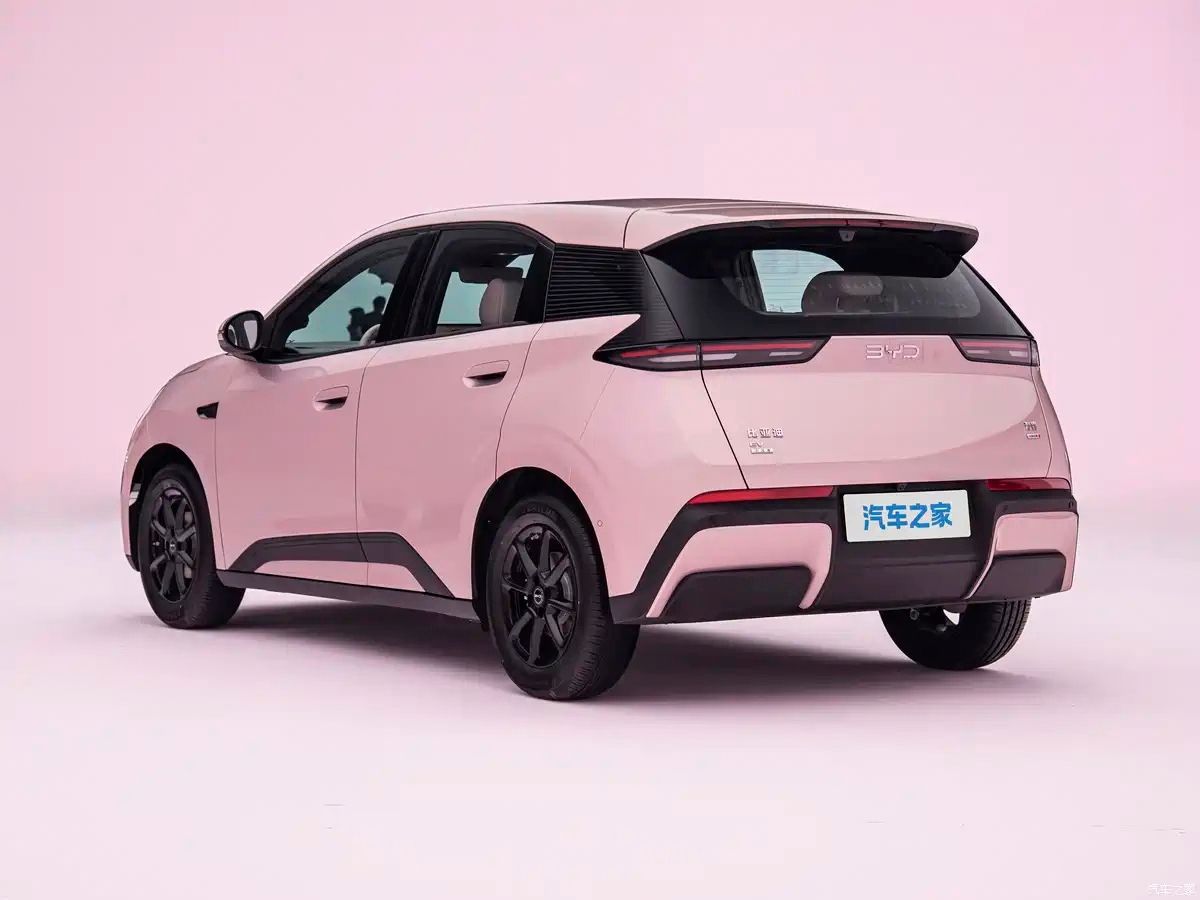
The second-generation BYD Seagull is a surprisingly substantial evolution of BYD’s small EV. The biggest story is not simply its larger body, but how extensively BYD has reworked the package underneath. Moving the motor to the rear while stretching the wheelbase by 150mm gives the Seagull a very different architecture, while the five-seat layout should make better use of its increased dimensions.
The addition of LiDAR also shows how driver-assistance technology is filtering down into smaller electric vehicles. For now, however, the Philippine market remains an open question. Its eventual local positioning will depend on pricing, specifications and whether BYD brings this larger version here.