
For Filipino students and young professionals, a motorcycle often has to do a little bit of everything. It needs to handle the daily commute, quick errands, trips between school or work, and the occasional evening run without putting too much pressure on the budget.
That is the market VinFast says it is targeting with the Evo, one of its first e-motorcycles introduced in the Philippines.
VinFast positions the Evo as an entry-level electric scooter designed for first-time e-motorcycle owners. The company says it can serve as an alternative to the familiar 110cc–125cc gasoline scooters that remain popular among Filipino riders. According to VinFast, automatic scooters accounted for 655,004 units sold, underscoring the size of the market it is trying to reach.
The Evo starts at P62,900. Buyers can purchase the battery outright or subscribe to one for P439 per month, with the first year free under VinFast’s current promotional offer. The company also estimates that the Evo could deliver a lower total cost of ownership than an equivalent gasoline motorcycle over five years.
That long-term cost argument is an important part of the Evo’s pitch. Rather than focusing solely on its purchase price, VinFast is asking prospective buyers to consider what they could spend on mobility over several years.
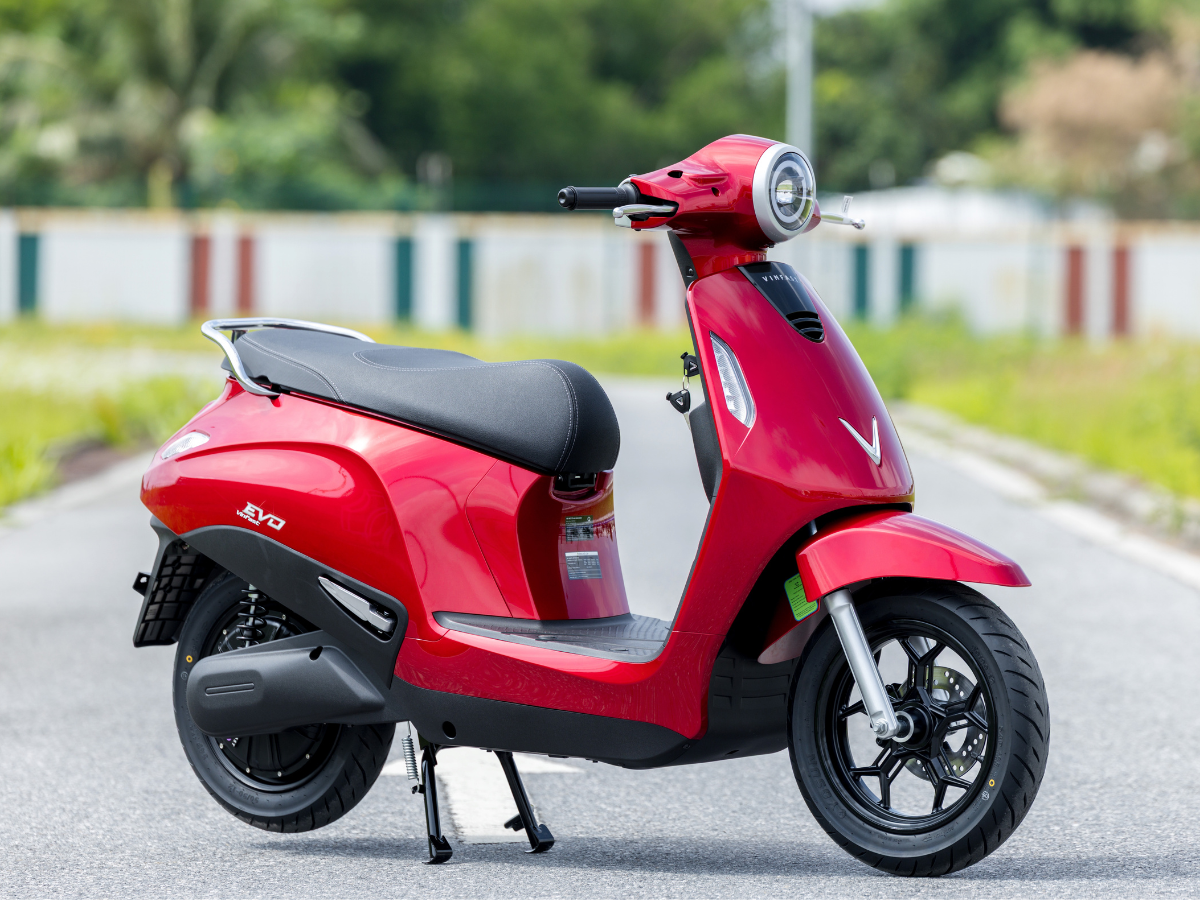
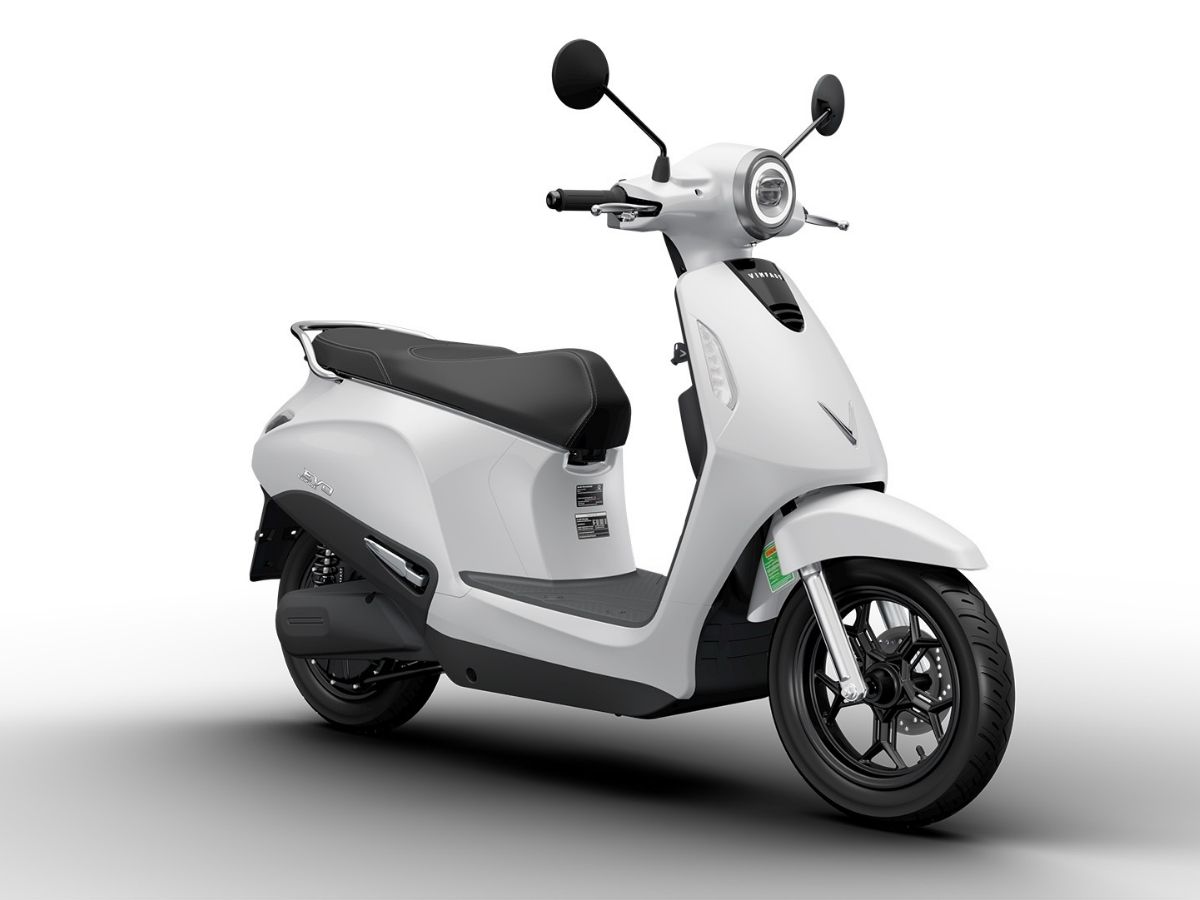
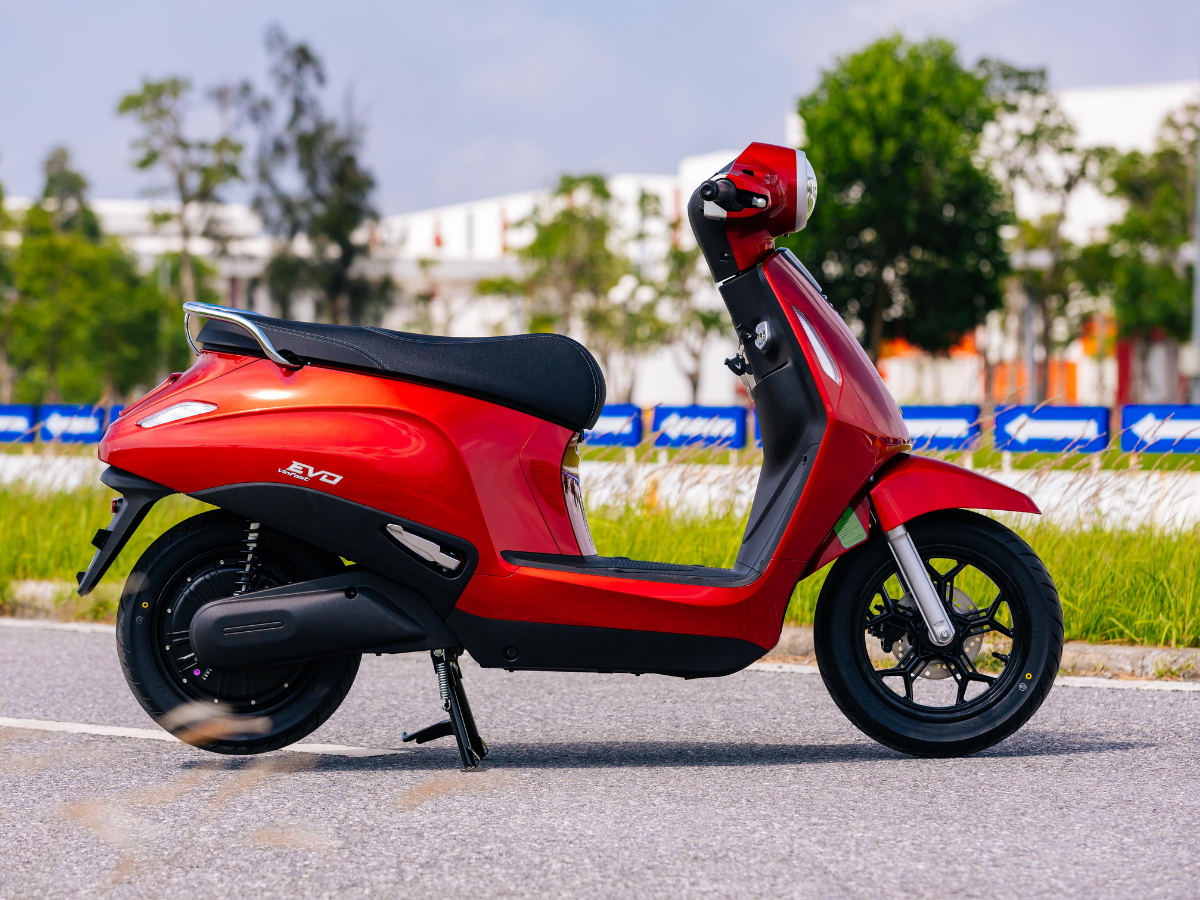
The Evo also takes a more conventional approach to scooter design. VinFast describes its styling as a combination of modern cues and classic European-inspired scooter proportions, with rounded bodywork and a prominent headlight. It is offered in four colors and gets a 4.8-inch color digital dashboard.
Range and charging, meanwhile, remain central considerations for any electric two-wheeler. VinFast claims that the Evo can travel up to 150 km with two fully charged batteries and reach a top speed of 80 km/h. Battery subscribers can also swap a depleted battery for a charged unit in about a minute at a V-Green battery-swapping station.
For home charging, VinFast says one battery takes around 4.5 hours to fully charge, while two batteries require about nine hours. Riders can also use the VinFast E-Scooter app to monitor vehicle and battery status and locate nearby swapping stations or showrooms.
Ultimately, the Evo’s appeal will depend on how well these claimed advantages translate into everyday Philippine riding. VinFast is clearly aiming beyond the novelty of electric mobility, instead presenting the Evo as a practical alternative for young riders who want predictable running costs, useful range, and the convenience of an electric powertrain.
Autocar’s Take
The VinFast Evo makes an interesting case because its target market is easy to understand. Students and young professionals generally need transportation that is affordable, convenient, and capable of handling several daily trips without unnecessary complexity. VinFast’s electric scooter approach addresses those needs through a relatively accessible starting price, battery-swapping option, and claimed 150-km range with two batteries.
The bigger question is how these numbers translate into actual ownership in the Philippines, particularly as the Vietnamese brand‘s charging and battery-swapping infrastructure continues to develop. Still, the Evo shows that electric motorcycles are now being positioned as everyday transportation rather than simply an alternative technology for early adopters.