

The return of the Mitsubishi Pajero is shaping up to be more than a nostalgic comeback. It also gives Mitsubishi an opportunity to address one of the less glamorous problems facing modern cars: safety technology that can become annoying when it tries too hard.
Driver-assistance systems have become more sophisticated, but sophistication does not automatically mean good user experience. The current Triton showed why. While its suite of electronic safety features was designed to keep drivers aware and help prevent accidents, some owners found certain warnings overly sensitive, particularly the driver-monitoring system.
That matters because the effectiveness of ADAS depends partly on whether drivers trust and understand it. A system that constantly interrupts with warnings can eventually become background noise. Worse, drivers may be tempted to disable features simply because they find them intrusive.
The Japanese brand appears to have taken that criticism seriously with the new Mitsubishi Pajero.
The upcoming SUV will continue to use an extensive collection of active-safety technologies, rather than simply backing away from ADAS. The difference is in how those systems have been calibrated. Mitsubishi has indicated that it revised the criteria used by the vehicle to determine when a warning is necessary, as well as how those warnings are delivered.
That may sound like a small adjustment, but it could make a significant difference behind the wheel.
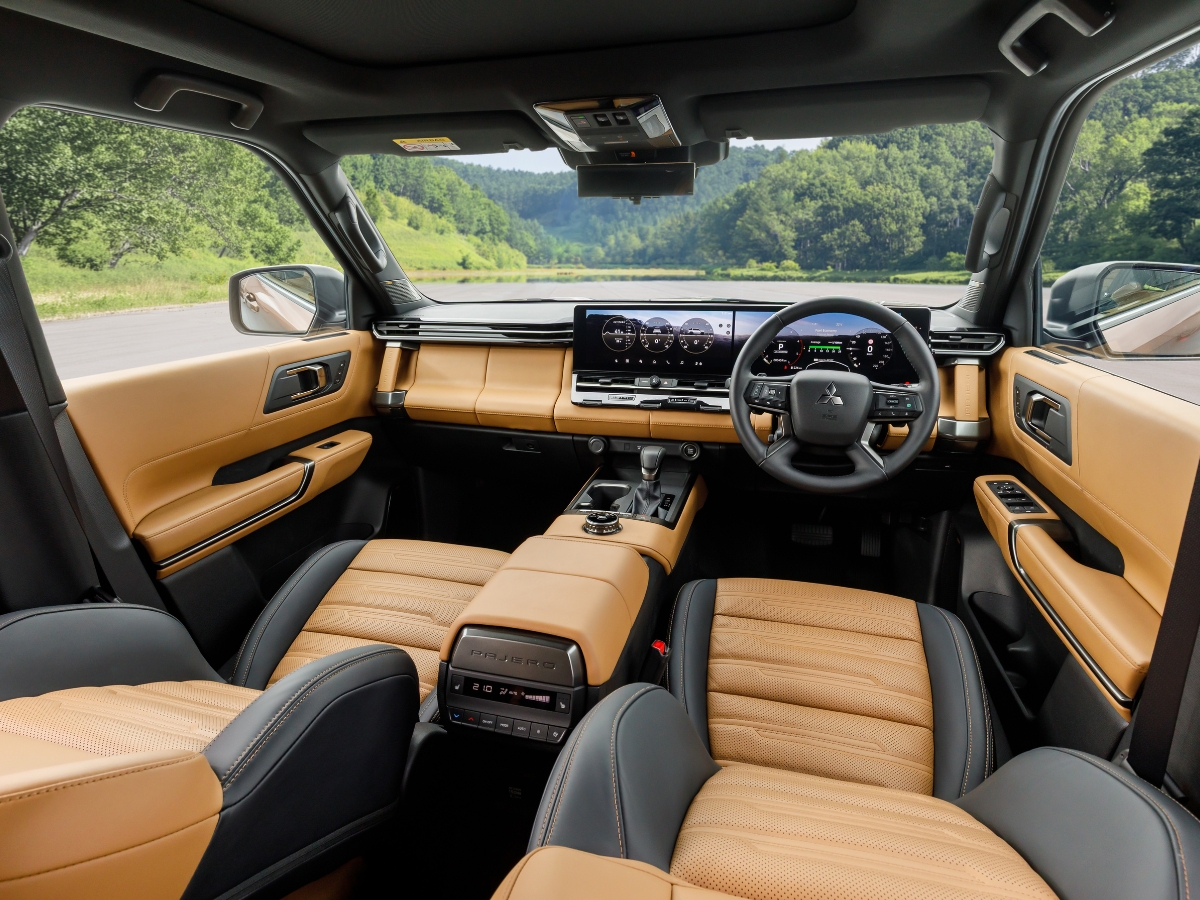
A driver does not need a car constantly reminding them that it is watching. What they need is a system that stays quiet most of the time and speaks up when something genuinely deserves attention. The best ADAS is arguably the technology you notice only when it is needed.
The Pajero is also expected to bring a broad safety package, including collision-mitigation technology, predictive forward-collision warning, emergency lane assistance, front cross-traffic alert and Mitsubishi’s MI-PILOT highway-driving assistance system. In other words, this is not a case of Mitsubishi solving an ADAS problem by stripping the SUV of electronic safety features.
Instead, the approach appears to be refinement.
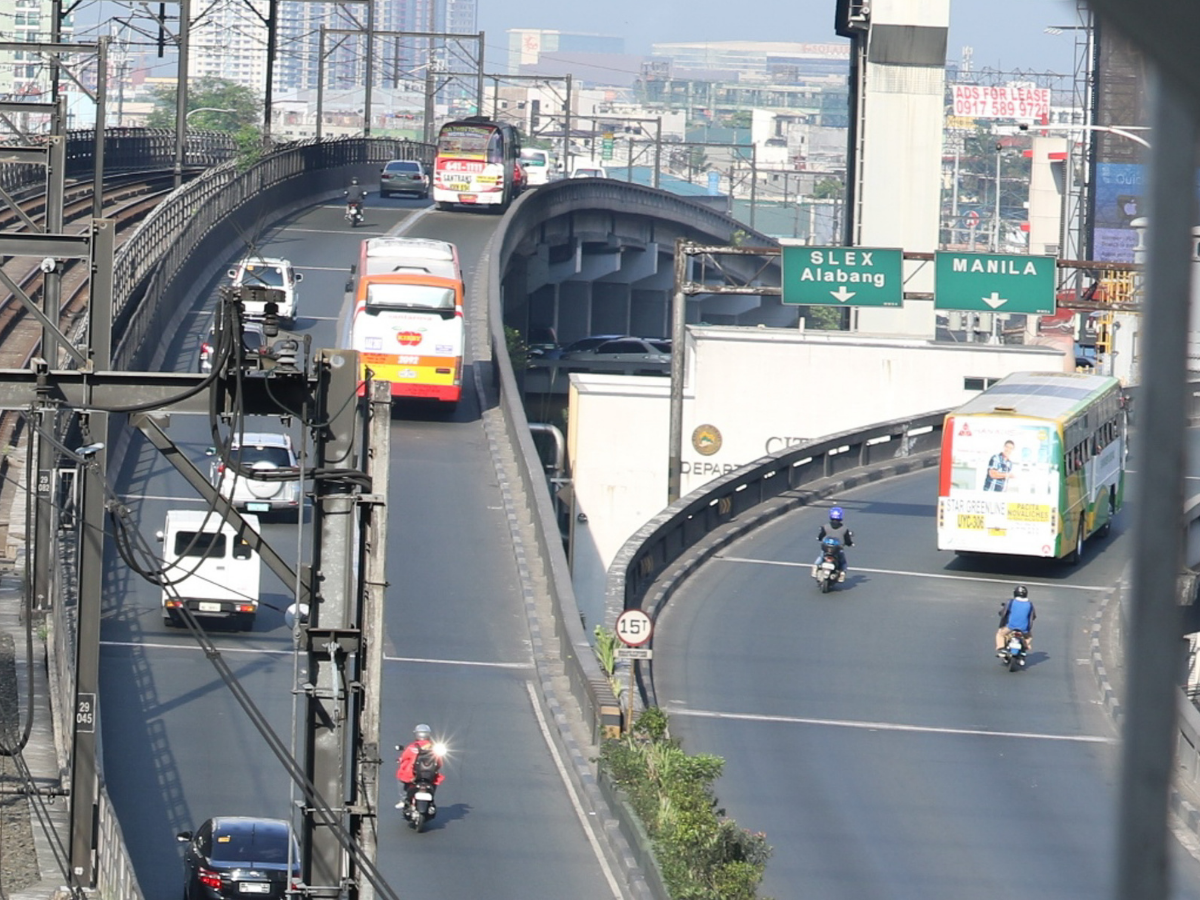
That could become increasingly important as vehicles sold in the Philippines and other markets gain more sophisticated driver-assistance equipment. Our roads can be chaotic, markings can be inconsistent, motorcycles can appear from unexpected directions, and drivers do not always behave predictably. A system calibrated for neat, orderly roads may not always behave ideally here.
The new Pajero therefore has something to prove beyond its badge and heritage. It needs to demonstrate that modern safety technology can be protective without becoming intrusive.
If Mitsubishi gets that balance right, the Pajero’s most important improvement may be something drivers barely notice: fewer unnecessary warnings, and more confidence when a warning actually matters.
Autocar’s Take
Mitsubishi’s approach with the new Pajero makes sense because better safety technology is not necessarily about adding more features. It is about making the features already there work naturally. Overly sensitive warnings can quickly become irritating, particularly when drivers feel they are being corrected for perfectly normal actions. That can undermine confidence in the technology rather than strengthen it.
The Mitsubishi Pajero’s revised ADAS calibration therefore sounds like a worthwhile step, especially as these systems become more common. For Philippine drivers, where road conditions and traffic behavior can be unpredictable, technology that knows when to intervene—and when to stay quiet—could be far more valuable.