


There is a tendency among motorists to judge an expressway by what they see from behind the steering wheel. How smooth is the pavement? How quickly can we get through the toll plaza? Are there enough service stations? And, perhaps most importantly, how long will it take us to reach our destination?
Fair enough. These are the things that matter to anyone who regularly uses an expressway. But there is another side to operating a major highway that motorists seldom see, and it is arguably just as important as the road itself.
NLEX’s activities throughout 2026 offer a good illustration of what goes into keeping an expressway operational, particularly in a country where torrential rains, flooding, and increasingly demanding traffic conditions are part of everyday motoring.

Consider flood preparedness. NLEX monitored 17 critical waterways and began clearing drainage systems in Valenzuela, Caloocan and Manila as early as January, months before the onset of the rainy season. When the threat of flooding materialized in August, crews were already preparing sandbag barriers at San Simon, nine days before PAGASA issued its red rainfall warning.
When rivers overflowed, the response included concrete flood walls, pumping operations, and assistance to stranded motorists. By September 3, all lanes in both directions had reopened to all vehicle classes.
This is the kind of preparation that deserves recognition. Flood control is not something that begins when water reaches the highway. It requires planning, equipment, manpower, and coordination long before the first serious downpour.
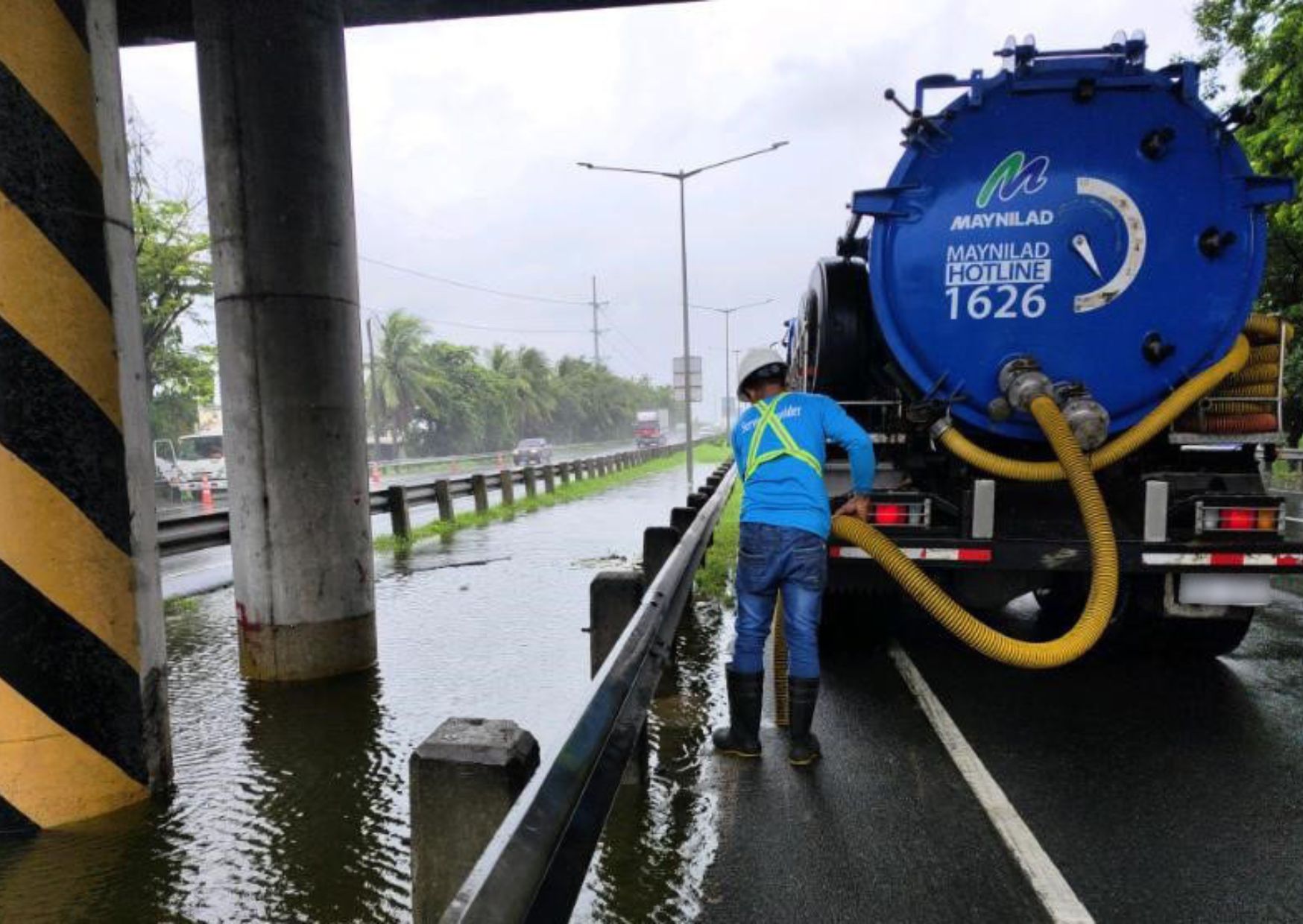
Then there is the road itself. Anyone who has driven through prolonged rainfall knows how quickly pavement conditions can deteriorate. NLEX’s two-stage repair approach, involving immediate surface restoration followed by permanent repairs when weather permits, is a practical reminder that maintaining an expressway is a continuing process, not a one-time construction project.
Technology is another area where improvements may be less visible but directly affect motorists. The replacement of 253 toll lane computers, RFID antenna upgrades, and improvements to account management systems are intended to make transactions faster and more reliable. After all, an expressway can only move traffic efficiently if its toll plazas can keep pace.
I am particularly encouraged by the expansion of electric vehicle charging facilities. Six service stops now offer 20 charging points, with two more Shell Recharge locations expected by December. This is a welcome development as electric vehicles become an increasingly important part of the Philippine automotive market.

And then there is additional road capacity. The opening of the two-kilometer NLEX Connector Section 8.2 Section 1A, reducing a journey that could take 40 to 45 minutes to approximately five minutes, demonstrates what properly planned infrastructure can accomplish.
These developments may not all be spectacular individually. But together, they tell a more important story about expressway management.
Building roads is one thing. Keeping them safe, reliable, technologically relevant, and ready for the future is an entirely different responsibility.
Motorists may never notice the crews clearing waterways, repairing pavement at two in the morning, or replacing toll lane equipment. Perhaps that is precisely the point.
The best highway infrastructure is often the infrastructure that simply works.
That is what keeping an expressway moving is really about.