
The Pajero isn’t just another Mitsubishi badge – it’s an icon. Before SUVs took over every street and parking lot, the Pajero was already the go-to flagship 4×4, while the Montero Sport quietly climbed the sales charts as its more affordable sibling.
Now, Mitsubishi has finally pulled the covers off the all-new Pajero, reviving a nameplate that’s been sorely missed. While other countries might call it the Montero, here in the Philippines it’s always been Pajero – so this isn’t just a new SUV, it’s the comeback we’ve all been waiting for.
No official Philippine launch date yet, but the stars are aligning. With production kicking off in Thailand and rolling out across ASEAN, there’s a good chance we’ll see Mitsubishi’s new flagship SUV on our roads sooner than you might think.
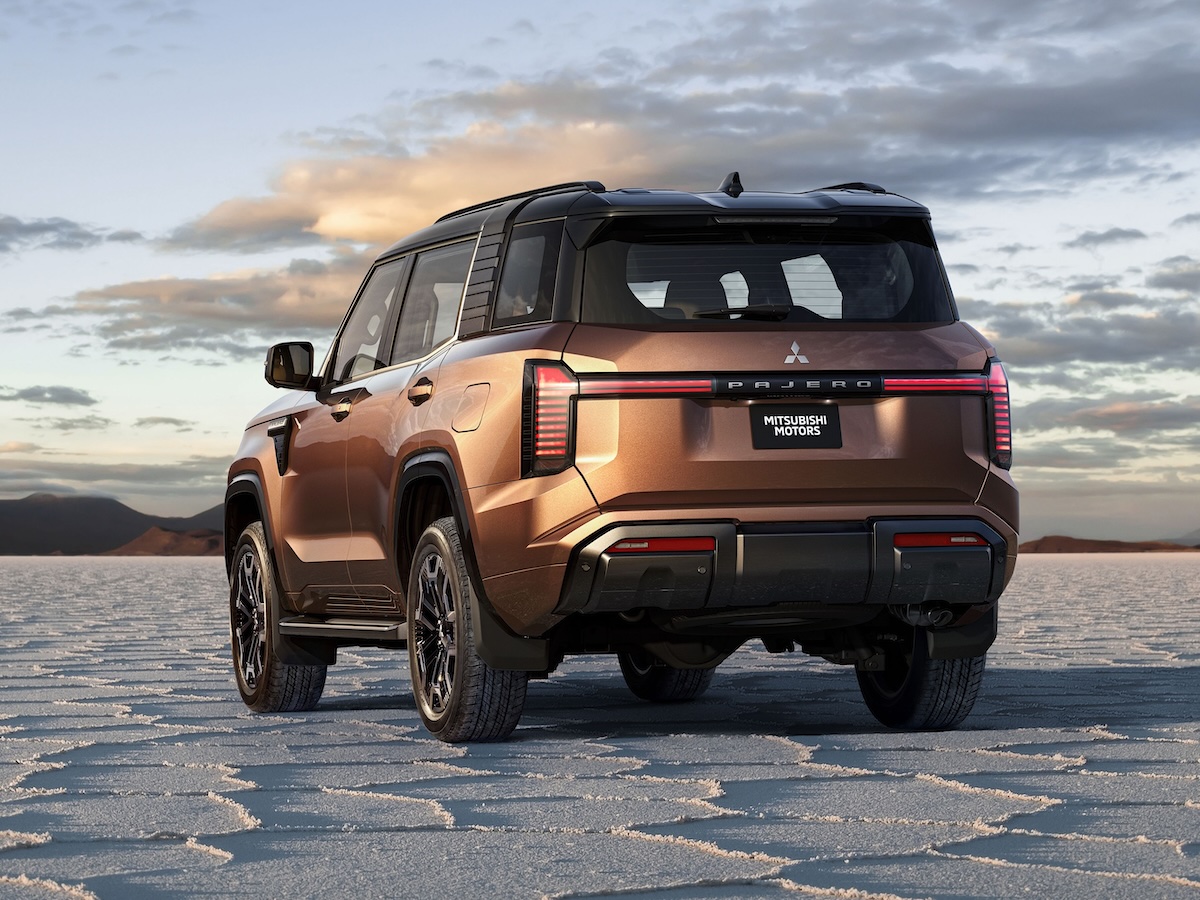
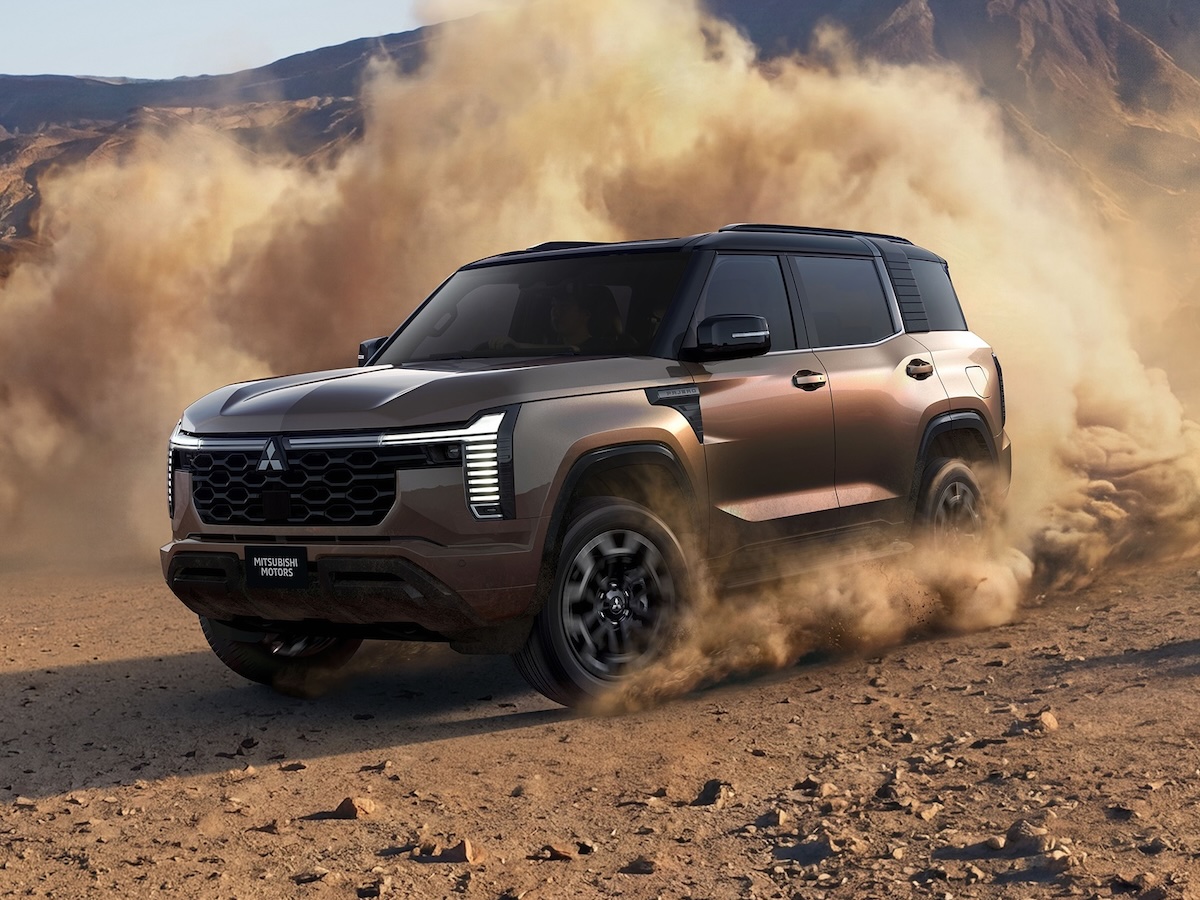
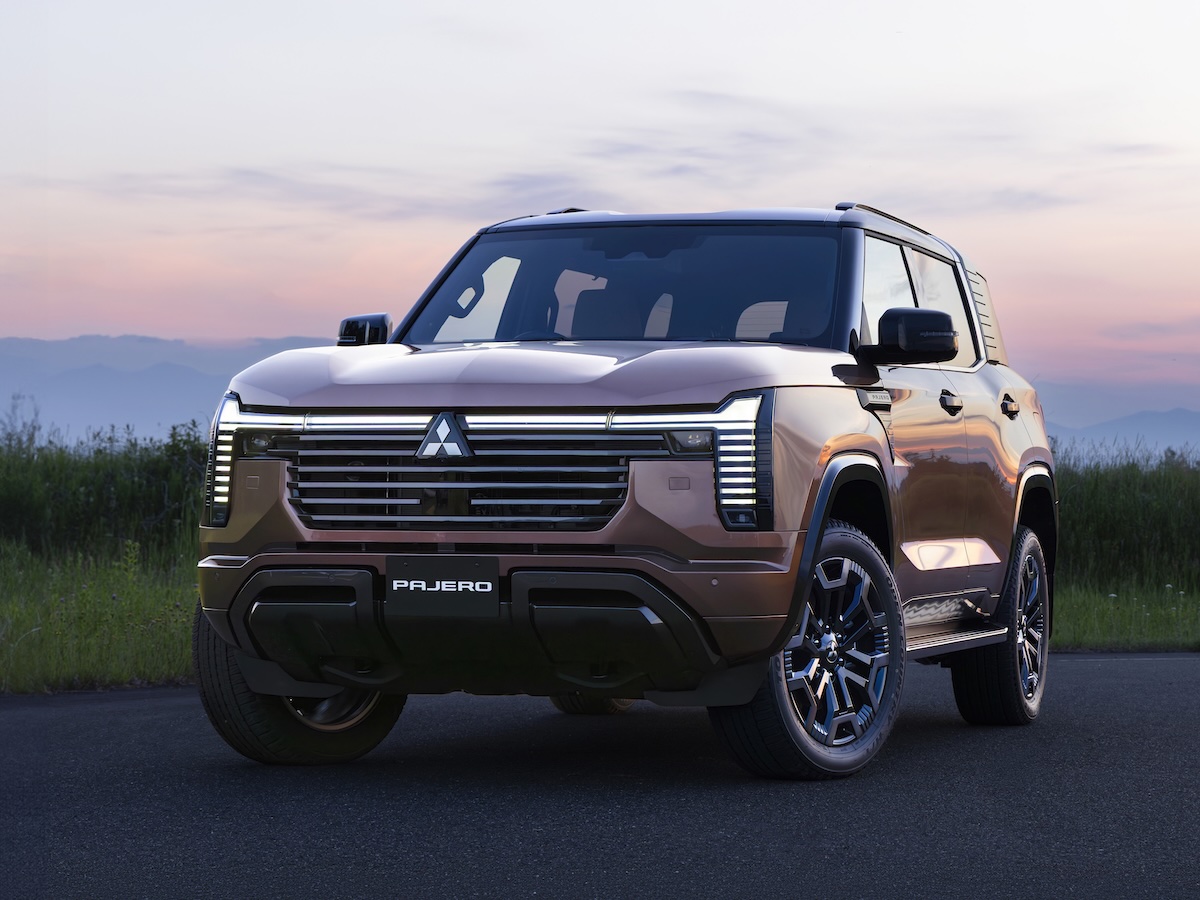
The new Pajero is instantly familiar, but with a modern twist. It borrows a few styling tricks from the Destinator, but keeps that upright, boxy stance and horizontal lines that have been Pajero trademarks since 1982.
Up front, you get those unmistakable T-shaped LED headlights and a choice of two grilles: horizontal slats if you want to look fancy, or a honeycomb pattern if you’re feeling sporty. The C-pillar tips its hat to the OG Pajero’s exposed roll bar, while the rear goes hexagonal in a nod to the classic spare tire – though this time, the spare’s no longer hanging off the tailgate. That’s probably the biggest visual shake-up yet.
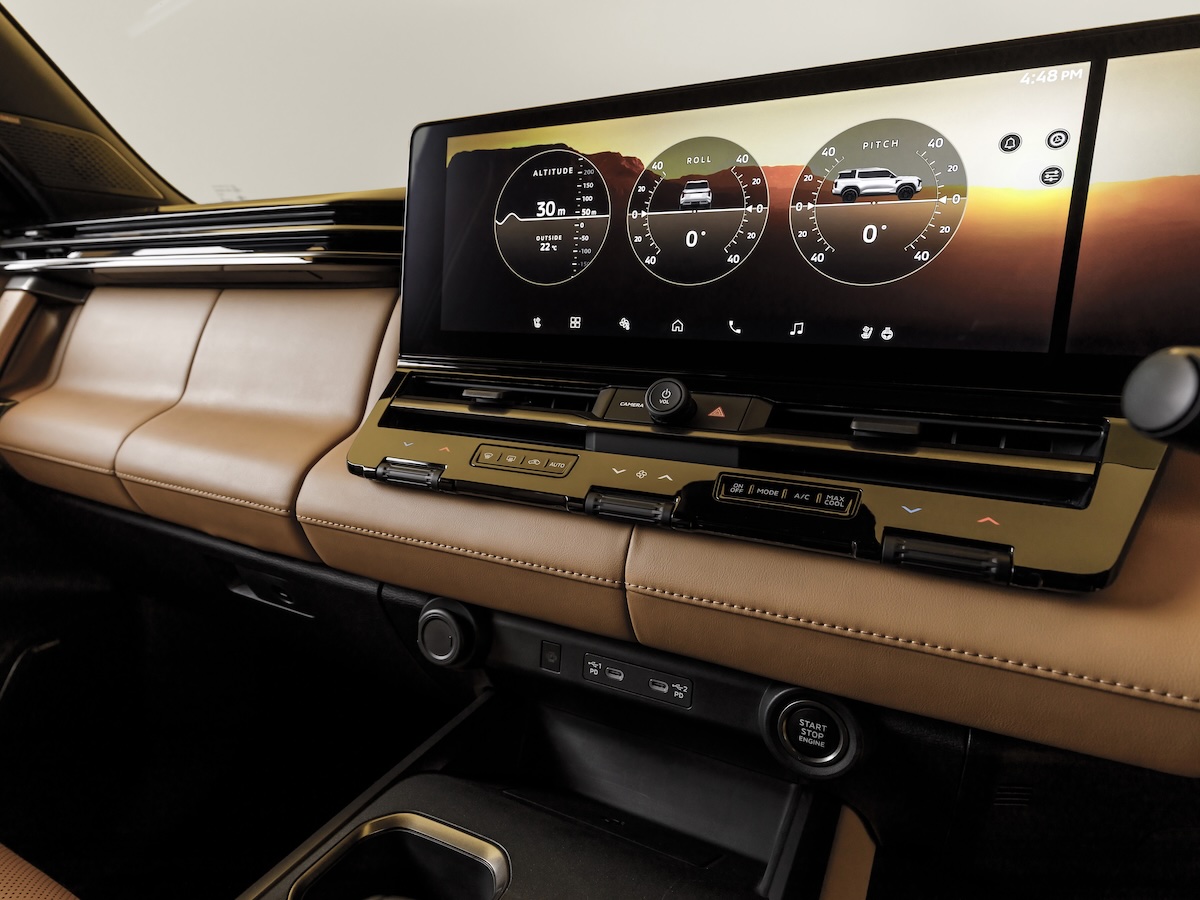
Step inside and it’s clear Mitsubishi isn’t messing around. The dashboard can be had with a pair of massive 14.3-inch screens fused into one Monolith Display, while base models still get generous 12.3-inch screens. The digital cluster even brings back the Pajero’s signature triple-meter setup, showing off-road essentials like altitude, compass, pitch and roll, and Active Yaw Control status.
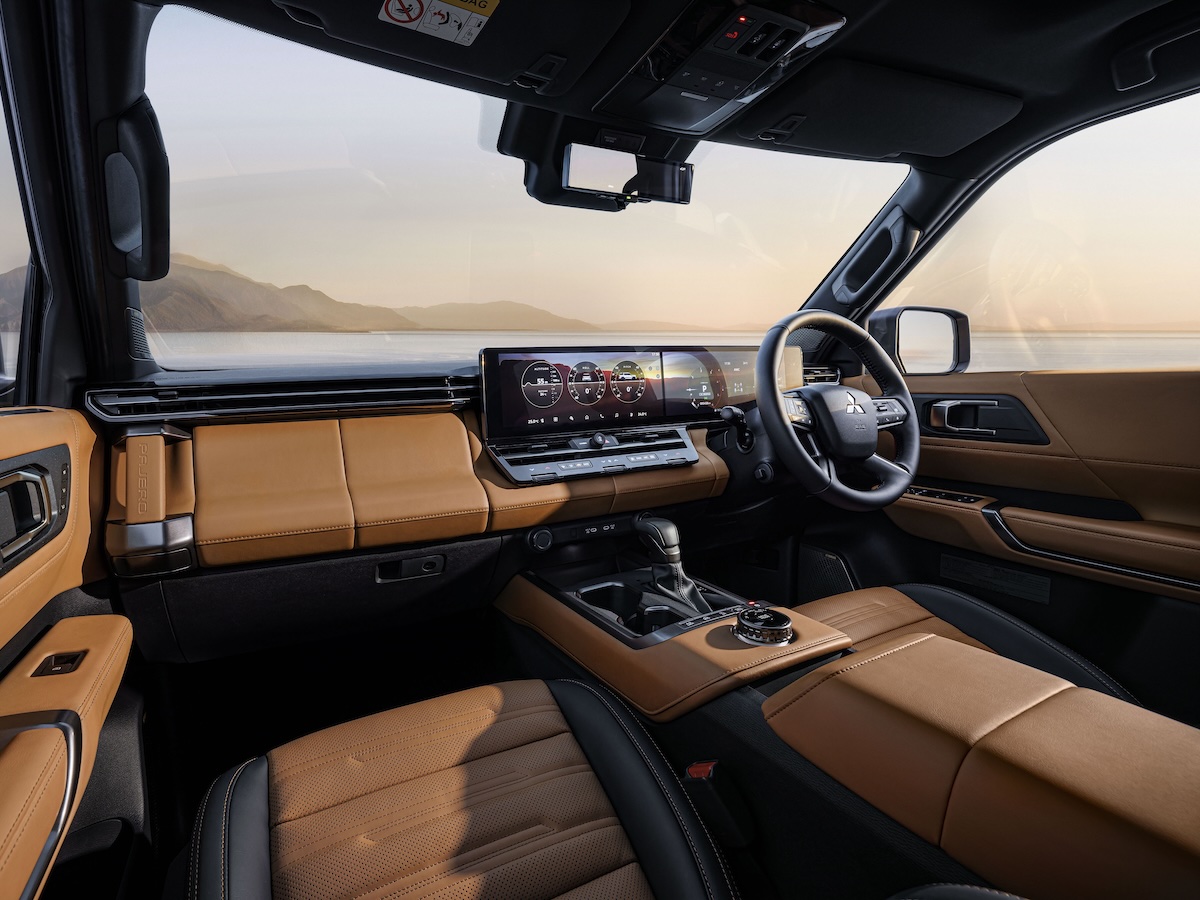
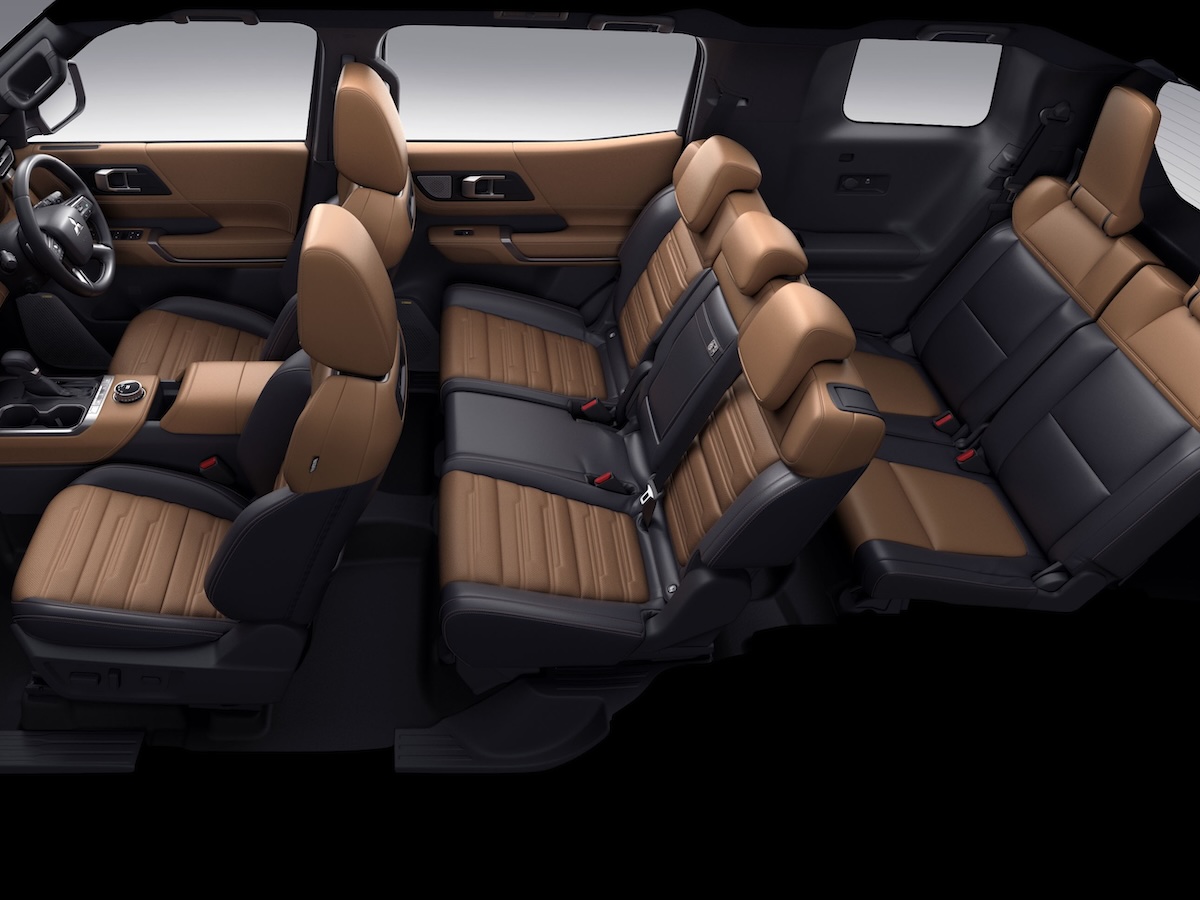
The cabin gets the full premium treatment: camel-and-black upholstery, soft-touch everything, and stitching inspired by Japanese Kimekomi craftsmanship. And yes, it’s a real three-row, seven-seater – Mitsubishi claims even adults can survive the third row this time.
Mitsubishi is sticking to the Pajero playbook that made it a legend. The new model sits on a beefed-up ladder frame with more high-strength steel, promising better durability and a smoother ride.
Up front, you get independent double wishbones, while the rear gets a new five-link rigid axle. Translation: better wheel articulation for off-roading, and a comfier ride when you’re stuck in city traffic.
Under the hood, there’s a new 2.4-liter turbo diesel mated to an eight-speed automatic with Sport mode. Depending on the market, you’re looking at up to 354 hp and 480 Nm of torque, though some versions get 470 Nm. No word yet on hybrids or other engines, but we’re keeping our fingers crossed.
The Pajero keeps its off-road ace: Super Select 4WD-II. You can flick between 2H, 4H, 4HLc, and 4LLc depending on what you’re tackling, while Super All Wheel Control teams up with Active Yaw Control, traction and stability control, and ABS to keep you glued to the trail – or the tarmac.
You get seven drive modes – Normal, Eco, Gravel, Snow, Mud, Sand, and Rock – so whether you’re crawling over boulders or just crawling through EDSA traffic, the Pajero’s got you covered.
Size-wise, the new Pajero stretches 4,920 mm long, 1,925 mm wide, and 1,910 mm tall, with a 2,870 mm wheelbase and 230 mm of ground clearance. It’s a bit smaller than the Land Cruiser 300, but actually has a longer wheelbase. Off-road numbers? 30.4-degree approach, 22.6-degree breakover, and 25.8-degree departure angles – plenty for serious trail work.
Tech-wise, the new Pajero isn’t holding back. There’s a 3D Multi Around Monitor with four cameras and a 3D model of the SUV, so you can see exactly what’s around you – whether you’re squeezing into a mall parking slot or picking your way through rocky trails. The Front Under Floor View even lets you spot obstacles hiding under the bumper during steep climbs.
Other goodies? Wireless smartphone connectivity, Mitsubishi Connect, ventilated seats in the first two rows, three-zone climate control, and a Yamaha-tuned 12-speaker sound system for your road trip playlists.
Safety gets a big boost too, with Mitsubishi’s latest driver aids: Forward Collision Mitigation, Predictive Forward Collision Warning, Emergency Lane Assist, Front Cross Traffic Alert, MI-PILOT highway assist, and eight airbags – including the brand’s first-ever center airbag.
Mitsubishi says production kicks off in Thailand in 2026, with Japan and Australia next in line before the Pajero heads to ASEAN, Latin America, the Middle East, and about 100 countries worldwide. With Thailand as the production hub, the Philippines is definitely a market to watch for launch news.
Autocar’s Take
This is hands down Mitsubishi’s most important SUV in years – especially for the Philippines.
Locally, the Pajero has always been more than just another Mitsubishi SUV. It’s a nameplate with decades of history – from Dakar Rally glory to its status as the brand’s top-tier 4×4 before the Montero Sport took over the sales race. Ever since the last Pajero vanished from showrooms, Mitsubishi Philippines has been missing a true halo SUV to sit above the Montero Sport.