
For the first time this year, there is finally something positive to say about Philippine vehicle sales.
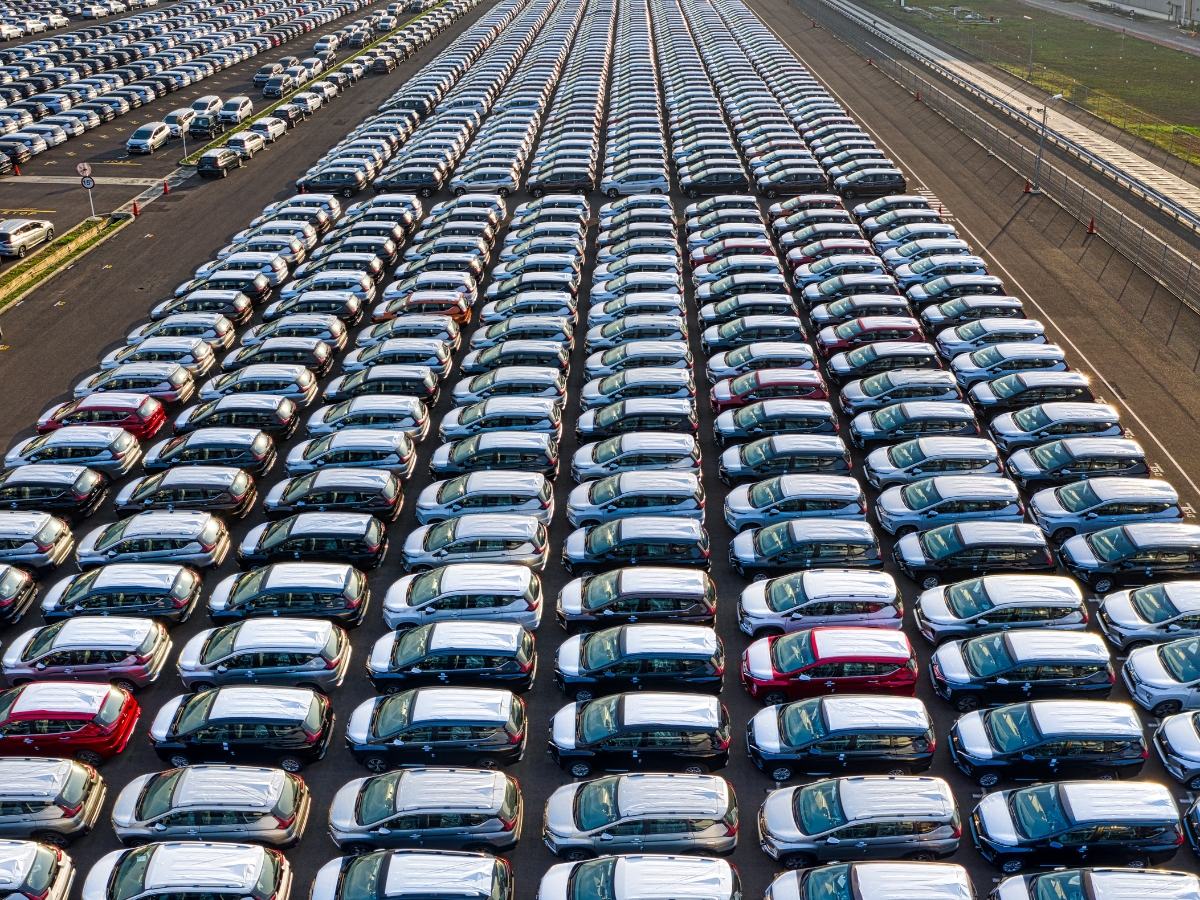
July turned in the strongest monthly performance of 2026, with CAMPI-TMA members selling 37,319 vehicles. Add estimates from brands outside the two industry groups and the Philippine market reached 42,880 units, 2 percent better than June and 5 percent higher than July last year.
After months of looking at red numbers, that is encouraging.
But I would not call it a recovery just yet.
Through July, CAMPI-TMA members have sold 241,725 vehicles, still 10.2 percent behind the 269,207 sold during the same seven months of 2025. Passenger cars are down 11 percent, while commercial vehicles, which make up roughly four-fifths of the market, are down 10 percent.
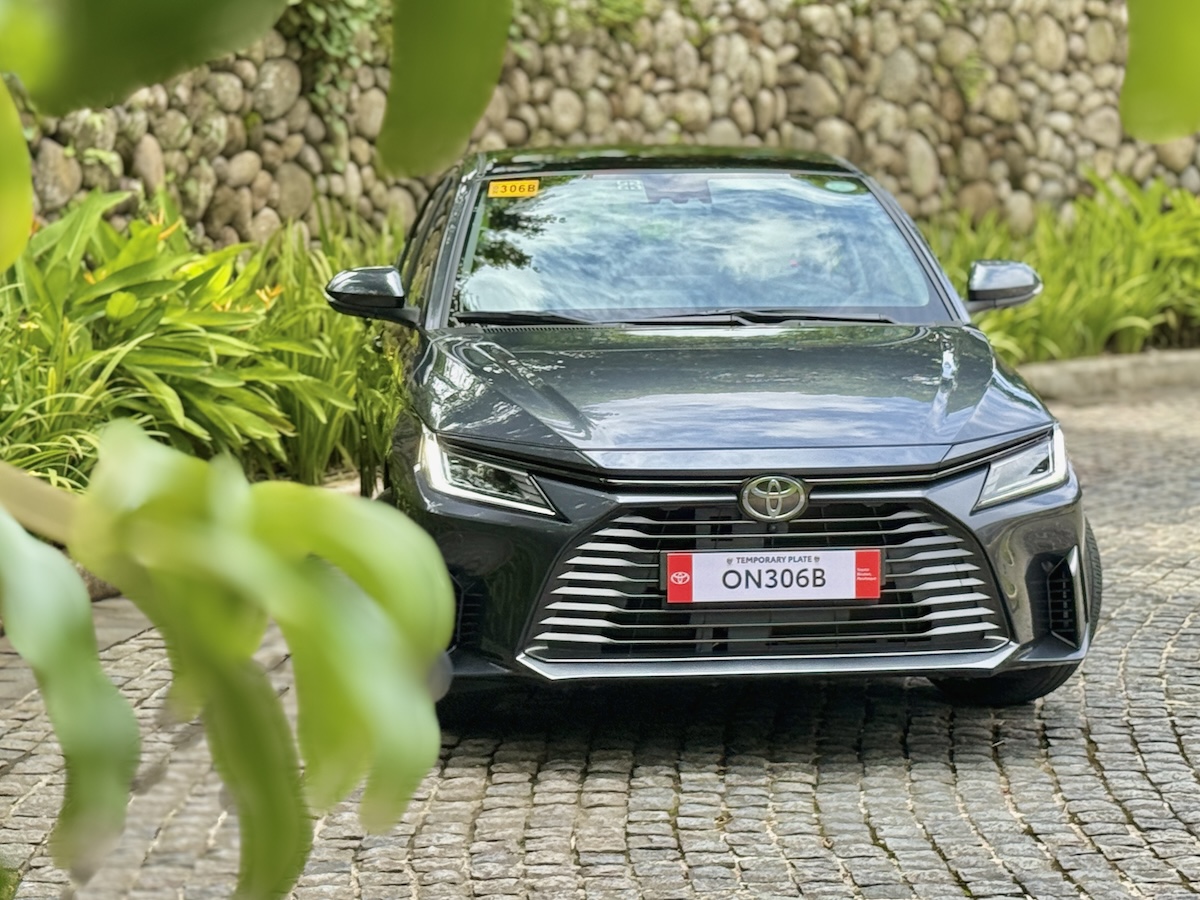
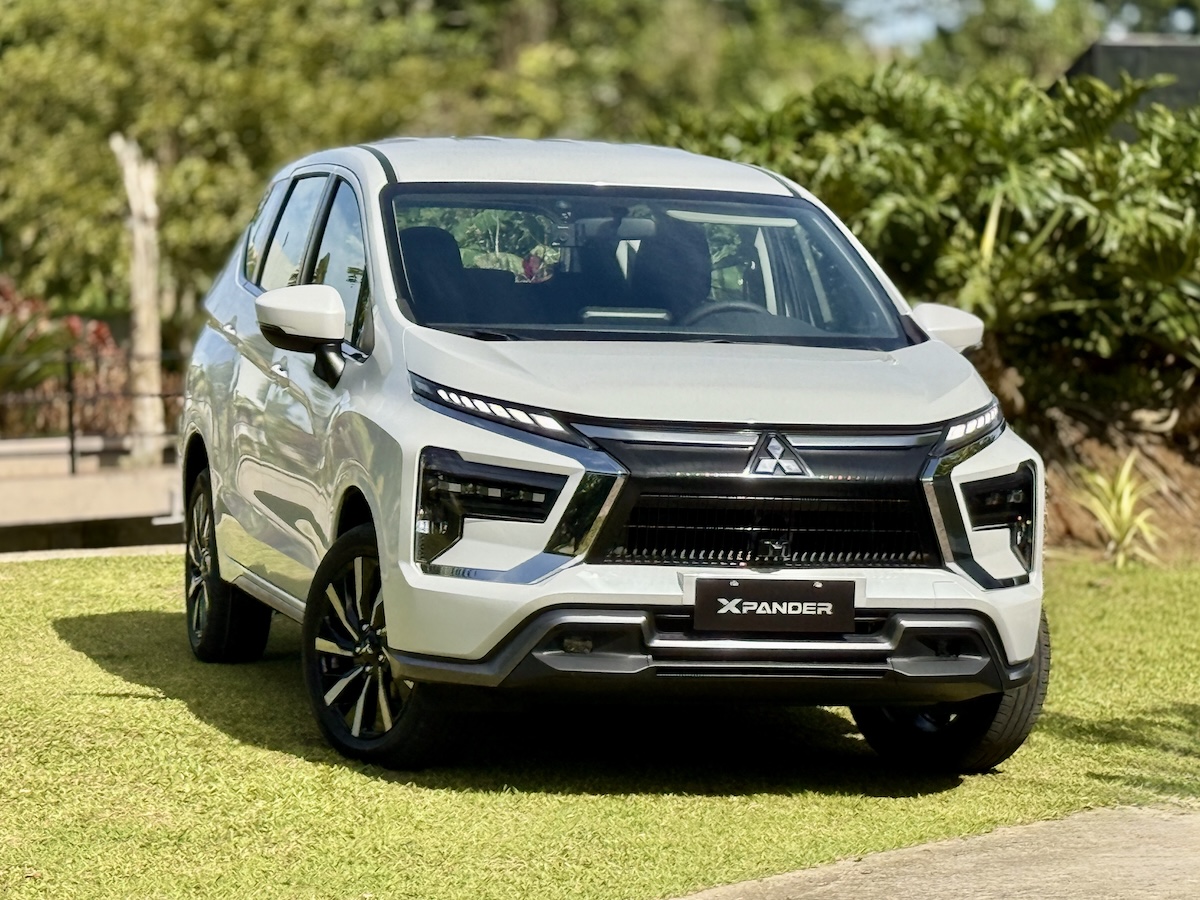
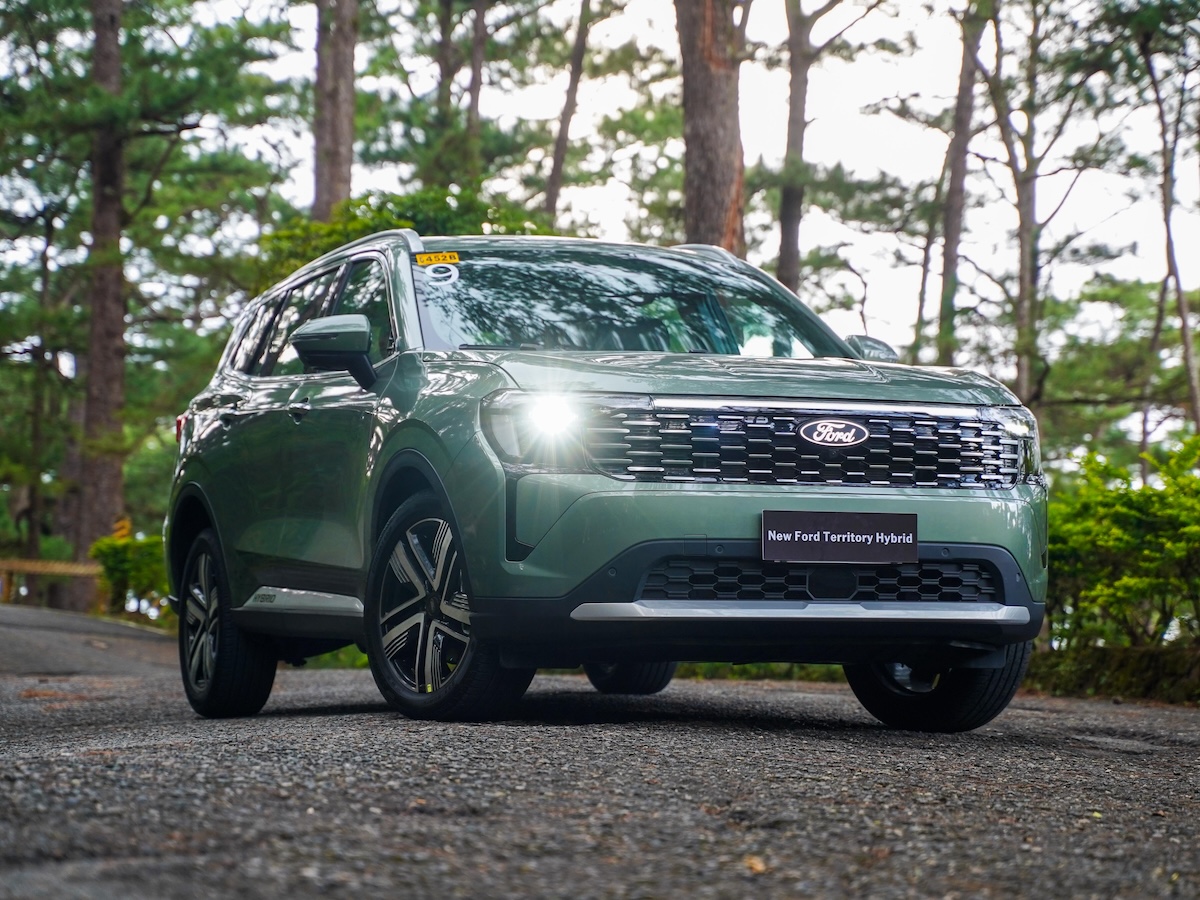
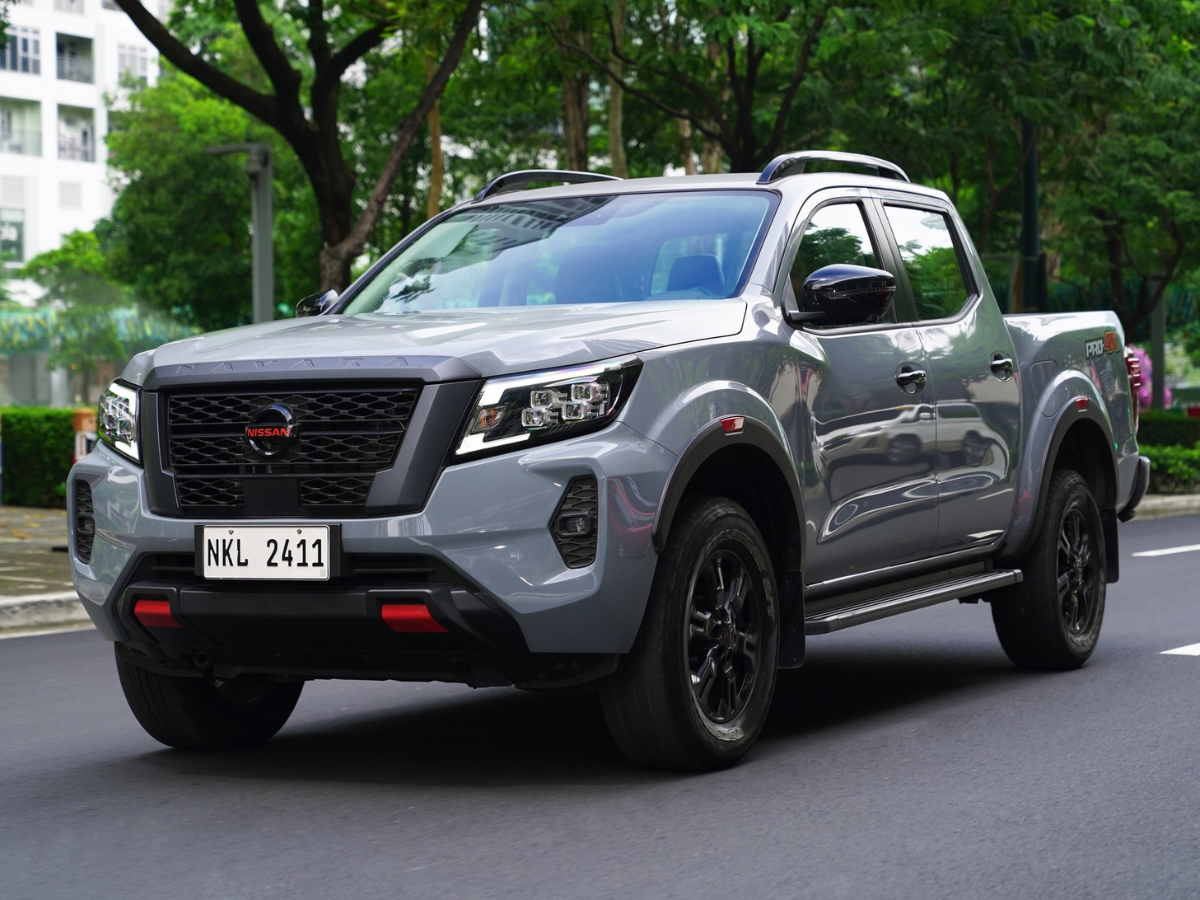
Toyota remains almost a market unto itself. Its 118,706 vehicles sold through July represent 49.11 percent of CAMPI-TMA volume. Mitsubishi is second with 42,592, followed by Suzuki at 10,951, Ford at 8,587 and Nissan at 7,899.
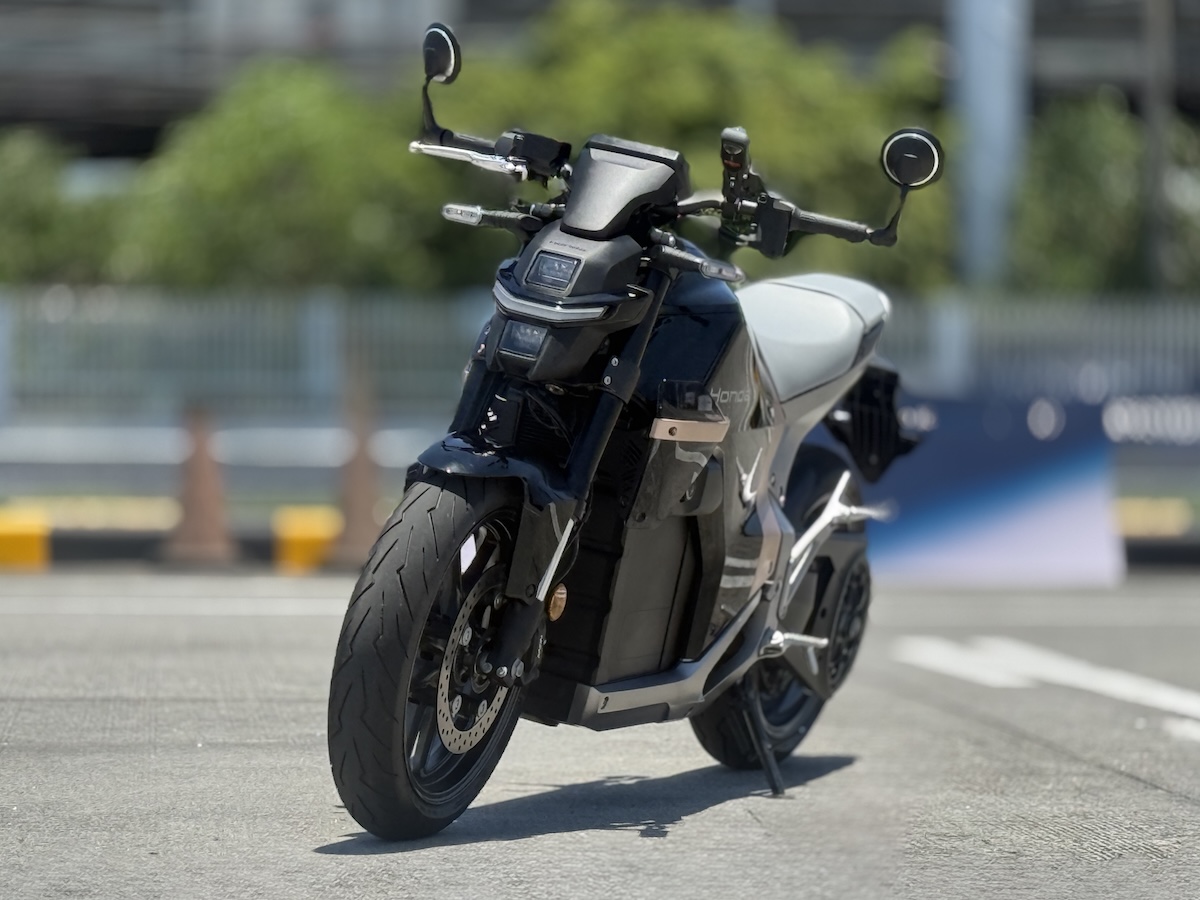
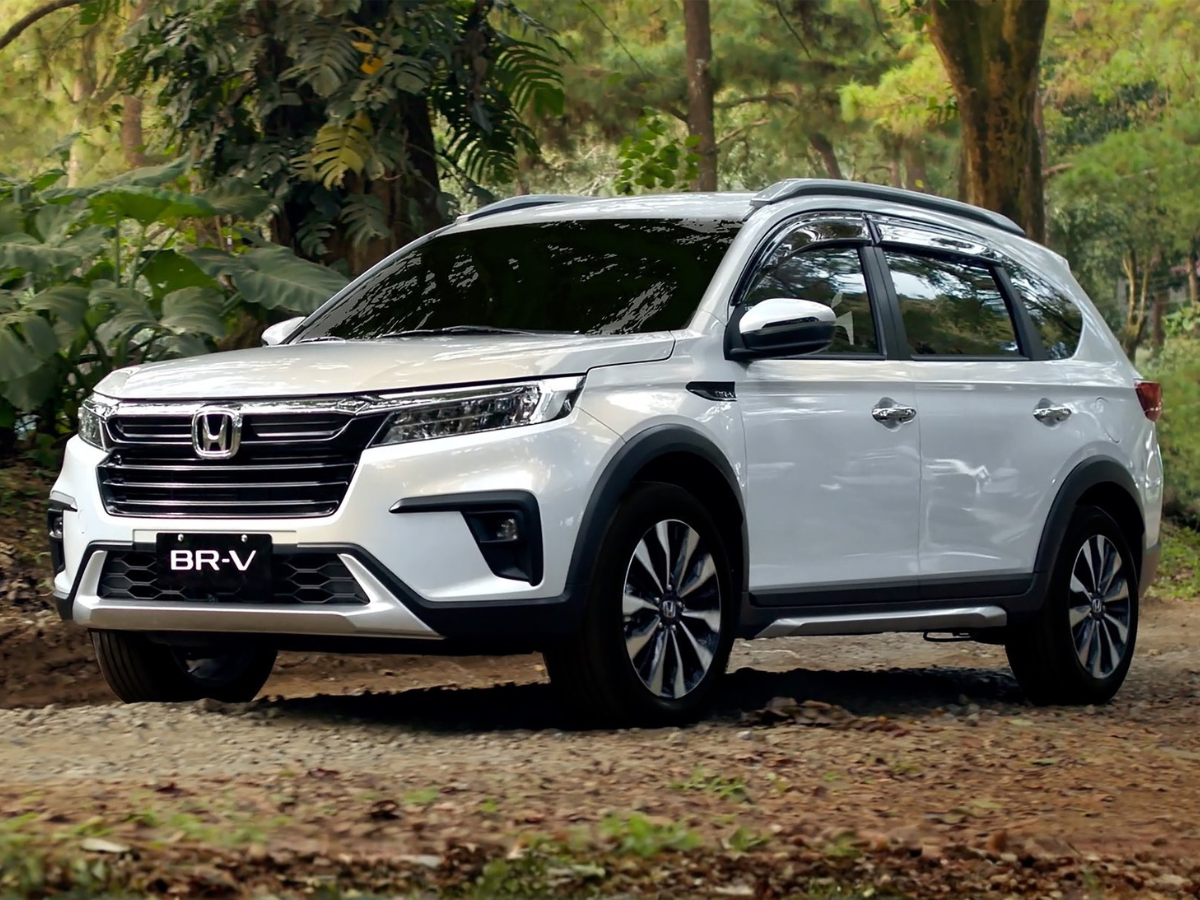
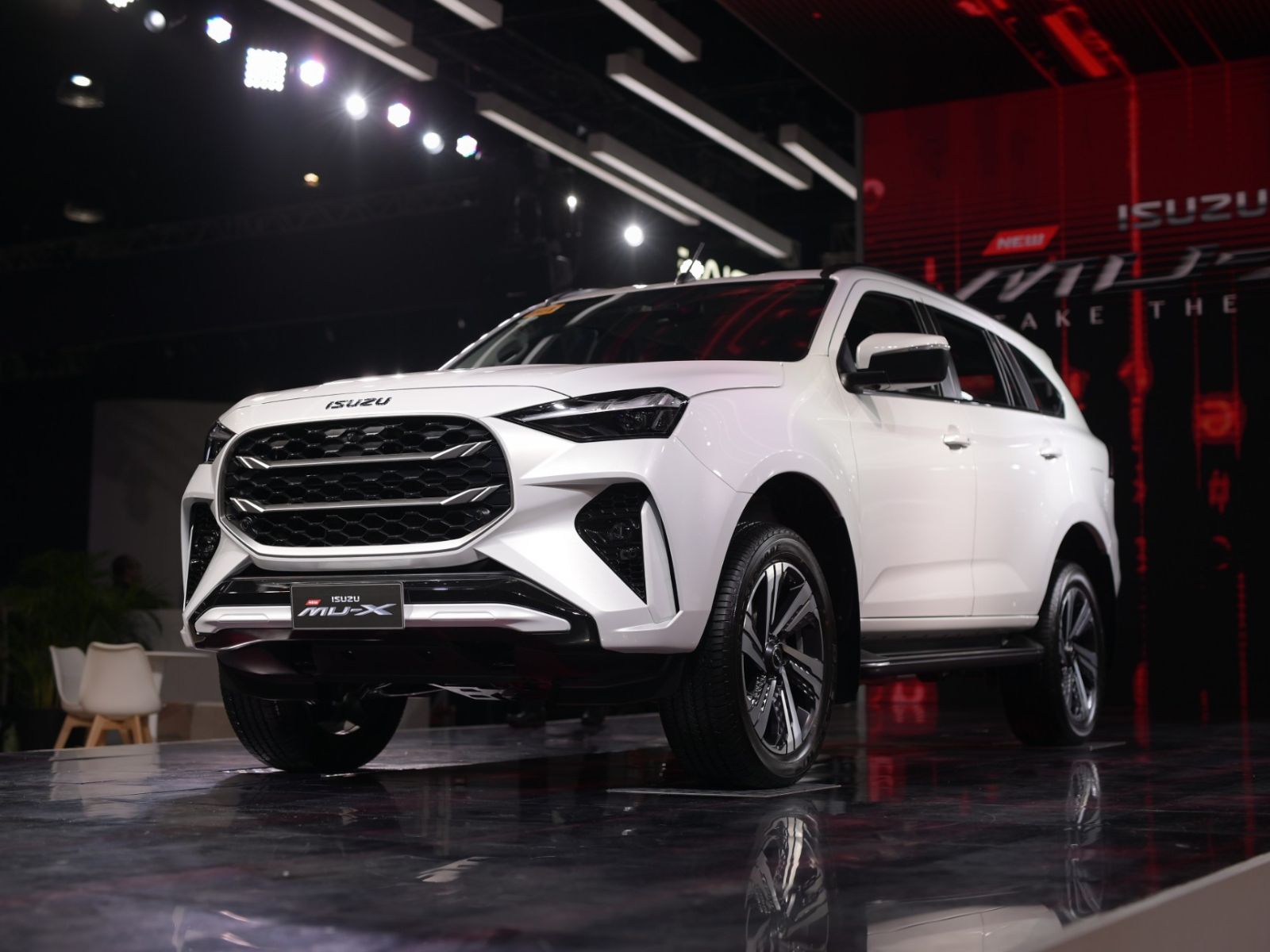
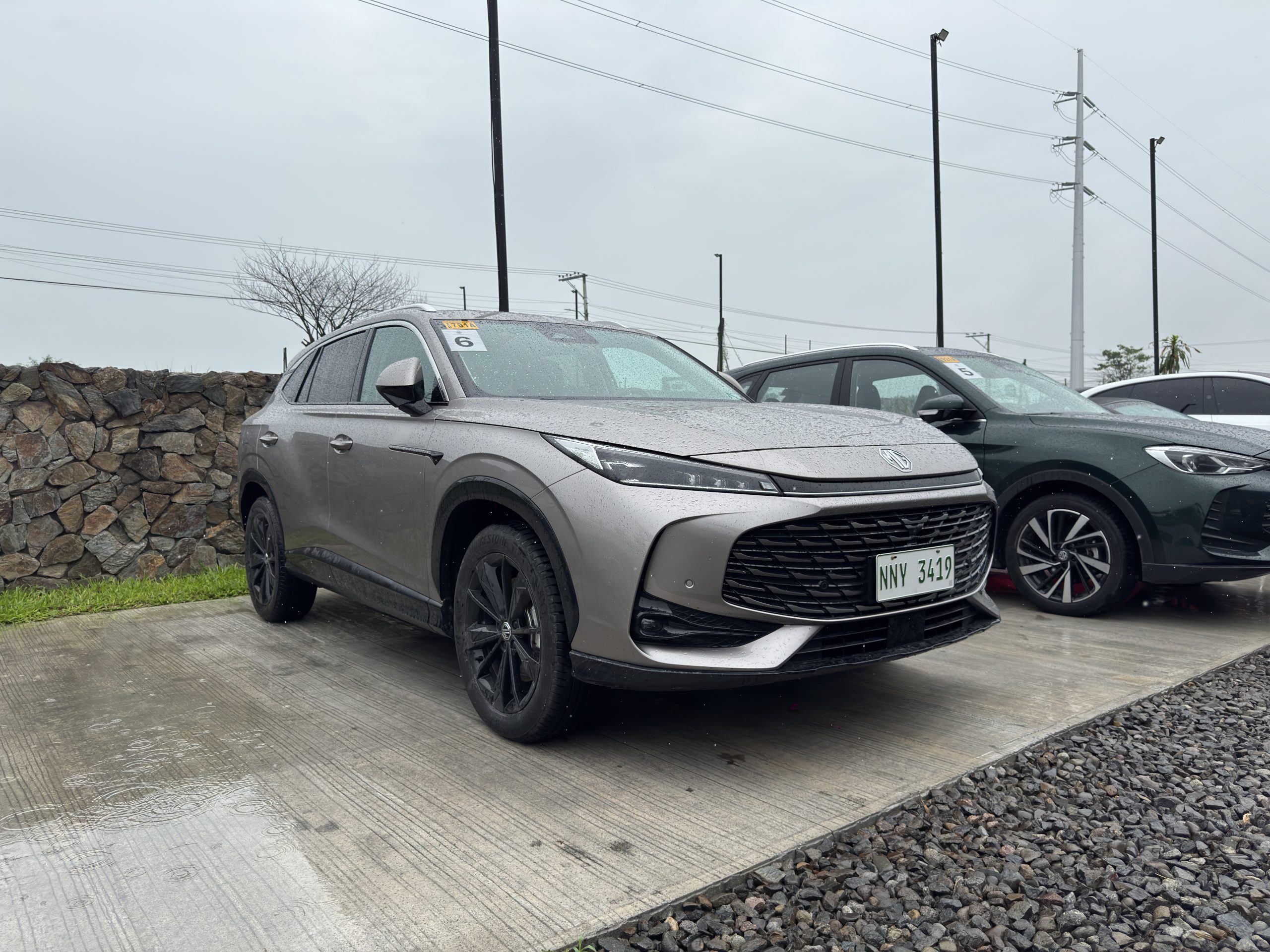
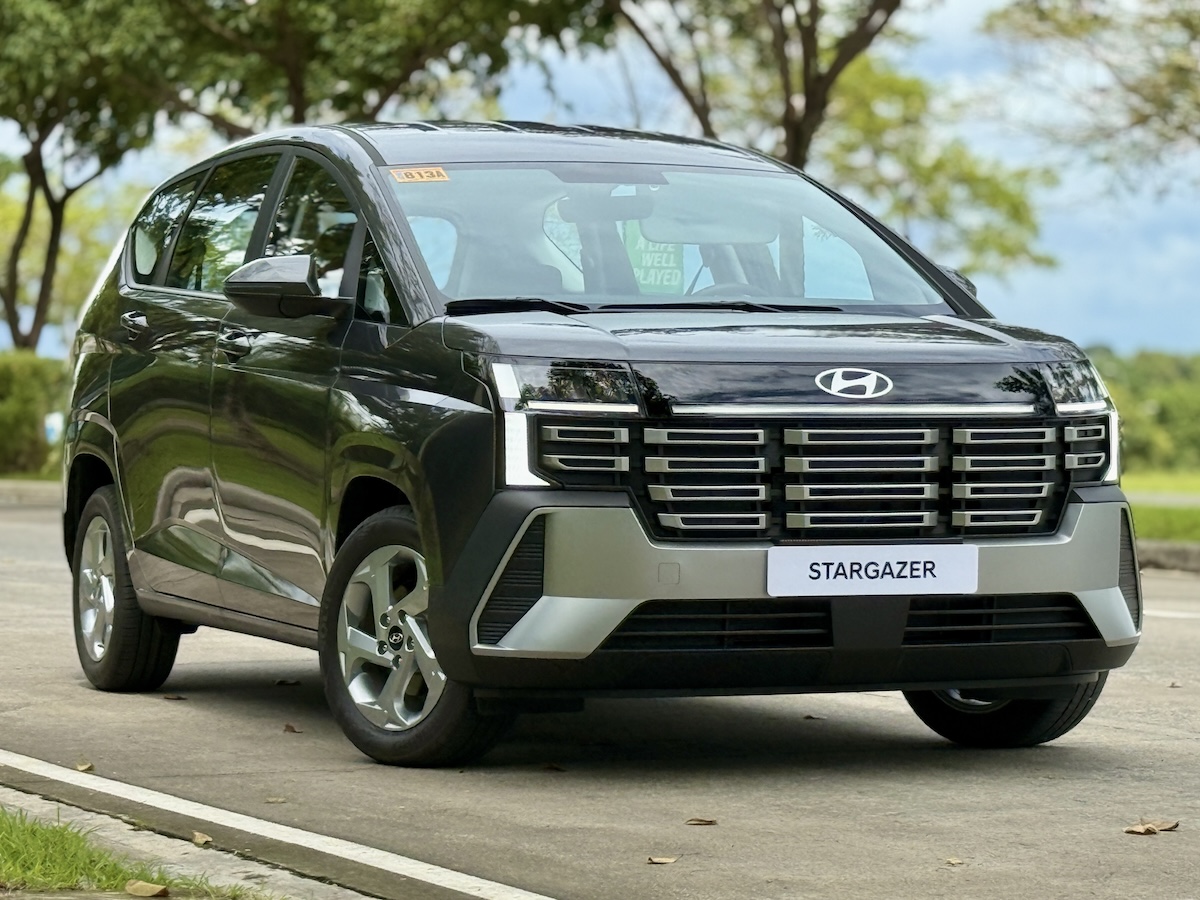
Honda follows with 7,856, Isuzu with 7,351, MG with 5,199, Hyundai with 3,860 and VinFast with 3,803.
The ranking itself is interesting, but what caught my attention more was what is happening underneath it.
Most of the established top performers are still selling fewer vehicles than they did last year. Toyota is down 8.2 percent, Mitsubishi 16.8 percent, Suzuki 13.2 percent, Ford 35.5 percent, Nissan 42 percent, Honda 18.5 percent and Isuzu 27.4 percent.
Yet the market is not simply shrinking. It is changing.
That becomes obvious when you look at electrified vehicles.
CAMPI-TMA recorded 38,286 hybrids, plug-in hybrids and battery EVs from January through July. A year ago, the number was only 16,195. Their share of member sales has jumped from just 6.02 percent to 15.84 percent.
In other words, while the overall market is still down by about 10 percent, electrified vehicle sales have more than doubled.
Regular hybrids remain the biggest part of that movement, with 20,716 sold through July, up 55.9 percent. Toyota alone accounts for 12,838 of them, nearly 62 percent of the HEV market. Ford is a distant second at 3,093, followed by Honda, Omoda and Jaecoo, and MG.
Battery EVs are growing even faster.
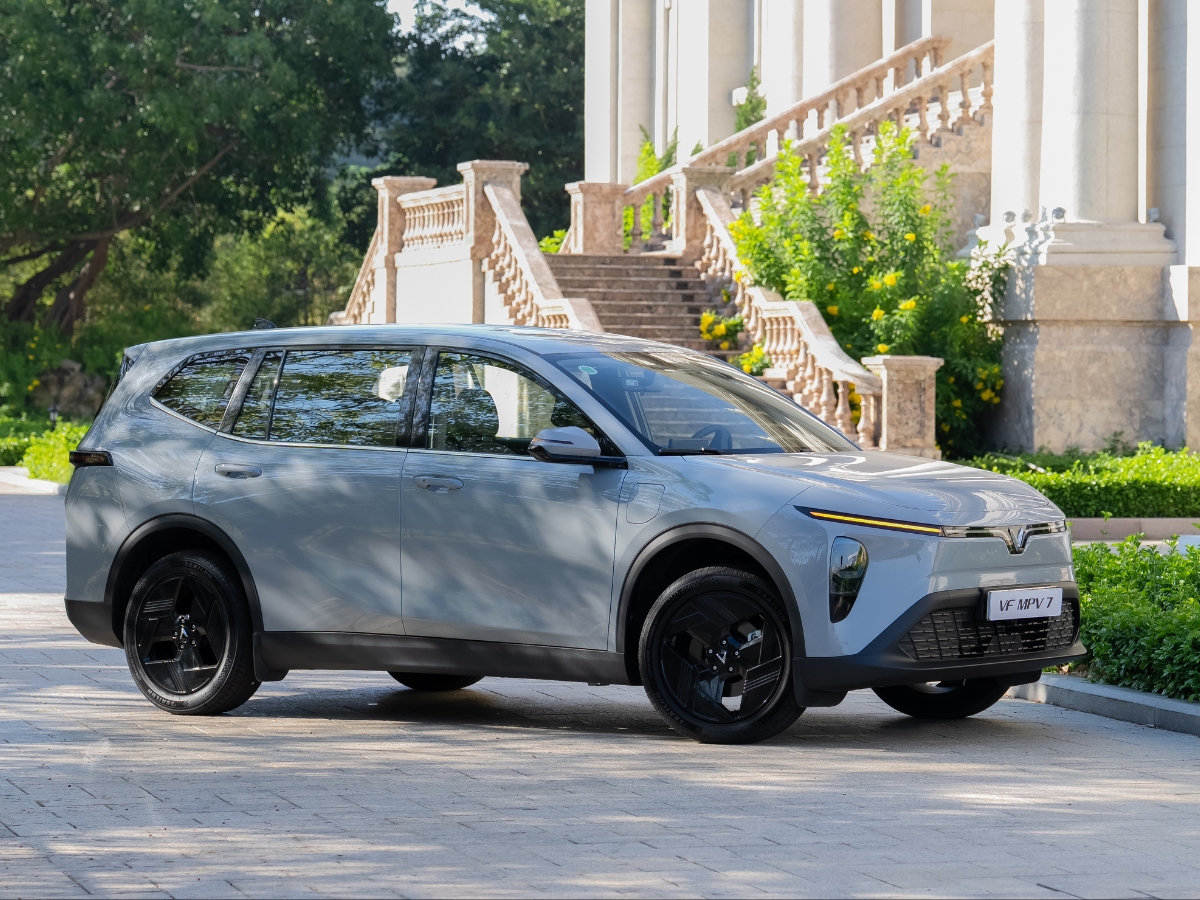
Sales reached 10,476 through July, compared with only 2,617 during the same period last year. VinFast leads the CAMPI-TMA BEV table with 3,803 units, followed by Tesla with 2,645, Omoda and Jaecoo with 1,269, Geely with 982 and GAC with 790.
Then there are plug-in hybrids.
Only 288 PHEVs were recorded during the first seven months of 2025. This year there have already been 7,094. Jetour leads with 2,371, followed by Geely at 1,582, Chery at 841, MG at 686 and Omoda and Jaecoo at 524.
Those numbers tell me something important: the Philippine market of 2026 is no longer the same market we were looking at just a year ago.
The traditional hierarchy remains, but underneath Toyota and Mitsubishi we are seeing brands and technologies moving much faster than the overall industry.

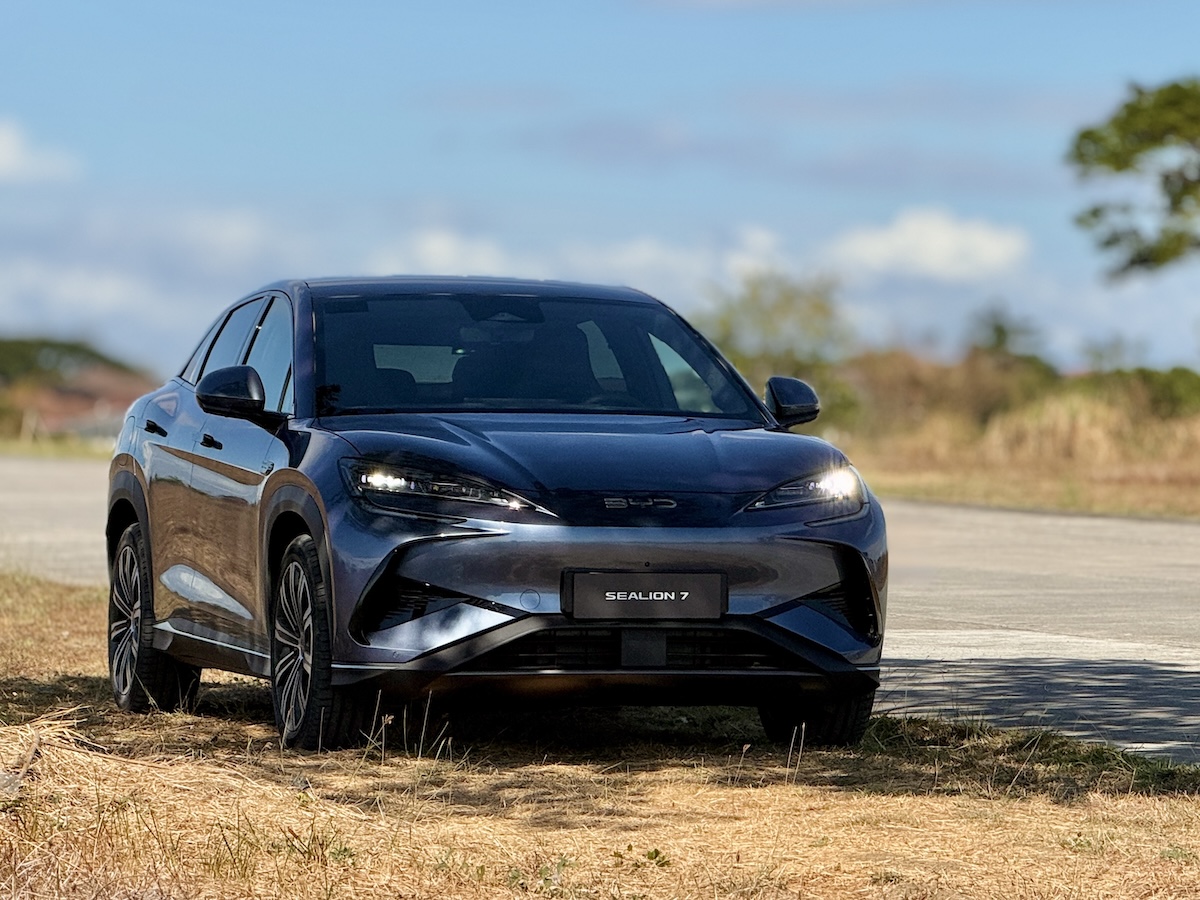
There is also one fairly large elephant missing from these tables: BYD.
BYD sales are not broken out in the CAMPI-TMA report, despite the brand having become one of the most visible players in the Philippine electrified-vehicle market. That means the published member figures do not give us the complete picture of just how quickly hybrids, plug-in hybrids and full EVs are gaining ground.
If BYD eventually releases its full sales figures—and if its volume is anywhere near what its showroom expansion and growing road presence suggest—it could buoy the broader industry numbers considerably.
That becomes particularly important when asking whether 2026 can still catch 2025.
CAMPI-TMA members ended last year with 463,646 sales. With only 241,725 recorded through July this year, they would need another 221,921 vehicles from August through December merely to draw level.
That is roughly 44,400 vehicles every month for the rest of the year.
July, our best month so far, delivered 37,319.
So, using CAMPI-TMA figures alone, catching last year looks difficult. The remaining five months would have to run almost 19 percent stronger than July and close to 29 percent above the monthly average recorded during the first seven months.
If the present January-to-July pace continues, CAMPI-TMA would finish somewhere around 414,000 vehicles. Even if every remaining month matched July, the total would still be only around 428,000.
But this is where I would put an asterisk beside those projections.
CAMPI-TMA does not represent every vehicle being sold in the country. The broader July estimate of 42,880 already tells us there are thousands of vehicles outside its member count. And among the missing brands is BYD, whose actual year-to-date sales could make the overall Philippine market look considerably healthier than the association numbers alone suggest.
Would that be enough to put the entire industry back within striking distance of 2025?
Possibly. But without complete sales reporting from all the major players, we simply do not know yet.
What we do know is that July was better.
It was the first month this year to show year-on-year growth. More importantly, it came as electrified vehicles continued taking a much larger piece of the pie.
And perhaps that is the bigger story.
We have spent much of 2026 asking whether the Philippine auto industry is shrinking. The numbers increasingly suggest that may be the wrong question.
The market may instead be resetting—away from the old mix of gasoline and diesel models and toward hybrids, plug-in hybrids and EVs, while new Chinese players redraw the pecking order at the same time.
July does not mean the industry is back.
But it may be the first good indication of what the next version of the Philippine car market is going to look like.