
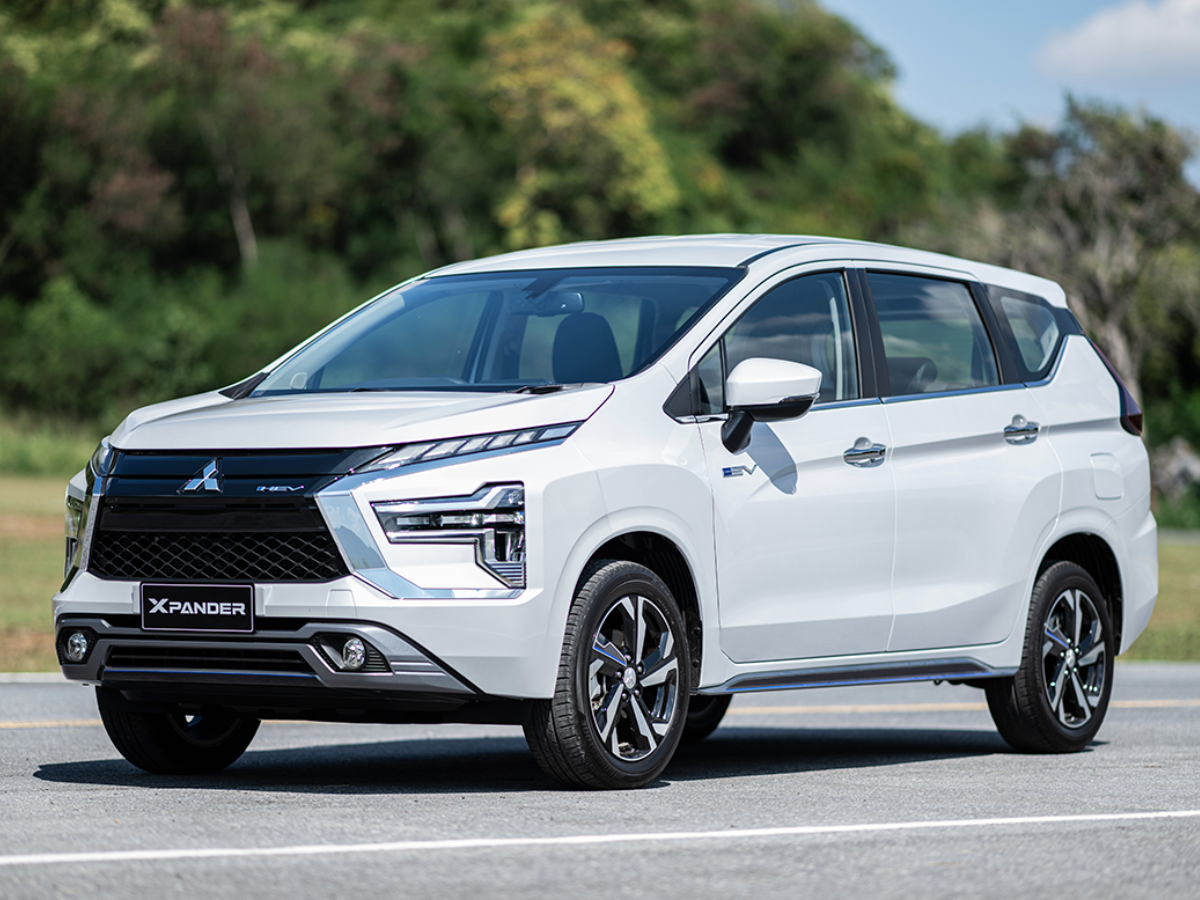
Mitsubishi Motors Corporation plans to produce hybrid electric vehicles at its Santa Rosa plant in Laguna, Philippines. The Japanese car brand intends to have a dedicated hybrid electric vehicle (HEV) production line at its Laguna plant, and has already submitted its proposal to the Philippine government to be part of the Electric Vehicle Incentive Strategy (EVIS) program.
Mitsubishi Motors Chief Executive Officer (CEO) Takao Kato met with President Ferdinand R. Marcos Jr. and Finance Secretary Frederick Go to express the car brand’s intention to produce HEVs in the Philippines. Mitsubishi submitted its application to participate in the government’s EVIS, a program created by the Department of Trade and Industry (DTI) under the Electric Vehicle Industry Development Act (EVIDA). EVIS gives incentives to companies that help the government accelerate EV growth in the country.
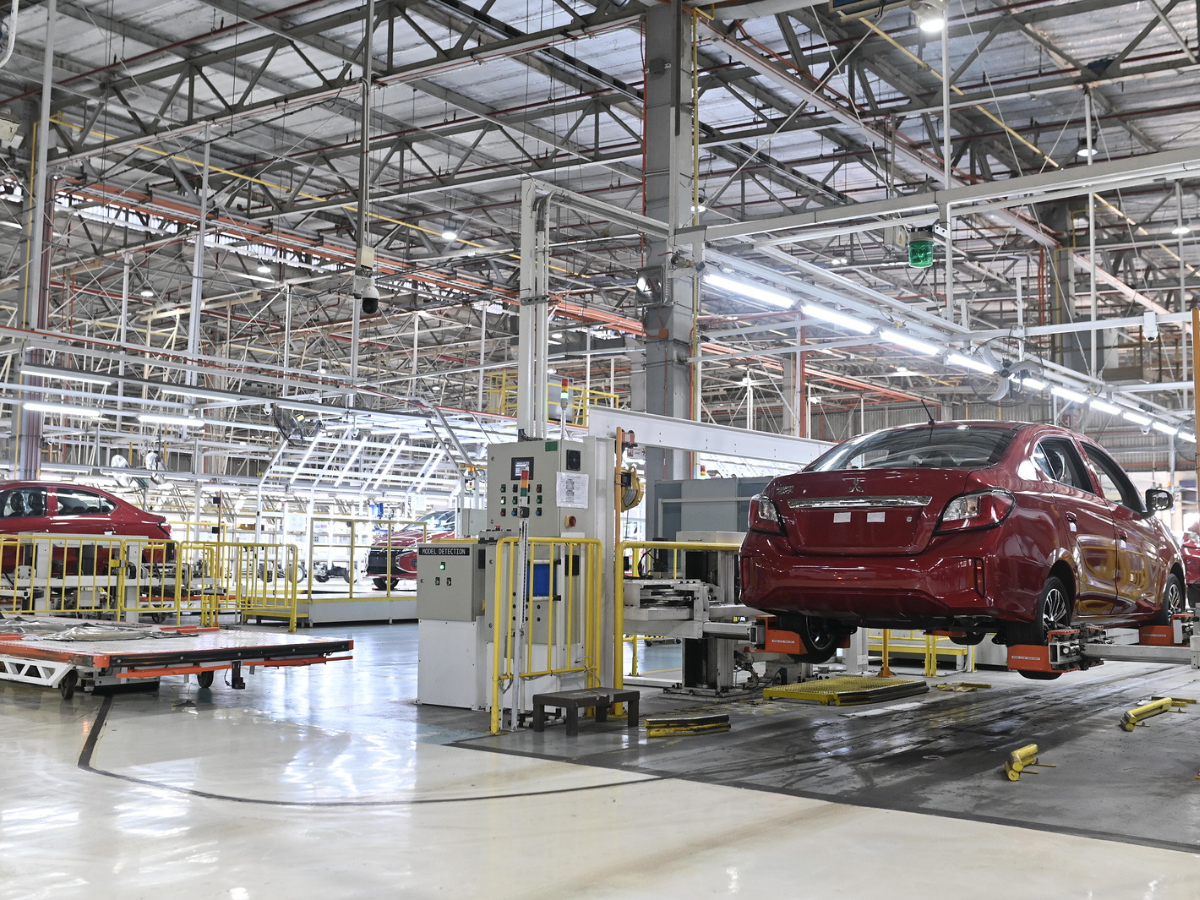
Subject to the approval of Mitsubishi Motors’ application to join EVIS, Mitsubishi Motors Philippines Corporation (MMPC) intends to begin production of a new HEV model at its plant in Santa Rosa, Laguna, around the middle of calendar year 2028. This means that once approved, MMPC will add a model produced at its Laguna plant, which is currently the production home of the L300 and the Mirage G4.

Mitsubishi added that in line with the start of production of the new HEV model, MMPC is looking at additional investment, including enhancements to its facilities to support electrification. The Japanese car brand said these will help expand the local supply chain and generate employment opportunities in the region.
During the meeting with President Marcos Jr., Mitsubishi Motors CEO Takao Kato said that the Philippines has been one of the brand’s most important markets.
“The Philippines has long been one of our most important markets, where we have engaged in production and sales for many years. In cooperation with the Philippine government, we are honored to contribute to the advancement of vehicle electrification and industrial development through the EVIS program, as well as to support the further growth of the Philippine economy,” Kato said.
Autocar’s Take
Mitsubishi’s announcement of its intention to produce HEVs in the Philippines is big news, as it would open many opportunities for the country. Aside from having a local facility that produces HEVs, Mitsubishi can also make the Philippines an exporter of its HEV models. With that, the Philippines can position itself as an HEV production hub in ASEAN.
If Mitsubishi receives approval from the Philippine government, the automaker will be the first to produce locally made HEVs, ahead of Toyota Motor Philippines. We have to wait and see how Mitsubishi’s application plays out, but regardless, the idea of having a locally-produced HEV is a welcome sight, and would be significant for the Philippine automotive industry.