
There’s a certain kind of silence every driver knows. It’s that split second after hitting a pothole—before you hear anything, before you feel anything—when you’re hoping your tires made it through.
Most of the time, tire warranties don’t care about that moment. They’re built around factory defects, not the realities of broken pavement, debris, and everything else waiting out on Philippine roads.
That’s where Continental’s latest move lands differently.
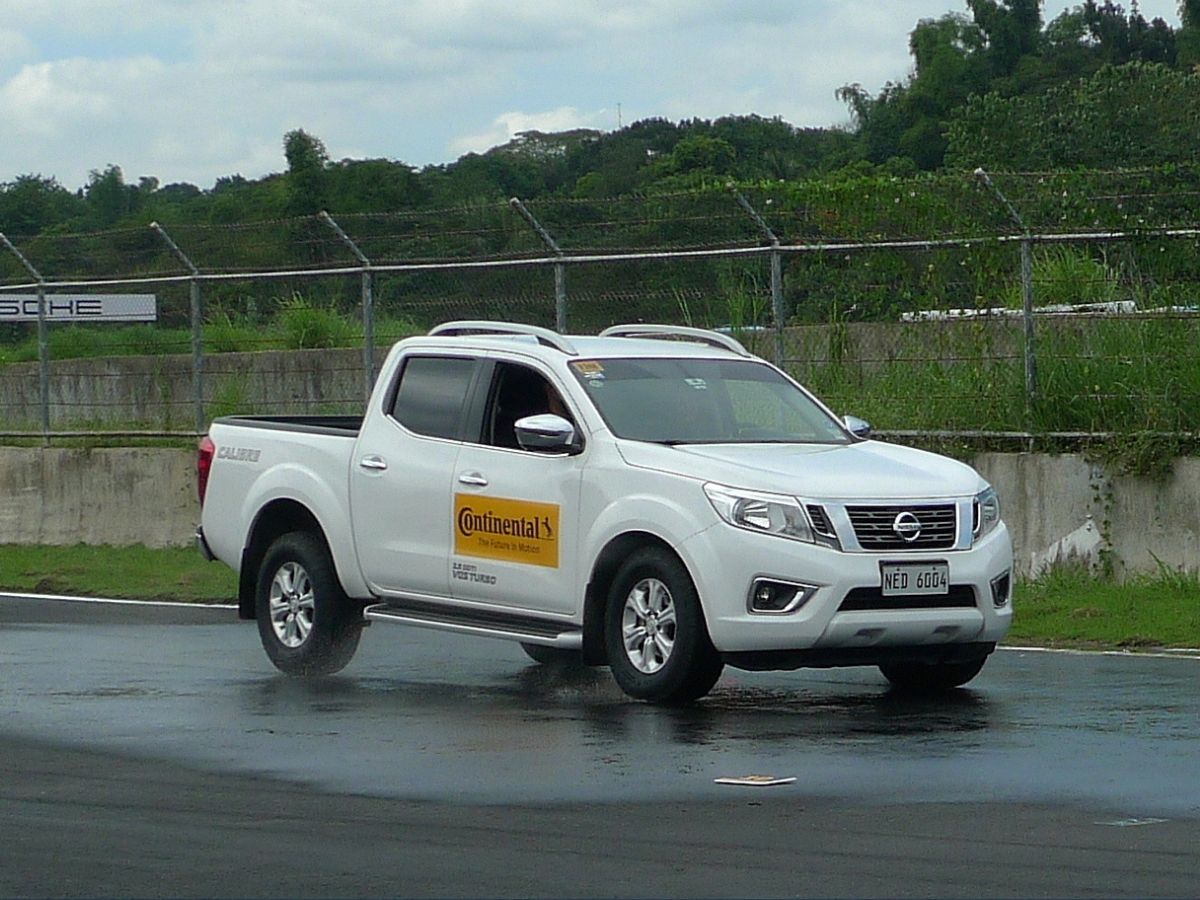
Starting April 6, 2026, JM Far East, Inc., the official distributor of Continental Tires in the Philippines, is rolling out what it calls the Total Confidence Plan (TCP)—a warranty program that doesn’t just stay in the factory lane. It steps into the street.
And that matters.
Because locally, tire warranties are still pretty basic. Manufacturing defects, limited coverage, a lot of fine print. What Continental is introducing here is one of the few structured programs in the country that actually includes road hazard protection—something most drivers will likely encounter long before any factory defect shows up.
At its core, TCP combines two things: protection from how the tire was made, and protection from what the road does to it.
The first year is where it hits hardest.
If a tire suffers damage that can’t be repaired—think deep punctures, sidewall cuts exposing cords, or impact damage from potholes—Continental will replace it. One-to-one. Same tire or closest equivalent. No pro-rating, no complicated math. Just a straight swap.
There are limits, of course. The damage has to be legitimate, and each tire gets one replacement within that first year or until the tread drops to 5mm. But compared to how warranties usually work, that’s already a shift.
After that first year, the program falls back to the more familiar territory of manufacturing defect coverage, running up to five years depending on the tire’s age. It’s pro-rated beyond year one, which is standard, but by then the heavy lifting—the unpredictable part of ownership—has already been addressed upfront.
What makes TCP feel relevant is that it doesn’t try to overcomplicate things.
It’s designed around passenger cars, SUVs, and light trucks—the vehicles most people are actually using day to day. No niche categories, no special cases. Just everyday mobility.
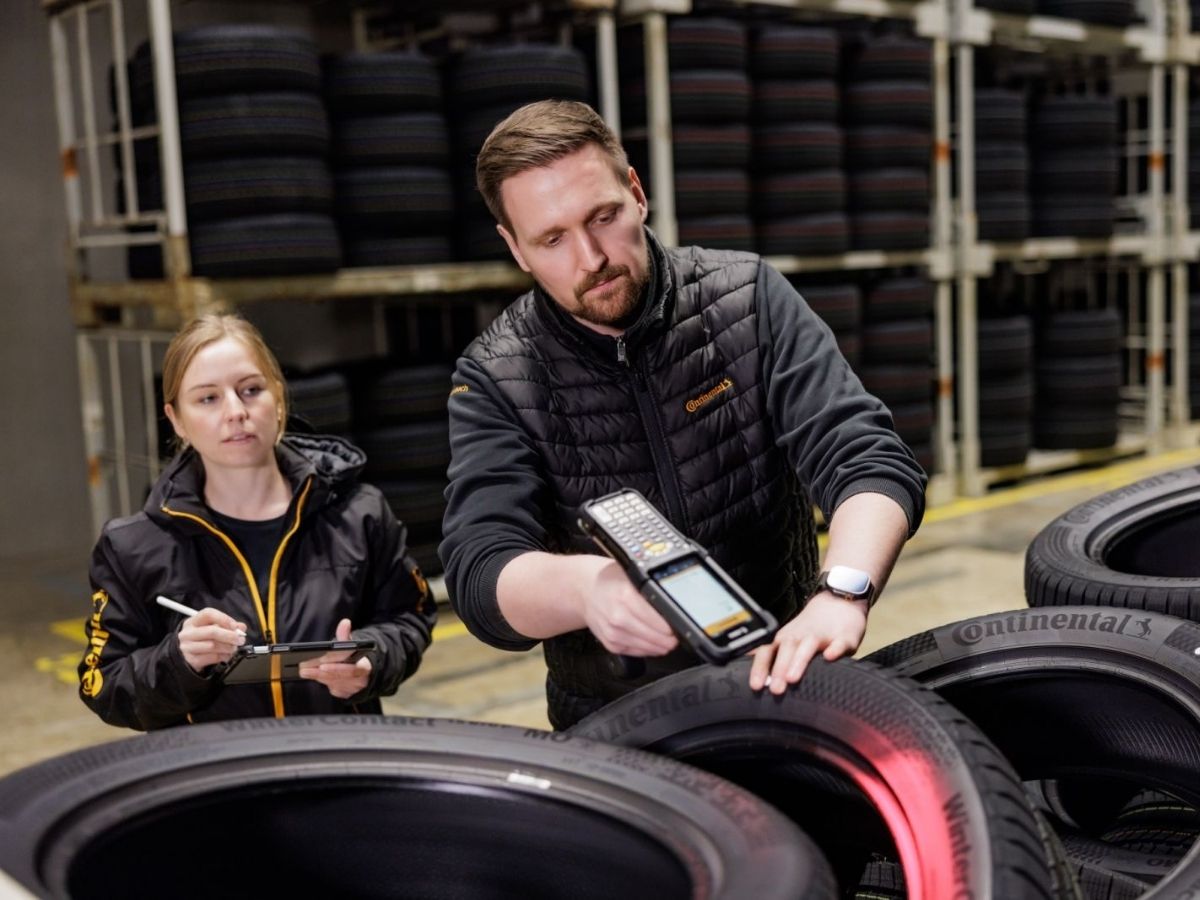
There are a few conditions. Buyers need to purchase at least two tires in a single transaction, get them from authorized dealers or official online channels, and register within seven days. Each tire is tagged to a specific user and vehicle, which helps avoid the usual gray areas when claims come in.
It’s structured, but not restrictive.
The claims process leans heavily into digital, which feels overdue for this kind of product.
Instead of going through multiple layers of inspection and paperwork, customers upload photos or videos of the damage, go through a live video check with a technical team, and wait for a decision within two to four business days.
If approved, replacements are rolled out depending on location—faster in Metro Manila, a bit longer in the provinces, which is expected given logistics realities.
It’s not instant, but it’s transparent. And that’s usually what matters more.
TCP isn’t trying to be everything.
It won’t cover repairable punctures, cosmetic issues, or damage from misuse—like running incorrect tire pressures or using the tires outside their intended purpose. Commercial applications like taxis and vehicles for rent are also excluded, along with damage from accidents or natural events.
In short, it’s built to cover the road—not everything around it.
For something as basic as tires, ownership hasn’t really evolved much locally. You buy them, you use them, and if something happens, you deal with it.
Programs like TCP start to change that dynamic, even if only slightly.
It’s not about turning tires into subscription services or adding layers of complexity. It’s about acknowledging that the biggest risk isn’t in how the tire was built—it’s in where it’s used.