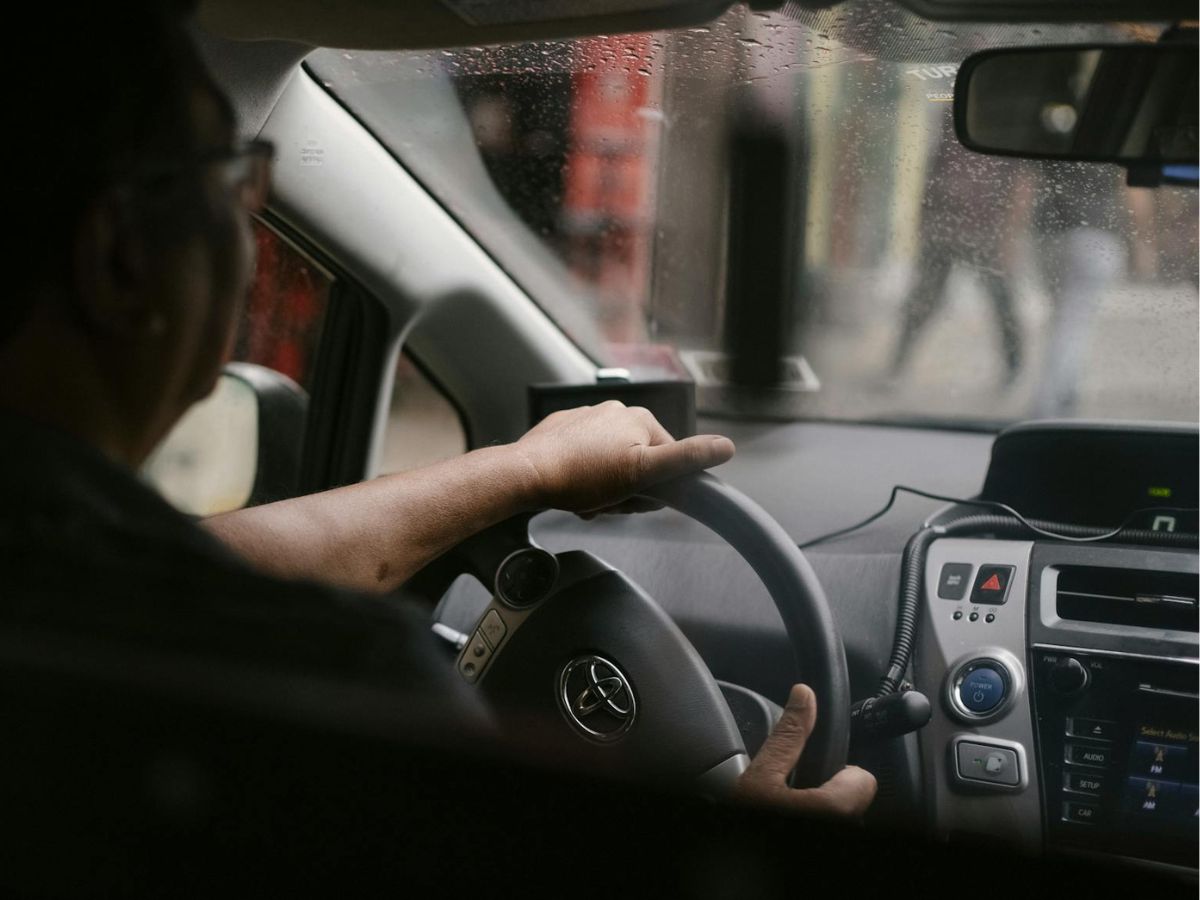

In an effort to make roads safer and encourage discipline among road users, lawmakers are now pushing to crack down on aggressive behavior with a proposed measure seeking to criminalize road rage in the Philippines. Leading the move is House Majority Leader Ferdinand Alexander “Sandro” Marcos, who introduced House Bill No. 8190, also known as the proposed Anti-Road Rage Act.
Under the bill, the proposed measure aims to formally define road rage as a criminal offense and establish specific penalties for acts of aggression committed during traffic disputes. The term “road rage,” as defined by the bill, refers to any intentional and aggressive act committed by a driver or a passenger of a vehicle in response to a traffic incident, with the intent to intimidate, threaten, harass, retaliate against, or harm another road user. The act must also create danger to life, limb, or property.
Of note, the bill is not yet an official law but has been forwarded to Congress for further evaluation. It seeks to distinguish road rage from ordinary traffic violations by recognizing it as a deliberate behavior that can escalate into violence. Marcos said the measure is intended to protect motorists, pedestrians, and passengers from heated confrontations that could easily spiral out of control on the road. If approved, the proposed law would introduce graduated penalties depending on the outcome of the incident.

Motorists involved in road-rage cases that do not result in injury or property damage could face up to 1 year in prison, fines of up to P100,000, or both. If the aggressive act results in injury or property damage, the penalty could increase to up to four years of imprisonment, a fine of up to P200,000, or both. More serious cases that result in grave danger or death would be prosecuted under the provisions of the Revised Penal Code of the Philippines, along with additional fines ranging from P200,000 to P500,000.
The bill also outlines aggravating circumstances that may result in the maximum penalties. These include the use or display of a firearm or other deadly weapons during a road rage incident.
Harsher penalties may also be applied if the victim is considered vulnerable, such as minors, senior citizens, pregnant women, or persons with disabilities (PWD). In addition, the proposed law may impose stricter sanctions if the offender is a member of law enforcement or any organization tasked with maintaining peace and order.
Autocar’s Take
Road rage incidents are sadly becoming increasingly rampant and visible, often captured on dashcams or shared virally through social media. The proposed Anti-Road Rage Act recognizes that aggressive behavior behind the wheel can quickly escalate into dangerous confrontations. While enforcement will ultimately determine the bill’s effectiveness, the proposal sends an important signal that violent or threatening conduct on the road should not be tolerated. If finally pushed into action, the measure could serve as a deterrent against those planning to cause unnecessary chaos on the road. It could also be a better way to encourage discipline and more responsible behavior among motorists.
But to us, battling road rage and other undisciplined behavior behind the wheel should start with something deeper than penalizing offenders. Maybe a change in how driver’s licenses are issued needs to be implemented, or added to the existing Land Transportation Office (LTO) methods and guidelines. Measures such as stricter written, oral, and hands-on driving tests, as well as a comprehensive psychological evaluation for an individual seeking or renewing a license.
More importantly, the authorities need to really focus on eliminating fixers, individuals who offer illegal services to those taking driver’s license tests with a promise to expedite the process, skip appearance in license exams, or both, for a fee. These fixers contribute to an increasing number of uneducated drivers who are unaware of laws and regulations set by the LTO and other agencies tasked with maintaining order on the road.
Things like those, although more technical and may involve higher fees or extensive dialogue among lawmakers and the Filipino people at large, may be worth it if genuinely aligned with the goal of bringing peace of mind to the road for all who use it.