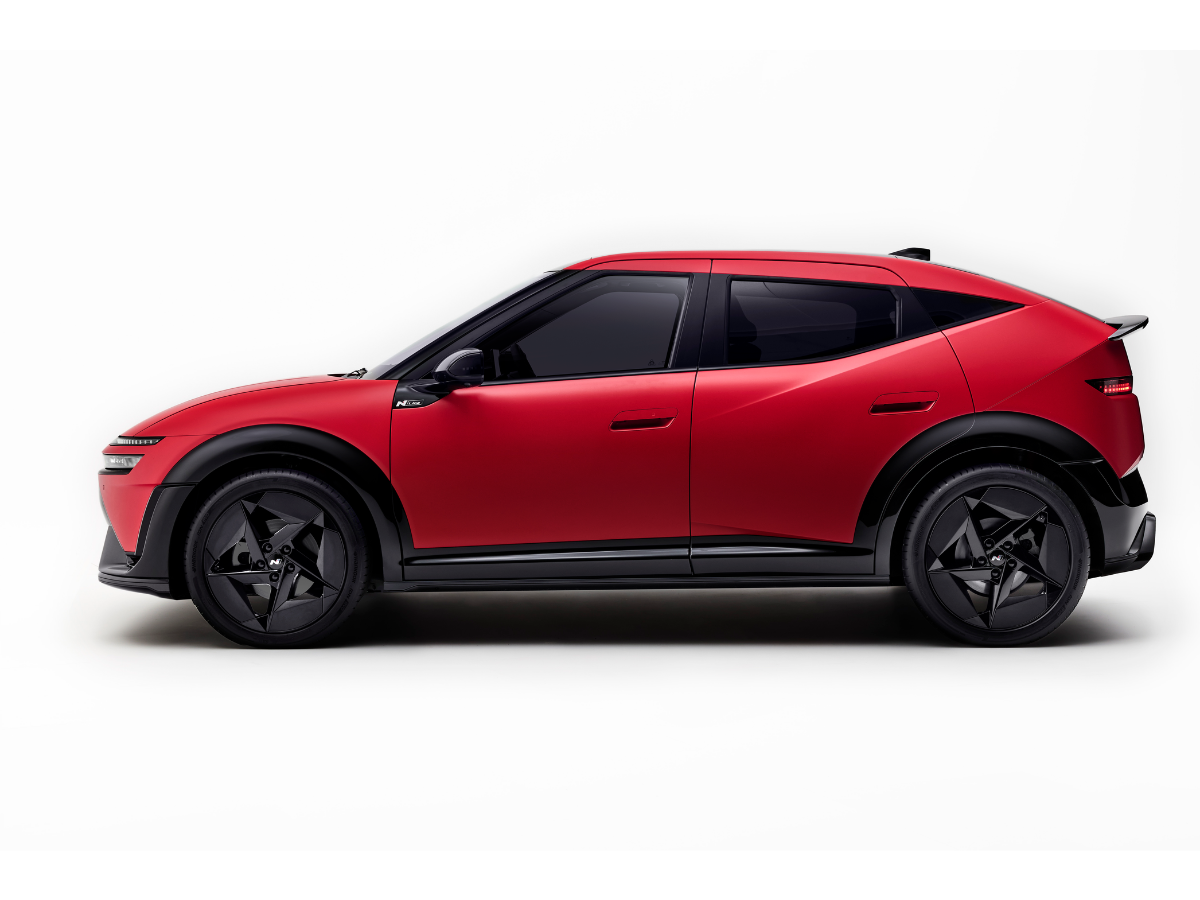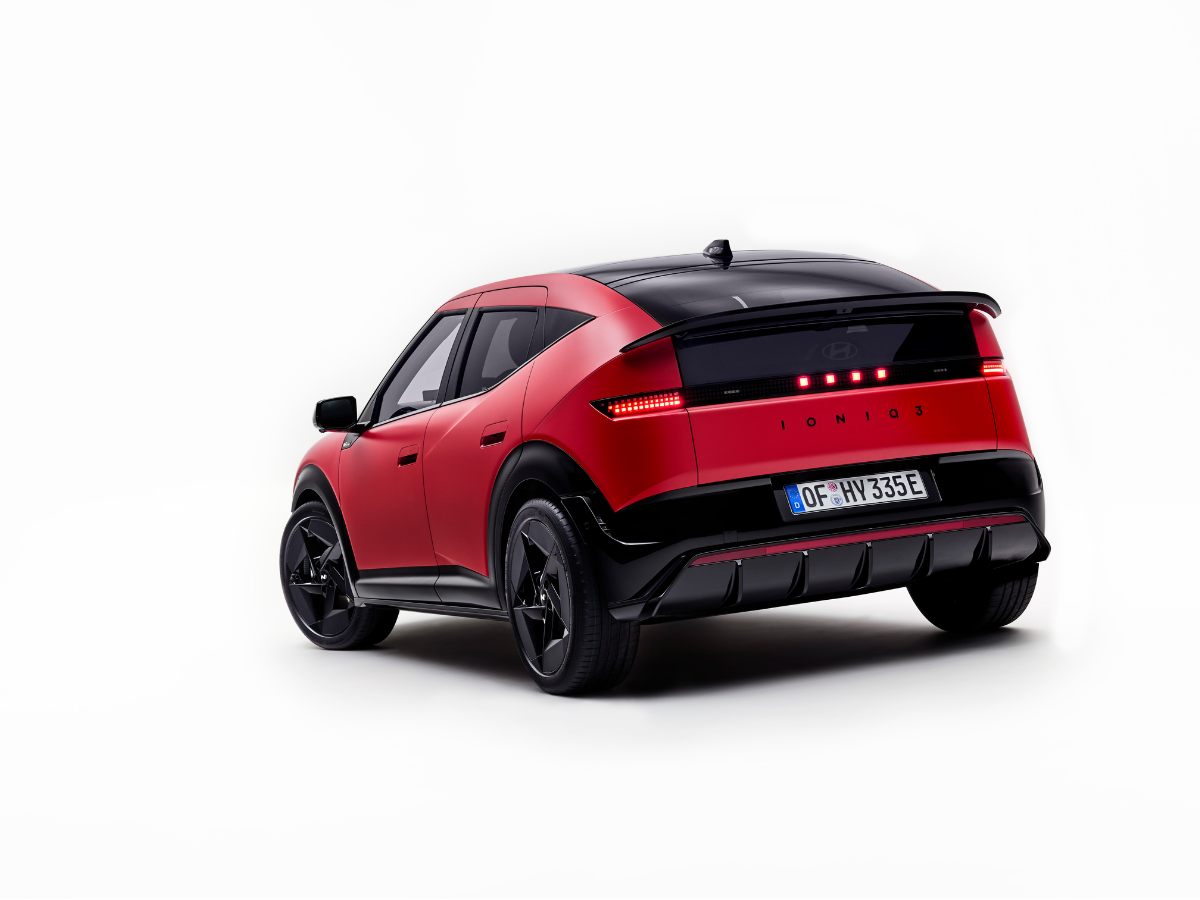

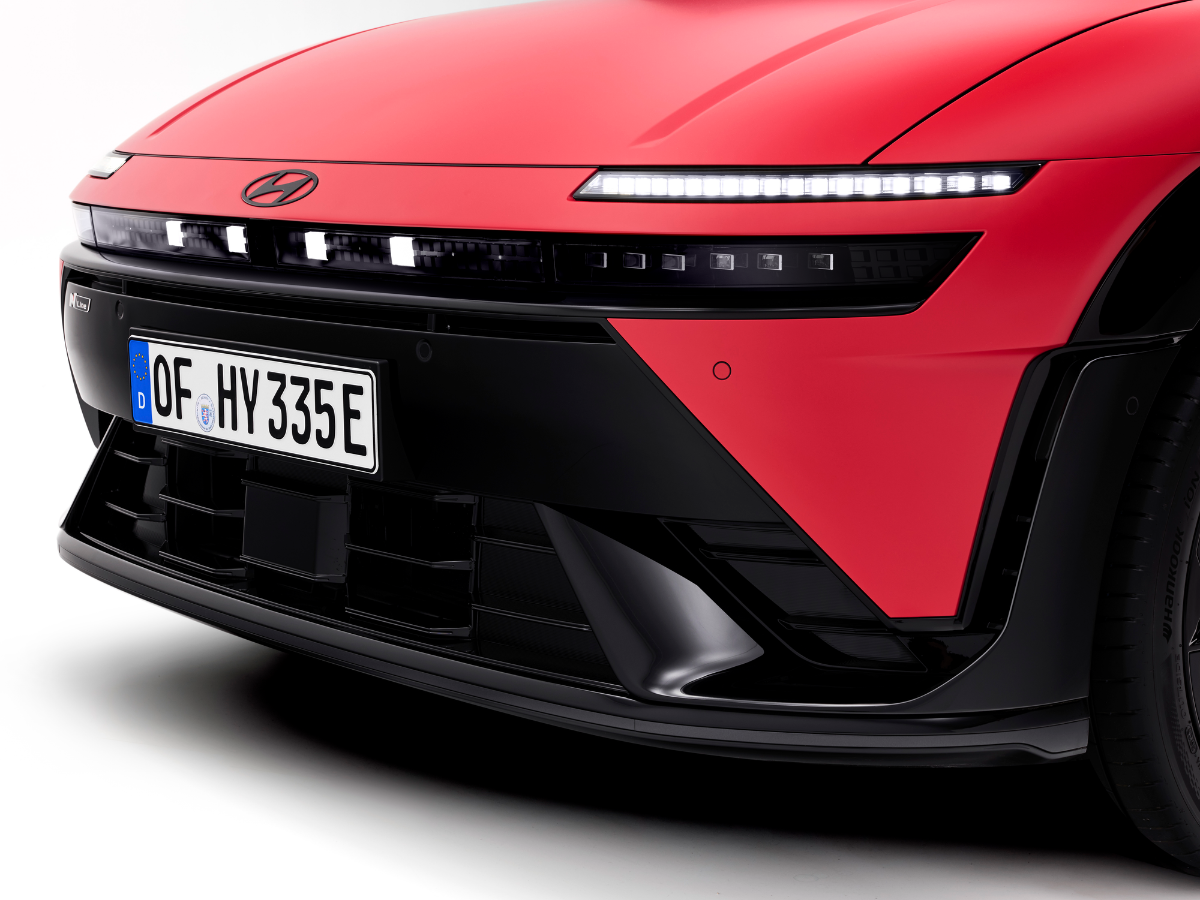
Hyundai has added another layer to its electrified lineup. Case in point: the South Korean car brand has unveiled the new Ioniq 3 in the European market, a fully electric compact hatchback aimed at making EV ownership simpler and more practical for everyday drivers.
Highlighted as the newest member of the brand’s Ioniq lineup, the model focuses less on futuristic gimmicks and more on usability. The company says that the Ioniq 3 was conceptualized and built around the needs of young families and urban commuters looking for a spacious, efficient, and most importantly, easy-to-live-with EV.
One of the biggest talking points is the car’s “Aero Hatch” design. Instead of chasing aggressive styling, Hyundai sculpted the car with more aerodynamic efficiency in mind, while still maximizing cabin space. What it came up with is a sleek hatchback with a claimed drag coefficient of 0.263 and a notably roomy interior for its size.
Built on Hyundai’s E-GMP electric platform, the Ioniq 3 will be offered with two battery options. The standard-range version targets up to 344 km of range, while the long-range model aims for up to 496 km on a single charge. DC fast charging can replenish the battery from 10% to 80% in about 29 minutes under ideal conditions.
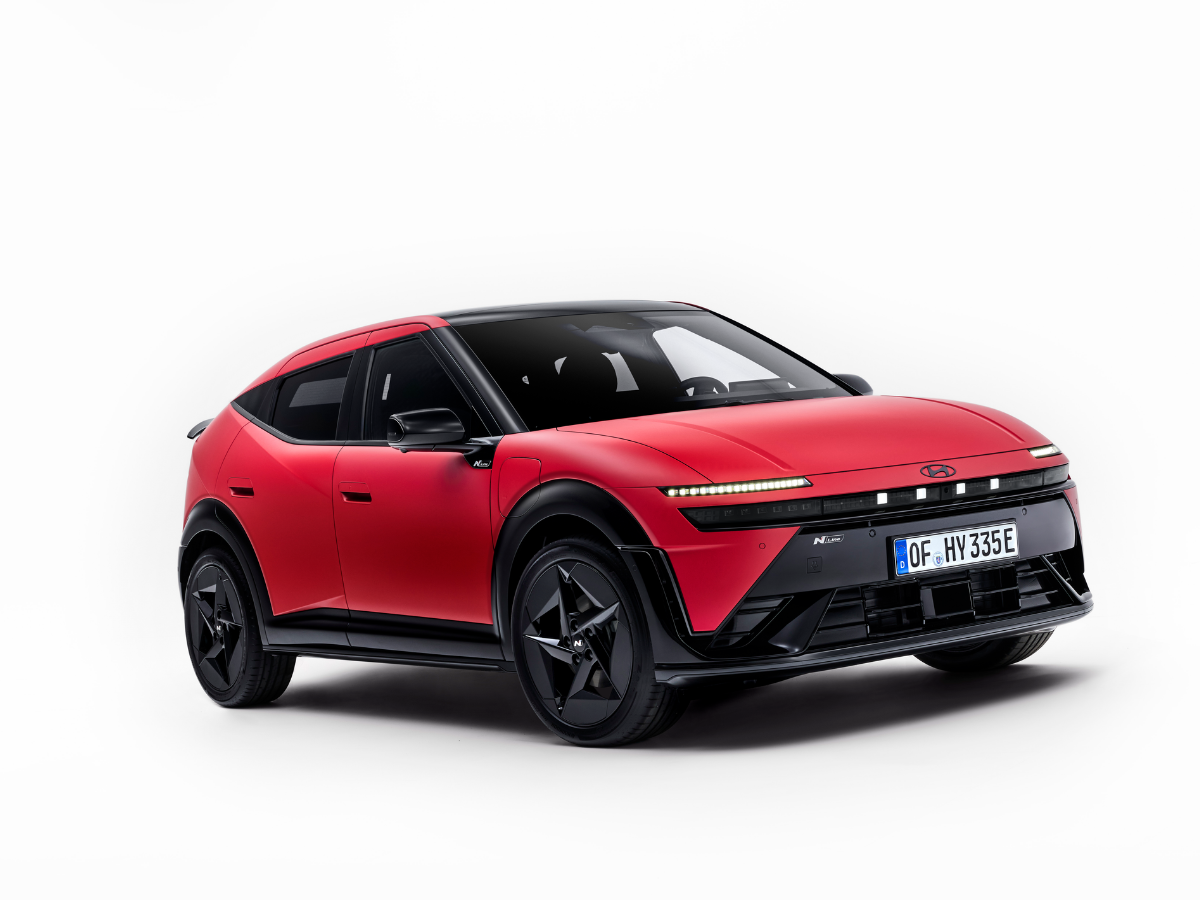
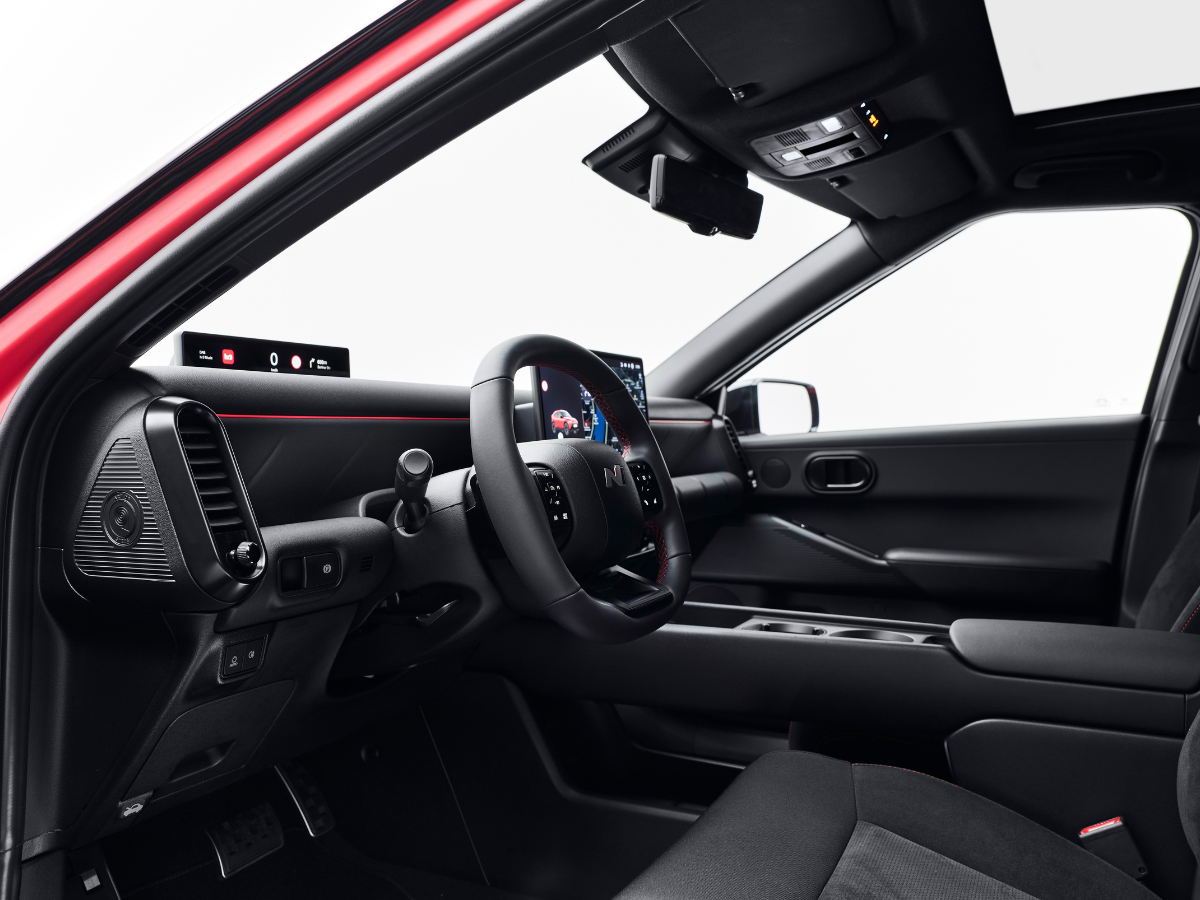
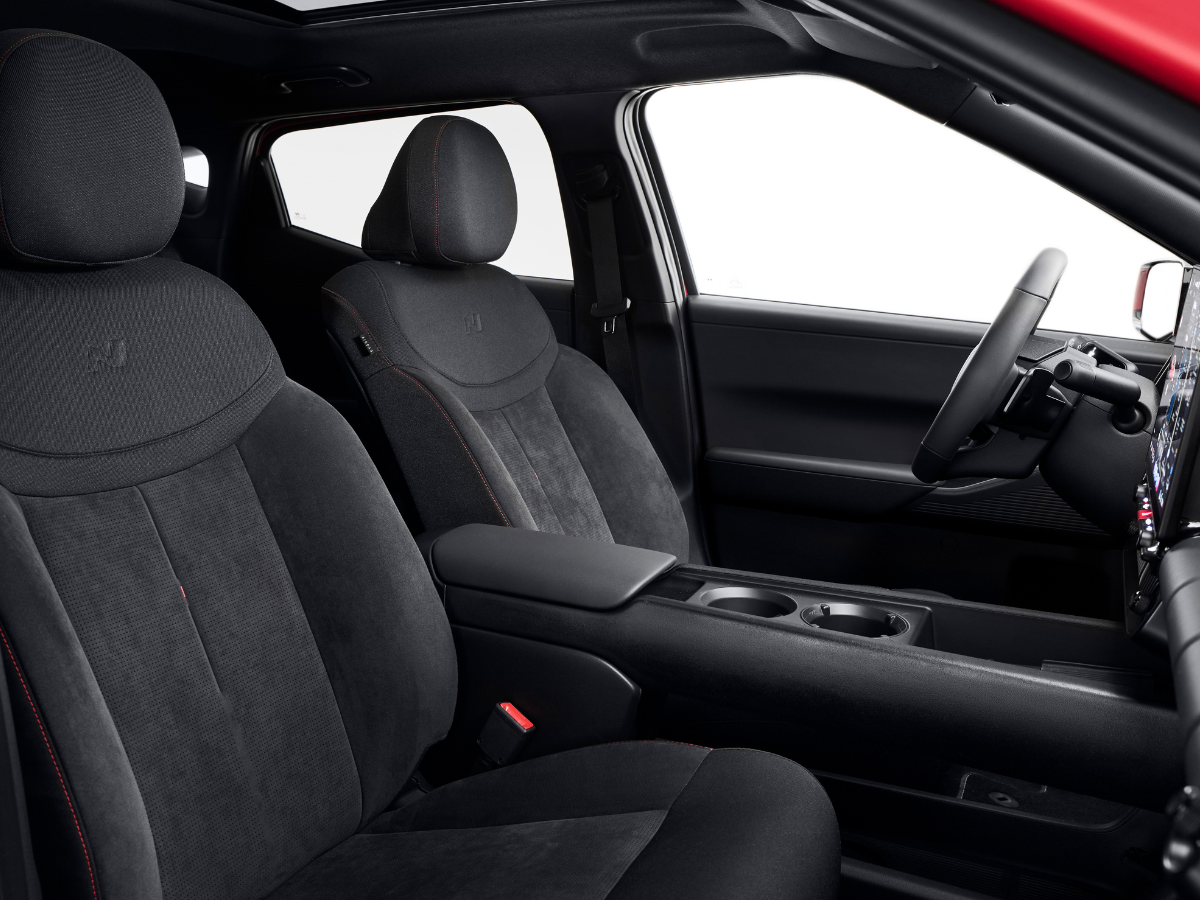
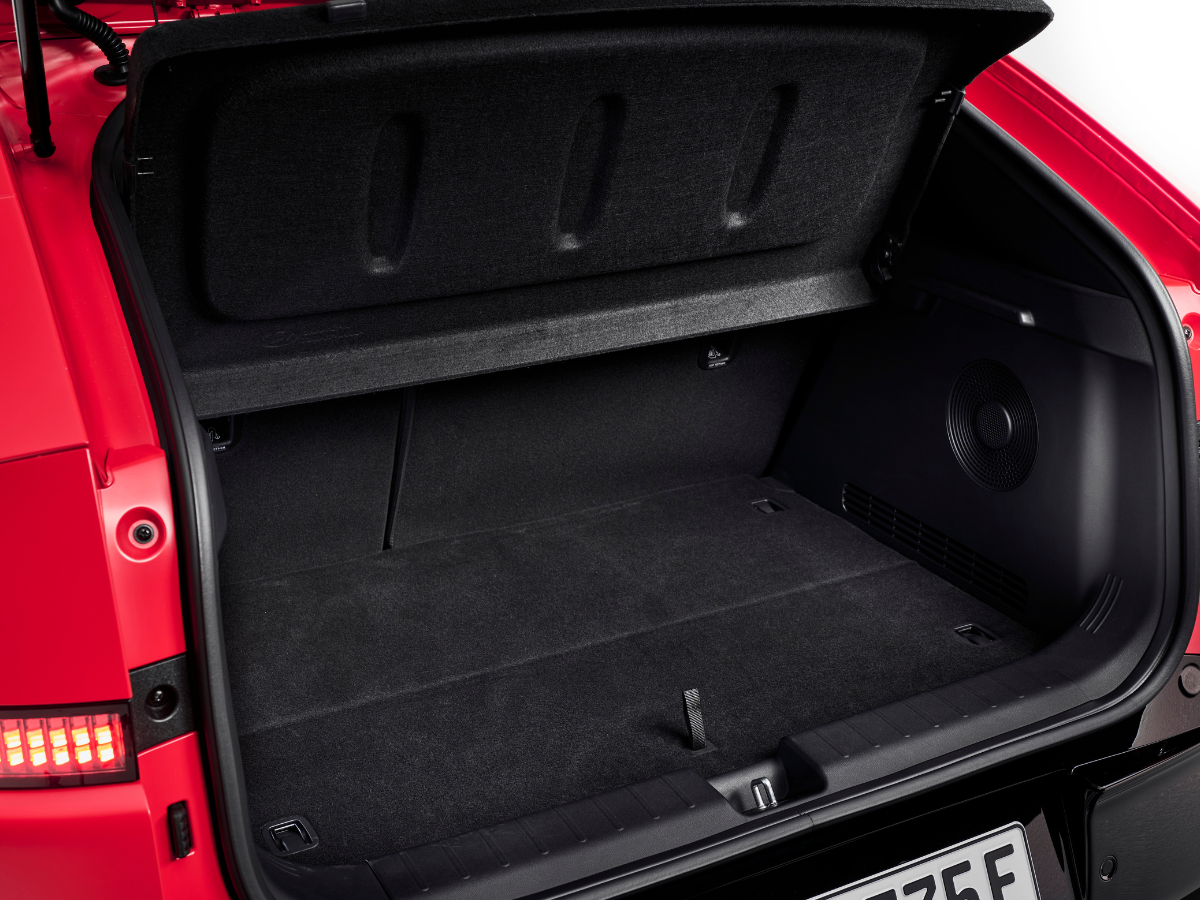
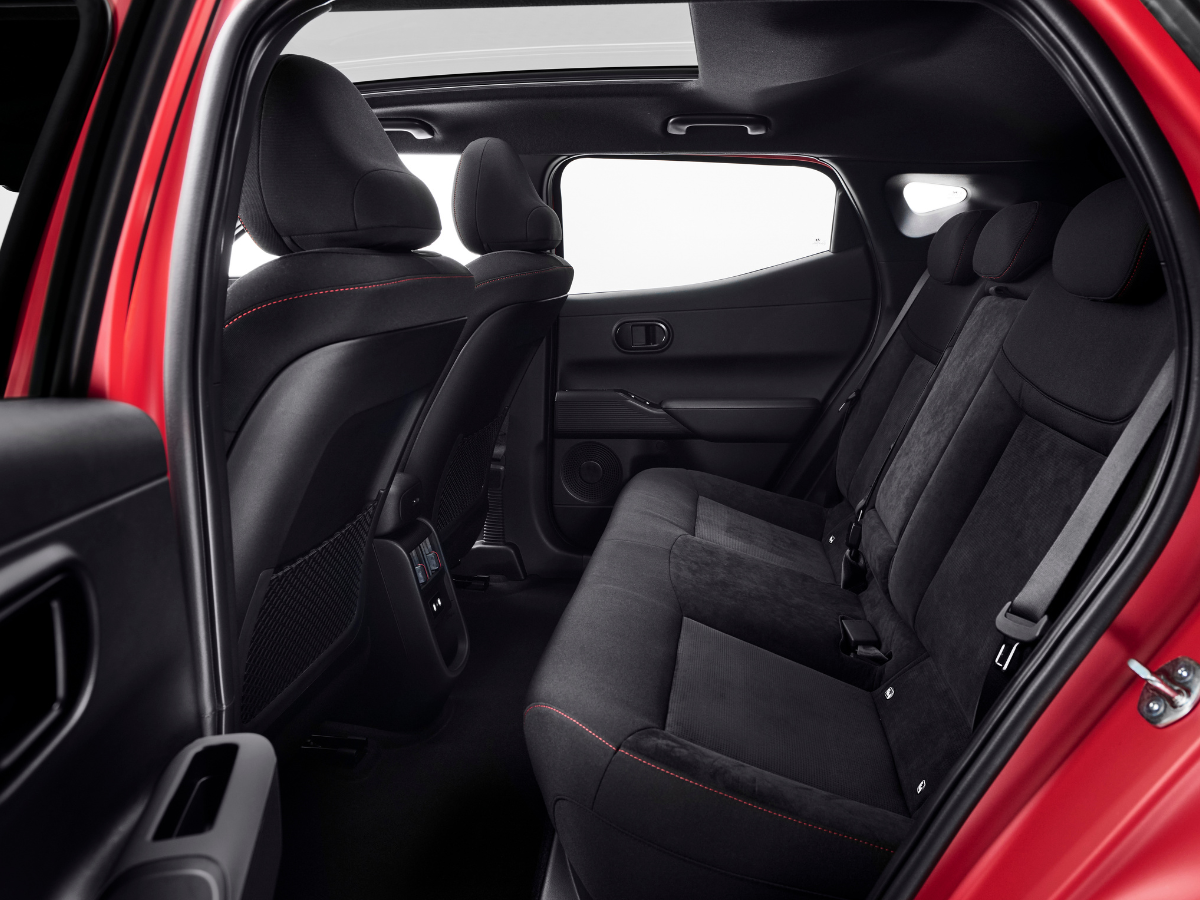
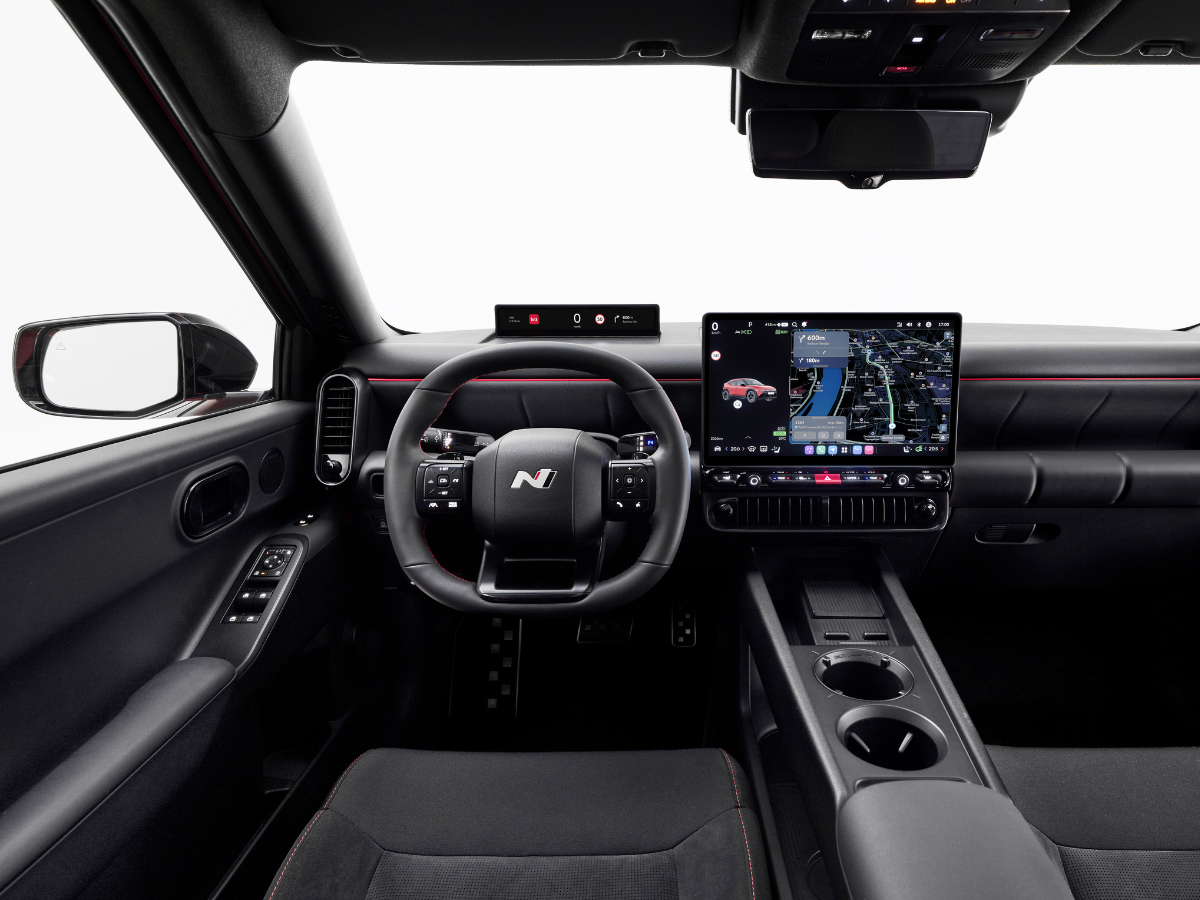
Inside, Hyundai is pushing for comfort and practicality. The flat floor layout and long wheelbase create generous rear passenger space, while the cargo area offers 441 liters of luggage capacity. Hyundai also added a hidden underfloor storage compartment called the “Megabox” for extra practicality.
The Ioniq 3 also debuts Hyundai’s Pleos Connect infotainment system in Europe. It is based on the Android Auto OS and promises a more intuitive user interface with larger displays, improved connectivity, and smartphone-based digital key functionality.
Safety tech is extensive as well. The car features Highway Driving Assist 2, remote smart parking assist, blind-spot monitoring, and surround-view cameras included in the package.
Designed in Europe and built at Hyundai’s plant in Türkiye, the Ioniq 3 reflects the brand’s continued push to make EVs feel less experimental and more like practical everyday cars for mainstream buyers.
Autocar’s Take
For years, manufacturers have treated EVs as technology showcases first and practical vehicles second. The Hyundai Ioniq 3 takes on a different approach. Instead of overwhelming buyers with flashy gimmicks, Hyundai focused on the basics that matter in daily driving — space, efficiency, charging speed, and usability.
The roomy cabin and nearly 500 km of claimed driving range for the long-range model could make it appealing for families and commuters alike. With its combination of sleek, yet simple styling and practical advantages that don’t boggle the mind, the Hyundai Ioniq 3 may become one of those EVs that help normalize electric mobility instead of simply attracting early adopters.