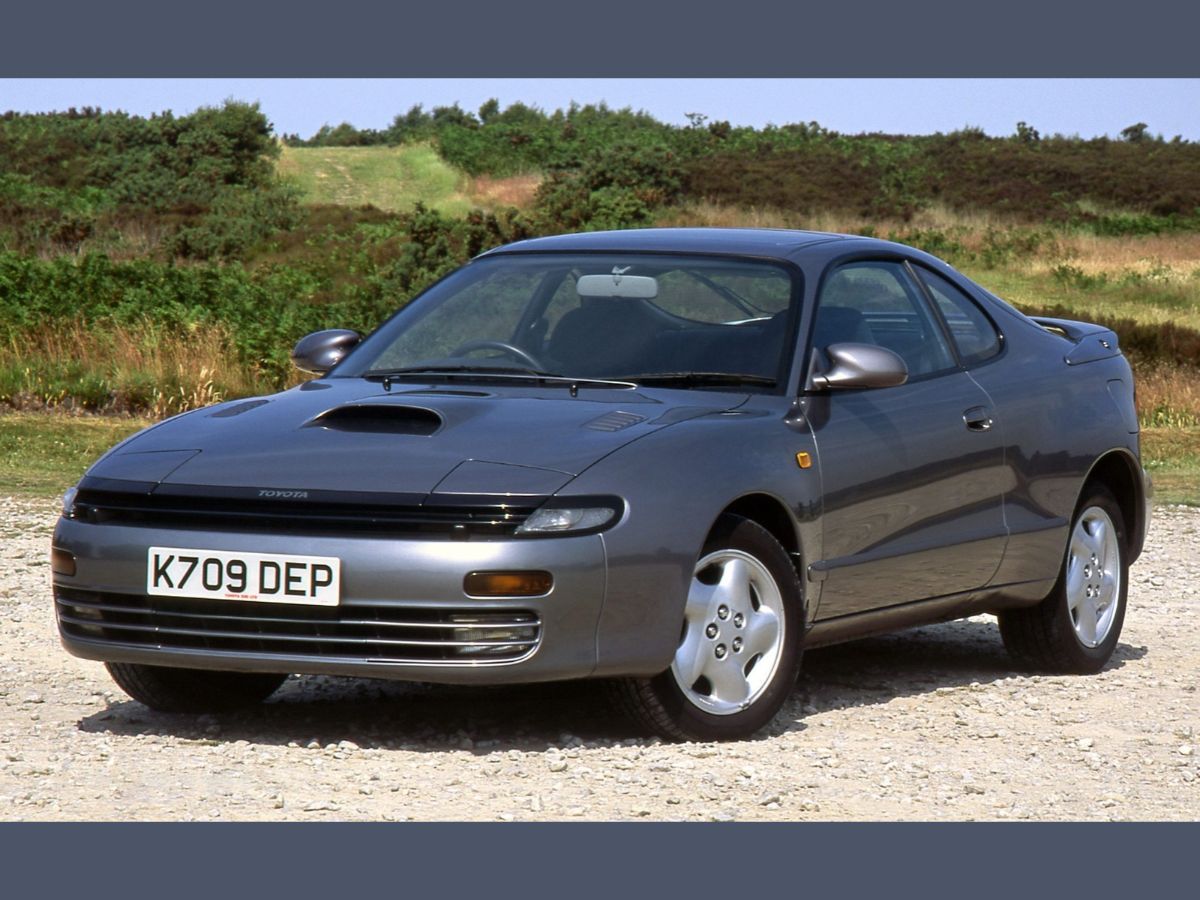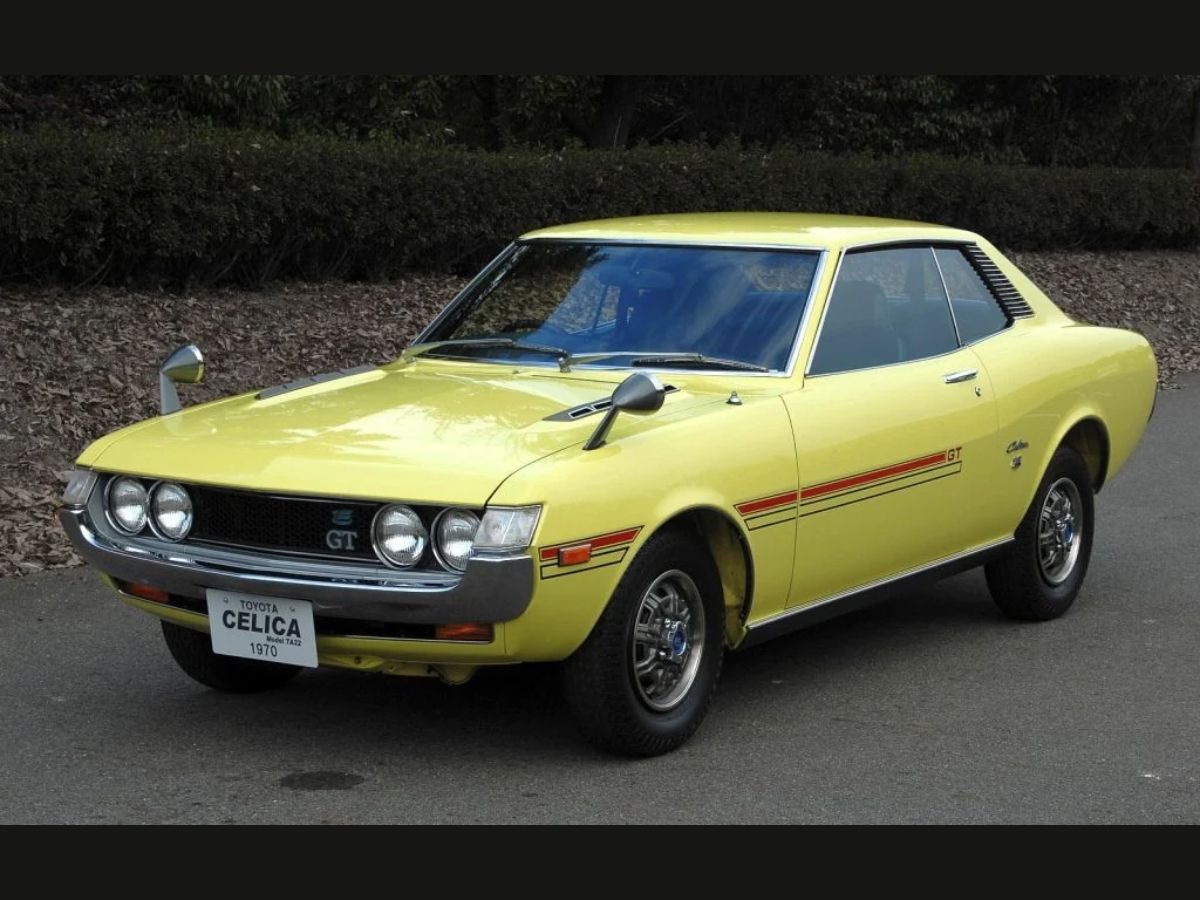
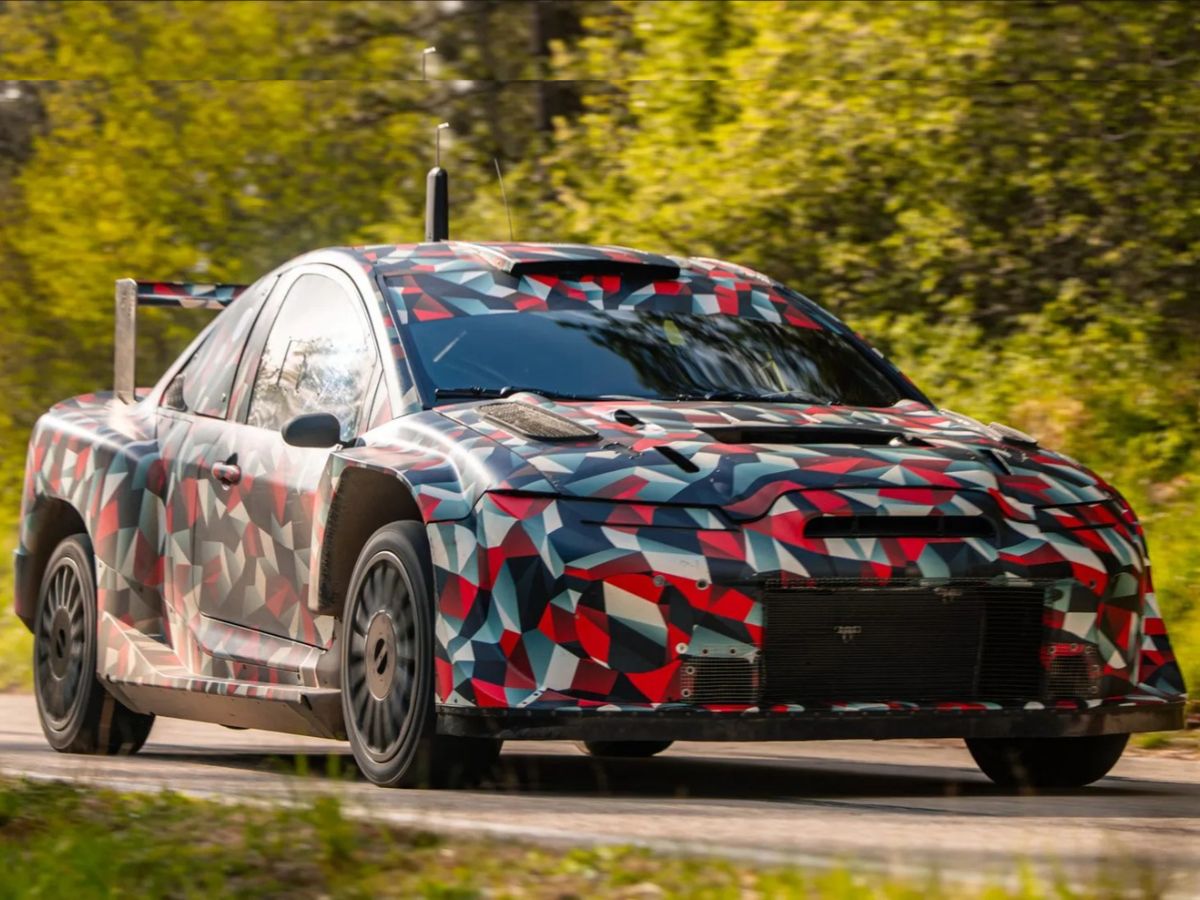
There are sports cars that become legends because of their performance, others because of their styling, and a few that manage to earn a place in both the showroom and the history books. The Toyota Celica belongs to the latter group. And after years of absence, its name is finally returning to the world of motorsport.
Toyota has confirmed that the GR Celica Rally1 will compete in the 2027 FIA World Rally Championship (WRC), marking the comeback of one of its most recognisable sports car nameplates. The announcement, made as part of Toyota’s expanded rally programme, is more than just another addition to its competition roster. It brings back a name that carries considerable weight among enthusiasts, particularly those who remember Toyota’s rallying exploits during the 1990s.
But why does this matter so much?
For starters, the Celica is not simply another discontinued model being revived to cash in on nostalgia. It has a motorsport history that helped establish Toyota as a serious contender in international rallying.
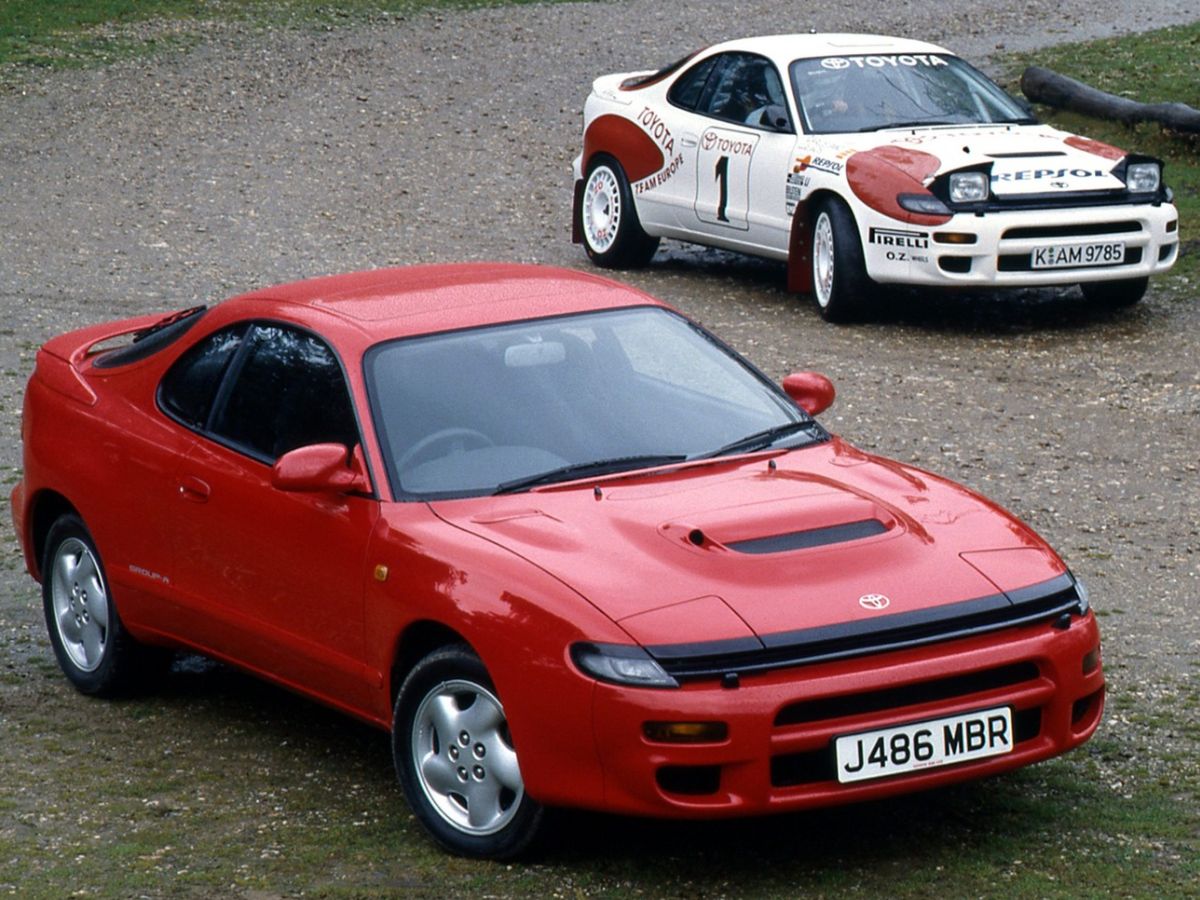
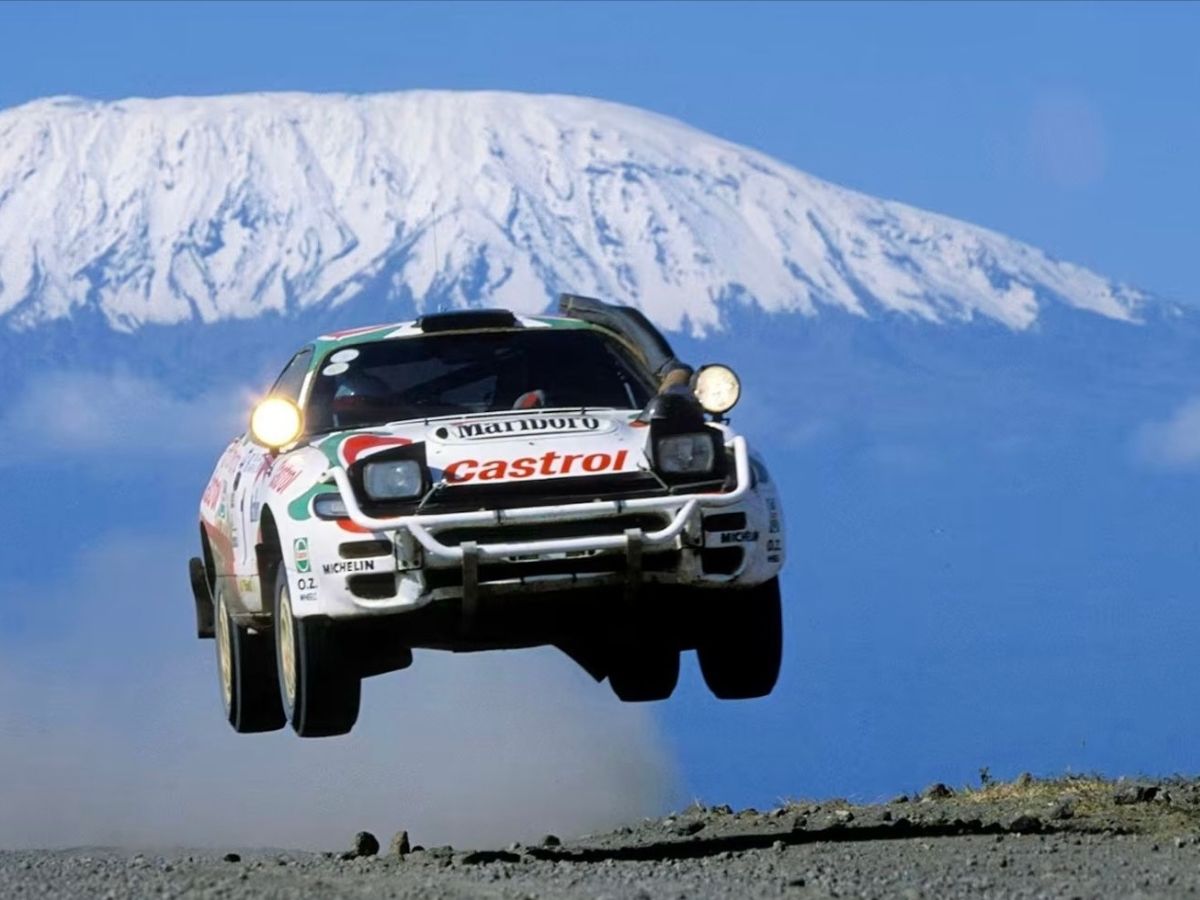
The Celica GT-Four, in particular, became synonymous with Toyota’s success in the WRC. Its combination of turbocharged power and all-wheel drive made it a formidable machine on demanding rally stages. More importantly, it helped deliver four drivers’ championships for Toyota: Carlos Sainz in 1990 and 1992, Juha Kankkunen in 1993, and Didier Auriol in 1994.
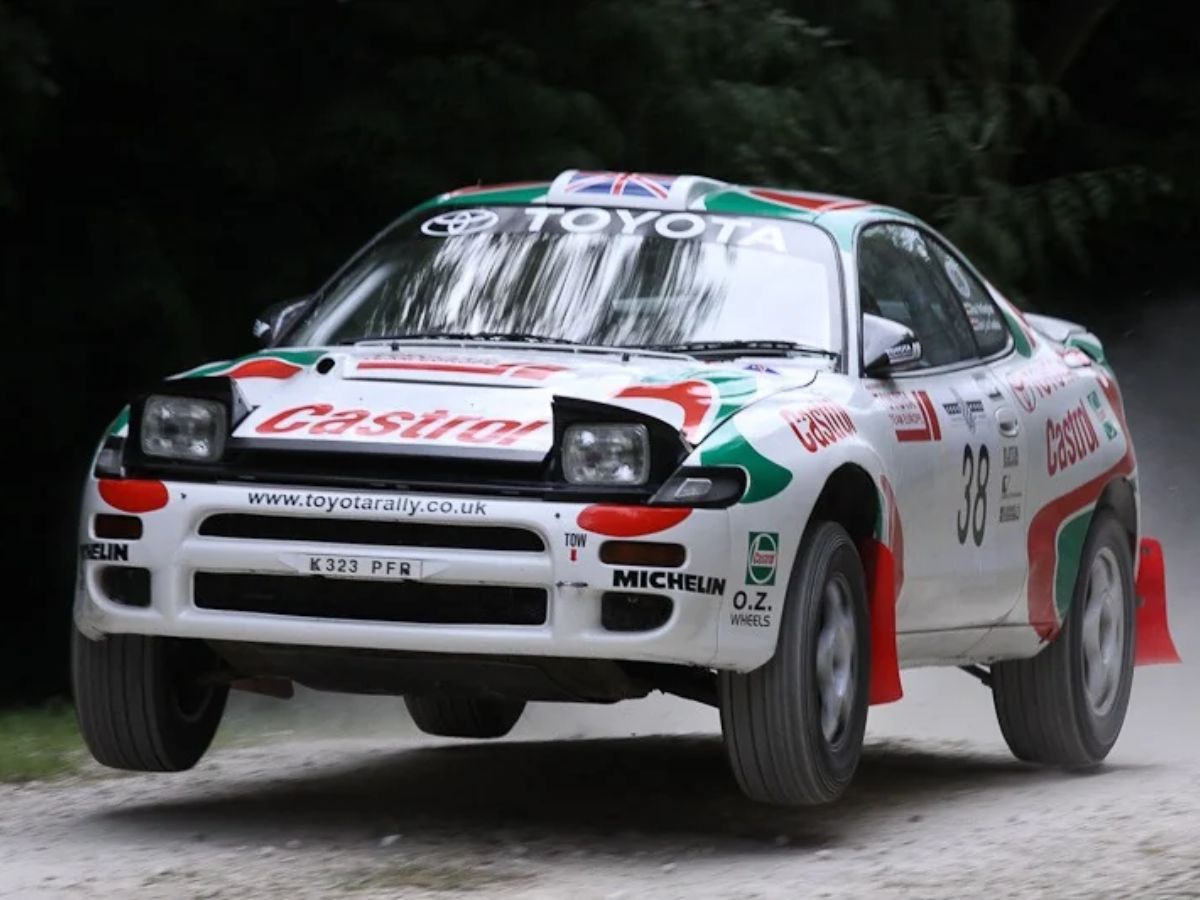
Those achievements gave the Celica an identity that extended well beyond its role as a stylish Japanese coupe. It was a road car with genuine competition credentials, something that has become increasingly rare in today’s automotive landscape.
That is what makes its return particularly interesting. Toyota is bringing the Celica name back to the very environment that helped build its reputation in the first place.
The timing is also significant. Toyota is preparing for a new chapter in the WRC, with revised technical regulations coming into effect in 2027. Rather than relying on a single factory entry, the manufacturer will field two separate teams with two different cars. The GR Celica Rally1 will represent Toyota Racing, while the new GR Yaris Rally1 will compete under Gazoo Racing TOYOTA.
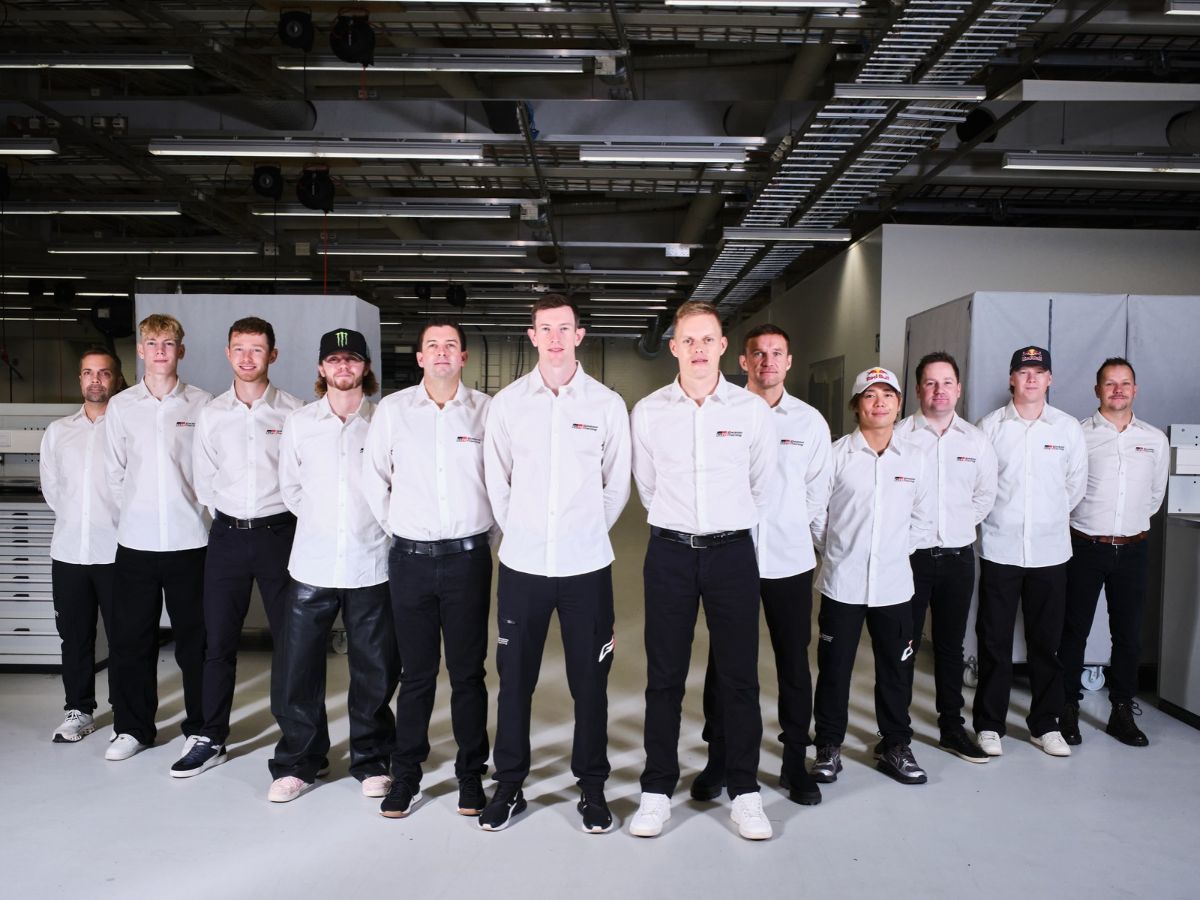
The Celica will have a particularly interesting group of drivers behind it. Elfyn Evans, fresh from securing the 2026 drivers’ championship, will lead the effort alongside Oliver Solberg and Sami Pajari. It is a line-up that combines experience with younger drivers who have already demonstrated their ability to fight at the front.
Gazoo Racing+1.
There is, however, one important detail that enthusiasts should keep in mind: the rally car’s return does not automatically mean a new Celica is coming to Toyota dealerships.
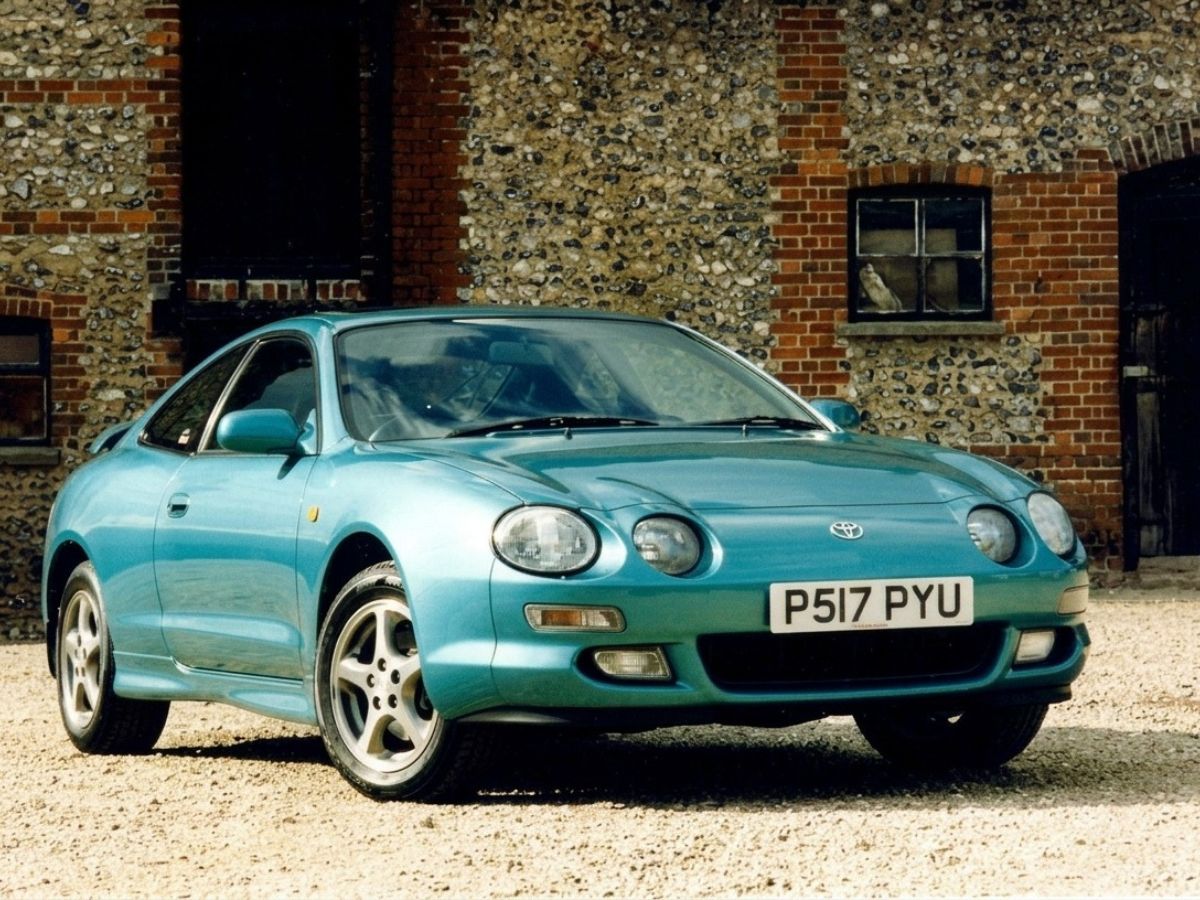
The 2027 WRC regulations allow manufacturers to develop competition cars without necessarily producing an equivalent road-going model (homoligation). In other words, the GR Celica Rally1 can exist as a purpose-built rally machine without Toyota having to offer a showroom version. The company has yet to officially confirm a production Celica, much less provide details about its engine, drivetrain, design or launch schedule.
Autoblog+1
That might disappoint those already imagining a new turbocharged, all-wheel-drive coupe, but it does not diminish the importance of the announcement. In fact, there is a bigger story here.
At a time when much of the industry is concentrating on crossovers, electrification and digital driving experiences, Toyota continues to give attention to cars built around driving enjoyment. The GR86 and GR Yaris have already demonstrated that the company is willing to keep enthusiast-oriented models in its portfolio. The return of the Celica adds another layer to that commitment.
It also gives Toyota an opportunity to reconnect its present-day performance ambitions with a name that older enthusiasts grew up admiring. For younger fans, meanwhile, the GR Celica could become their introduction to a car they might previously have known only through old rally footage, video games and stories from an earlier generation.
And that is the most interesting part of this comeback. The Celica does not need to immediately become a production car to make an impact. Its presence on the world’s most demanding rally stages is already enough to get people talking about Toyota’s sporting heritage again.
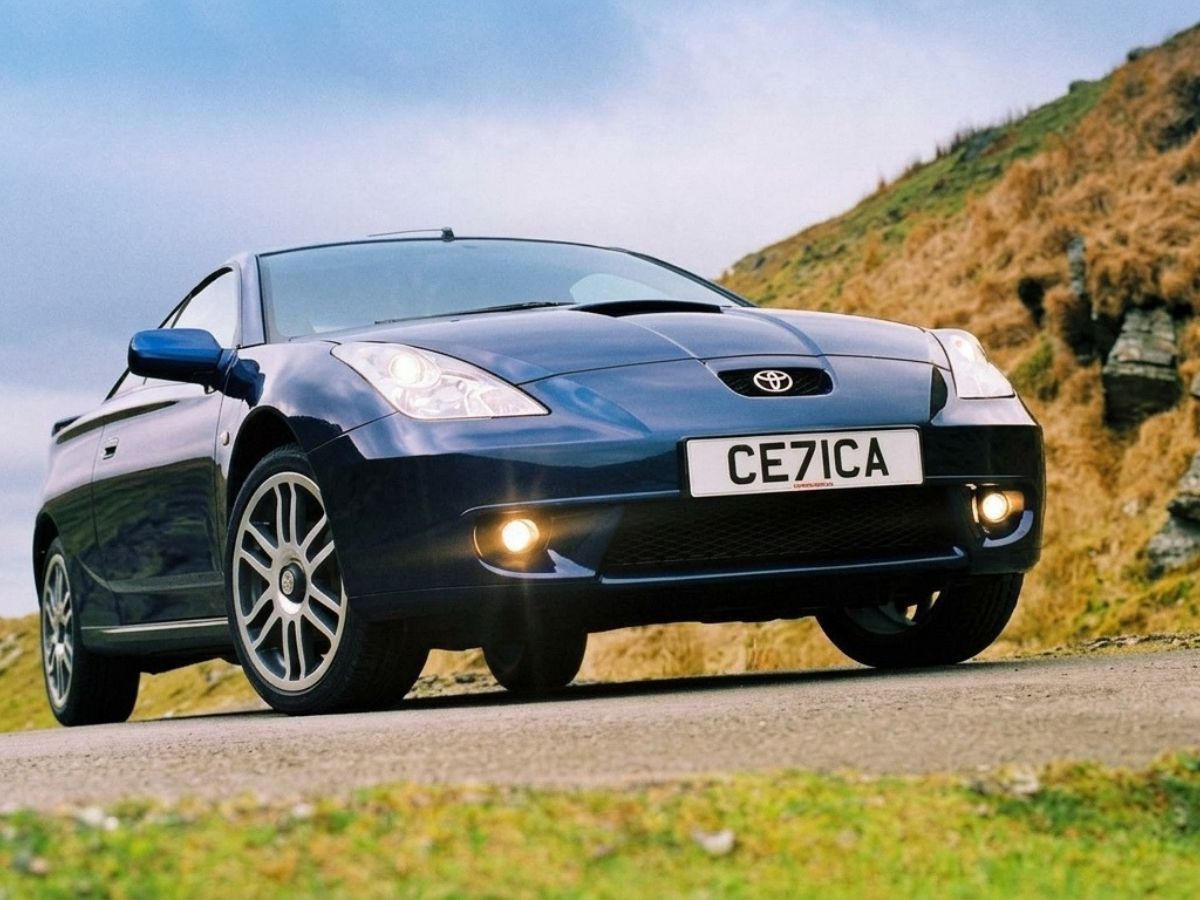
Of course, we would love to see that competition machine eventually inspire a road-going coupe. A modern Celica with proper performance credentials would certainly give enthusiasts something to get excited about, particularly in a market where affordable, driver-focused sports cars are becoming harder to find.
For now, though, the Celica is coming home to rallying. And considering how much of its identity was built on gravel roads, muddy stages and four world championship-winning campaigns, there could hardly be a more fitting place to begin its second act.
The question now is not whether the Celica name still means something. Toyota has already answered that. The bigger question is whether this rally comeback is just the beginning of something much more exciting.