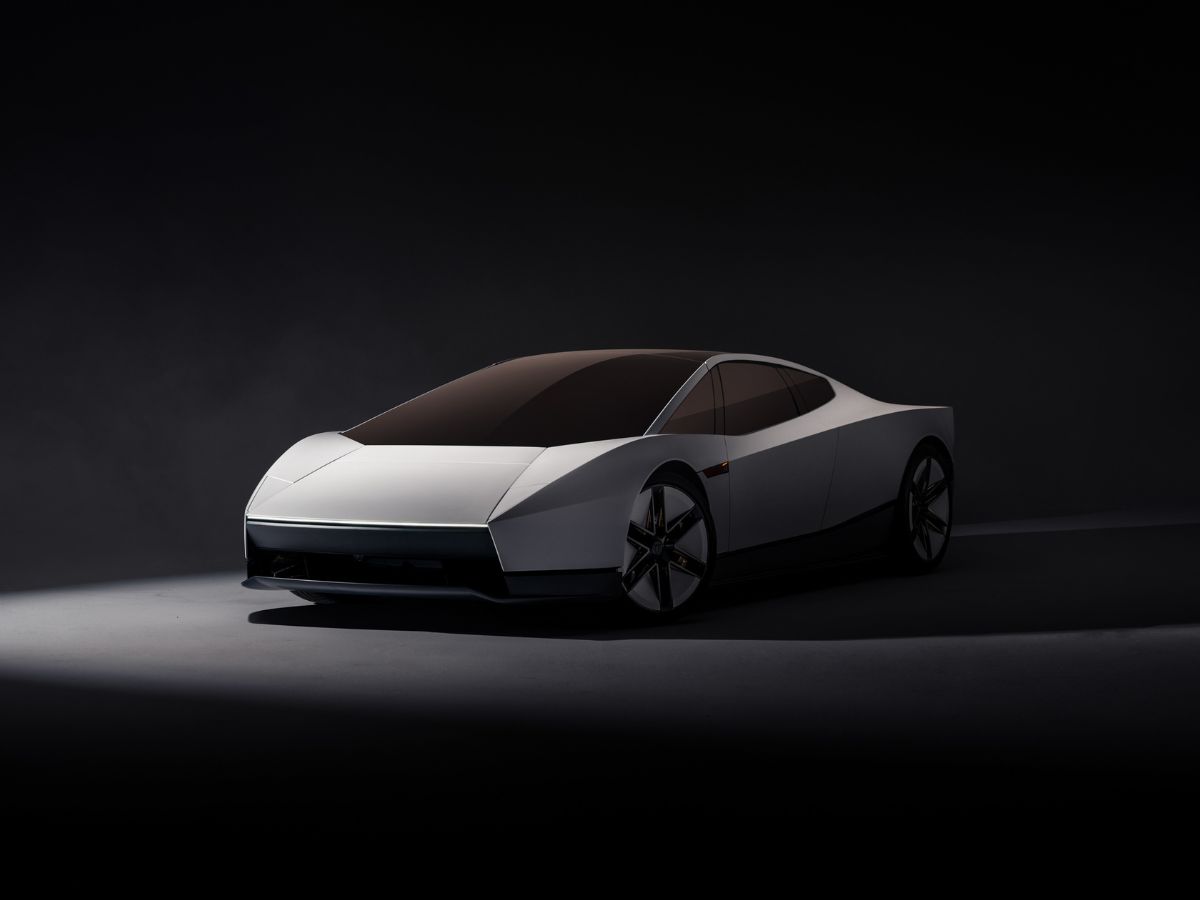
Tesla has never been shy about setting ambitious performance targets, and its next-generation Roadster is shaping up to be another example. The electric sports car is now being lined up for a potential top speed of 330 mph (531 km/h), a figure that would put it beyond the current production-car speed record if Tesla can deliver on the promise.
The target was discussed by Tesla Chief Designer Franz von Holzhausen and Vice President of Vehicle Engineering Lars Moravy, as reported by American media outlet Autoblog. The proposed speed would represent a significant leap over the Roadster’s previously stated top speed of 214 mph (345 km/h).
That is a substantial jump, even for an electric car built around extreme performance.
Power is only part of the equation
The Roadster’s performance variant has been associated with output figures of up to 1,350 hp and 1,033 Nm of torque. Tesla has also cited a driving range of up to 320 miles (515 km) per charge, although several technical details, including battery capacity, remain undisclosed.
Charging is another part of the package. Reported figures suggest the car could charge from 10% to 80% in less than 15 minutes using a 500-KW charging system. Those figures, however, still need to be considered alongside the final production specifications.
Getting the Roadster to 531 km/h will require more than impressive acceleration. At those speeds, aerodynamic drag, tire capability, high-speed stability, thermal management and power delivery become critical engineering challenges. Simply adding horsepower will not automatically make a car capable of sustaining such speeds safely.
A record-breaking rival already exists
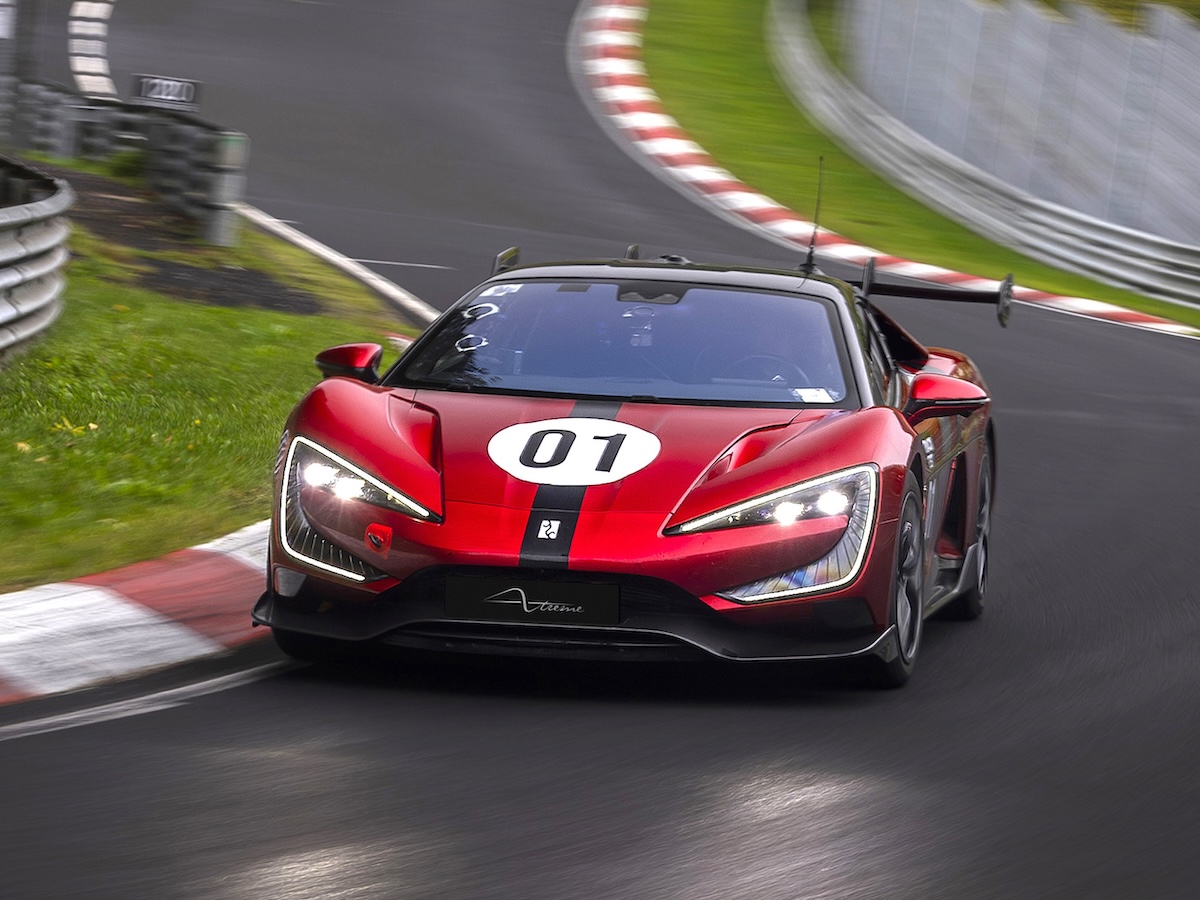
Tesla would also have serious competition. The Yangwang U9 Xtreme, an electric hypercar from BYD’s luxury performance brand, has recorded a top speed of 308.4 mph (496.2 km/h) at the ATP Automotive Testing Papenburg facility in Germany.
Its reported output of around 3,000 horsepower illustrates the scale of engineering involved in pushing a production-based car toward the 300-mph barrier. If Tesla wants to reach 531 km/h, it may need to revisit the Roadster’s power output and other performance parameters.
Tesla has yet to demonstrate that a production-spec Roadster can reach the proposed speed, and the company has not fully explained how it intends to achieve it.
For now, the 531 km/h figure is an ambitious goal rather than a confirmed achievement. The Roadster has already attracted attention for its extraordinary performance claims, but delivering a finished car that meets those expectations will be the real test.
Should Tesla pull it off, the Roadster could become one of the most significant electric performance cars yet. Until then, the speed record remains a challenge to conquer, not a title already won.
Autocar’s Take
Tesla’s 531 kh/m Roadster target makes for an exciting headline, but I would rather see the company deliver the car before celebrating another performance milestone. Speed records are impressive, yet they demand more than big horsepower figures and ambitious promises. The Yangwang U9 Xtreme has already shown just how much engineering it takes to cross the 300-mph barrier.
Tesla now has a serious benchmark to beat. For enthusiasts, the next Roadster could be a landmark electric sports car. Still, the real achievement will be turning those eye-catching numbers into a production vehicle that customers can actually drive.