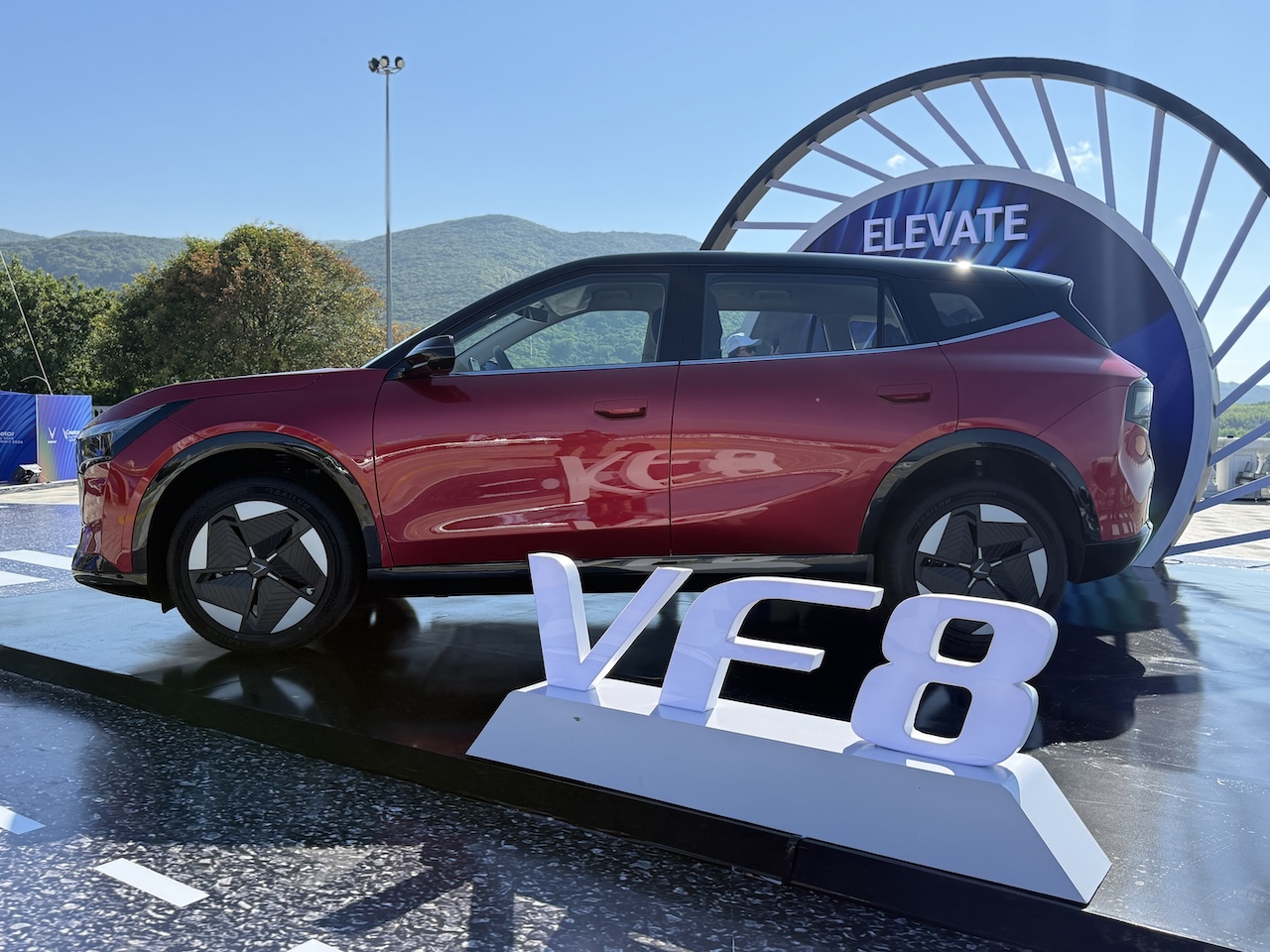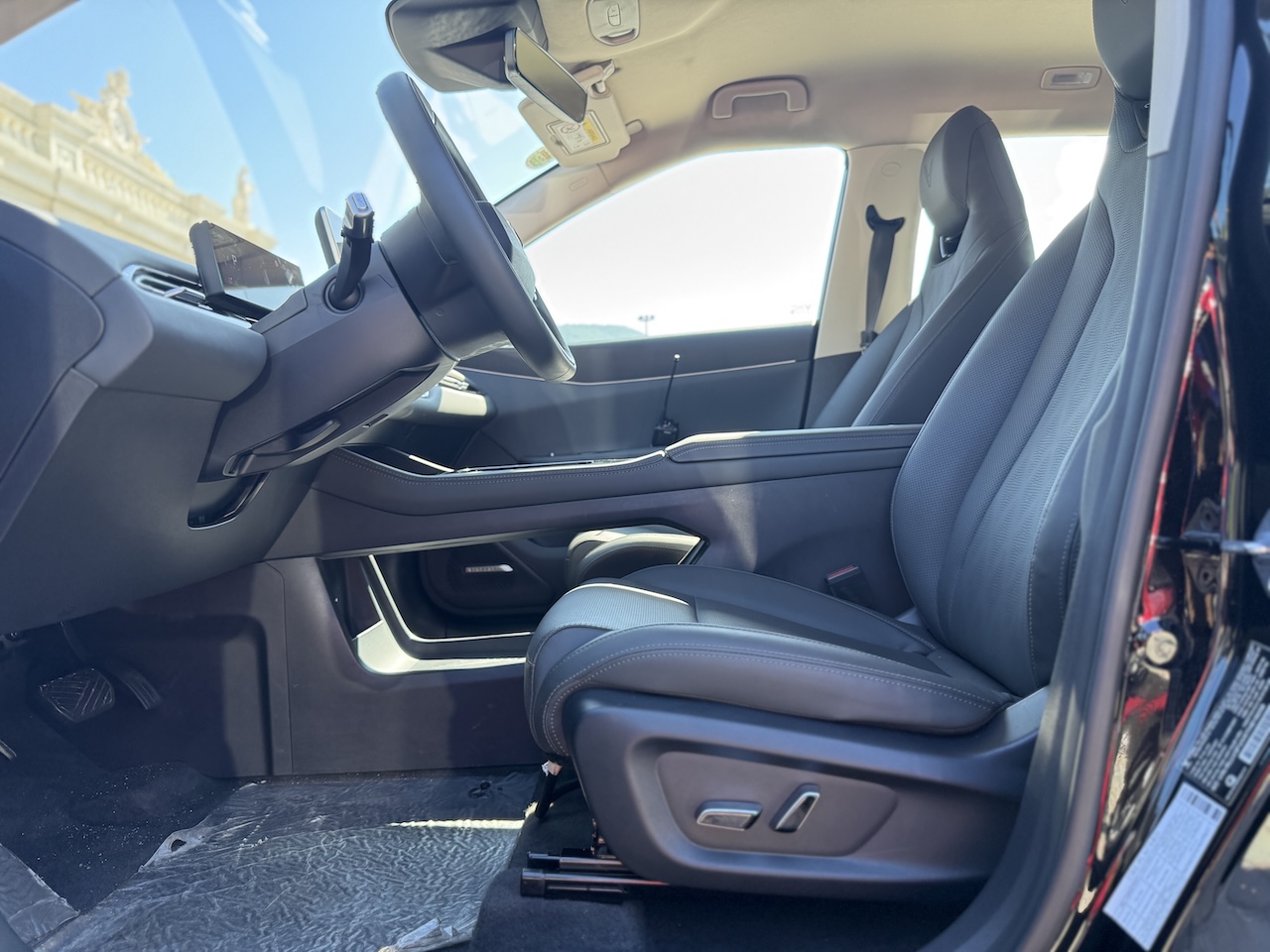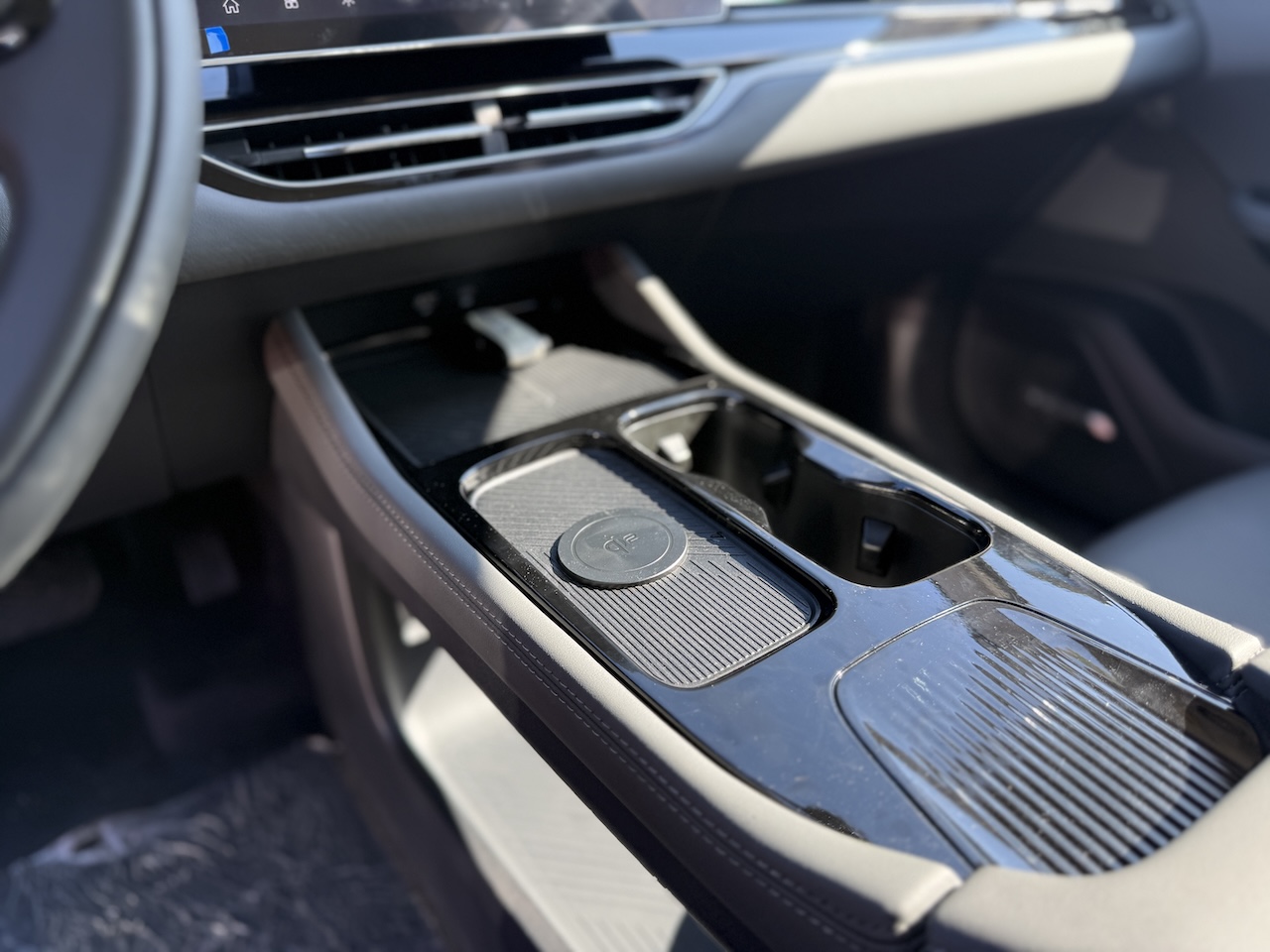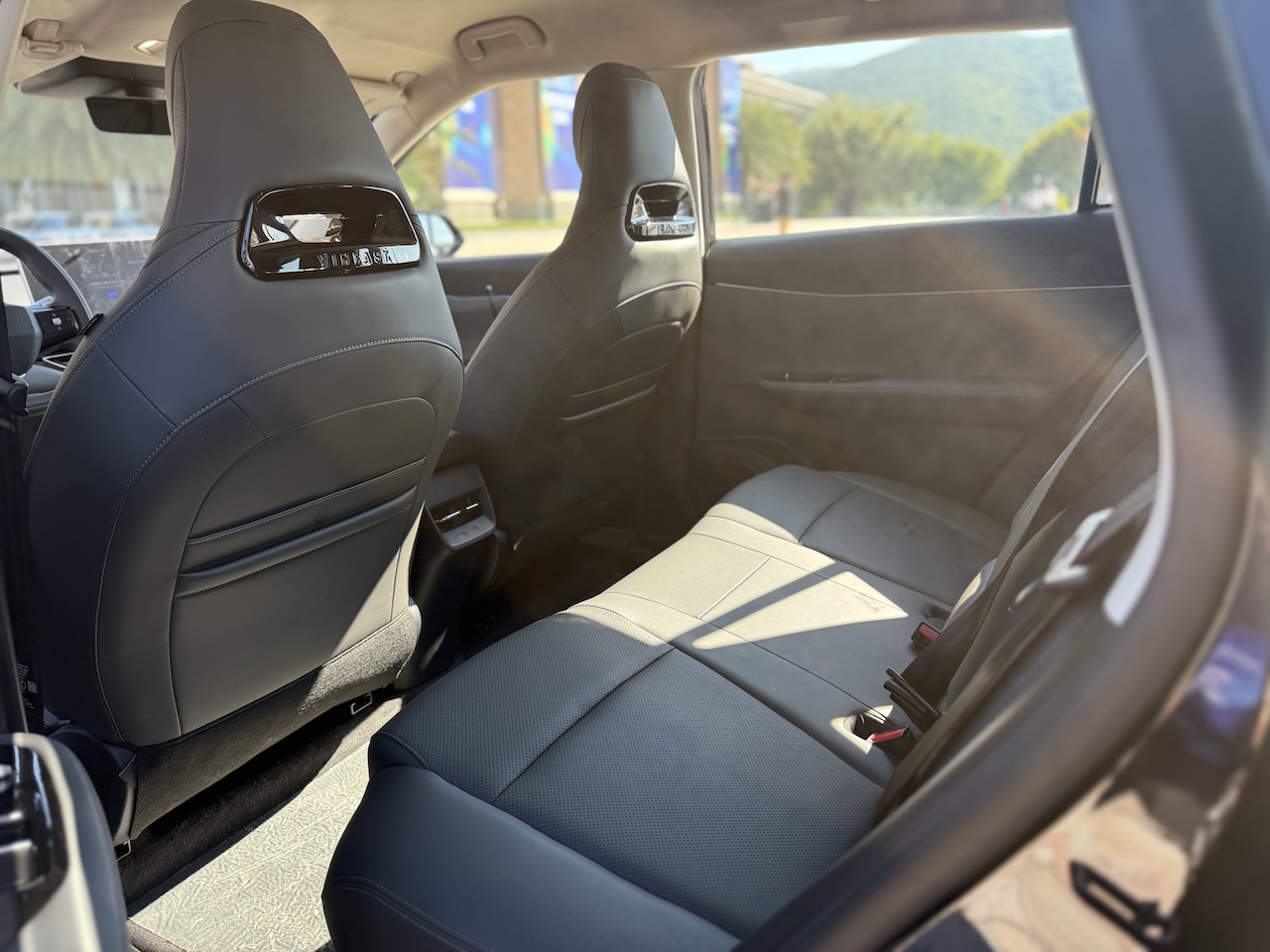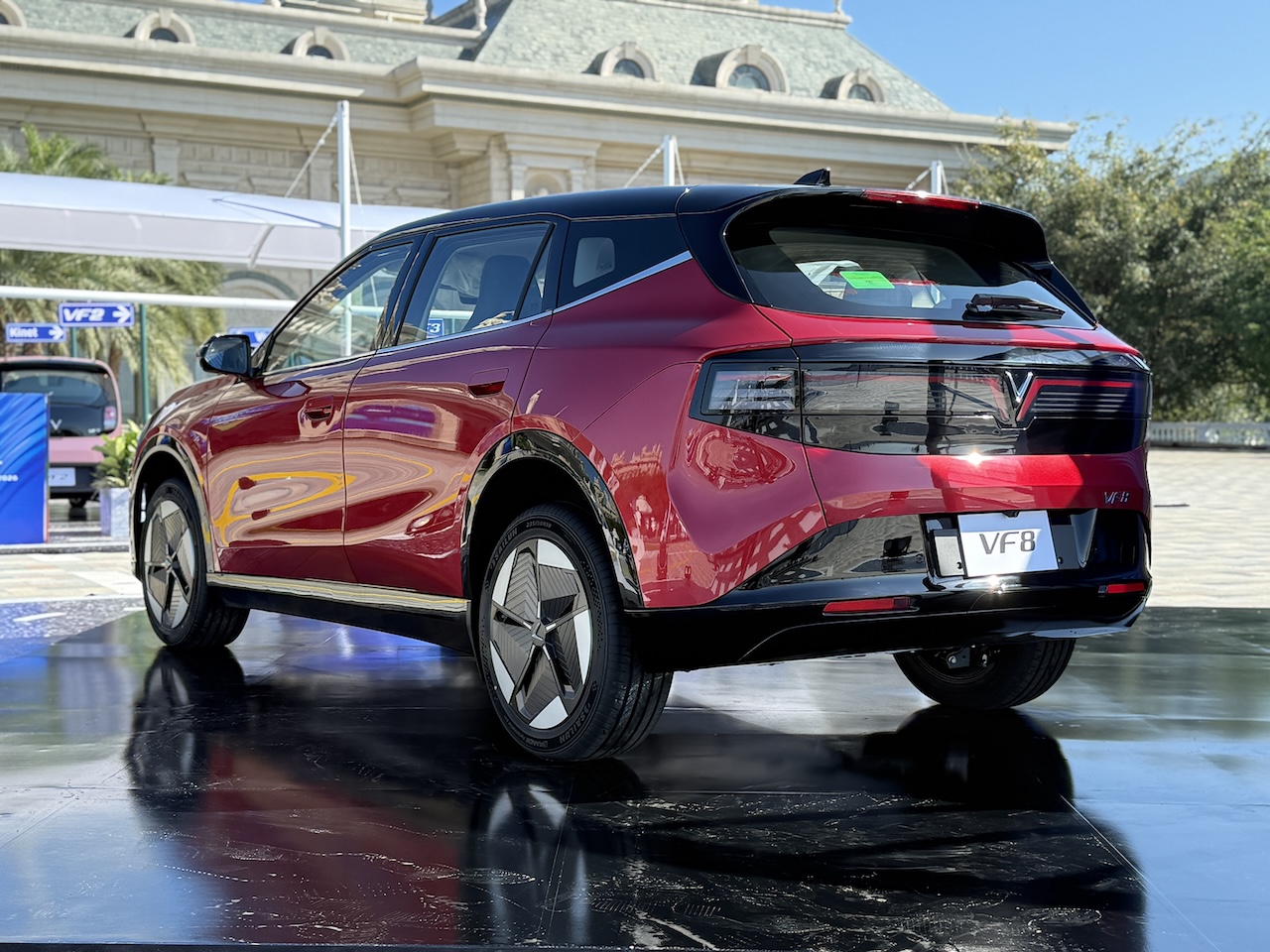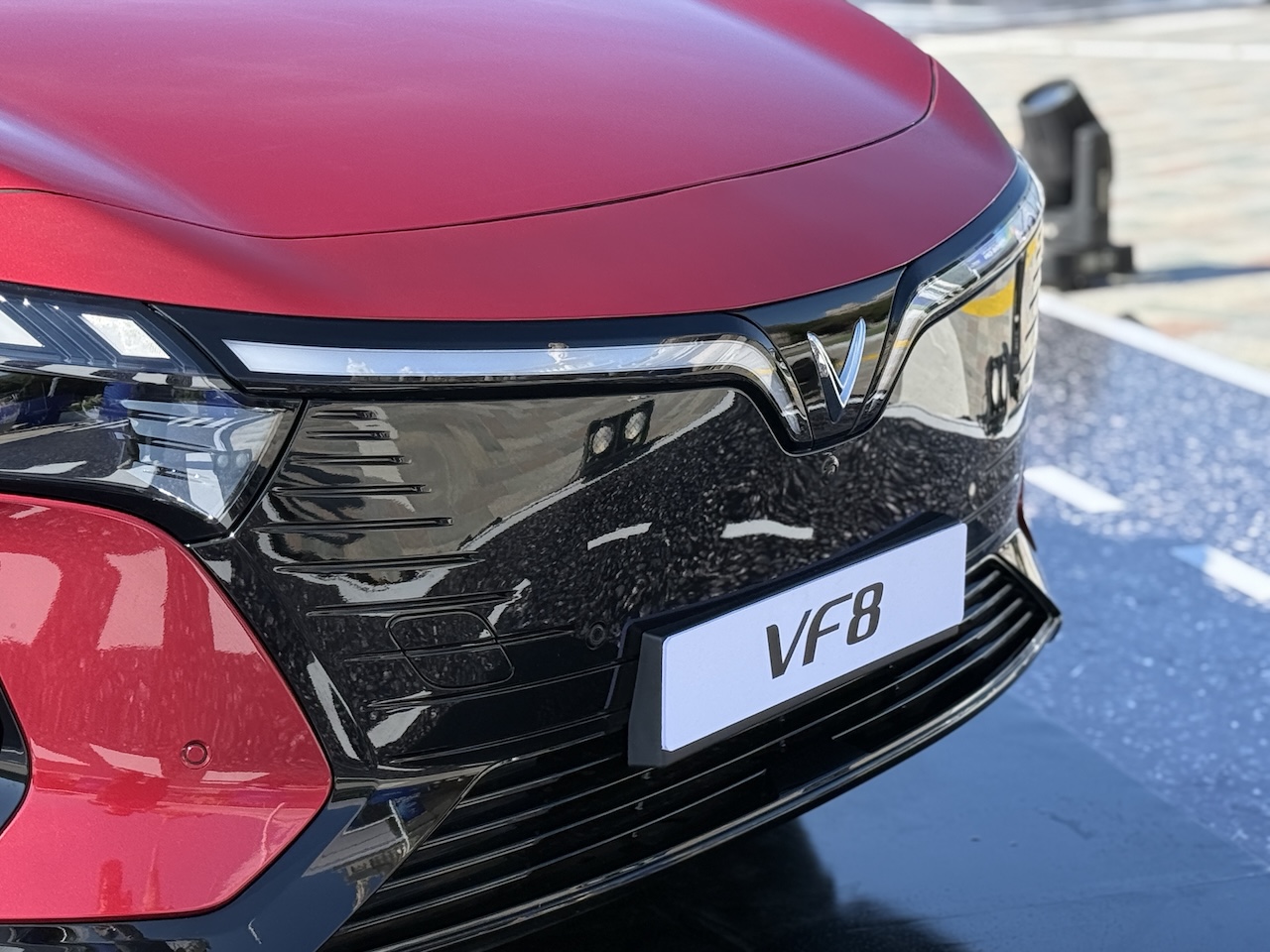
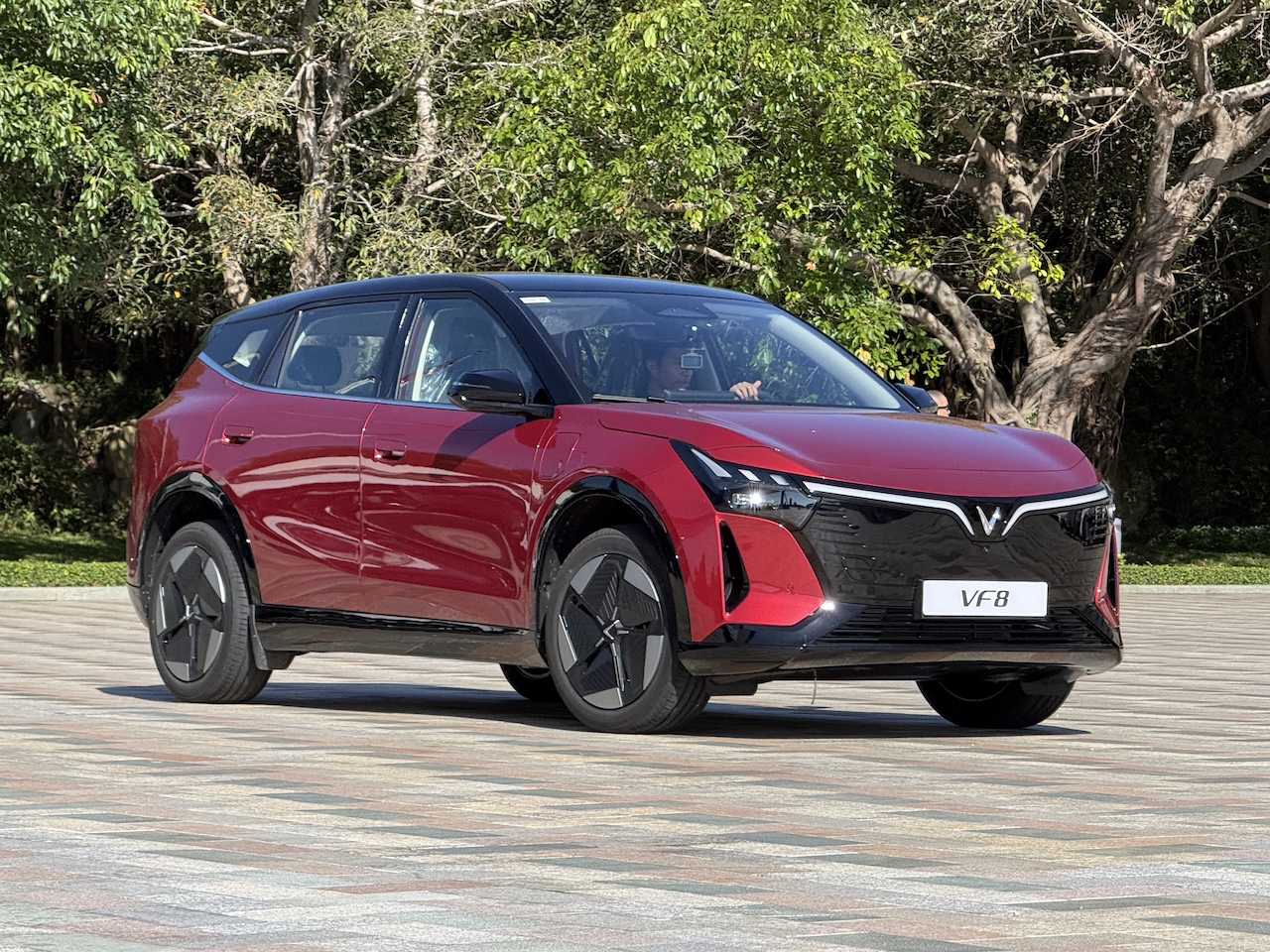
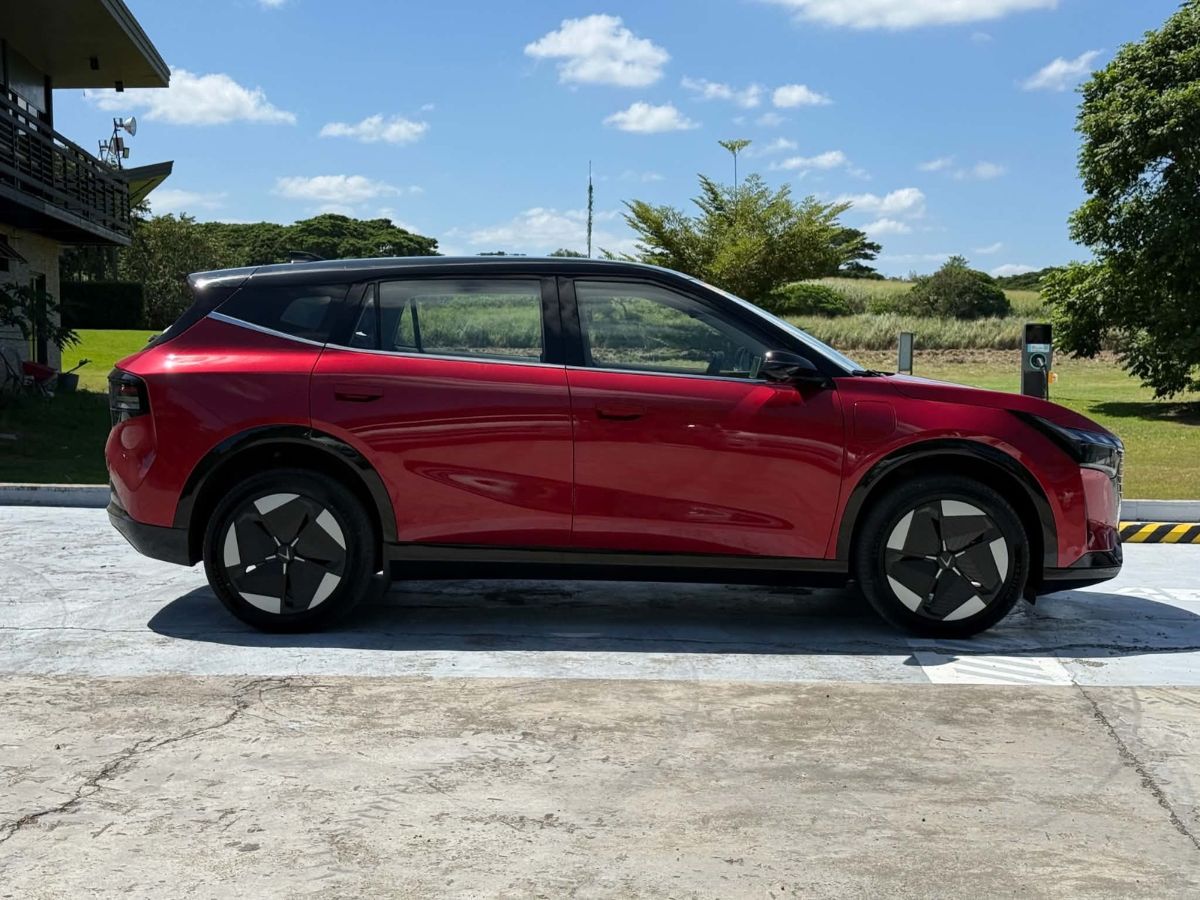
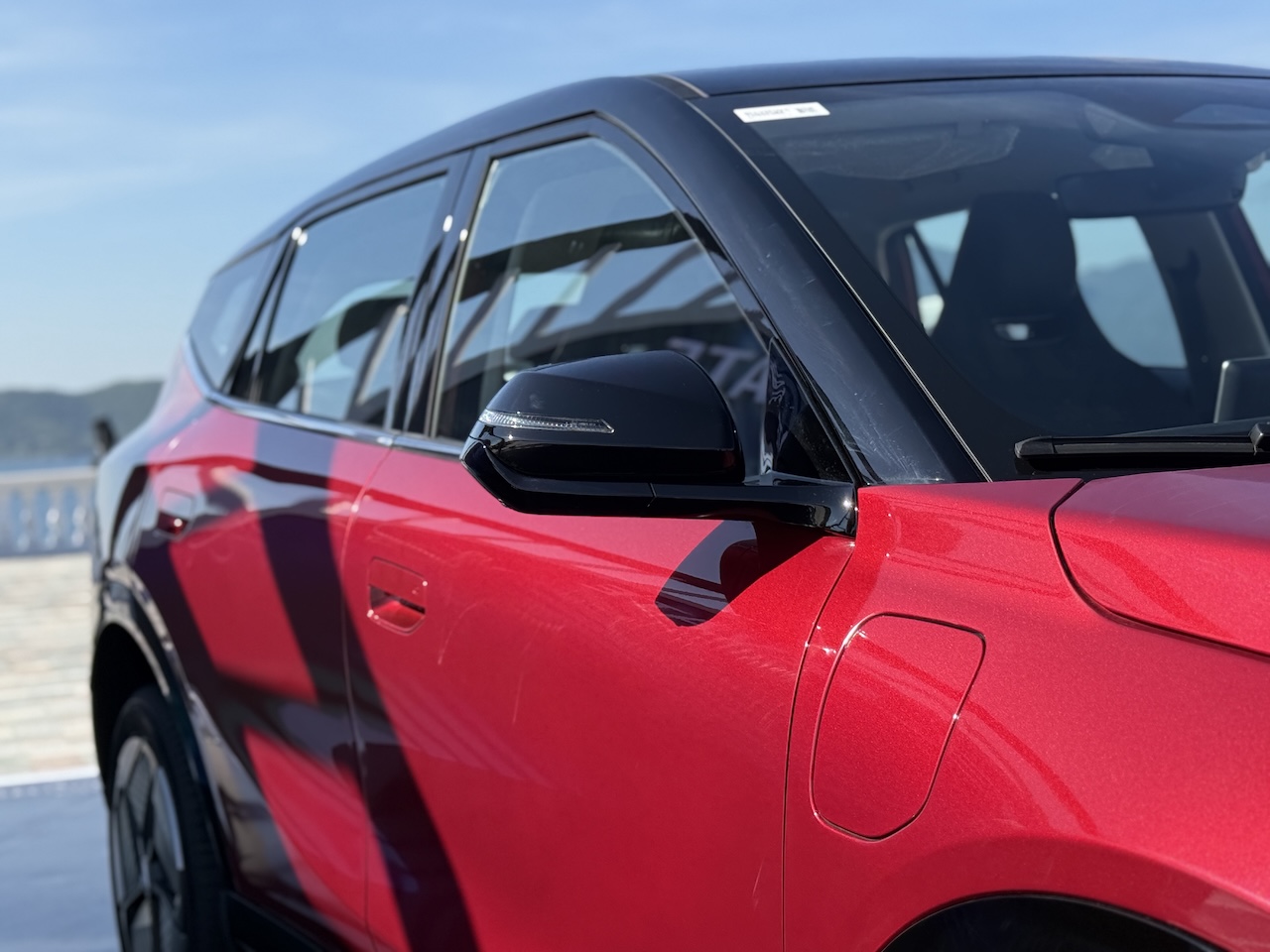
The impending arrival of the VinFast VF 8 in Manila is an important development for the Vietnamese automaker’s Philippine ambitions. But after attending the recent V-Creator Summit at Vinpearl Island in Vietnam, I would argue that the more interesting story about VinFast is not necessarily the electric vehicles it intends to sell, but the technology it believes will define the next generation of automobiles.
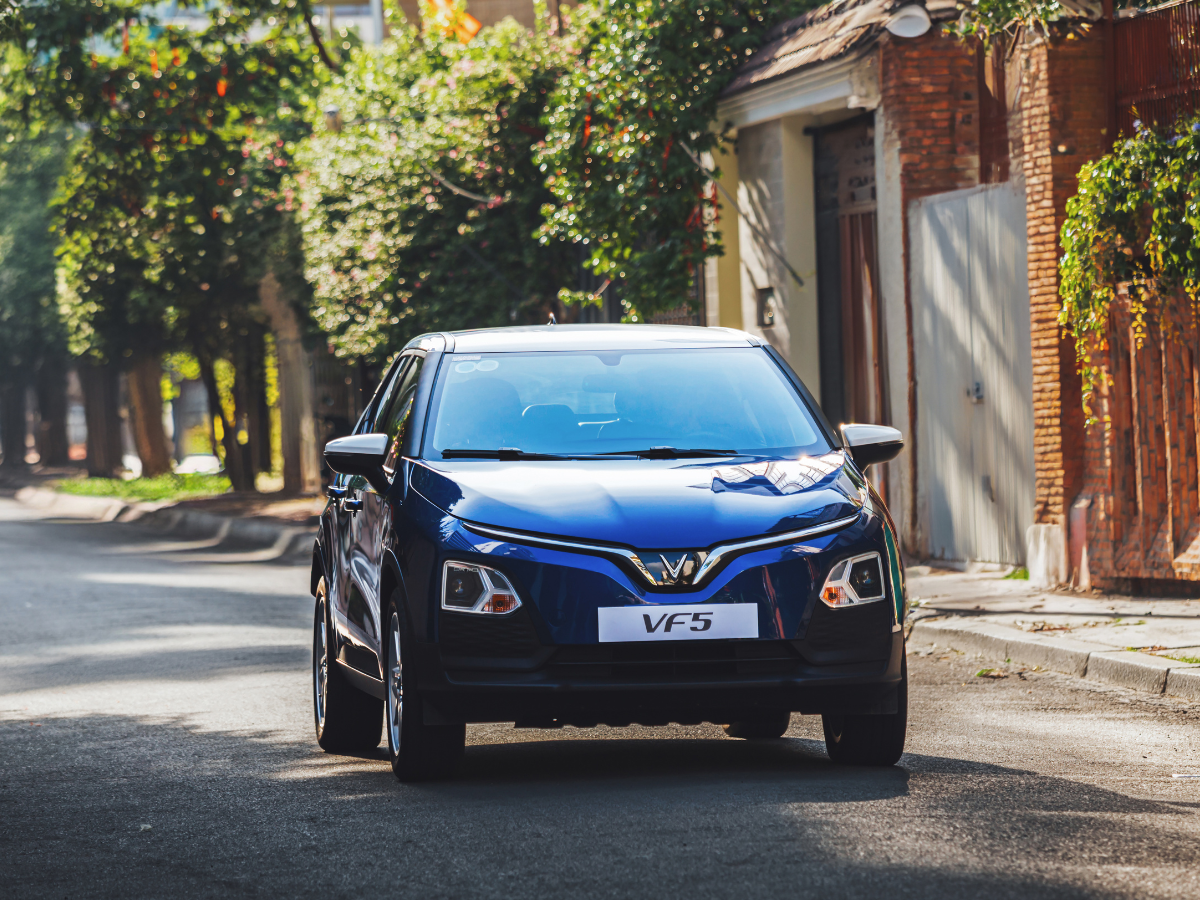
The VF 8 will have its work cut out for it. The Philippine electric vehicle market is becoming increasingly competitive, with Chinese manufacturers aggressively expanding their presence and established Japanese and Korean brands strengthening their electrification strategies. Entering this environment with a premium electric SUV requires more than attractive styling and impressive specifications. It requires a compelling technology proposition and, more importantly, consumer confidence.
VinFast appears to understand this.
The VF 8 represents another step in the company’s effort to establish itself as a credible international automotive brand. Its combination of contemporary styling, electric performance and technology content positions it in a segment where buyers increasingly expect their vehicles to be intelligent, connected and safe.
That last requirement brings us to the central theme of the V-Creator Summit: artificial intelligence.
AI dominated much of the discussion at Vinpearl Island, reflecting an industry-wide realization that the next major automotive transformation will not be defined by electrification alone. The integration of intelligent software into vehicles could eventually have a far greater impact on how we drive, how vehicles communicate and how road safety is managed.
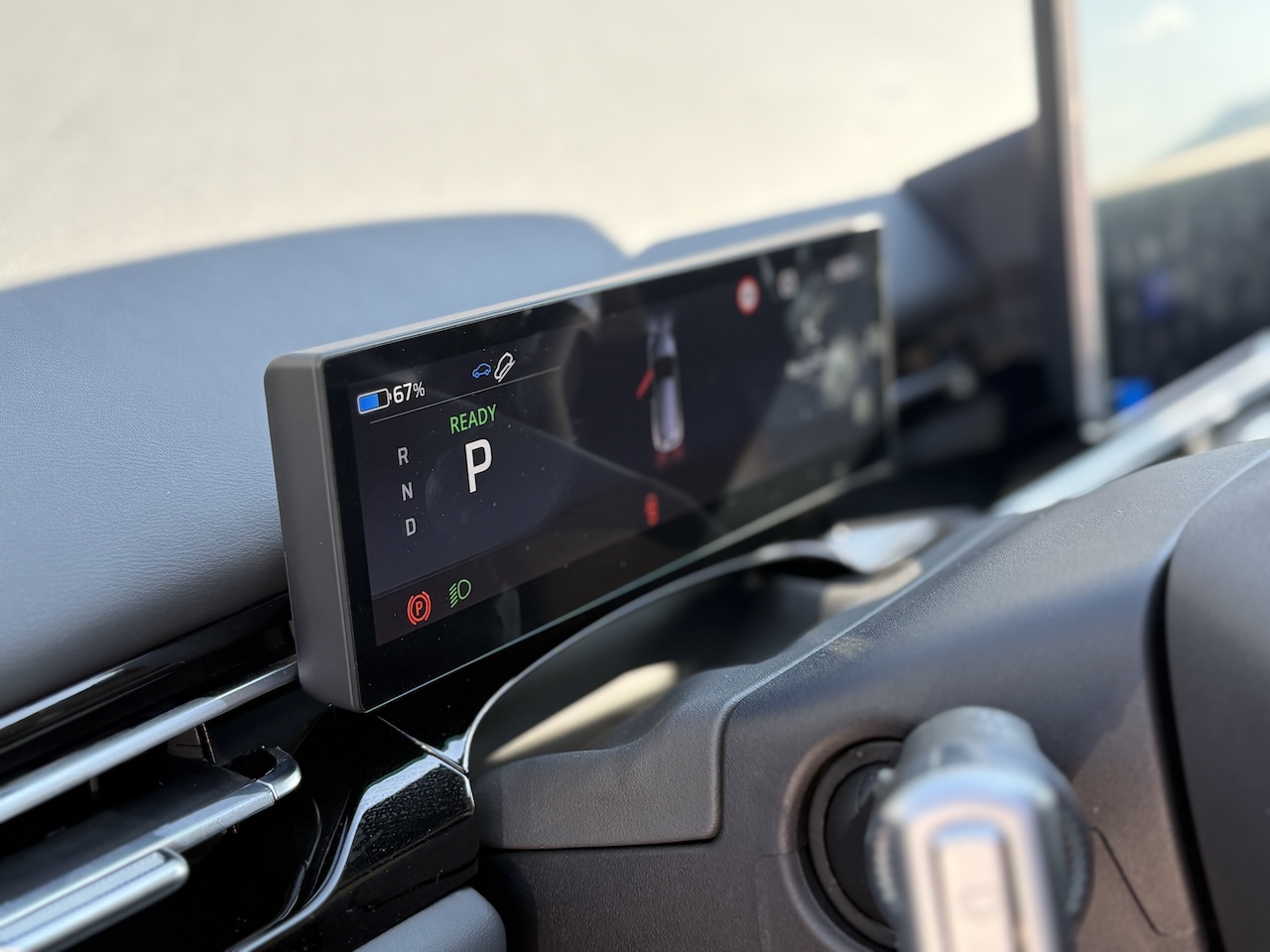
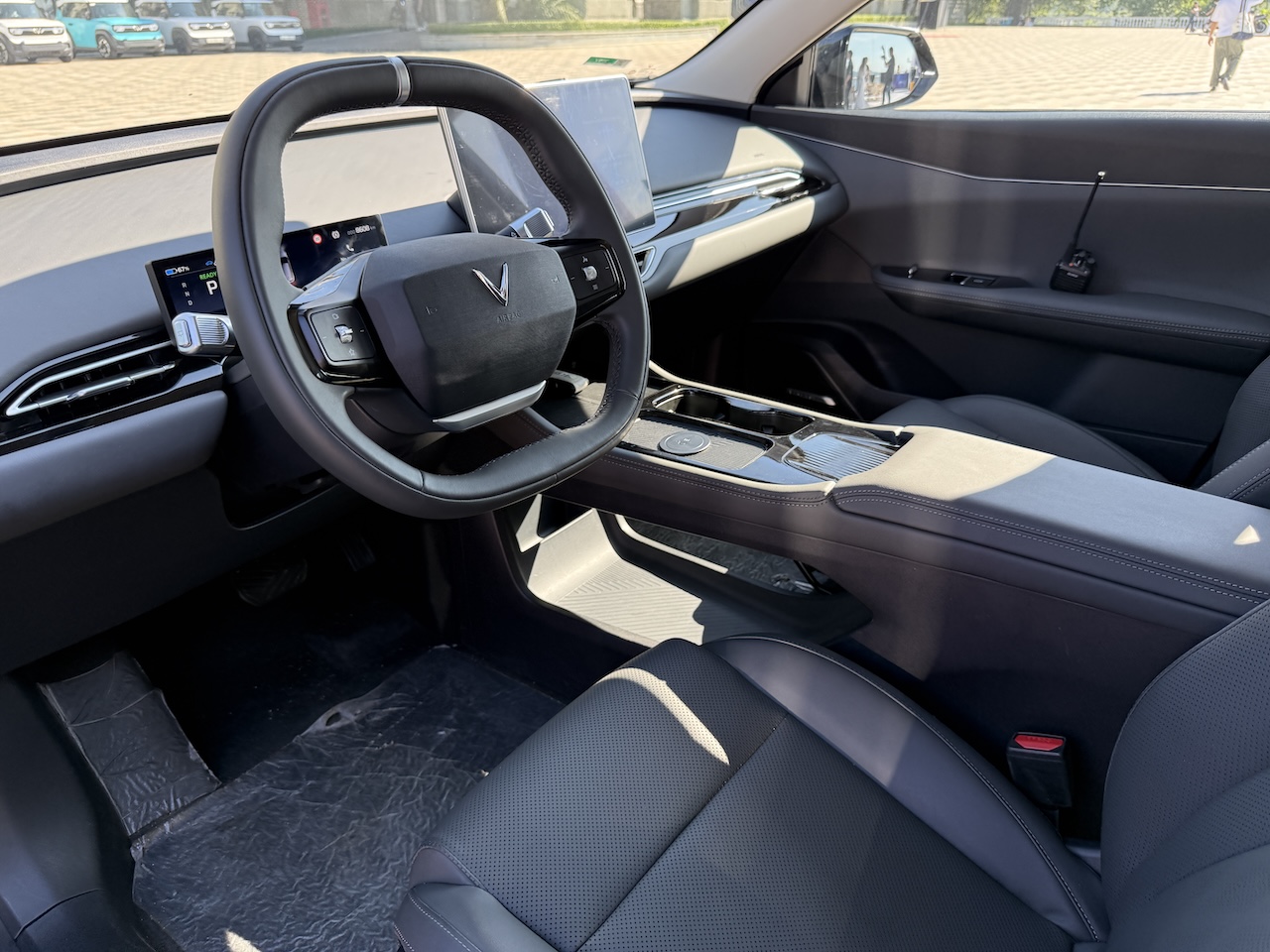
Consider the possibilities. AI-powered systems can process information from cameras, radar and other sensors, identify potential hazards, interpret traffic conditions and assist drivers in making better decisions. With further development, these technologies could become essential building blocks of autonomous driving.
The objective should be straightforward: reduce human error and make transportation safer.
Interestingly, VinFast gave this discussion a physical dimension by incorporating robots into its summit presentations and activities. It was a familiar sight for anyone who has followed the major automotive launches in China.
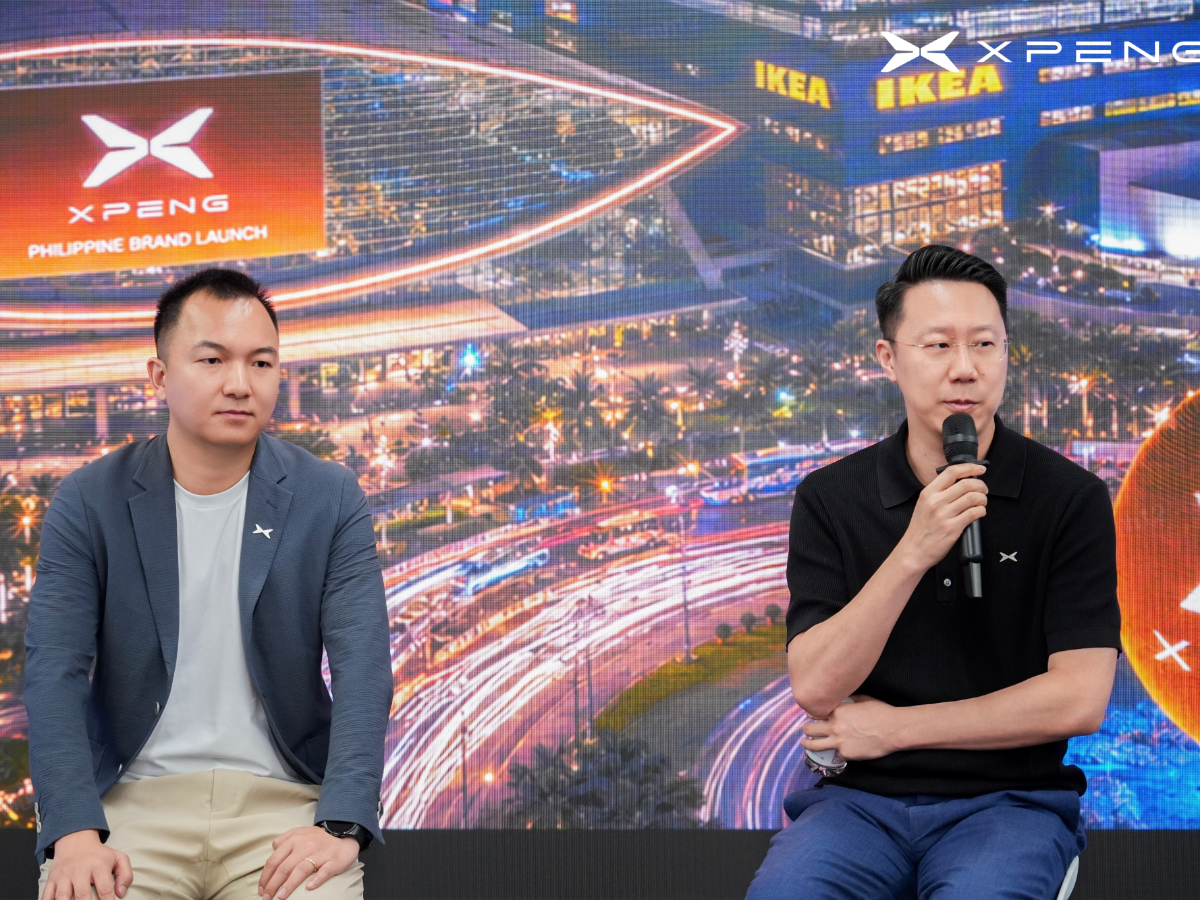
Manufacturers such as XPeng, Chery and Geely have increasingly featured humanoid robots and intelligent machines in their presentations. These demonstrations reflect a broader ambition to position automotive companies as technology developers working across artificial intelligence, robotics, automation and autonomous mobility.
Vietnam, through VinFast, is clearly embracing the same direction.
There is, however, a distinction between putting robots onstage and delivering commercially viable intelligent vehicles. The real measure of technological progress will be how effectively these innovations translate into safer, more dependable and more convenient transportation.
This is particularly important in the Philippines. Our traffic conditions, inconsistent road infrastructure and varying driving behavior present challenges that cannot simply be solved by installing sophisticated software in an automobile.
VinFast must therefore complement its technological ambitions with dependable products, competitive positioning, accessible charging solutions and a credible after-sales network. The VF 8’s success in Manila will depend as much on the ownership experience as on its technological credentials.
The V-Creator Summit nevertheless demonstrated that VinFast is thinking beyond the conventional boundaries of automobile manufacturing.
The competition is no longer simply about who can build the best electric vehicle. It is increasingly about who can develop the smartest, safest and most capable mobility ecosystem.
The VF 8 will be our first opportunity to see how much of that ambition VinFast can deliver to Filipino motorists. And that makes its impending Manila arrival worth watching.