

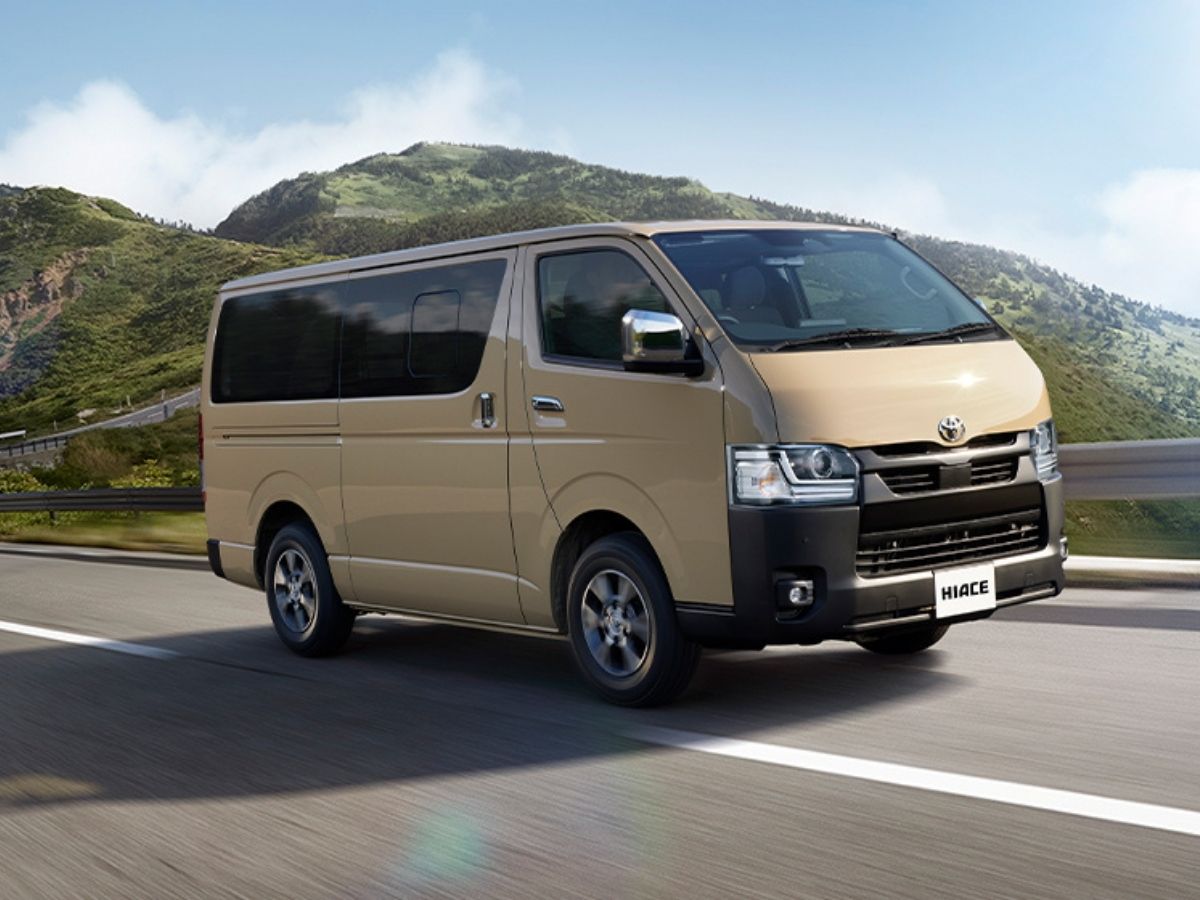
The Toyota Hiace has long been more than just a full-size commercial van. It’s considered by many markets as a cornerstone of transport and business mobility, serving airport shuttles, school transport, logistics, and small businesses that depend on durability over novelty.
In Japan, it’s quite surprising to learn that, despite the Hiace’s current-generation H300 being around for seven years now, Toyota still sells the older model, the one with the engine compartment located just beneath the driver’s seat (cab-over layout). That model, called the Toyota Hiace H200, dates back to 2004, and Toyota has given it a fresh aura, focusing on technology, safety, and comfort for 2026.

Looks may seem largely the same, but not really
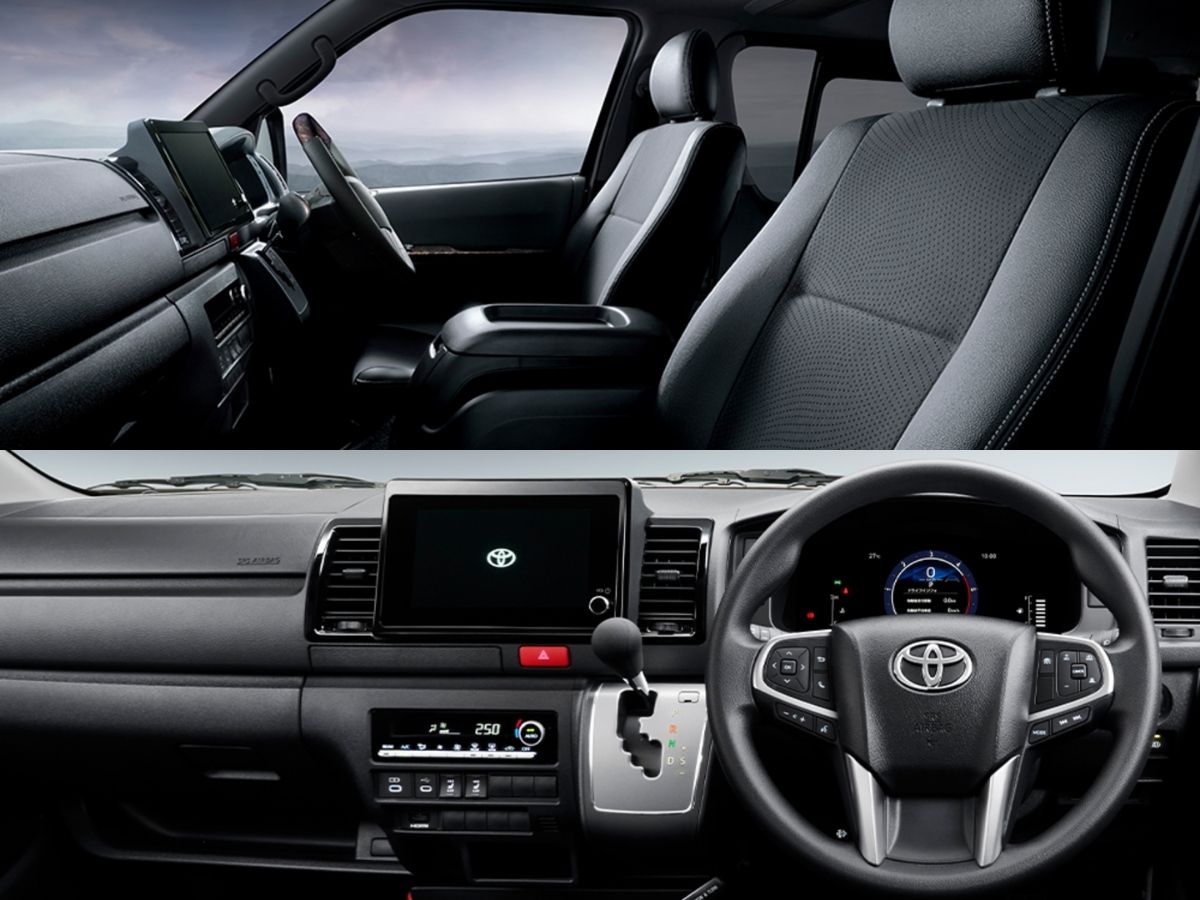
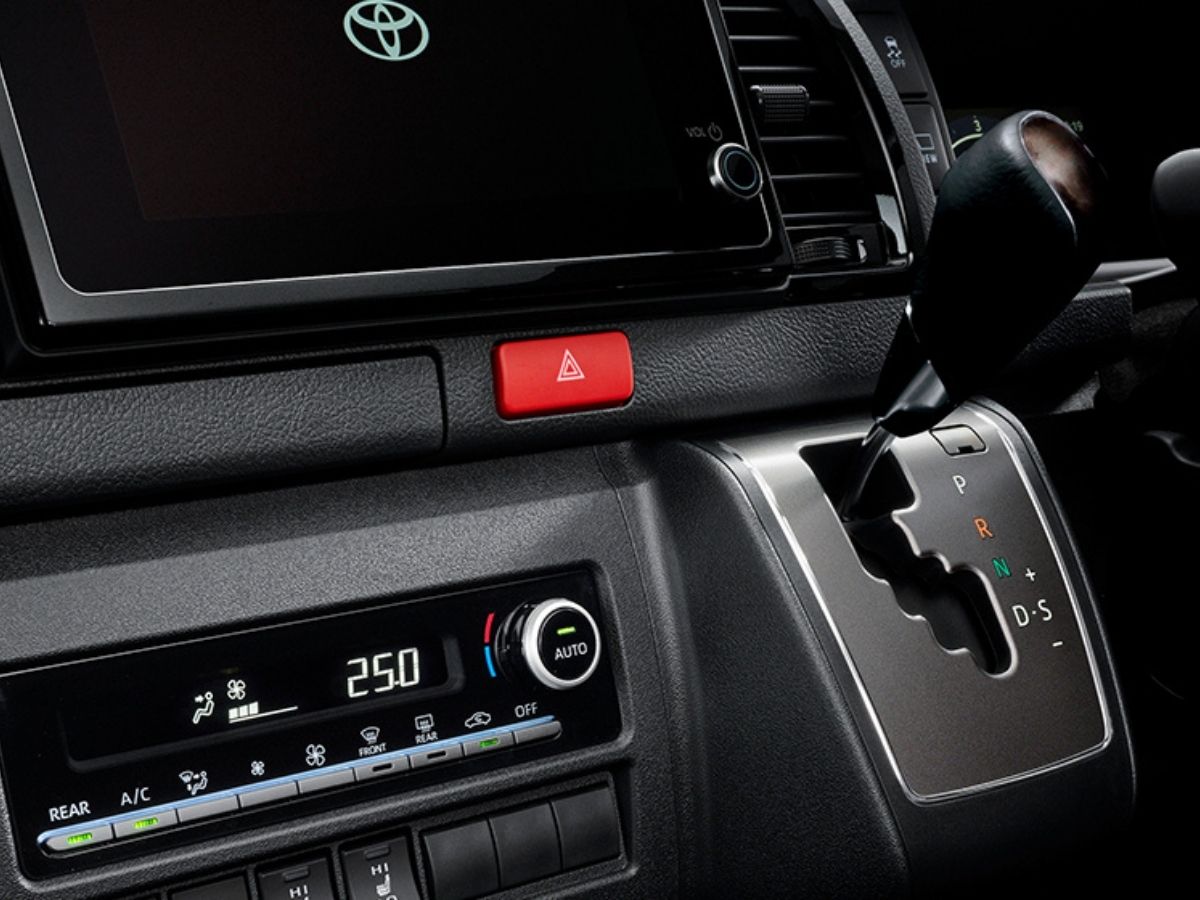
The update includes bi-LED headlights with LED daytime running lights, an 8.0-inch infotainment touchscreen with Apple CarPlay, a 7.0-inch digital instrument cluster, heated front seats, USB-C ports, and a 360-degree camera. In addition, Toyota has also installed a host of advanced safety features such as autonomous emergency braking (AEB) with pedestrian, cyclist, and motorcyclist detection, adaptive cruise control (ACC), lane departure alert (DLA), automatic high beams (AHB), and speed sign recognition.
Mechanically, the updated Toyota HiAce H200 remains unchanged. For the Japanese market, the van is still offered with three powertrain options – a 2.0-liter gasoline engine with 134 hp and 182 Nm of torque, a higher-displacement 2.7-liter gasoline version that delivers 158 hp and 243 Nm, and a turbocharged diesel-fed 2.8-liter powerplant that churns out 149 hp and 300 Nm. All engine choices are paired with a 6-speed automatic transmission and standard rear-wheel drive, with an option to choose 4WD on select gasoline and diesel variants.
The HiAce H200’s cab-over layout provides room for maximum cargo and passenger space while maintaining a compact footprint suitable for narrow Japanese streets. Passenger capacity ranges from 3 to 9 occupants, depending on body configuration. It’s also available in multiple door layouts for cargo and commuter purposes.
So why does Japan keep the old Hiace alive?
With the Toyota Hiace H200 still on active duty in Japan, the most obvious question for many is “why?” There are many factors to address this curiosity, but to us, it all boils down to a few answers that make sense in the Japanese context of things.
First, the Hiace H200 underscores the enduring demand for utility-focused vans in the region. Even as electrification and connected features dominate headlines today, Toyota’s phased improvements, especially in safety and driver assistance, highlight priorities that fleet operators have increasingly put more value on over the years. Second, it illustrates how some regional market needs dictate vehicle design, meaning that in Japan, narrow roads and fleet requirements keep the flat-nose Hiace H200 relevant and needed. Finally, the refreshed Hiace H200 reinforces Toyota’s philosophy: reliability, adaptability, and market-specific design remain central.


